Are Budget Smartphones Really Worth It?
19 December 2025
Smartphones have become an essential part of our lives. From staying connected with family and friends to managing work, entertainment, and even our finances — there's hardly anything these little devices can't do. But here's the million-dollar question (or maybe, the hundred-dollar question): Are budget smartphones really worth it?
You might have noticed the growing number of budget-friendly smartphones on the market. They're often advertised as having "great value for the price" or "premium features at a fraction of the cost." But is that really the case? Can these budget options stand up to the flagship devices that dominate the tech world?
Let’s break it down and see if buying a budget smartphone is actually a smart move or just a compromise you’ll regret later.
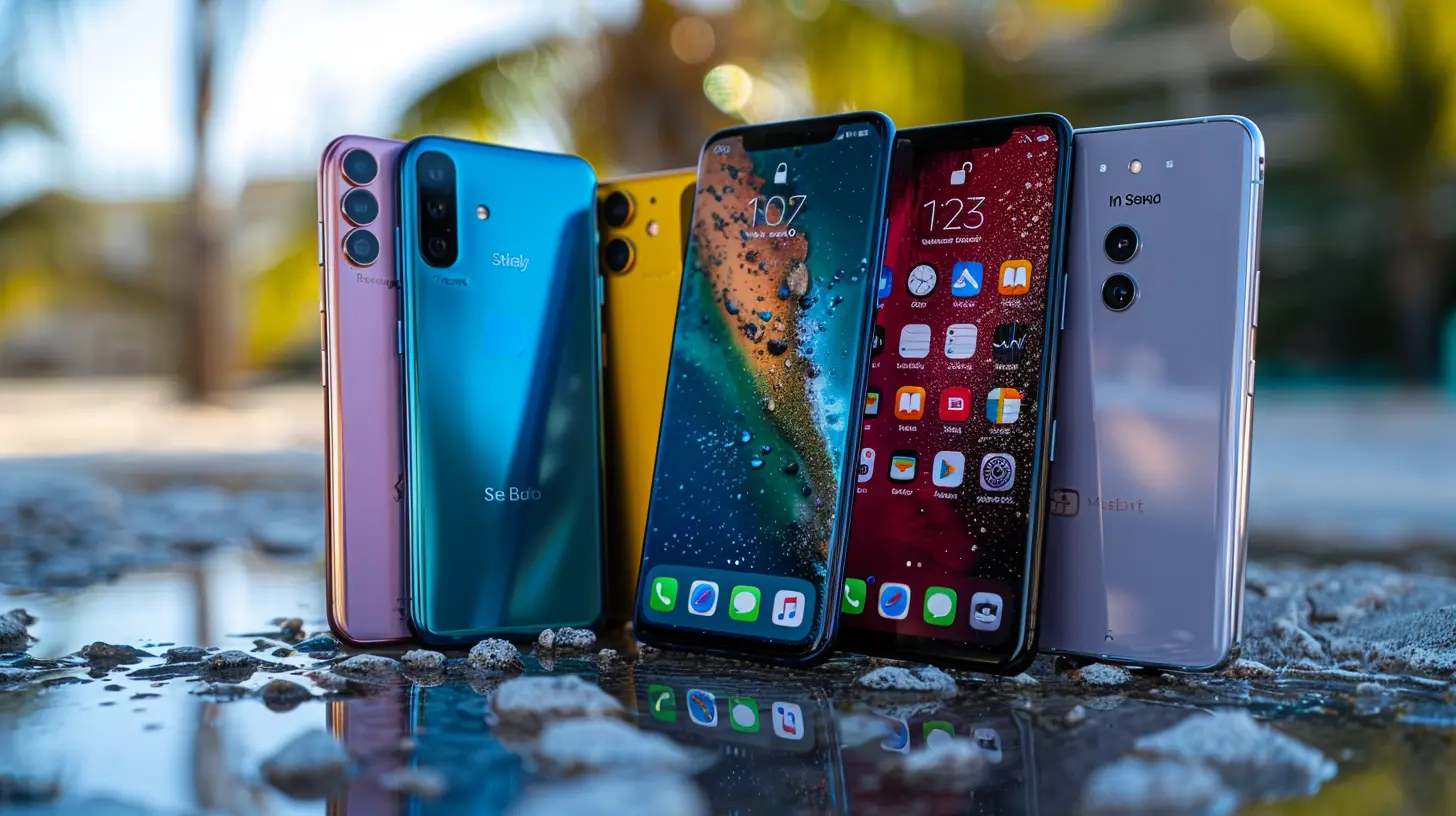
The Appeal of Budget Smartphones
Before we dive into the nitty-gritty, let’s talk about why budget smartphones are so tempting in the first place.1. Price (Obviously!)
The most obvious reason why people gravitate toward budget smartphones is the price. Smartphones can be ridiculously expensive these days, especially with premium models from brands like Apple, Samsung, or Google. Some of these devices can easily cross the $1,000 mark.But with budget smartphones, you can snag a decent phone for $200 to $400. That’s a massive difference. For many, it feels like they’re saving a lot of money while still getting a device that can handle their day-to-day tasks. And let’s face it, not everyone is ready to drop a grand on a phone that they might accidentally drop on the pavement next week.
2. Decent Performance for Basic Tasks
Budget smartphones aren’t the slouches they used to be. Thanks to advancements in technology, even cheaper devices can handle most basic tasks like messaging, browsing, social media, and even some light gaming.Sure, they may not have the blazing-fast processors or the ultra-high-resolution displays of flagship models, but for someone who just wants to use their phone without worrying about whether it's the latest thing on the market, budget smartphones can seem like a perfectly good option.
3. Competition Is Fierce
Another reason budget smartphones are becoming more appealing is simple competition. With so many brands trying to carve out their space in the market, manufacturers are pressured to offer more features at lower prices. Brands like Xiaomi, Realme, and Motorola have been pushing the boundaries of what you can expect from a budget phone.Even major players like Samsung and Apple have realized the potential in catering to the budget segment, with models like the Samsung Galaxy A series or the iPhone SE offering more affordable alternatives to their flagship products.
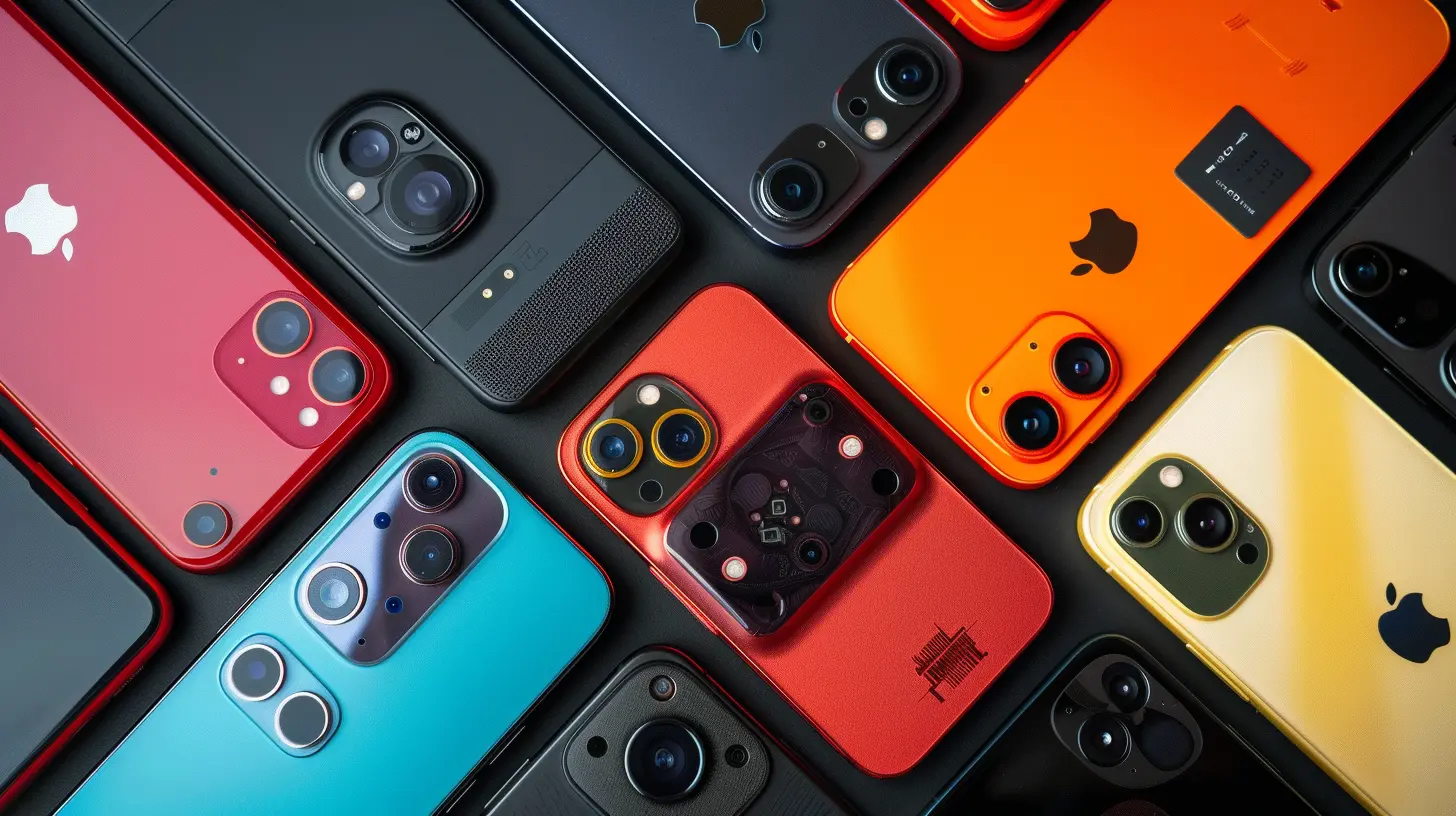
The Trade-Offs of Budget Smartphones
Everything comes at a cost, right? While budget smartphones might seem like a steal, they do come with their own set of compromises. Let's talk about the areas where these phones might fall short.1. Build Quality and Materials
One of the first places manufacturers cut costs is in the build quality. Flagship phones often come with premium materials like glass backs, metal frames, and water resistance. These materials not only make the phone look more elegant but also feel more durable.On the other hand, budget smartphones typically use plastic bodies and cheaper components. They might not feel as sturdy or luxurious in the hand, and they’re more likely to show wear and tear over time. If you drop your phone often or are looking for something that feels "premium," you may feel the difference here.
2. Camera Quality
Flagship smartphones are known for their cameras. Whether it's the night mode, 4K video recording, or ultra-wide-angle shots, high-end phones consistently push the envelope with cutting-edge camera tech.Budget smartphones, however, often struggle in this department. While some budget models offer decent cameras for daylight photography, they tend to falter in low-light conditions, fast-moving subjects, or when trying to capture fine details.
If photography is something you're passionate about, a budget smartphone might leave you feeling a bit disappointed. But if you're just snapping the occasional selfie or taking quick photos for social media, you might be perfectly satisfied.
3. Performance and Speed
When it comes to performance, budget smartphones are like the tortoise in the race — they’ll get there eventually, but not without some huffing and puffing. They usually come with mid-range or entry-level processors, which can handle basic tasks just fine but can struggle when it comes to more demanding apps or multitasking.If you're someone who uses your phone for gaming, video editing, or other resource-heavy applications, you might notice some lag or slowdowns. Flagship phones, with their top-tier processors and larger RAM, will feel much snappier and more responsive.
4. Software Updates (Or Lack Thereof)
One of the sneaky downsides of budget smartphones is the lack of long-term software support. Flagship phones from companies like Apple and Google typically receive software updates for several years, ensuring that you get the latest features, security patches, and performance improvements.Budget phones, on the other hand, often get left behind after a year or two. This can leave you vulnerable to security risks and force you to miss out on cool new features that come with updated software.
5. Display Quality
Budget smartphones typically come with lower-resolution displays. While this may not be a huge deal for everyone, it’s something to consider if you’re someone who consumes a lot of content on your phone, like watching videos or playing games.Flagship phones often have OLED displays, which offer deeper blacks and more vibrant colors. In comparison, budget phones usually have LCD screens, which are perfectly fine for most tasks but don’t offer the same level of richness and clarity.
The Case for Budget Smartphones
Despite those drawbacks, the case for budget smartphones is still strong, especially if you’re a particular type of user.1. Not Everyone Needs a Flagship
Let's be honest — do you really need a $1,000 phone? Most of the time, people buy flagship smartphones for features they barely use. If all you need is to send messages, take the occasional photo, and watch some YouTube videos, a budget phone can absolutely get the job done.Flagship phones are like sports cars — they’re fast, flashy, and full of features, but not everyone needs one. For most people, a reliable budget smartphone is like a solid, everyday car — it’ll get you where you need to go without breaking the bank.
2. Technology Has Improved Across the Board
One of the reasons why budget smartphones are more viable today than ever before is because technology has advanced so much. Even budget phones now come with decent screens, good enough cameras, and processors that can handle most everyday tasks.So while you might be giving up some premium features, you're still getting a device that's perfectly usable for 90% of people’s needs.
3. Great for Kids or as a Secondary Phone
Budget smartphones are also fantastic if you’re not buying for yourself. If you’re getting a smartphone for your child, you probably don’t want to spend a fortune on something that could easily get lost, broken, or forgotten at school.They’re also great as secondary phones. Maybe you already have a flagship for your main device, but you need a backup phone for travel or work purposes. A budget phone can fit that role perfectly.
4. Environmental and Financial Responsibility
It’s also worth considering the environmental and financial benefits of going the budget route. Flagship phones come with a hefty price tag, and many people end up upgrading every year or two. Budget phones allow you to save money and reduce electronic waste since you're not constantly chasing the latest and greatest.
Who Should Go for a Flagship?
Even after weighing all the pros and cons, there are still people who should stick with flagship phones.If you're an avid gamer, someone who loves photography, or you just want the absolute best performance and longevity, then a flagship phone might be worth the investment. When you buy a high-end phone, you're not just getting top-tier hardware but also years of software updates and support.
For those who rely on their phone for work, especially in creative fields like photography, videography, or graphic design, investing in a flagship with superior cameras and raw power can also make a lot of sense.
Final Thoughts: Are Budget Smartphones Really Worth It?
The answer to whether budget smartphones are worth it really depends on your needs and expectations. If you're someone who just needs a phone for basic tasks, doesn't care about having the latest tech, or is trying to save some cash, then yes, a budget smartphone is definitely worth it.However, if you're someone who craves performance, loves taking professional-quality photos, or wants a device that will last for years with regular updates, you might feel more satisfied spending the extra money on a flagship.
At the end of the day, it’s all about finding the right balance between price and features. Budget smartphones have come a long way, and for many people, they offer more than enough to make them a smart choice.
all images in this post were generated using AI tools
Category:
SmartphonesAuthor:

Vincent Hubbard
Discussion
rate this article
2 comments
Zealot Lawrence
Navigating the world of budget smartphones can be challenging, especially with so many options available. It's important to consider personal needs and expectations. While they may not offer premium features, many budget phones deliver excellent value. Finding the right balance between cost and functionality can lead to a satisfying experience.
December 26, 2025 at 5:53 AM
Vincent Hubbard
Absolutely! Balancing cost and functionality is key to finding a budget smartphone that meets your needs.
Zyana Green
Absolutely, budget smartphones offer great value without compromising essential features. Worth it!
December 20, 2025 at 4:31 AM
Vincent Hubbard
Thank you for your insight! Budget smartphones truly balance cost and essential features, making them a smart choice for many users.