Can Bio-Batteries Be the Future of Energy Storage?
20 February 2026
Let’s face it — the world has an energy problem. We crave cleaner, more sustainable power sources, yet our current storage solutions—like lithium-ion batteries—aren’t exactly eco-friendly. That’s where bio-batteries come into play, and yeah, they're kind of a big deal.
Imagine a battery that runs on sugar, enzymes, or even microbes. Sounds like science fiction, right? But this is real science, and it's paving the way toward a greener, more sustainable energy future.
In this article, we’ll take a deep dive into bio-batteries. What are they? How do they work? And more importantly, can bio-batteries realistically become the future of energy storage?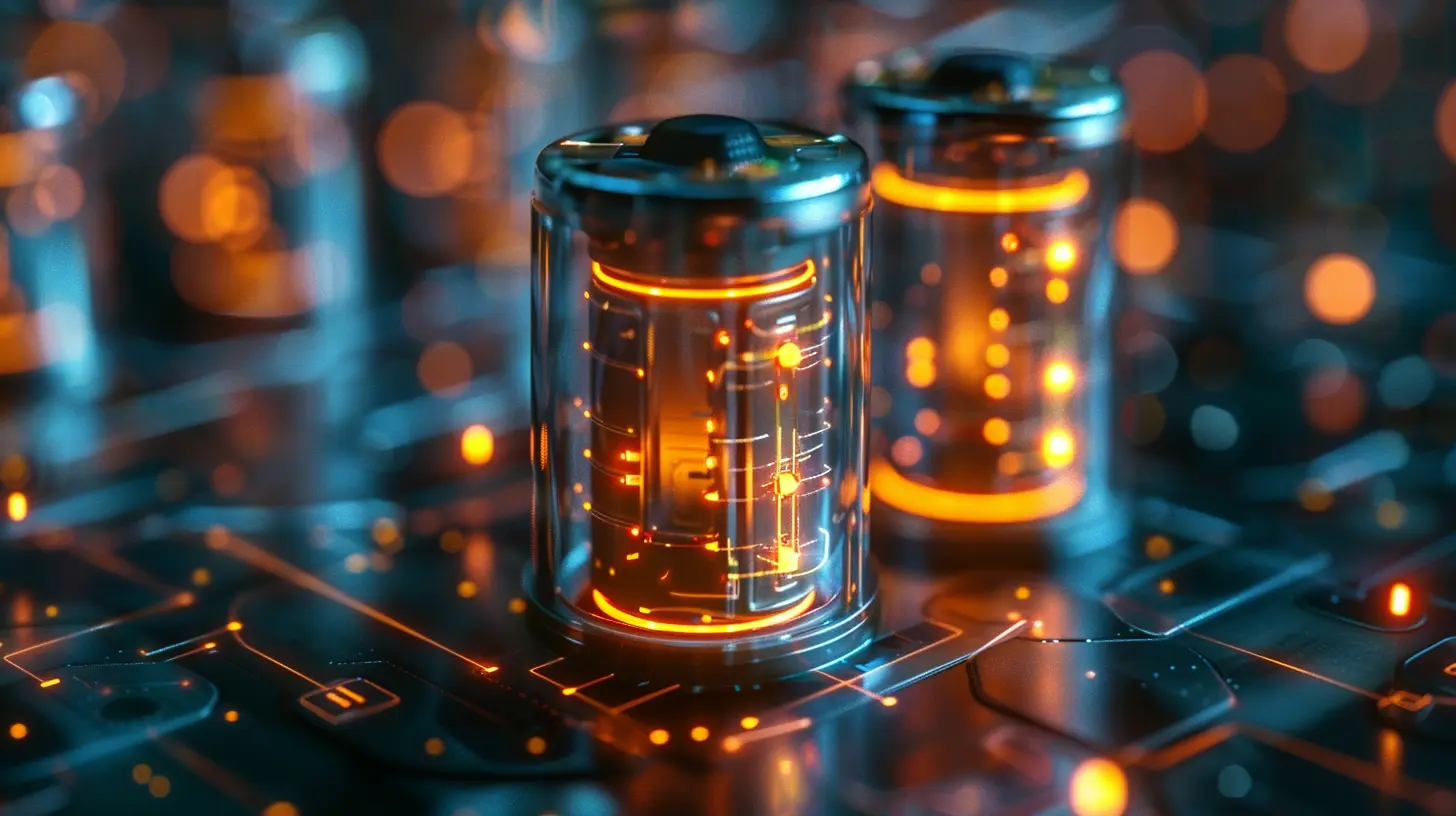
What Are Bio-Batteries Anyway?
Before we go any further, let’s break the concept down. A bio-battery is an energy storage device that uses organic compounds—like glucose—and biological components—like enzymes or microorganisms—to generate electricity.It’s an alternative to traditional batteries that rely on metals and hazardous chemicals. Think of it as nature-powered tech. In essence, these batteries emulate biological processes to convert chemical energy into electrical energy.
So, How Do Bio-Batteries Work?
Here’s the magic: bio-batteries work similarly to how our own bodies harvest energy from food. Instead of lithium and cobalt, bio-batteries use substances like glucose (basically sugar), and enzymes or microbes act as catalysts to break these substances down.The result? A flow of electrons that creates electricity.
Still with me? Picture it this way: if your body can run on a banana, why can’t a battery?
There are mainly three types of bio-batteries:
- Enzymatic Bio-Batteries – Use enzymes as the catalyst
- Microbial Fuel Cells (MFCs) – Use living microbes to generate electricity
- Plant Microbial Fuel Cells – Leverage the natural interactions between plants and soil bacteria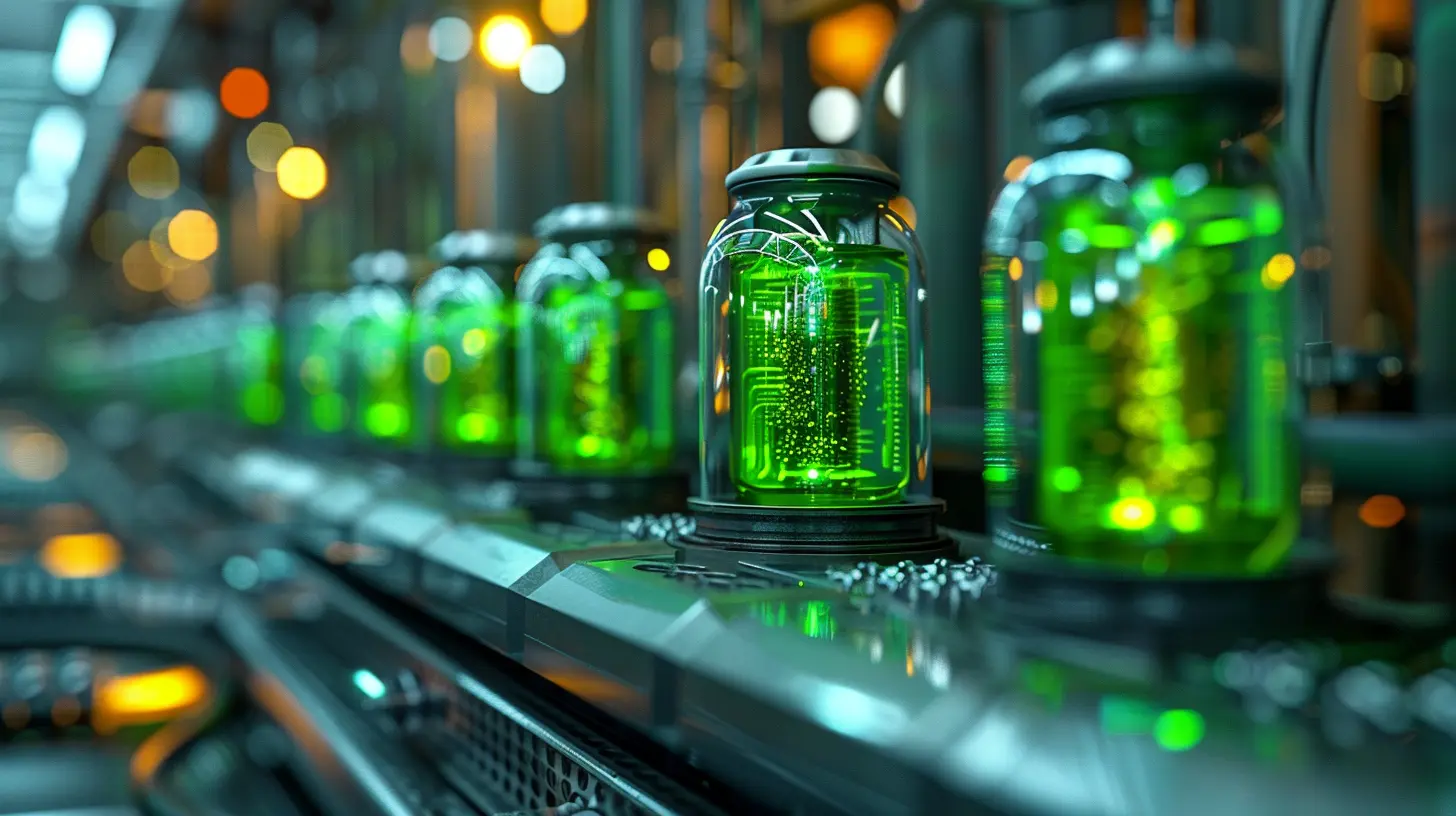
Why Should We Care About Bio-Batteries?
That’s the million-dollar question. Why should we shift focus toward bio-batteries when lithium-ion batteries already dominate the status quo?1. They’re Eco-Friendly
Traditional batteries aren’t exactly great for the planet. Mining for lithium and cobalt? It’s energy-intensive and leaves a huge environmental footprint.Bio-batteries, on the other hand, are biodegradable and made from renewable resources. No toxic waste. No metal mining. Just clean, green energy.
2. They’re Safer
Ever heard of phones or electric cars catching fire because of battery issues? Bio-batteries are non-flammable. Since they rely on water-based chemistry and biological materials, there’s minimal risk of chemical leaks or explosions.3. They Use Abundant Materials
Sugar is everywhere. Microorganisms? Can’t throw a rock without hitting one (figuratively, of course). This abundance makes bio-batteries potentially cheaper and easier to produce at scale compared to batteries that rely on rare earth materials.
Current Limitations (Because Nothing’s Perfect)
Alright, let’s not sugarcoat it (pun absolutely intended). Bio-batteries, as cool as they are, have a few hurdles to overcome.1. Lower Energy Density
Right now, bio-batteries can't hold a charge like lithium-ion batteries. That means you probably won’t be powering your Tesla with sugar anytime soon. They’re best suited for low-power applications, at least for the time being.2. Shorter Lifespan
Enzymes and biological materials break down over time. That means bio-batteries tend to wear out faster, which isn’t ideal for devices that require long, consistent energy output.3. Technical Complexity
Bringing a bio-battery to life isn’t as simple as mixing up a smoothie. It involves precise control over biological reactions, temperature, pH levels, and enzyme activity. In other words, it’s high maintenance.
Real-World Applications: Where Are Bio-Batteries Being Used?
So, are these just lab toys or actually useful? Turns out, bio-batteries are already making waves in some niche areas.Medical Devices
Think pacemakers or implanted health monitors. These need small, low-power batteries that are safe and long-lasting. Since bio-batteries use non-toxic materials, they’re a perfect match for internal medical tech.Wearable Tech
Imagine a smartwatch that runs on your sweat. That’s not science fiction—it’s science reality. Researchers have developed bio-batteries that generate electricity from the lactic acid in human sweat. It's a little gross, but undeniably cool.Remote Sensors
In agriculture or environmental monitoring, where changing batteries is a logistical nightmare, low-energy bio-batteries could get the job done using resources from the environment itself.Future Potential: Let’s Dream a Little
Sure, bio-batteries aren’t mainstream yet. But research is advancing at lightning speed, and the future looks promising.Scaling Up
Scientists are experimenting with ways to improve the energy density and durability of bio-batteries. One path being explored involves genetically engineered enzymes that are more stable and efficient.Hybrid Systems
What if we didn’t have to choose? Hybrid systems that combine traditional batteries with bio-batteries can offset weaknesses and boost performance. For instance, bio-batteries can handle trickle charging or small duty cycles, preserving the main battery’s life.Integration with Smart Grids
Someday, bio-batteries could be part of a decentralized smart grid, especially in remote or underdeveloped regions where sustainability and affordability are essential.Bio-Batteries in Space?
Believe it or not, NASA has shown interest in bio-energy systems for future space missions. Lightweight, low-maintenance, and self-sustaining power sources like bio-batteries could be game-changers in extraterrestrial environments.Bio-Batteries vs. Traditional Batteries: Head-to-Head
| Feature | Bio-Batteries | Lithium-Ion Batteries ||--------------------------|----------------------------------------|-------------------------------|
| Energy Density | Low to Moderate | High |
| Environmental Impact | Minimal, biodegradable | High, due to toxic materials |
| Safety | Non-flammable | Risk of fire/explosion |
| Cost | Potentially low | High, especially sourcing materials |
| Scalability | Still in development | Mass production ready |
| Lifespan (Current) | Short | Moderate to Long |
So yeah, lithium-ion wins in performance for now. But bio-batteries take the crown in sustainability and long-term viability.
The Big Question: Can Bio-Batteries Be the Future of Energy Storage?
Okay, let’s cut to the chase. Can bio-batteries really power our future?Here’s the honest answer: Not alone. At least, not yet.
But they can absolutely be part of the energy storage puzzle. Think of it like this—just as we use solar, wind, and hydro together to generate power, we can use a mix of storage methods too. Bio-batteries might not replace lithium-ion across the board, but they can complement them, especially in situations that demand environmentally friendly, safe, and cost-effective energy.
We’re not talking about five years down the road. This is a long game—10, 20, maybe even 30 years. But if research keeps progressing and investment continues to flow, we just might see bio-batteries become a mainstream option.
Wouldn't that be something? A cleaner, sugar-fueled future? Count me in!
Final Thoughts
As our planet cries out for cleaner solutions, we need to think outside the (battery) box. Bio-batteries aren’t perfect, but their potential is too big to ignore. They offer a refreshing counterpoint to traditional energy storage—nature-powered, sustainable, and surprisingly powerful.So, next time you stir sugar into your coffee, remember — that same simple compound might just be energizing your devices in the not-so-distant future.
all images in this post were generated using AI tools
Category:
Battery TechnologyAuthor:

Vincent Hubbard
Discussion
rate this article
2 comments
Mika Blevins
Promising innovation for sustainable energy!
March 7, 2026 at 3:45 AM
Vincent Hubbard
Thank you! We're excited about the potential of bio batteries in advancing sustainable energy solutions.
Lennox Phelps
Fascinating concept! I'm curious about the efficiency and scalability of bio-batteries compared to traditional energy storage. What innovations are currently being explored to enhance their performance and integration into existing energy systems?
February 20, 2026 at 11:28 AM
Vincent Hubbard
Thank you for your interest! Currently, innovations in bio-batteries focus on improving their energy density, lifespan, and integration with renewable sources. Research is exploring advanced materials and biocatalysts to enhance efficiency, which could lead to more scalable solutions in the future.