Can Chatbots Deliver Great UX in 2027?
1 May 2026
Let's be honest for a second. If I asked you right now to name a chatbot that made you feel good-not just efficient, but actually understood-could you do it? Probably not. Most of us have a mental catalog of chatbot fails: the loop of doom, the robotic "I'm sorry, I didn't quite get that," the sudden transfer to a human who asks you to repeat everything. It's been a rough decade for conversational AI.
But here's the thing: we're not talking about today. We're talking about 2027. That's only a few years away, but in tech years, that's practically a century. By 2027, the chatbot landscape could be unrecognizable. The question isn't whether chatbots will be smarter-they will be. The real question is whether they can finally deliver a great user experience. UX isn't just about answering questions correctly. It's about tone, timing, context, and that weird human thing we call "vibe." So, can chatbots nail that in 2027? Let's dig in.
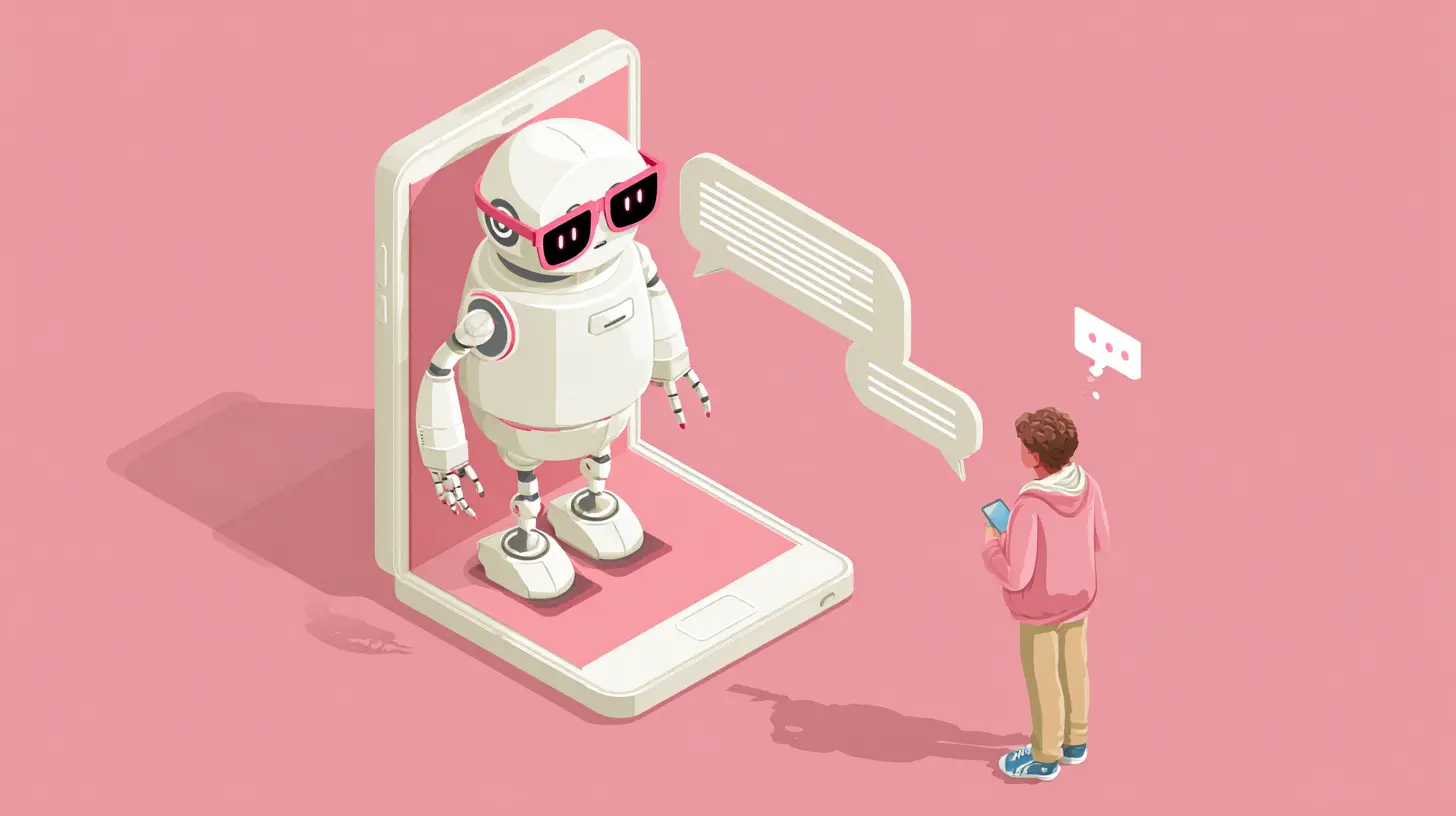
The UX Problem That Won't Die: Context and Memory
Right now, the biggest UX killer for chatbots is their Goldfish Syndrome. You tell a bot your name, your order number, and your complaint. It says, "Got it!" Then, two messages later, it asks for your name again. You feel like you're talking to a very polite, very forgetful intern. That's not great UX. That's a conversation with a wall.By 2027, this has to change. And I think it will. The next generation of chatbots will rely on long-term memory models. Think of it like this: instead of treating every conversation as a fresh start, the bot will remember your history, your preferences, and even your mood from the last interaction. Imagine logging into your bank's app and having the bot say, "Hey, I see you were frustrated last week about the overdraft fee. We've credited it back. Want to talk about setting up alerts?" That's not just helpful. That's thoughtful. That's UX.
But memory alone isn't enough. Great UX in 2027 will hinge on contextual awareness. The bot will need to know if you're on a mobile phone in a noisy coffee shop versus sitting at your desk at 2 AM. It should adjust its response length, its tone, and even its speed. If you're rushing, it should be short. If you're relaxed, it can be chatty. That's the difference between a tool and a companion.
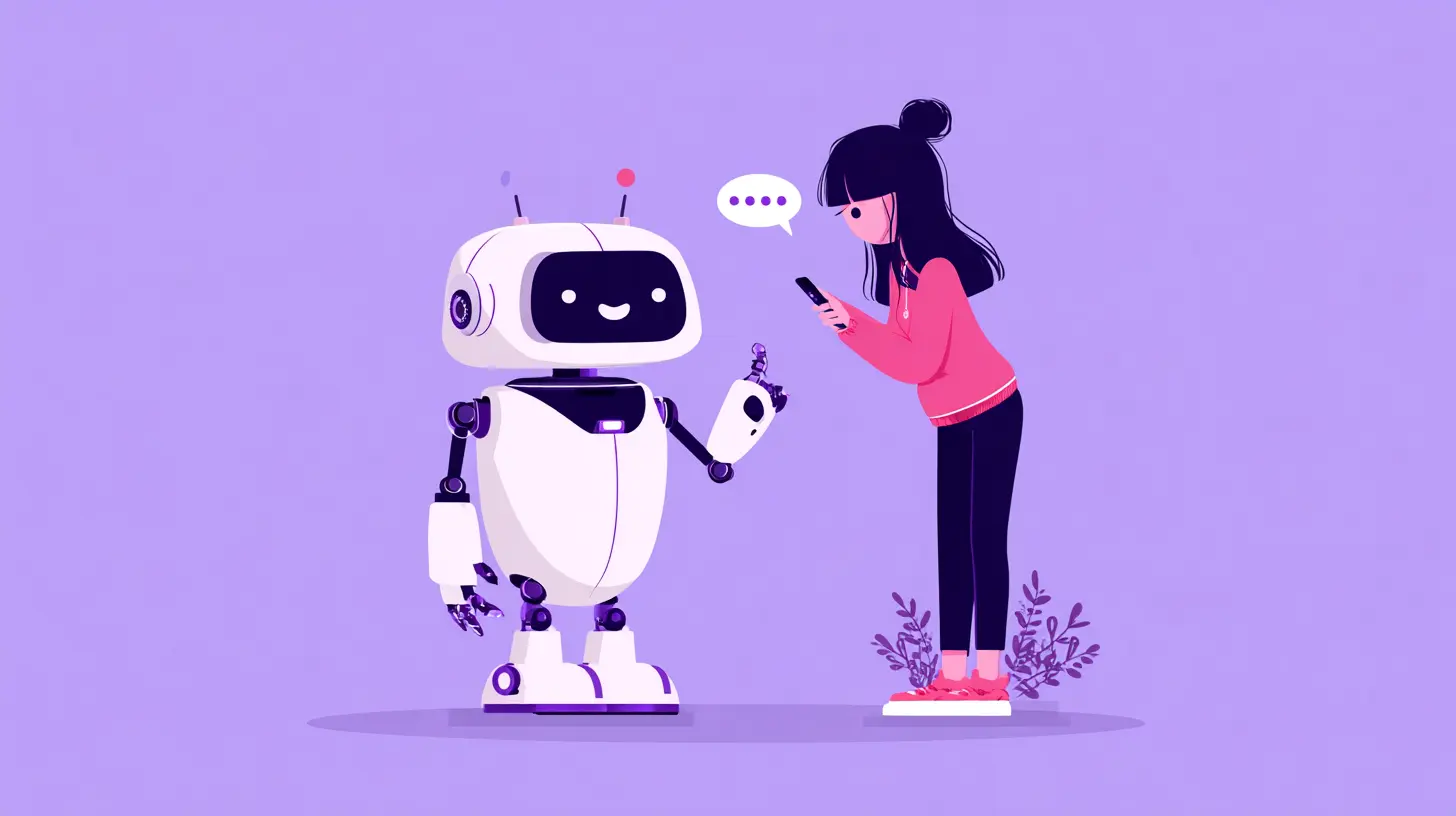
The Tone Trap: How Chatbots Will Learn to Be Human (Without Being Creepy)
There's a fine line between friendly and cringe. You've seen the bots that try too hard. "Hey there, champ! Ready to rock your tech support today?" No, I am not. I just want my Wi-Fi to work. Bad tone kills UX faster than wrong answers.In 2027, chatbots will get much better at reading the room. They'll use sentiment analysis not just to detect keywords like "angry" or "happy," but to understand subtext. If you type "Fine." with a period, the bot will know you're not fine. It will adjust. It might say, "I hear you. Let's fix this quickly." No emojis. No exclamation points. Just calm, professional empathy.
The trick is to avoid the Uncanny Valley of conversation. You don't want a bot that pretends to be human. That's creepy. You want a bot that is clearly a bot, but a very good one-like a super-competent, slightly formal assistant who never gets tired. Great UX in 2027 will be about transparency. The bot will say, "I'm an AI, but I can handle this. If I can't, I'll get you a human immediately." That honesty builds trust. And trust is the foundation of any good experience.
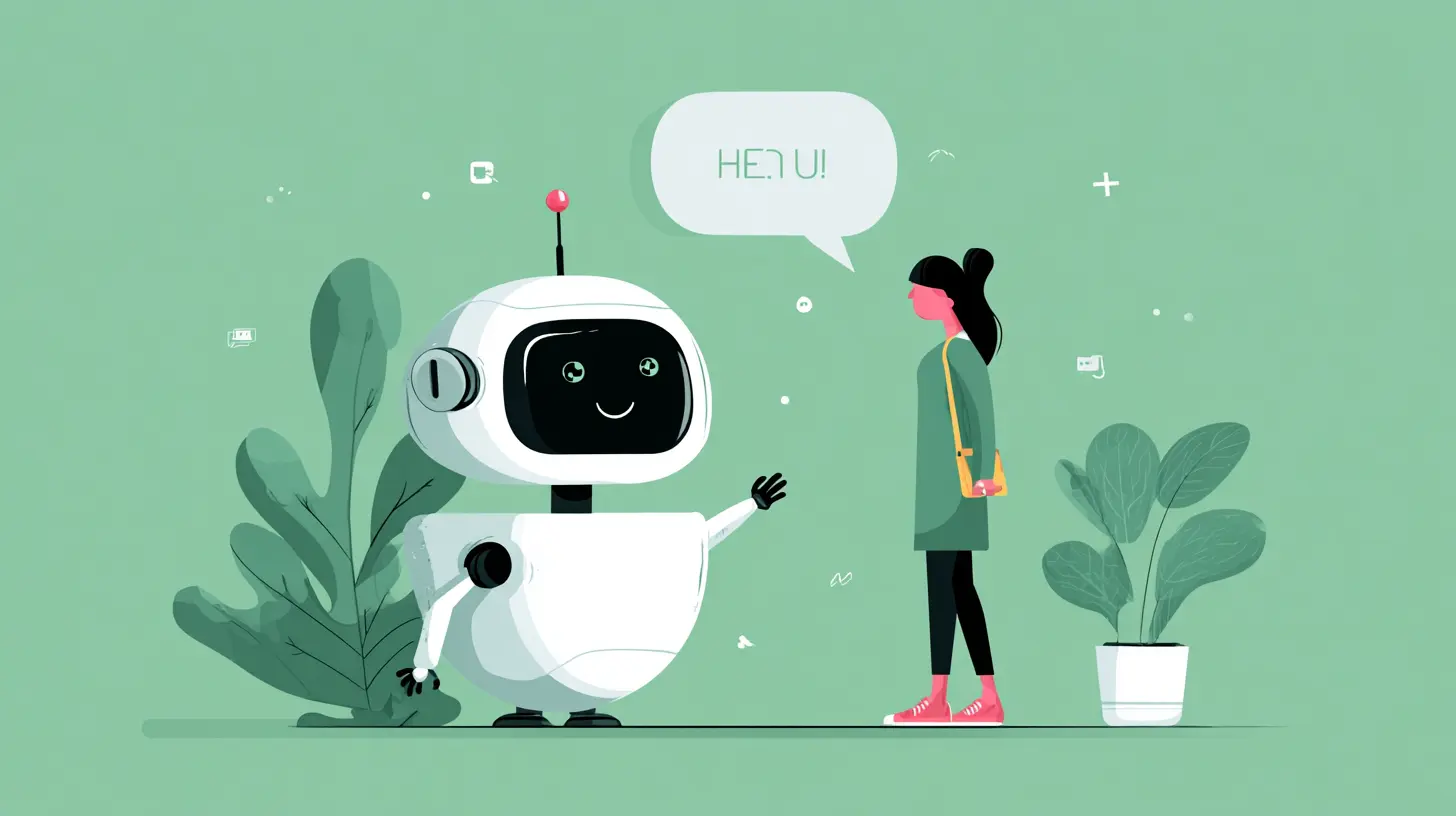
Speed vs. Depth: The Balancing Act
We live in a world of instant gratification. We want answers now. Chatbots are perfect for that-they don't put you on hold. But speed can be a trap. A fast, wrong answer is worse than a slow, correct one. By 2027, the best chatbots will master the art of the pause.Think about it: when you ask a human a hard question, they sometimes say, "Let me think about that." That's not a failure. That's a sign of processing. Chatbots in 2027 will learn to do the same. Instead of spitting out a half-baked guess, they'll say, "That's a complex question. Give me a moment to find the best answer." That small delay actually improves UX because it sets expectations. You feel like the bot is working for you, not just guessing.
This is where the burstiness of language comes in. A great conversational UX isn't a monotone stream of perfect sentences. It has rhythm. Short answers for simple things. Longer, more thoughtful responses for complex stuff. Sometimes a joke. Sometimes silence. In 2027, chatbots will be trained on real human conversation patterns-the pauses, the hedges, the clarifications-and they'll use them naturally. It won't feel scripted. It will feel like talking to a very smart friend who happens to live in the cloud.
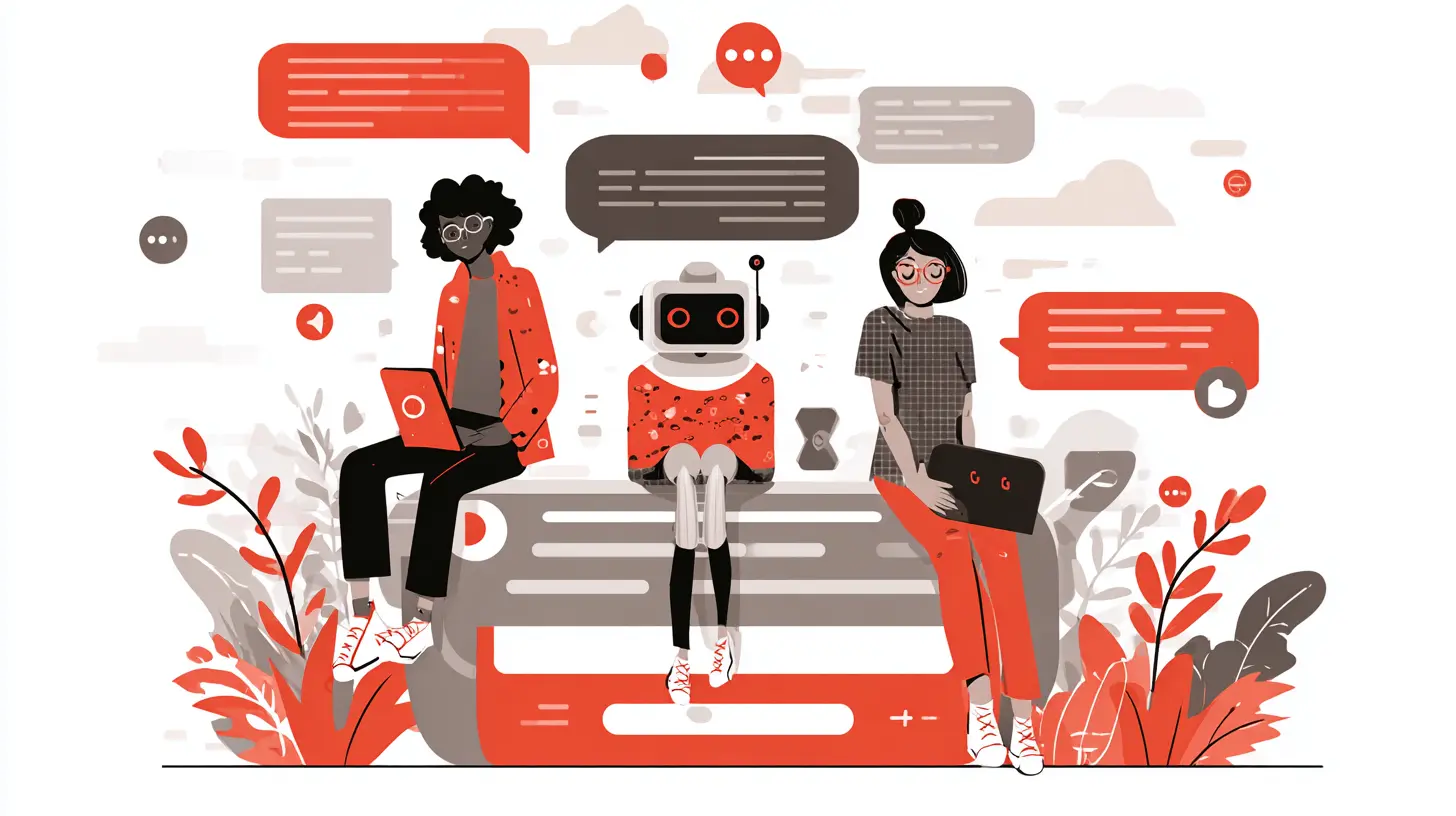
The Multi-Modal Shift: Chatbots That See and Hear
Here's a prediction for 2027: the best UX won't be purely text-based. We're already seeing voice assistants improve, but the real leap will be multi-modal interfaces. Imagine a chatbot that can look at your photo of a broken appliance and say, "I see the crack is on the left hinge. Here's a video showing how to fix it." Or a bot that listens to your voice and adjusts its response based on your tone.This changes everything about UX. Text-only chatbots are like talking to someone with their eyes closed. You're missing so much information. By adding vision and voice analysis, the bot can understand context that you didn't even need to type. You just show it. That's frictionless. That's great.
But there's a risk. Multi-modal means more data, which means more privacy concerns. In 2027, users will be hyper-aware of what they share. A chatbot that asks for camera access without a clear reason will feel invasive. Great UX will require opt-in transparency. The bot should say, "I can help faster if I see the issue. Would you like to share a photo? I won't store it." That respect for boundaries is part of the experience.
The Fallback: When Bots Fail (And They Will)
No matter how advanced AI gets by 2027, chatbots will still fail. Maybe the problem is too niche. Maybe the user is being intentionally vague. The mark of great UX isn't perfection-it's how gracefully you handle failure.Right now, most chatbots fail by repeating themselves or giving generic "I don't know" responses. That's like a waiter who just shrugs when you ask for the menu. In 2027, the fallback will be seamless. The bot will recognize its own limits and say, "This is outside my expertise. I'm connecting you to Sarah, who handles these issues. I've shared our conversation so you don't have to repeat yourself." No hold music. No transfer loops. Just a smooth handoff.
This is the ultimate UX test: making the user feel like the system is working for them, not against them. When a bot admits it can't do something and hands you off without friction, you actually feel good about the interaction. You think, "Wow, that was easy." That's the goal.
The Emotional Layer: Empathy as a Feature
We tend to think of UX as a logical thing-clear menus, fast load times, intuitive buttons. But the best experiences are emotional. When you use a great app, you feel a tiny spark of satisfaction. When you deal with a bad chatbot, you feel frustration, even anger.By 2027, chatbots will have an emotional layer. Not fake emotions, but a calculated understanding of how to make you feel heard. This is where analogies help: think of a chatbot as a bartender. A great bartender knows when to chat and when to just pour the drink. They read your body language. In 2027, chatbots will read your language-your word choice, your typing speed, your punctuation. If you're all caps and short sentences, the bot will be calm and direct. If you're using emojis and exclamation points, the bot can match your energy.
This isn't manipulation. It's mirroring. Humans naturally mirror each other in conversation. It builds rapport. A chatbot that mirrors your tone will feel more natural, more human, even though you know it's code. That's the sweet spot.
The Dark Side: Over-Personalization and Creepiness
Let's not pretend 2027 will be a utopia. There's a real danger that chatbots become too good. If a bot remembers everything you've ever said, it can feel like stalking. Imagine a shopping bot that says, "I see you bought a breakup novel last month. Are you feeling better now?" That's not helpful. That's invasive.Great UX in 2027 will require a delicate balance. The bot should remember your preferences but not your vulnerabilities-unless you choose to share them. Users need control. A "forget this conversation" button should be as easy as a "send message" button. Privacy is not just a legal requirement; it's a UX feature. If users feel watched, they won't engage. The best chatbot experience feels like a trusted assistant, not a surveillance tool.
The Role of Design: Visuals and Voice
We've talked a lot about conversation, but UX is also visual. In 2027, chatbots will be embedded in richer interfaces. Think less about a plain text box and more about a dynamic panel that shows images, buttons, and progress bars. When the bot says, "I found three options," it will show them as cards you can tap. When it's processing, it will show a subtle animation that suggests thinking, not buffering.Voice will also evolve. Text-to-speech will sound less robotic, with natural pauses and inflections. But here's a key point: voice UX in 2027 won't try to sound human. It will sound like a helpful machine-clear, calm, and slightly formal. Why? Because we're used to machines. Trying to fake a human voice is distracting. The best voice bots will embrace their artificial nature while being incredibly efficient.
The Human Touch: When to Hand Off
The biggest UX secret for chatbots in 2027 might be knowing when to shut up. There are some conversations that machines should not handle. Grief, trauma, complex negotiations, creative brainstorming-these require human nuance. A great chatbot will recognize the boundaries of its competence and gracefully hand off to a human.This is not a failure. It's a feature. Imagine a healthcare chatbot that says, "I can help with appointment scheduling, but I hear you're worried about your symptoms. I'm connecting you to a nurse who can listen better than I can." That's empathy in action. That's great UX.
Will We Trust Them?
At the end of the day, UX is about trust. Do you trust the system to do what you need without making you angry? In 2027, trust will be earned through consistency, transparency, and respect. Chatbots that are honest about their limits, remember your context, and adapt to your mood will win. Chatbots that try to be everything to everyone will fail.So, can chatbots deliver great UX in 2027? Yes, but only if they stop trying to be humans and start being excellent tools. The best chatbot of 2027 won't fool you into thinking it's a person. It will make you forget you're talking to a machine because the experience is so smooth, so natural, so right.
It's not about replacing humans. It's about handling the boring, repetitive, frustrating parts of life so that humans can focus on the things that matter. That's the promise. And if we get it right, 2027 might be the year we finally stop hating chatbots and start actually liking them.
What do you think? Are you ready to trust a bot that remembers your name? Or does that still feel a little too close for comfort?
all images in this post were generated using AI tools
Category:
User ExperienceAuthor:

Vincent Hubbard
Discussion
rate this article
2 comments
Poppy McPherson
Chatbots have potential but rely heavily on context and user needs. By 2027, their effectiveness will depend on continuous improvement and integration with other tech.
May 14, 2026 at 3:06 AM
Vincent Hubbard
You're right. Context and user needs are crucial for chatbots. Continuous improvement and better integration with tech will be key to unlocking their full potential by 2027.
Thornefield Mercado
Exciting topic! Looking forward to future chatbot developments.
May 4, 2026 at 10:54 AM
Vincent Hubbard
Thanks! I'm excited to see how chatbots evolve too. Stay tuned for updates!