How AI-Driven Gadgets Are Changing Daily Life
22 January 2026
Technology is evolving at an unprecedented rate, and artificial intelligence (AI) is at the core of this revolution. AI-driven gadgets are no longer futuristic dreams—they're here, transforming the way we live, work, and interact with the world. From smart home assistants to AI-powered healthcare devices, these innovations are making daily tasks easier, faster, and more efficient. But how exactly are these AI gadgets reshaping our everyday lives? Let's break it down.
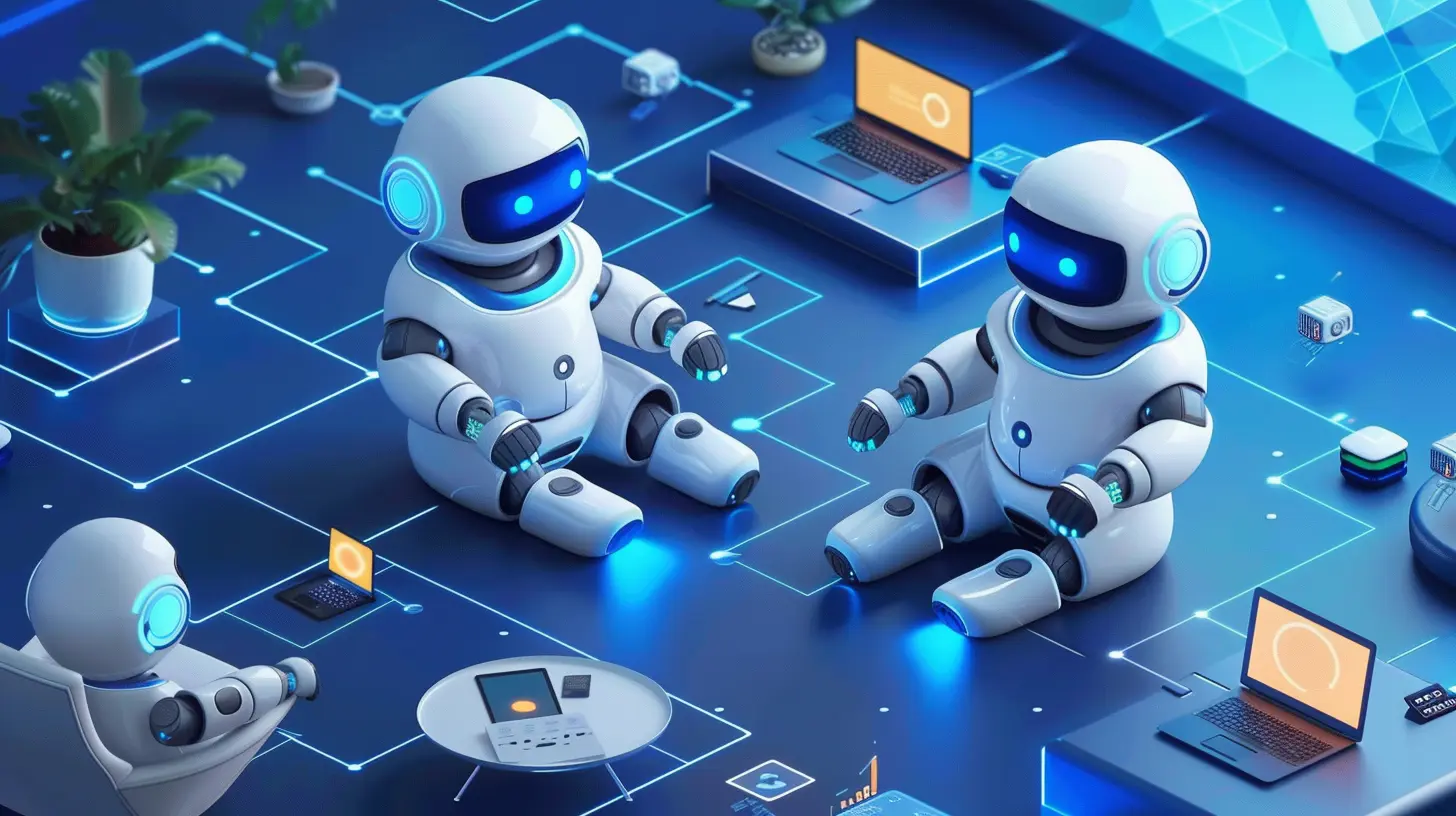
The Rise of AI in Everyday Gadgets
AI has quietly crept into our daily routines, powering everything from smartphones to kitchen appliances. Whether it's a virtual assistant understanding voice commands or a smartwatch tracking health data, AI is enhancing convenience while seamlessly blending into our lives.
AI-Powered Smart Assistants
1. Voice Assistants: The Digital Butlers
Remember when you had to type a search query or set a timer manually? Those days are long gone. AI-driven voice assistants like Amazon Alexa, Google Assistant, and Apple’s Siri have become household staples. These digital helpers can answer questions, control smart home devices, play music, and even order groceries—all through simple voice commands.They use natural language processing (NLP) to understand and respond like humans. The more you interact with them, the better they get at predicting your needs.
2. Smart Home Automation: AI as the Brain of Your Home
AI-driven smart home devices are making homes more efficient. Imagine waking up to curtains that open automatically, coffee brewing at the perfect time, and a thermostat adjusting itself based on the weather. Devices like Google Nest, Ecobee, and Philips Hue use AI to learn user preferences and optimize energy consumption, ultimately reducing electricity bills.
AI in Health and Fitness
3. Wearable Health Trackers: Your Personal Wellness Coach
AI is playing a huge role in personal health and fitness. Smartwatches and fitness trackers analyze sleep patterns, heart rates, and even stress levels. Devices like Apple Watch and Fitbit use AI to provide health insights, suggest workouts, and detect potential health issues. In some cases, they’ve even helped users identify heart abnormalities early on, potentially saving lives.4. AI-Powered Virtual Doctors
Telemedicine has soared in popularity, and AI is making healthcare more accessible. AI-driven chatbots like Babylon Health or Ada Health can analyze symptoms and provide preliminary diagnoses, helping users decide what medical steps to take. AI in radiology is also improving early disease detection, making treatments more effective.
AI in Transportation
5. Self-Driving Cars: The Future of Commuting
AI is steering the wheel—literally! Autonomous vehicles from companies like Tesla, Waymo, and Uber are inching closer to becoming mainstream. These cars use AI algorithms, computer vision, and deep learning to navigate roads, detect obstacles, and minimize accidents. While fully autonomous cars aren’t universal yet, features like adaptive cruise control and lane assistance are already improving road safety.6. AI in Traffic and Navigation
Gone are the days of guessing the best route to work. Navigation apps like Google Maps and Waze leverage AI to analyze traffic patterns, suggest better routes, and estimate accurate arrival times. AI-driven ride-sharing services also optimize driver-passenger matching, reducing wait times and fuel consumption.AI in Daily Productivity
7. Smartphones: AI at Your Fingertips
Today’s smartphones are more than just communication devices. AI enhances everything from facial recognition and predictive text to camera optimizations and battery management. Features like Google Lens use AI to recognize objects, translate text, and provide information instantly.8. AI in Work and Study
AI-powered productivity tools are streamlining work and education. Grammarly helps improve writing, Zoom uses AI for background noise reduction, and AI-driven project management tools automate tasks. Meanwhile, AI tutors like ScribeSense help students with homework, making learning more interactive and efficient.AI in Shopping and Entertainment
9. AI-Powered Personalized Shopping
Ever noticed how your favorite e-commerce platform recommends products tailored to your taste? That’s AI at work. Amazon, Netflix, and Spotify use AI-powered recommendation engines to analyze your preferences and suggest products, movies, or songs that match your interests.10. AI in Gaming and Virtual Reality
The gaming industry is also leveraging AI to enhance realism. AI-powered NPCs (non-playable characters) in video games now react dynamically, creating immersive gameplay experiences. Virtual Reality (VR) and AI work together to create personalized and adaptive gaming environments.The Ethical Concerns of AI Gadgets
With all these advancements, AI-driven gadgets come with concerns. Privacy, data security, and ethical AI usage are hot topics. Many smart devices constantly collect data, raising worries about surveillance and personal information security. Companies must ensure transparent AI policies and better user control over data to maintain trust.There’s also the job displacement debate. With AI automating many tasks, some jobs may become obsolete while new AI-driven roles will emerge. Society must focus on reskilling and adapting to this evolving landscape.
The Future of AI-Driven Gadgets
AI isn’t stopping anytime soon. Future gadgets will integrate even more advanced AI, making interactions smoother, smarter, and more intuitive. From AI-driven household robots to brain-computer interfaces, the possibilities are endless.One thing is clear—AI gadgets aren't just conveniences; they’re becoming necessities. As they evolve, they’ll continue shaping our daily lives in ways we can’t even imagine. Whether it’s improving healthcare, making homes smarter, or reshaping how we travel, AI-driven gadgets are here to stay—and they’re only getting better.
Final Thoughts
AI-driven gadgets are no longer a luxury; they’re an integral part of modern living. Whether you're using a smartwatch to track fitness, asking Alexa to dim the lights, or letting AI optimize your workday, these innovations are making life easier, more efficient, and more connected.While concerns about privacy and ethics need addressing, there's no denying how AI-driven technology is shaping the future. The key is to embrace it responsibly, ensuring that as AI-powered gadgets evolve, they genuinely enhance our daily lives without compromising security or human values.
all images in this post were generated using AI tools
Category:
Tech GadgetsAuthor:

Vincent Hubbard
Discussion
rate this article
2 comments
Naya Sharpe
It's fascinating to see how AI-driven gadgets are slowly reshaping our daily routines! I'm curious about the potential benefits and challenges they bring. What innovations do you think will have the biggest impact in the coming years?
February 9, 2026 at 3:26 AM
Vincent Hubbard
Thank you for your comment! In the coming years, innovations like smart home automation, personalized health monitoring, and advanced virtual assistants are likely to have a profound impact on our daily lives, offering both convenience and new challenges around privacy and dependence.
Adam Meyers
Embrace the future—AI gadgets are transforming our everyday lives!
January 22, 2026 at 11:37 AM
Vincent Hubbard
Absolutely! AI gadgets are revolutionizing how we live, making tasks easier and our routines more efficient. Exciting times ahead!