How Battery Tech is Transforming the Aviation Industry
10 February 2026
The aviation industry has always been a symbol of human innovation. From the Wright brothers' first flight to supersonic jets, we've seen incredible advancements in aerospace technology. But now, a new wave of innovation is taking off—battery technology. Yes, you read that right. Batteries are not just for your phone or laptop anymore. They're gearing up to revolutionize how we fly, making air travel cleaner, quieter, and more efficient.
In this article, we’re going to dive into how battery tech is transforming the aviation industry. We'll cover everything from electric planes to the environmental benefits, all while keeping things simple and engaging.
So, fasten your seatbelts; it’s going to be a smooth ride!

The Current State of Aviation and Why It Needs a Change
Let’s be real. Air travel has changed the world, allowing us to hop across continents in mere hours. But, it comes with a hefty environmental cost. Traditional airplanes rely on fossil fuels, producing a significant amount of carbon emissions. In fact, the aviation industry is responsible for around 2.5% of global CO2 emissions. Doesn’t sound like much? Well, considering the entire world is trying to cut down on emissions, that 2.5% is a big deal.And let’s not forget about the noise pollution. Jet engines are loud, and anyone who has lived near an airport can tell you that. These issues are driving the need for a cleaner, quieter alternative. Enter battery technology.
The Push for Sustainability
Governments and regulatory agencies are applying increasing pressure on the aviation sector to adopt greener technologies. The European Green Deal and the Paris Climate Agreement are pushing industries to reduce their carbon footprints. Airlines are being driven to innovate, and one of the most promising avenues is through electrification powered by advanced battery systems.In short, if the aviation industry wants to keep flying high, it needs to change how planes are powered. And that’s where batteries come in.
The Role of Battery Tech in Aviation
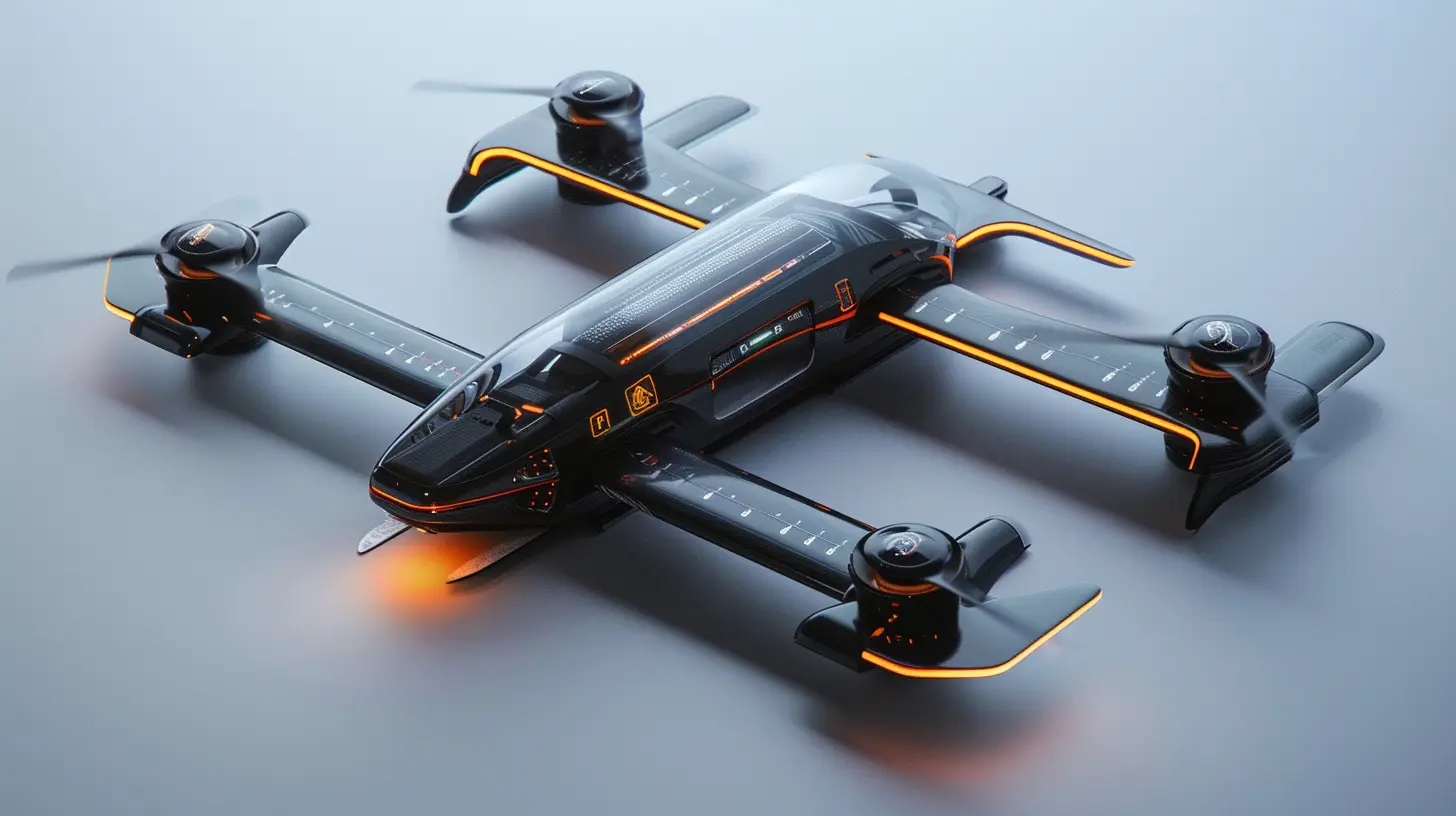
You might be wondering, "Can batteries really power something as massive as an airplane?" Well, the answer is slowly but surely becoming a resounding "Yes." While we’re still in the early stages, battery technology is evolving rapidly, and electric planes aren’t as far-fetched as they might seem.Electric Planes: The Future of Air Travel?
Just like electric cars, electric planes are powered by batteries rather than fuel. The biggest challenge here? Weight. Batteries are heavy, and weight is a critical factor in aviation. The more weight you add, the more energy you need to keep the plane in the air. But, there’s good news: battery energy density (the amount of energy a battery can store for a given weight) is improving.Right now, the lithium-ion battery is the most common type of battery being explored for aviation. It's the same technology that powers your smartphone or electric car, but on a much larger scale. Companies like Tesla and Panasonic are working on pushing the limits of what lithium-ion can do.
And it’s not just about electric passenger planes. Drones, flying taxis, and small aircraft are already using battery power. These smaller, short-range electric aircraft are proving that the technology works. It’s only a matter of time before we see it scaled up to larger planes.
Hybrid Electric Planes: A Balanced Approach
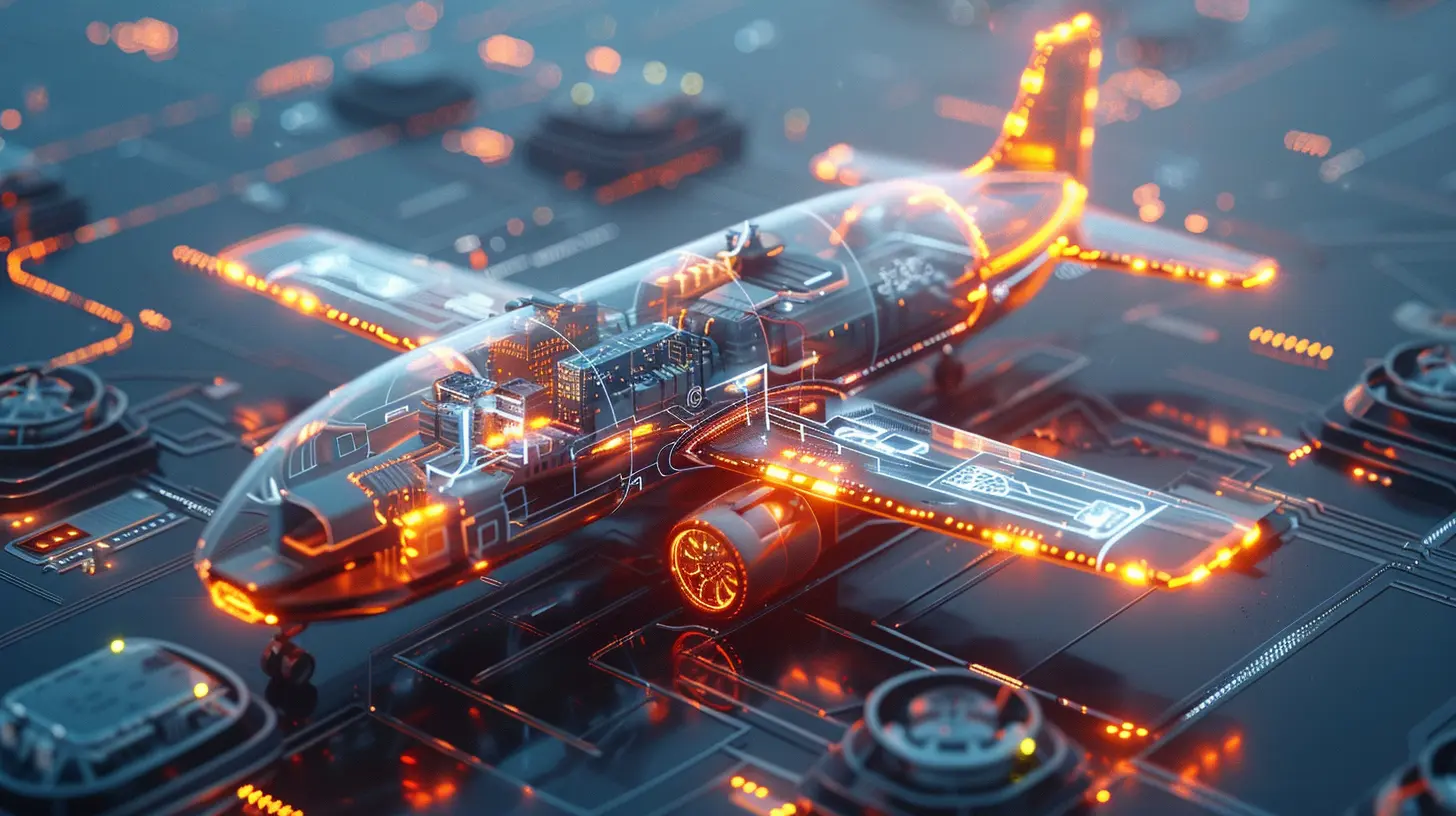
If fully electric planes still feel too futuristic, don’t worry—there’s a middle ground. Hybrid-electric aircraft are a blend of traditional fuel-powered engines and battery-powered systems. Think of it like a Toyota Prius for the skies.In a hybrid setup, batteries can assist in powering the plane during specific phases of flight like takeoff or landing. This reduces the overall fuel consumption and carbon emissions without relying entirely on batteries. Essentially, it’s a stepping stone towards fully electric aviation, and several companies are already testing hybrid aircraft.
The Benefits of Battery-Powered Aviation
Alright, so now that we know battery tech is making waves in aviation, let's talk about the why. What are the actual benefits of shifting to battery-powered planes?1. Lower Carbon Emissions
This one’s a no-brainer. Since electric planes don’t burn fossil fuels, they don’t emit carbon dioxide. That’s a big win for the environment, especially when you consider that the aviation industry is under increasing scrutiny for its environmental impact.If electric planes become mainstream, we could see a significant reduction in the industry’s carbon footprint. And with climate change being a pressing global issue, every little bit helps.
2. Quieter Flights
Ever been woken up by a roaring jet engine flying overhead? Electric planes could put an end to that. Unlike traditional engines, electric motors are quieter. This would reduce noise pollution, especially around airports, making life a lot quieter for those living nearby. Imagine taking off without the deafening roar of a jet engine—it’s possible with battery-powered planes.3. Cost Savings for Airlines (and Passengers)
Fuel is one of the biggest expenses for airlines. It’s volatile, subject to price fluctuations, and a major contributor to operating costs. Electric planes, on the other hand, run on electricity, which is generally cheaper and more stable in terms of pricing. As battery technology advances, the cost of electric aviation is expected to decrease, leading to savings for airlines.And guess what? Those savings could trickle down to passengers, potentially lowering ticket prices. Who wouldn’t want cheaper flights?
4. Innovation in Aircraft Design
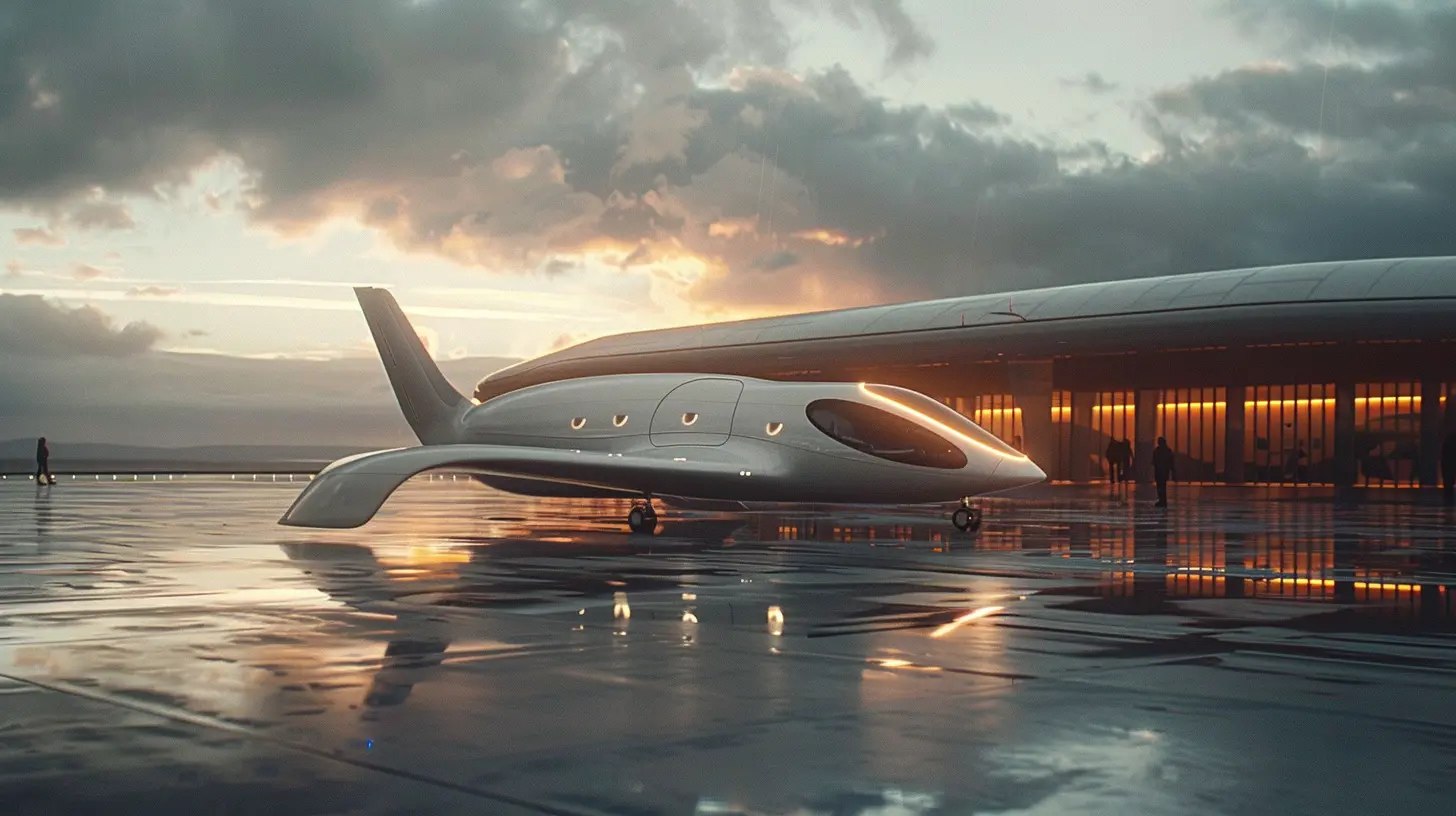
Traditional planes are designed around their fuel engines. But with electric motors, aircraft designers have more freedom to experiment with new layouts and structures. We could see entirely new plane designs that are more aerodynamic, efficient, and even futuristic-looking.In fact, some companies are already testing distributed propulsion, where multiple smaller electric motors are placed across the wings. This could lead to more efficient flight dynamics and even shorter takeoff and landing distances. It’s an exciting time for aerospace engineers!
Challenges Facing Battery-Powered Aviation
Of course, no discussion about electric aviation would be complete without addressing the challenges. While promising, battery technology still has some hurdles to overcome before it can fully transform the aviation industry.1. Energy Density
As I mentioned earlier, batteries are heavy, and that’s a big problem for aviation. While battery energy density is improving, it’s still not quite at the level needed for long-haul flights. To put it simply, the heavier the battery, the more energy you need to lift it, creating a bit of a catch-22.For now, electric planes are best suited for short-range flights. Long-haul flights are still the domain of traditional fuel-powered jets, but that could change as battery technology continues to advance.
2. Charging Infrastructure
Another issue is the lack of charging infrastructure at airports. While electric cars can use charging stations, electric planes will need something more specialized. Airports will need to build fast-charging stations for aircraft, which will require significant investment and planning.3. Battery Lifespan
Batteries don’t last forever. Over time, they degrade and lose their ability to hold a charge. For airlines, this means having to replace expensive battery packs more frequently than they would need to refuel a traditional plane. Developing longer-lasting batteries is crucial for making electric aviation commercially viable.The Companies Leading the Charge
Several companies are already hard at work developing electric and hybrid-electric aircraft. Here are a few leading the charge:- Eviation: This Israeli startup is developing an all-electric aircraft called Alice, designed for regional flights of up to 650 miles. They’re aiming to have it in the skies by the mid-2020s.
- Rolls-Royce: Yes, the same Rolls-Royce known for luxury cars is also a major player in aerospace. They’re working on electric propulsion systems for planes and are partnering with Airbus and Siemens on hybrid-electric aircraft projects.
- Ampaire: This California-based company is focused on retrofitting existing aircraft with electric motors. Their goal is to create hybrid-electric planes that can cut emissions by 50-70%.
What’s Next?
So, where do we go from here? It’s clear that battery technology has the potential to transform aviation, but we’re still in the early stages. The next decade will be crucial as battery tech continues to improve and electric planes become more commercially viable.In the near future, we can expect to see more short-range electric flights, particularly for regional travel. Think of trips between neighboring cities or countries. And as battery energy density improves, we’ll eventually see electric planes capable of handling longer distances.
It’s an exciting time to be in the aviation industry, and the sky is literally the limit!
Conclusion
Battery technology is on the verge of transforming the aviation industry in profound ways. From reducing carbon emissions to cutting down on noise pollution, the benefits are clear. Sure, there are challenges to overcome—like energy density and charging infrastructure—but the progress being made is nothing short of exciting.As battery tech continues to evolve, we could be looking at a future where electric planes are as common as electric cars. Imagine boarding a flight that's not only cheaper but also quieter and better for the planet. Sounds like a win-win, right?
So, keep your eyes on the skies because the future of aviation is electric.
all images in this post were generated using AI tools
Category:
Battery TechnologyAuthor:

Vincent Hubbard
Discussion
rate this article
2 comments
Jinx Fletcher
Great insights! Exciting to see how battery tech will revolutionize sustainable aviation in the future!
March 3, 2026 at 8:00 PM
Vincent Hubbard
Thank you! I'm glad you found it insightful—exciting times ahead for sustainable aviation!
Enid McDonough
This article highlights the pivotal role of battery technology in enhancing sustainability and efficiency in aviation, promising a revolution in flight dynamics.
February 14, 2026 at 1:10 PM
Vincent Hubbard
Thank you! I'm glad you found the article insightful. Battery technology truly is a game changer for sustainable aviation.