How Bionic Limbs Are Merging Technology with the Human Body
12 May 2026
Imagine a world where losing a limb doesn't mean losing function. Where tech meets biology so seamlessly that a robotic arm can respond to your thoughts or a synthetic leg lets you run marathons again. Sounds like sci-fi, right? But it's real—and it's happening right now.
We're diving into the world of bionic limbs, a space where technology and the human body are no longer separate teams but partners in crime. From advanced prosthetics to mind-controlled limbs, bionic tech is not just restoring mobility—it's redefining what it means to be human.
What Exactly Are Bionic Limbs?
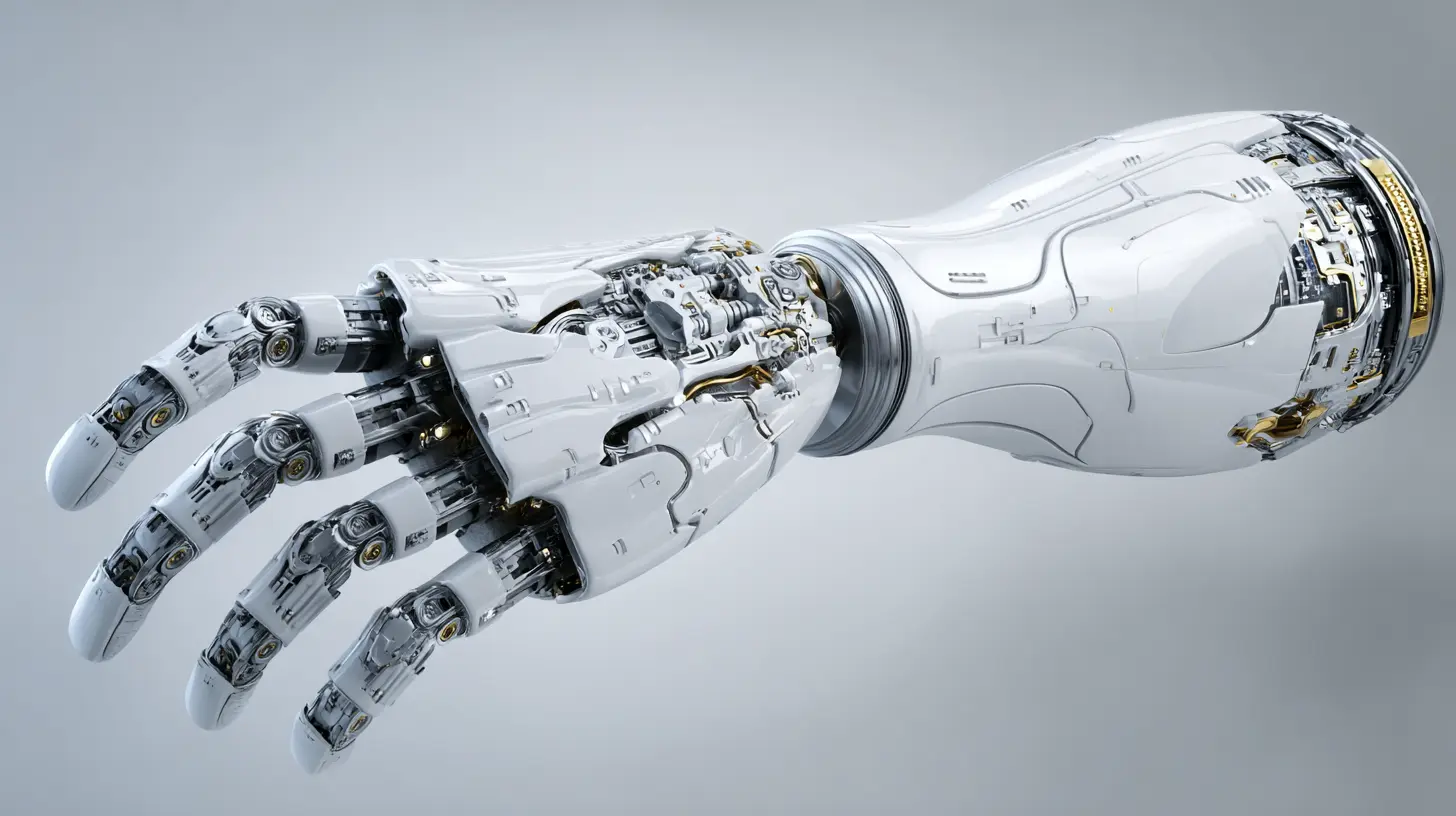
Let’s break this down. A bionic limb is a prosthetic designed not just to replace a body part but to actually function like one. These aren’t your grandpa’s wooden peg legs. We’re talking about devices powered by electronics, sensors, and artificial intelligence.These limbs can mimic the natural movement of an arm or leg, respond to brain signals, and in some cases, even feel sensations. They're like the Tesla of prosthetics—smart, responsive, and always improving through cutting-edge tech.
The Birth of Bionics: A Quick Look at the Past
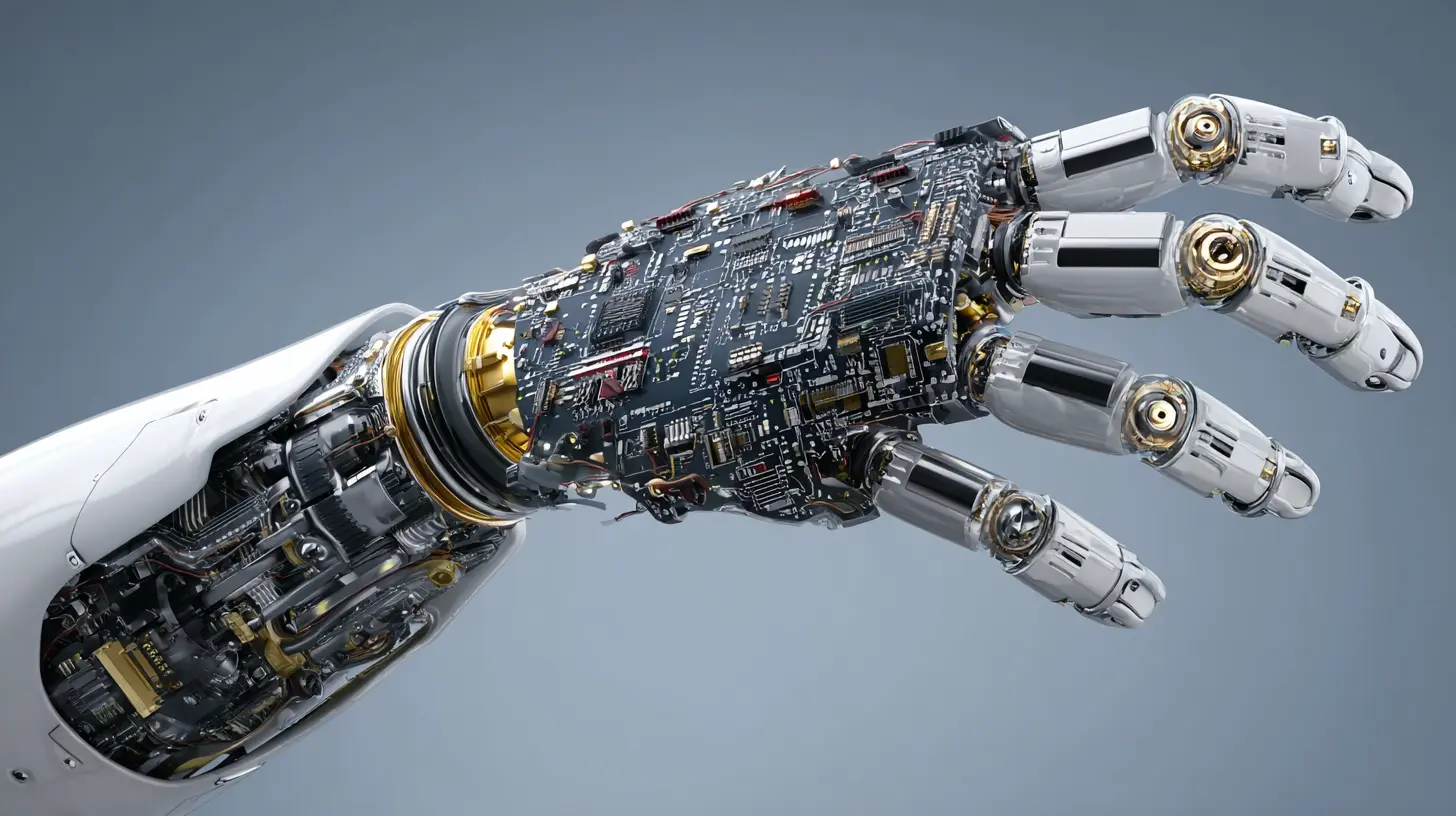
Before we leap into the future, let’s rewind for a sec.The earliest prosthetics were basic at best—wooden arms, metal hooks, and stiff, uncomfortable limbs that offered minimal movement. But over the past few decades, we’ve seen a tech revolution. The turning point? The integration of microprocessors, robotics, and biomechanics.
Suddenly, we had limbs that could bend naturally, grip objects, and walk with a stable gait. With the rise of 3D printing and machine learning, we now have personalized bionic limbs that not only look better but perform like the real deal.
How Do Bionic Limbs Actually Work?
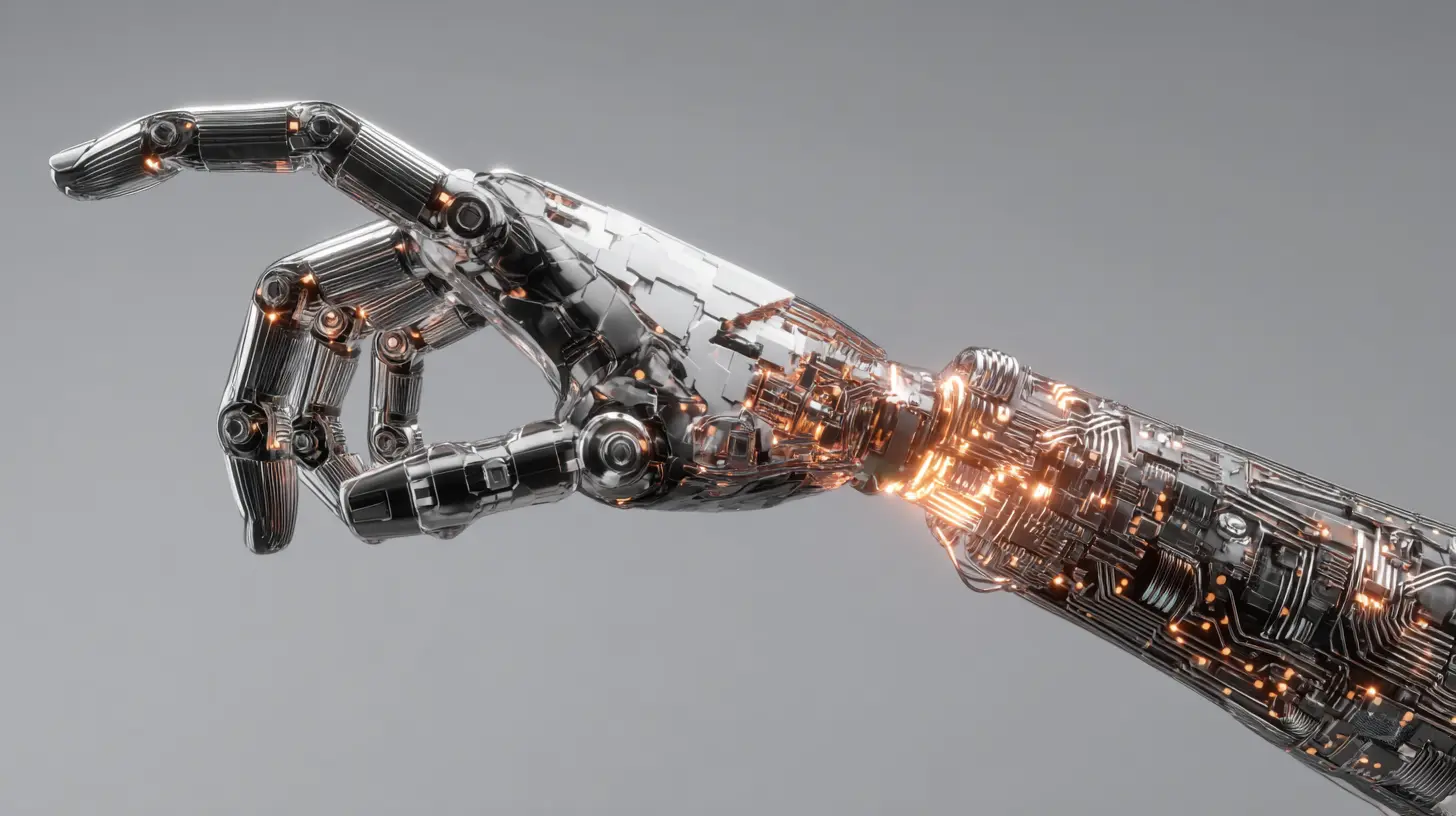
Good question! At the core of a bionic limb is a combination of hardware and software working in perfect harmony.Here's the basic process:
1. Sensors Pick Up Muscle Signals – When you think about moving your hand, tiny electrical impulses are sent to your muscles. Bionic limbs use sensors placed on the skin (or even implanted) to detect those signals.
2. A Computer Translates The Signals – Those muscle signals are sent to a microprocessor that decodes them into specific movements. Think of it as the brain of the prosthetic.
3. The Limb Moves Instantly – Motors in the prosthetic carry out the motion, whether it’s a wave, grip, or step. All of this happens in milliseconds.
And some cutting-edge systems even use AI to learn how you move, making the limb smarter over time.
Mind-Controlled Limbs: Fact, Not Fiction
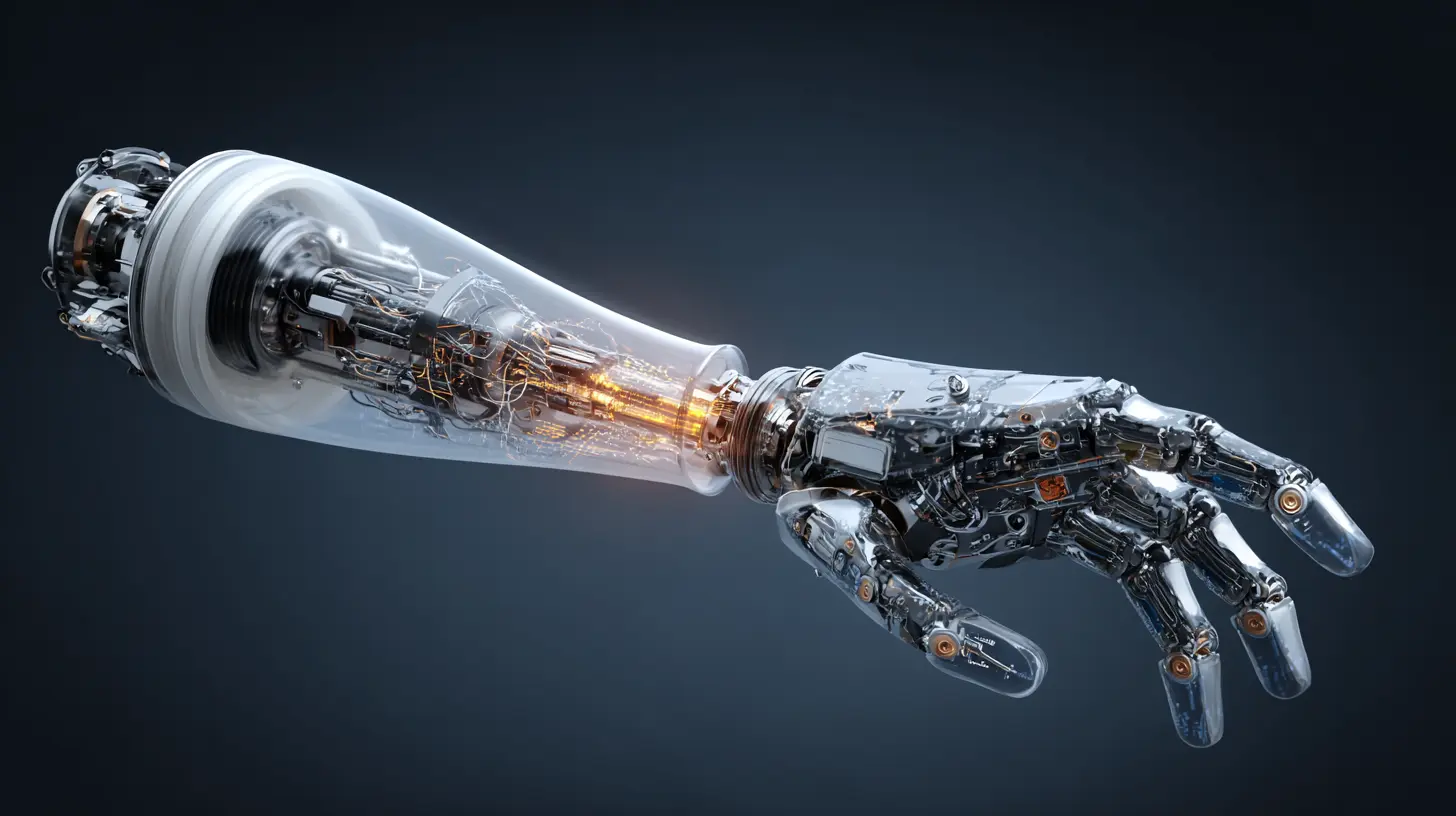
Remember watching movies like The Terminator and thinking, “Whoa, cool robot arms”? Well, welcome to reality. Today, mind-controlled bionic limbs are no longer just cool ideas—they’re walking, gripping, and typing among us.By using something called myoelectric control, prosthetics are now able to detect signals from the brain via nerves or muscles. Some researchers are even bypassing the muscles and going straight for the brain using Brain-Computer Interfaces (BCIs).
Yeah, that’s right—your thoughts can literally move a robotic limb. Spooky or amazing? You decide.
Sensory Feedback: Feeling the Future
One issue with traditional prosthetics? No sense of touch. You're holding a coffee cup, but you can't feel it. Awkward, right?Enter sensory feedback—a game-changer in the world of bionics. Engineers are now embedding sensors in prosthetics that send information back to the brain, mimicking the sensation of touch, pressure, or even temperature.
Imagine closing your eyes and still being able to feel the softness of a blanket or the cool surface of a glass. That’s not just functional—it’s emotional. Feeling is a huge part of what makes a limb truly yours.
Personalized Design Through 3D Printing
Let’s talk customization. No two bodies are the same, so why should prosthetics be one-size-fits-all?Thanks to 3D printing, bionic limbs can be tailored perfectly to each person’s body, needs, and even style. Want a sleek, metallic arm straight out of Marvel? You got it. Need a lightweight racing blade that fits your stride? Done and dusted.
This also means the prosthetics are more affordable and faster to produce. Instead of waiting months, users can get their custom-fit limb within weeks.
The Role of AI and Machine Learning in Bionics
AI is everywhere these days—your phone, your car, your Netflix recommendations. But it’s also revolutionizing bionic limbs.With machine learning, bionic limbs can analyze movement patterns, adjust to new tasks, and even predict motion. Over time, they “learn” how you move, making them more responsive and natural.
Think of it like this: It’s not just a tool anymore. It’s a co-pilot that adapts and evolves with you.
Real-Life Superpowers: Stories That Inspire
Let’s give this some human context.- Hugh Herr, an MIT professor, lost both legs to frostbite. He now wears bionic legs so advanced they can adjust stiffness and power in real-time depending on terrain. He climbs, walks, and speaks as a champion for bionic tech.
- Tilly Lockey, a young girl from the UK, received a pair of 3D-printed bionic arms with multi-grip functionality. Today, she’s not just living normally—she’s thriving and inspiring others through social media.
These folks aren’t just surviving with tech—they're thriving because of it.
Challenges Still on the Table
Let’s be real—it’s not all sunshine and Bluetooth connectivity. The road to true human-tech fusion is filled with speed bumps.- Cost – Advanced bionic limbs can cost tens of thousands of dollars. Insurance? Not always helpful.
- Accessibility – Many users, especially in developing countries, don’t have access to this technology yet.
- Battery Life – All these motors, sensors, and processors drain power fast.
- Durability – High-tech components can still be fragile, especially in rugged environments.
But with each passing year, these problems are being tackled head-on with better materials, smarter engineering, and broader awareness.
The Future of Bionics: What’s Next?
We’re just scratching the surface here. The future of bionic limbs looks like something out of a tech dream.- Neural Implants – Future prosthetics may plug directly into the nervous system for seamless mind control.
- Regenerative Bionics – Combining biology with tech, scientists aim to create limbs that can grow or self-repair.
- Wireless Charging – Say goodbye to battery anxiety with limbs that charge while you sleep or move.
- Augmented Abilities – We might even go beyond “normal” human function. Faster running, stronger grip—superhero stuff, really.
It won’t be long before bionic limbs aren’t just replacements—they’re upgrades.
Ethics: Just Because We Can, Should We?
Now, here comes the brain tickler.If we can build limbs that are stronger and better than the originals, should we allow it? Will this create a divide between those with enhanced bodies and those without? Are we entering a new era of “digital inequality”?
These are questions ethicists, scientists, and philosophers are already debating. Because as with any powerful tech, the implications go way beyond the science lab.
Wrapping It Up: Tech and Humanity, Hand in Hand
The story of bionic limbs is more than wires and algorithms. It's about hope. It's about redefining human potential—not despite our limitations but because of them.We’re watching technology not just solve problems but rewrite what’s possible. In 10, 20, or 50 years, we might look back and wonder how we ever lived with such boundaries.
So whether it's giving someone the ability to walk again, or helping an artist paint with a robotic hand, bionic limbs are proving one thing loud and clear: the future is not just coming—it’s here, and it has a heartbeat made of code.
all images in this post were generated using AI tools
Category:
Emerging TechnologiesAuthor:

Vincent Hubbard
Discussion
rate this article
2 comments
Oren Morrow
This article is so inspiring! It's amazing to see how bionic limbs are not just enhancing mobility but also changing lives. Technology truly has the power to bridge the gap between limitations and possibilities...
June 6, 2026 at 11:16 AM
Vincent Hubbard
Thank you for your kind words! I'm glad you found the article inspiring. Bionic limbs really are transforming lives in incredible ways.
Kenna Castillo
Bionic limbs challenge our understanding of what it means to be human. They blur the line between flesh and technology, prompting us to reconsider identity, capability, and the future of our physical existence.
May 14, 2026 at 3:06 AM
Vincent Hubbard
You raise a fascinating point. Bionic limbs do push us to rethink our identity and what it means to be human in a tech-driven world. It's an exciting, complex evolution.