How Drones are Improving Search and Rescue Operations
4 November 2025
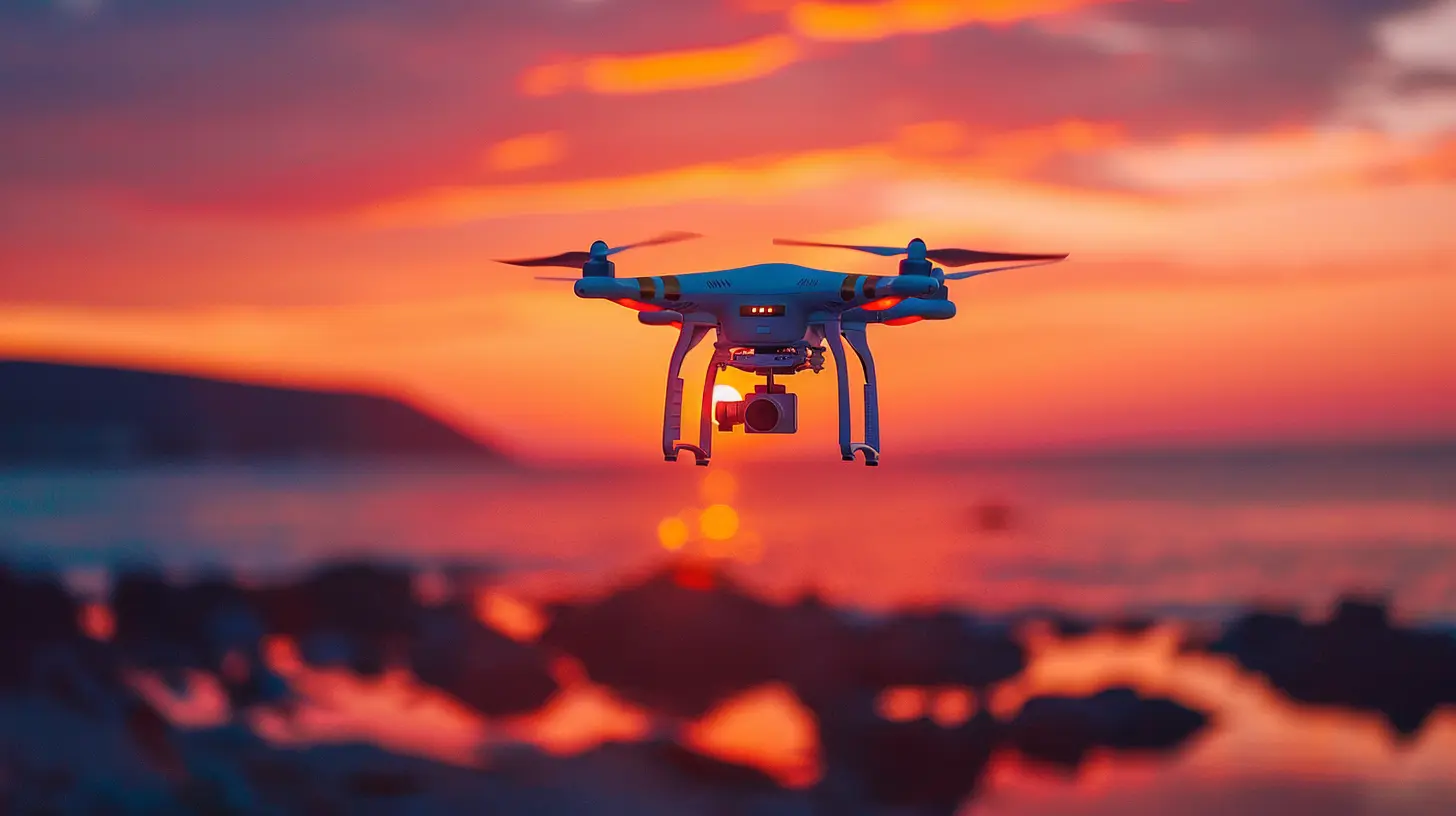
Technology has been reshaping the way we handle emergencies, and drones are leading the charge in search and rescue (SAR) operations. Gone are the days when rescuers had to rely solely on helicopters, ground teams, and sniffer dogs. Drones have become the eyes in the sky, helping save lives faster and more efficiently. But how exactly are they making such a big difference? Let’s dive in.
The Rise of Drones in Search and Rescue
Search and rescue missions are often a race against time. Whether it’s a lost hiker in a dense forest, a flood victim stranded on a rooftop, or an avalanche survivor buried under snow, every second matters. Traditional methods are effective, but they come with challenges—high costs, limited accessibility, and the risk to rescuers themselves.This is where drones step in. They’re fast, cost-effective, and can access dangerous or unreachable areas without putting human lives at risk. Over the past decade, drones have gone from being just cool gadgets to life-saving tools used by emergency responders worldwide.
How Drones Enhance Search and Rescue Efforts
1. Faster Deployment, Quicker Response
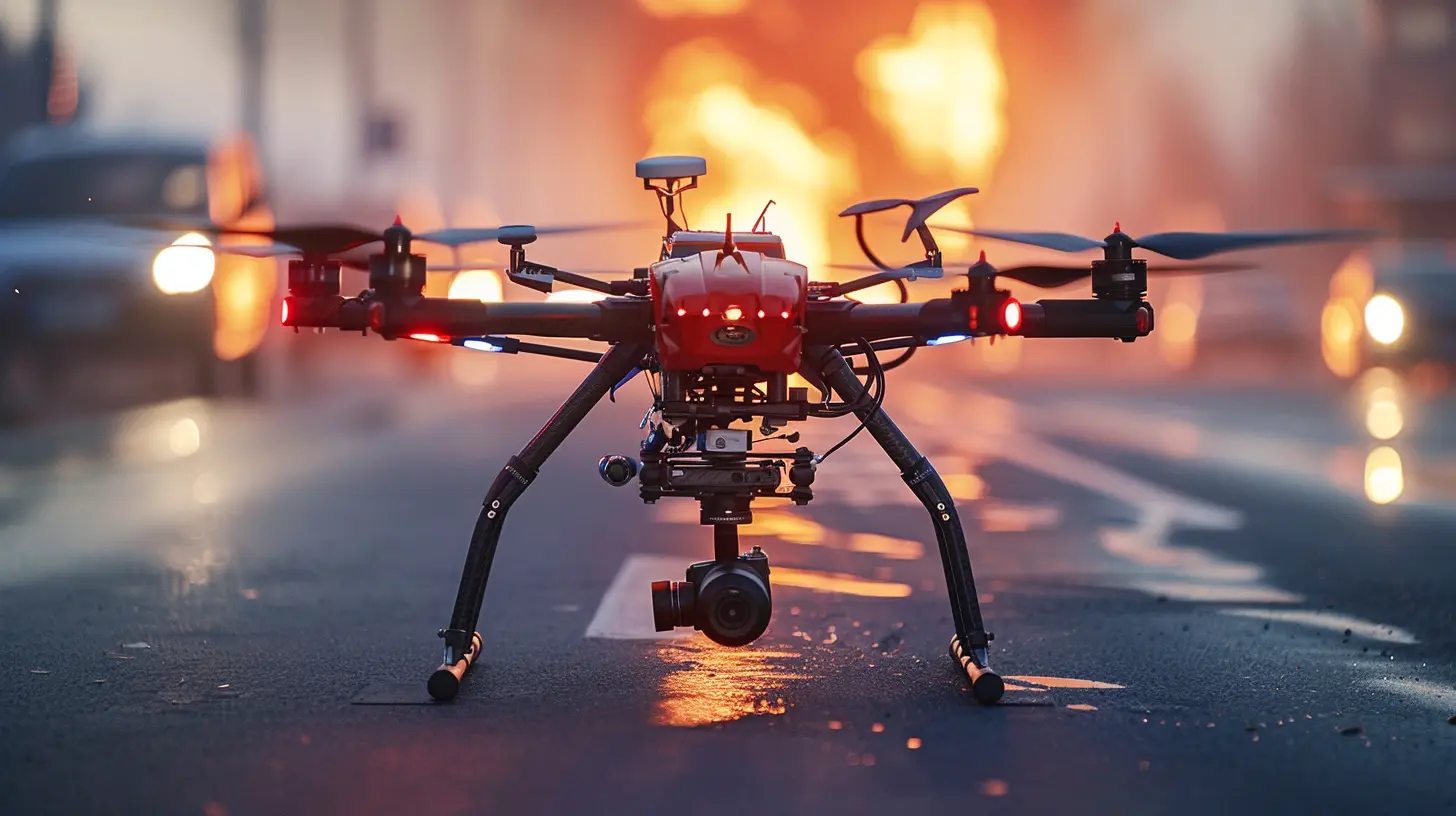
When an emergency happens, time is the most precious resource. Helicopters take time to arrive, and ground teams can be slowed down by rough terrain. Drones, on the other hand, can be deployed within minutes, giving rescuers immediate aerial insights.Imagine a missing child in a large park. Instead of organizing large search parties that could take hours, a drone can cover vast areas in minutes, dramatically increasing the chances of a successful rescue.
2. Reaching Inaccessible Areas
Some places are just too dangerous for rescuers to go. Whether it’s a collapsed building after an earthquake, a raging wildfire, or treacherous mountains, drones can safely navigate these environments without risking human lives.Equipped with high-resolution cameras, infrared sensors, and even night vision, drones can search through debris, peer through heavy smoke, and detect heat signatures of trapped individuals—capabilities that would otherwise require significant manpower and resources.
3. Thermal Imaging for Night and Low-Visibility Conditions
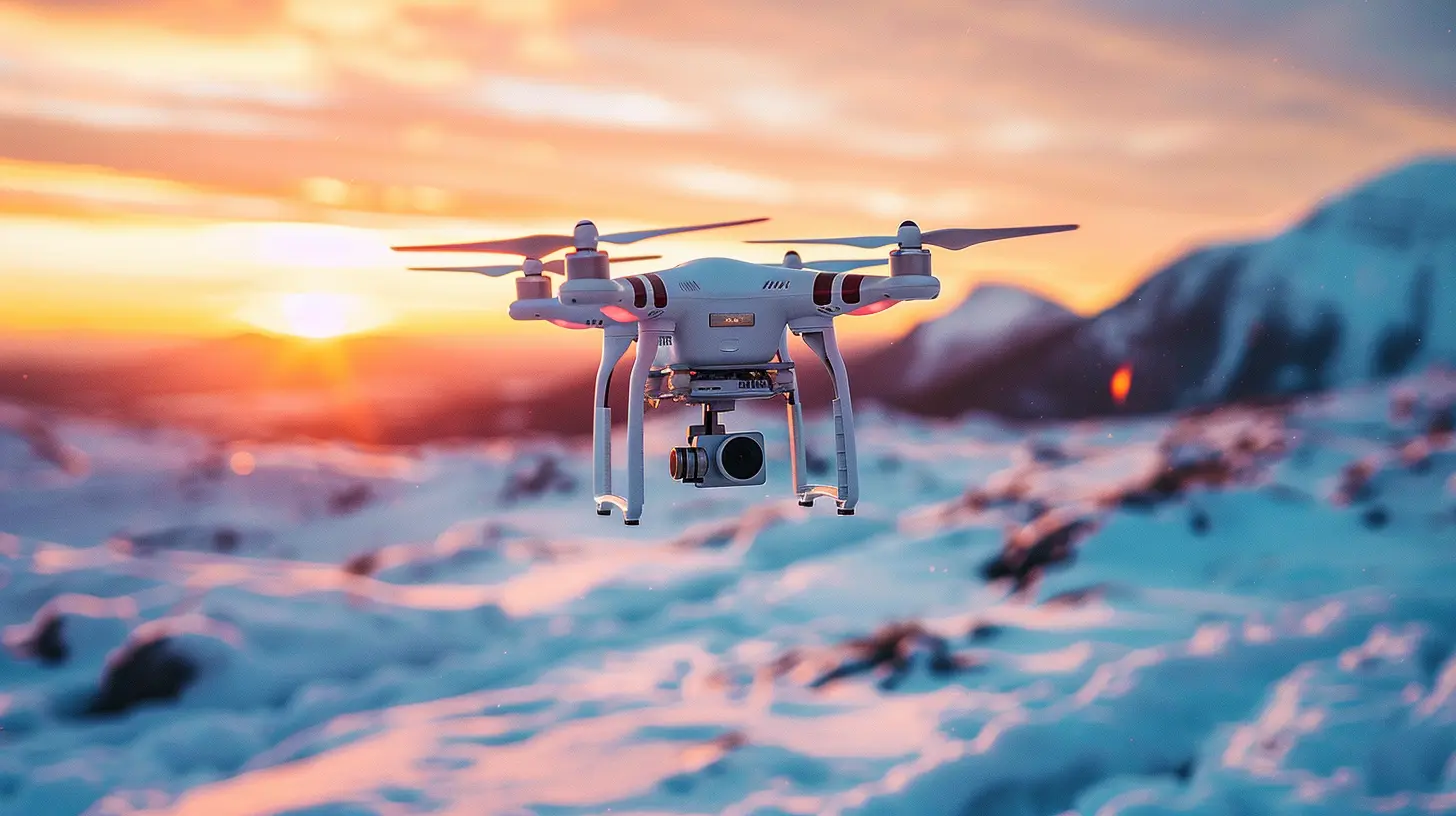
Disasters don’t follow a 9-to-5 schedule. Many search and rescue missions happen at night or in poor visibility conditions, making it nearly impossible for rescuers to locate victims.Drones equipped with thermal imaging cameras can detect body heat, allowing rescuers to find people even in complete darkness or under dense foliage. This makes them indispensable in situations like forest rescues, avalanche recoveries, or flood operations where visibility is limited.
4. Cost-Effective Alternative to Traditional Methods
Helicopter rescues are expensive—fuel, maintenance, and crew costs add up quickly. Not to mention, deploying helicopters isn’t always feasible in certain conditions.Drones, on the other hand, are a fraction of the cost. They don’t require large crews, they’re easy to operate, and they can stay airborne for extended periods without burning a hole in emergency response budgets. This saves valuable resources while still getting the job done efficiently.
5. Real-Time Data and Live Streaming
One of the biggest advantages of drones is their ability to provide real-time footage. Rescuers can assess the situation instantly, adjusting their strategies based on live data rather than relying on outdated maps or estimations.For example, during a flood, drones can livestream footage to emergency response teams, helping them determine the safest evacuation routes and pinpointing stranded individuals in need of urgent rescue.
6. Supply Delivery in Emergency Situations
Sometimes, rescuers can’t reach victims right away. In cases where someone is trapped under rubble or stranded in a remote location, drones can deliver life-saving supplies like water, food, first-aid kits, or even communication devices.This is especially useful in disaster-prone areas where infrastructure gets destroyed, making it impossible for ground teams to navigate through debris.
7. Coordination with Other Search and Rescue Teams
Drones aren’t just for scanning and locating victims—they also play a key role in coordinating with other emergency response teams. They can map out affected areas, help strategize rescue plans, and ensure that resources are allocated where they are needed most.For instance, during a wildfire, drones can track the fire's movement, helping firefighters determine safe passages and guiding evacuees away from danger.
Real-Life Rescue Stories Using Drones
Drones are already proving their worth in real-world scenarios. Here are a few incredible examples:- Thailand Cave Rescue (2018): When a group of young soccer players got trapped in a cave due to rising water levels, drones were used to map entry points and guide divers through the complex tunnels.
- Texas Hurricane Harvey (2017): Drones were deployed to assess flood damage, locate stranded residents, and assist in relief operations.
- Avalanche Rescue in Switzerland: Rescuers used thermal drones to locate skiers buried under snow, dramatically increasing survival chances.
These are just a few cases, but drones continue to revolutionize SAR efforts globally, saving countless lives every year.
Challenges and Limitations of Drones in SAR
As great as drones are, they do have some challenges:- Limited Battery Life: Most drones can only fly for 30-40 minutes before needing a recharge. This can be an issue in prolonged search missions.
- Weather Dependency: Strong winds, rain, and extreme temperatures can interfere with drone performance.
- Regulatory Restrictions: Many regions have strict drone regulations that can delay deployment during emergencies.
- Signal Interference: Operating in dense urban areas or disaster zones with heavy radio interference can disrupt drone signals.
Despite these limitations, advancements in drone technology are continuously improving their efficiency and reliability in SAR operations.
The Future of Drones in Search and Rescue
The future looks bright for drones in search and rescue. Innovations such as AI-powered drones, autonomous navigation, and improved battery life are making drones even more powerful in emergency situations.Soon, we might see drones equipped with robotic arms to carry out rescues, drones that can communicate with lost individuals, and even swarm drones working together to cover larger areas.
With technology evolving at lightning speed, drones will only become more crucial in saving lives and transforming the way we handle disasters.
Final Thoughts
Drones have already proven their worth in search and rescue operations, and their role will only grow as technology advances. They make rescues faster, safer, and more cost-effective while giving emergency responders a crucial edge in life-or-death situations.While challenges remain, the benefits far outweigh the drawbacks. As drone technology continues to evolve, we can expect even more life-saving innovations in the years to come.
So, the next time you see a drone soaring above, remember—it might just be on a mission to save a life.
all images in this post were generated using AI tools
Category:
DronesAuthor:

Vincent Hubbard
Discussion
rate this article
1 comments
Jonah Luna
Drones revolutionize search and rescue, enhancing efficiency and saving lives in critical situations.
November 4, 2025 at 4:56 AM
Vincent Hubbard
Thank you! It's inspiring to see how drones are transforming search and rescue efforts, making them faster and more effective in saving lives.