How Drones Are Used in Disaster Relief Efforts
12 December 2025
Let's face it—when things go sideways, like Mother Nature throwing a tantrum or when humans make a mess (again), we need a superhero response. Enter drones. No capes. No tights. Just propellers, cameras, and a knack for flying into chaos with zero complaints.
In recent years, drones have gone from fun flying toys to full-blown rescue-sidekicks. And no, we're not just talking about snapping selfies from above or delivering your double-cheese pizza (though, shoutout to pizza drones). These flying gizmos are now at the forefront of disaster relief efforts—and they’re doing a stellar job at it.
So buckle up. Or rather, secure your rotors. This is going to be a wild—and slightly hilarious—ride into how drones are flexin’ in catastrophe zones like pros.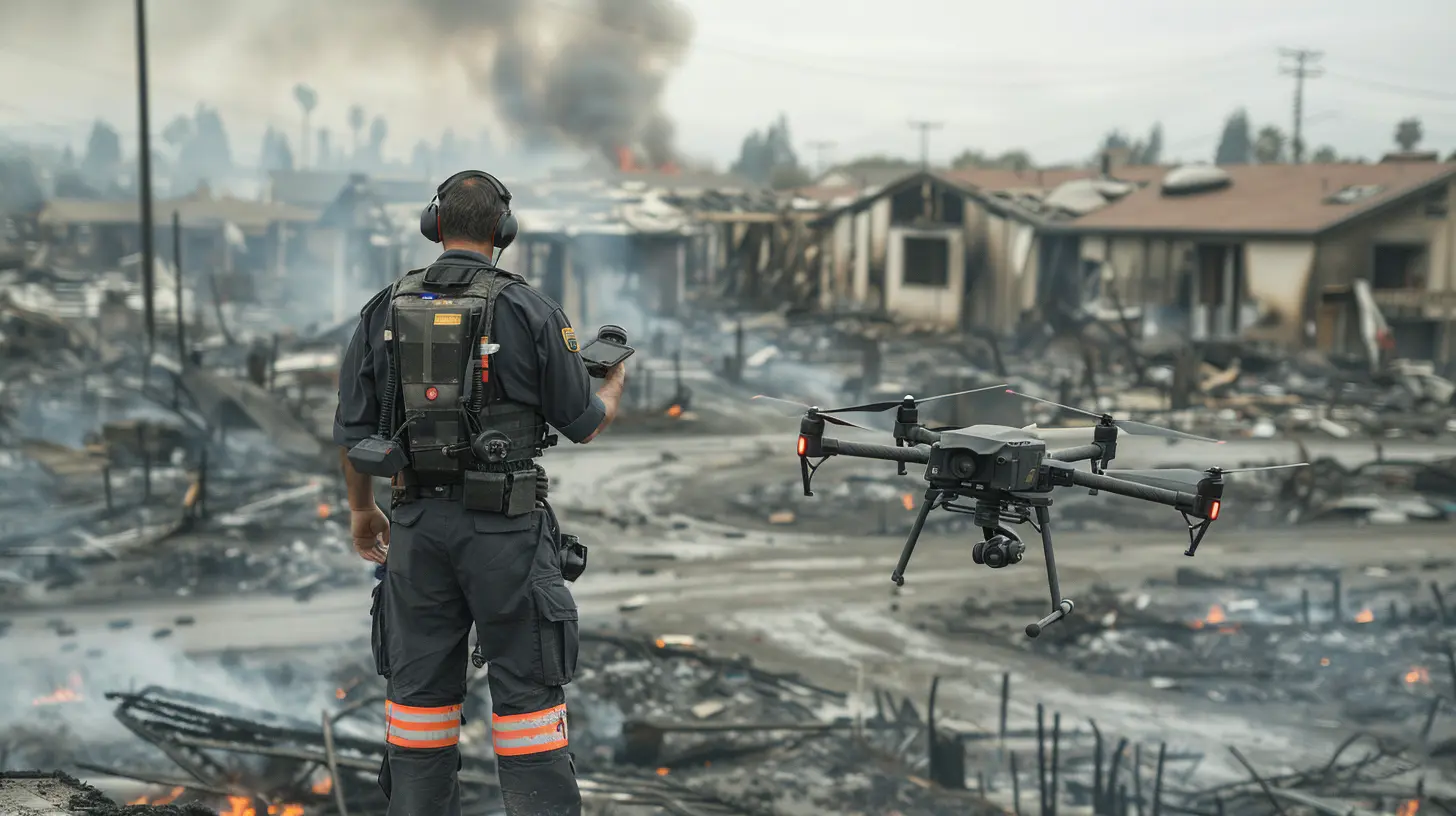
Table of Contents
1. Drones: The Avengers of Disaster Relief2. Surveying the Scene: Eyes in the Sky
3. Search Missions Without the Drama
4. Aid Delivery Missions—By Air!
5. Communication Hacks When the Grid Goes Boom
6. Mapping Mayhem in Minutes
7. Thermal to the Rescue—Literally
8. Training Rescue Teams Like Video Gamers
9. A Few Surprising Uses You Didn't See Coming
10. What’s Holding Drones Back?
11. The Future? Think Iron Man, But Smaller
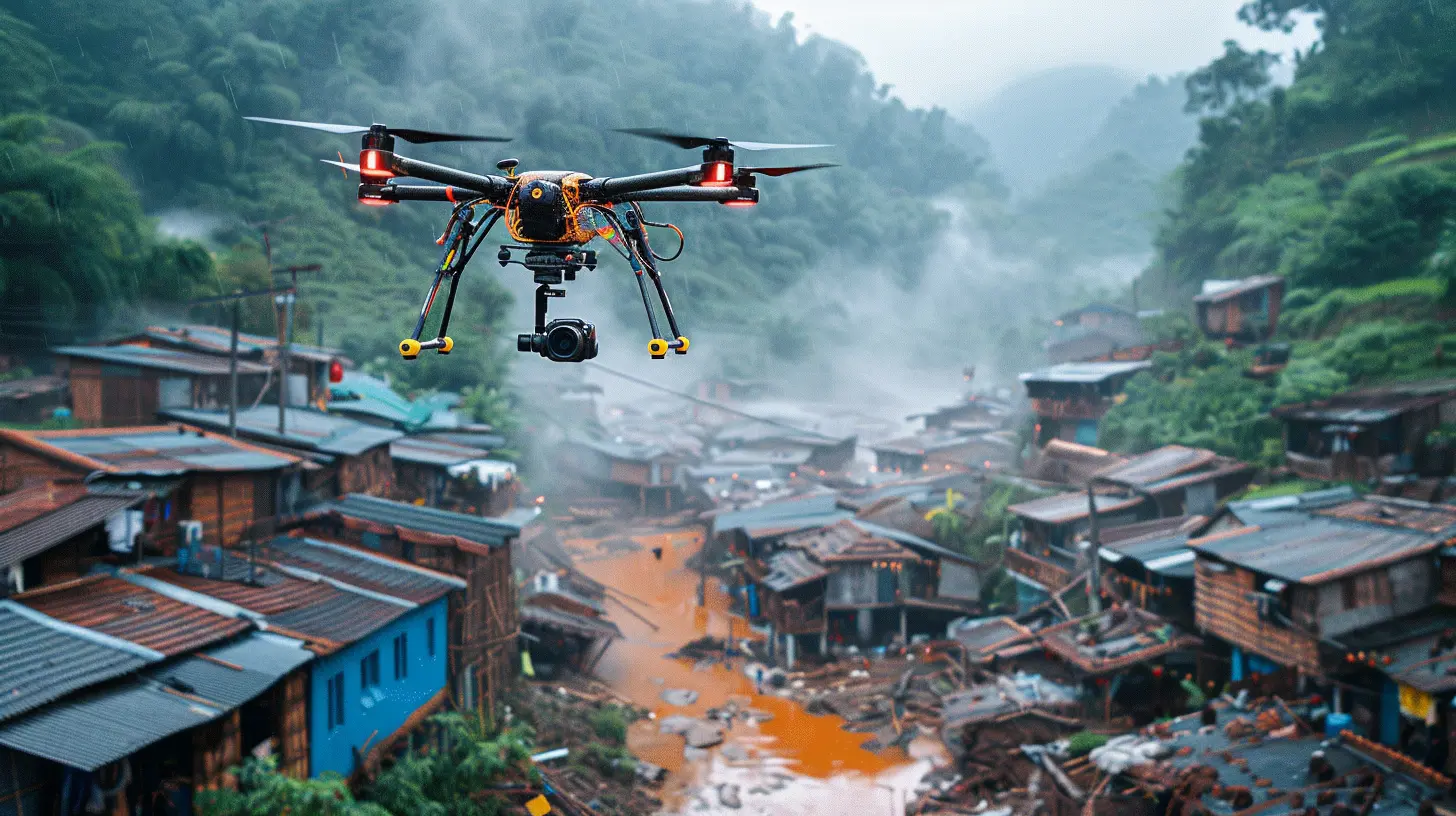
Drones: The Avengers of Disaster Relief
Okay okay, so drones can’t fight aliens. Yet. But in the world of disaster relief, they’re certainly saving the day.When disaster strikes—a hurricane, earthquake, wildfire, or even a zombie apocalypse (kidding… mostly)—speed, safety, and coordination are key. And who better to swoop in than a flying robot that doesn’t need sleep, snacks, or bathroom breaks?
Drones have become essential tools for emergency response teams, NGOs, government agencies, and even average folks with the right certifications. They’re portable, quick, and, dare we say, kinda cool.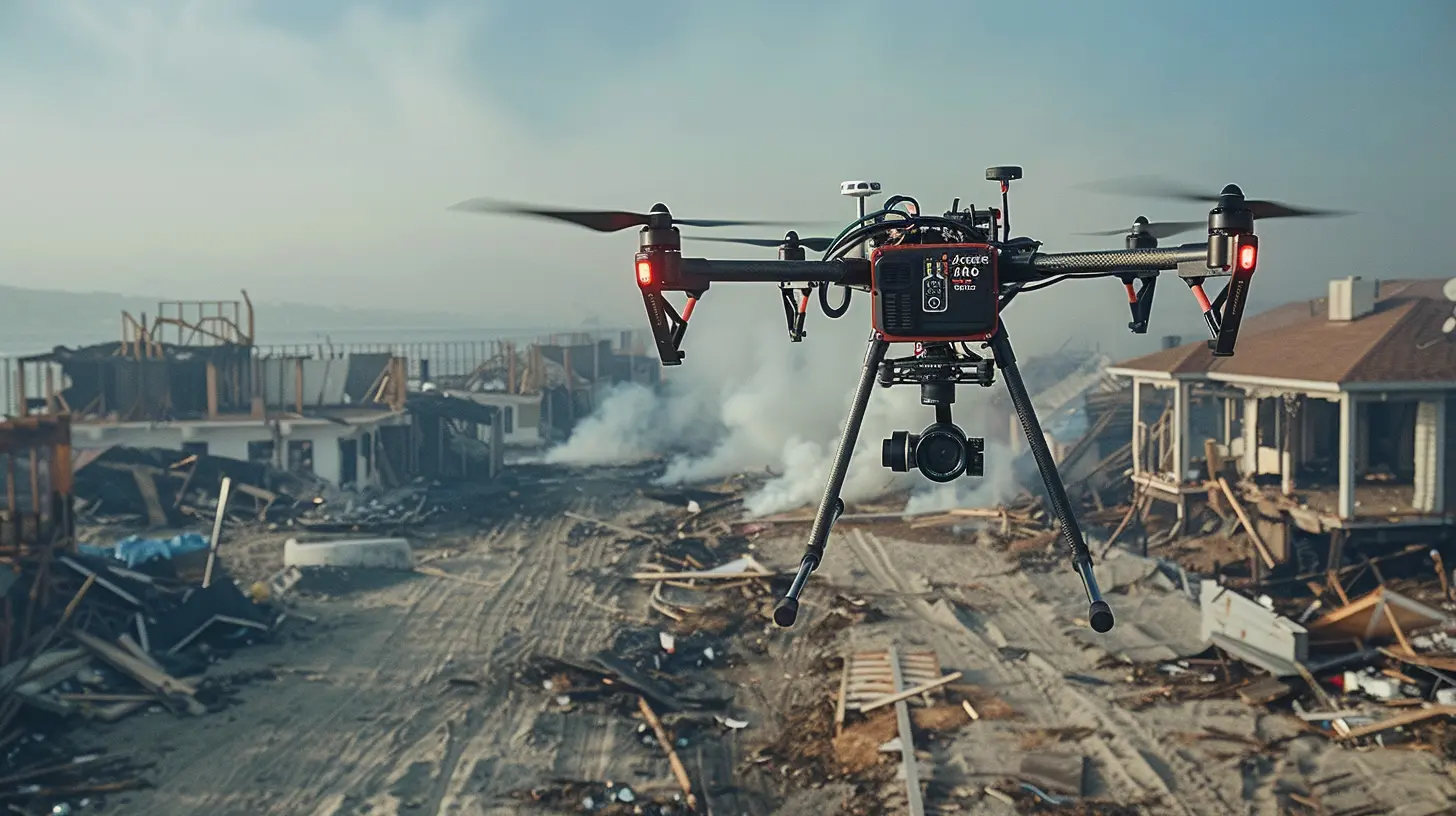
Surveying the Scene: Eyes in the Sky
Picture this: a massive flood hits a city. Roads are underwater, cars are floating like sad metal ducks, and people are stranded on rooftops waving white shirts. Getting a helicopter in? Expensive, risky, and slower than a grandma on roller skates. A drone, though? Boom. Launched in minutes. Flying over the chaos and live-streaming high-definition footage straight to responders.Drones are basically floating cameramen. They provide rapid situational awareness so responders can make informed decisions. Who needs a thousand boots on the ground when you’ve got 4 propellers in the air?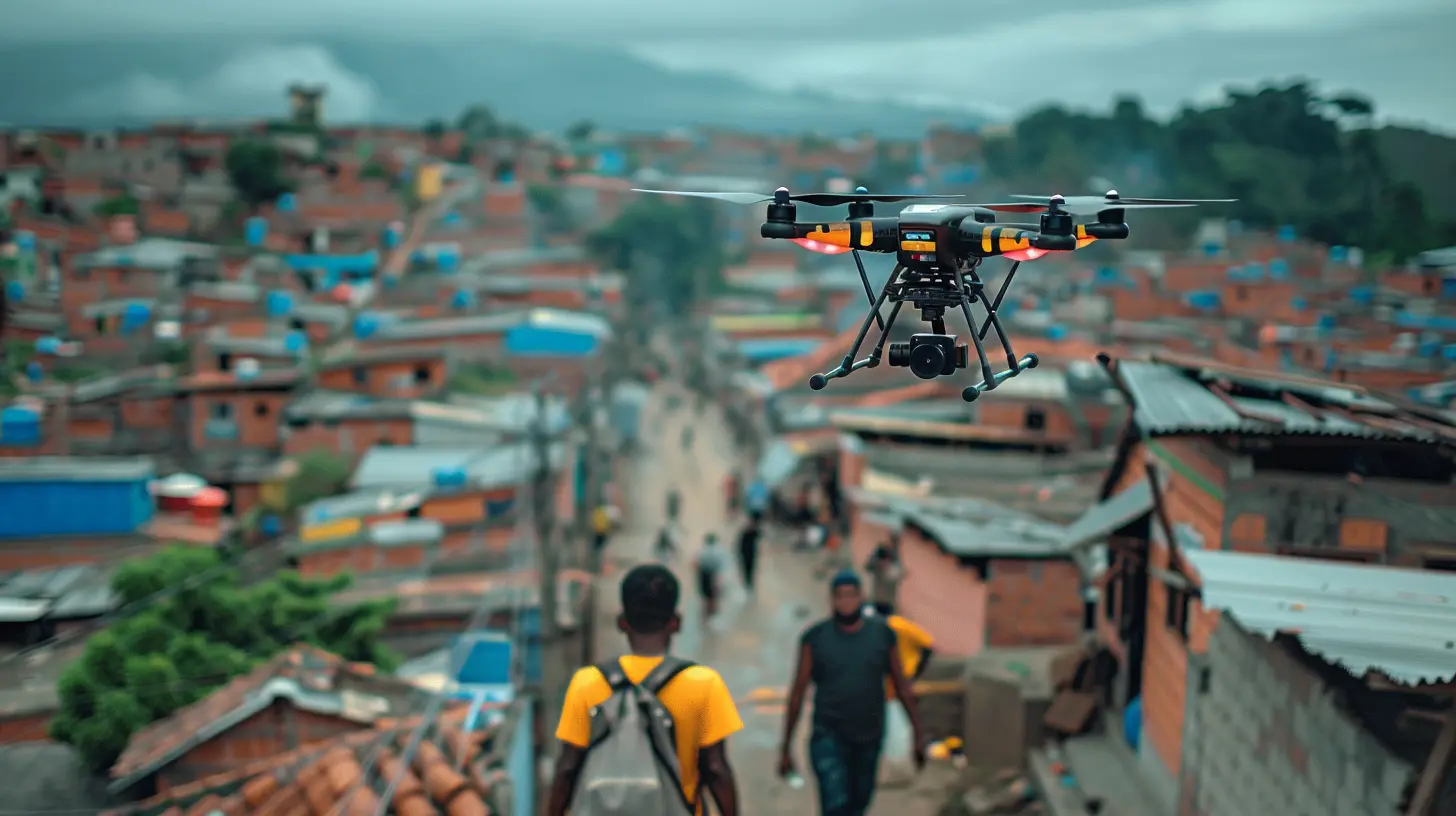
Search Missions Without the Drama
Search-and-rescue isn’t always as glamorous as it looks in the movies. There’s mud. There’s chaos. And often, not enough people to cover a vast disaster zone. That’s where drones step in like unpaid interns with an attitude of "don’t worry, I got this."Equipped with night vision or thermal imaging, drones can spot heat signatures of survivors—even in pitch darkness or thick smoke. That means finding people faster and saving more lives, all without risking human rescuers.
Bonus: drones don’t complain about walking 10 miles through the rainforest.
Aid Delivery Missions—By Air!
So, you’ve found the stranded folks. Now they need supplies—food, water, maybe a phone charger (because, priorities). But what happens when roads are toast?Simple: a drone drops off a care package like a robotic Santa Claus. From a safe, hovering position, drones can deliver emergency medicine, blankets, medical kits, and even mini blood packs to isolated areas.
And yes—the drone delivery guy never misses your house.
Communication Hacks When the Grid Goes Boom
If you’ve ever lost Wi-Fi for 10 minutes, you know how quickly society unravels. Now imagine a full power and network blackout after a disaster. Scary stuff.But here's where drones go full MacGyver. Some larger drones are equipped as flying mini cell towers. They can temporarily restore connectivity, helping emergency teams coordinate and letting people say, “Hi mom, I’m alive!” instead of sending up smoke signals.
It’s like giving the internet wings.
Mapping Mayhem in Minutes
After disaster clashes with geography, maps become outdated fast. Bridges collapse. Rivers reroute. Buildings crumble like sad Jenga towers. Using photogrammetry (a fancy word for creating maps from photos), drones can generate up-to-date 3D maps of the chaos below.This is crucial for coordinating evacuations, planning relief routes, and basically understanding “what the heck just happened.” Think of it as Google Maps, but faster and way more hardcore.
Thermal to the Rescue—Literally
Thermal cameras are the night-vision goggles of rescue work. They detect heat and show where human bodies are hiding—even under rubble, in forested areas, or when it's just too smoky to see.Drones with thermal tech can fly over areas and find lost people, trapped pets, or even spot smoldering hotspots in wildfires to prevent flare-ups. Honestly, it's a bit like having Superman’s x-ray vision, minus the spandex.
Training Rescue Teams Like Video Gamers
You ever try flying a drone? It's kinda like playing a video game on expert mode, but the stakes are way higher.Rescue agencies now use VR drone simulators to train pilots. That’s right—gamified disaster training. So next time someone tells you gaming has no real-life application, point them to a drone pilot saving lives using skills learned in a simulator. Take that, Aunt Karen.
A Few Surprising Uses You Didn’t See Coming
Alright, now we’re entering did-that-really-happen?! territory. Here are a few offbeat but real ways drones are making waves:- Dropping life vests: Near drowning victim in rough waters? Drone flies in like Baywatch, drops a floatation device, and buys time till help arrives.
- Evacuating pets: In one instance, small drones helped guide trapped animals out of disaster zones. Lassie 2.0, but airborne.
- Broadcasting alerts: Forget megaphones. Drones with loudspeakers can hover and instruct crowds during evacuations.
Basically, if you can stick it on a drone—someone’s tried it in a crisis.
What’s Holding Drones Back?
Now, we love drones. We really do. But they’re not flawless little angels.For one, battery life is shorter than your average TikTok attention span. Most consumer drones run for about 30 minutes max. Not ideal when you're in a time-crunch apocalypse.
Then there’s regulation madness. Every country has different drone laws. Some make total sense. Others feel like they were written by a caveman afraid of flying rocks.
Also—weather is their kryptonite. High winds, rain, snow? Drones don’t like it. They're more sensitive than a cat in the bathtub.
The Future? Think Iron Man, But Smaller
Alright, let’s put on our tinfoil hats and dream a little.What if, in the future, we had swarm drones that work like a robotic ant colony—each with a task and all communicating in real time?
Or AI-driven drones that detect survivors, predict dangers, and coordinate everything faster than a human ever could?
Maybe we’ll reach the point where every city has a drone first responder system in place. See fire? Call drone. Someone trapped? Drone’s already on it.
If that’s not innovation with wings, I don’t know what is.
Final Thoughts (And Propeller Hugs)
So next time you hear that high-pitched buzz in the sky, don’t just assume it’s someone messing around with a camera drone hoping to go viral on Instagram. It might just be saving lives, solving chaos, or helping someone find their lost dog after a tornado.We’ve stepped into a future where help literally flies in.
And honestly? That’s kind of beautiful.
all images in this post were generated using AI tools
Category:
DronesAuthor:

Vincent Hubbard
Discussion
rate this article
2 comments
Pandora McGuffin
Drones in disaster relief? Talk about a high-flying hero! 🦸♂️🚁 These little gadgets aren’t just for cool photos—they’re saving lives by delivering supplies and scouting danger zones. Who knew our future sidekicks would come from the skies instead of a superhero movie? ✈️✨
December 26, 2025 at 5:53 AM
Vincent Hubbard
Absolutely! Drones are revolutionizing disaster relief by providing rapid assistance, delivering supplies, and assessing dangerous areas, proving they are true heroes in the sky.
Jonah McNeal
What an inspiring read! Drones are truly transforming disaster relief efforts, bringing hope and aid where it's needed most. Their innovation and impact are simply amazing! Keep up the great work!
December 15, 2025 at 8:18 PM
Vincent Hubbard
Thank you so much for your kind words! I'm glad you found the article inspiring. Drones are indeed making a significant difference in disaster relief!