How Electric Cars Are Changing the Way We Commute
15 December 2025
Let’s face it — the way we get around is shifting fast. You can feel it every time you see a new charging station pop up at a gas station or parking lot. Electric cars (EVs) aren’t just a passing trend; they’re shaking up the way we think about commuting, driving, and even owning a car.
We’re in the middle of a transportation revolution, and EVs are leading the charge (pun absolutely intended). Whether you're a daily commuter, a road trip lover, or someone just trying to save on gas, there’s no ignoring how electric vehicles are transforming the road ahead.
In this article, we’re going to dive into how electric cars are changing the way we commute — from costs and convenience to sustainability and tech. Buckle up; it's going to be a fun ride.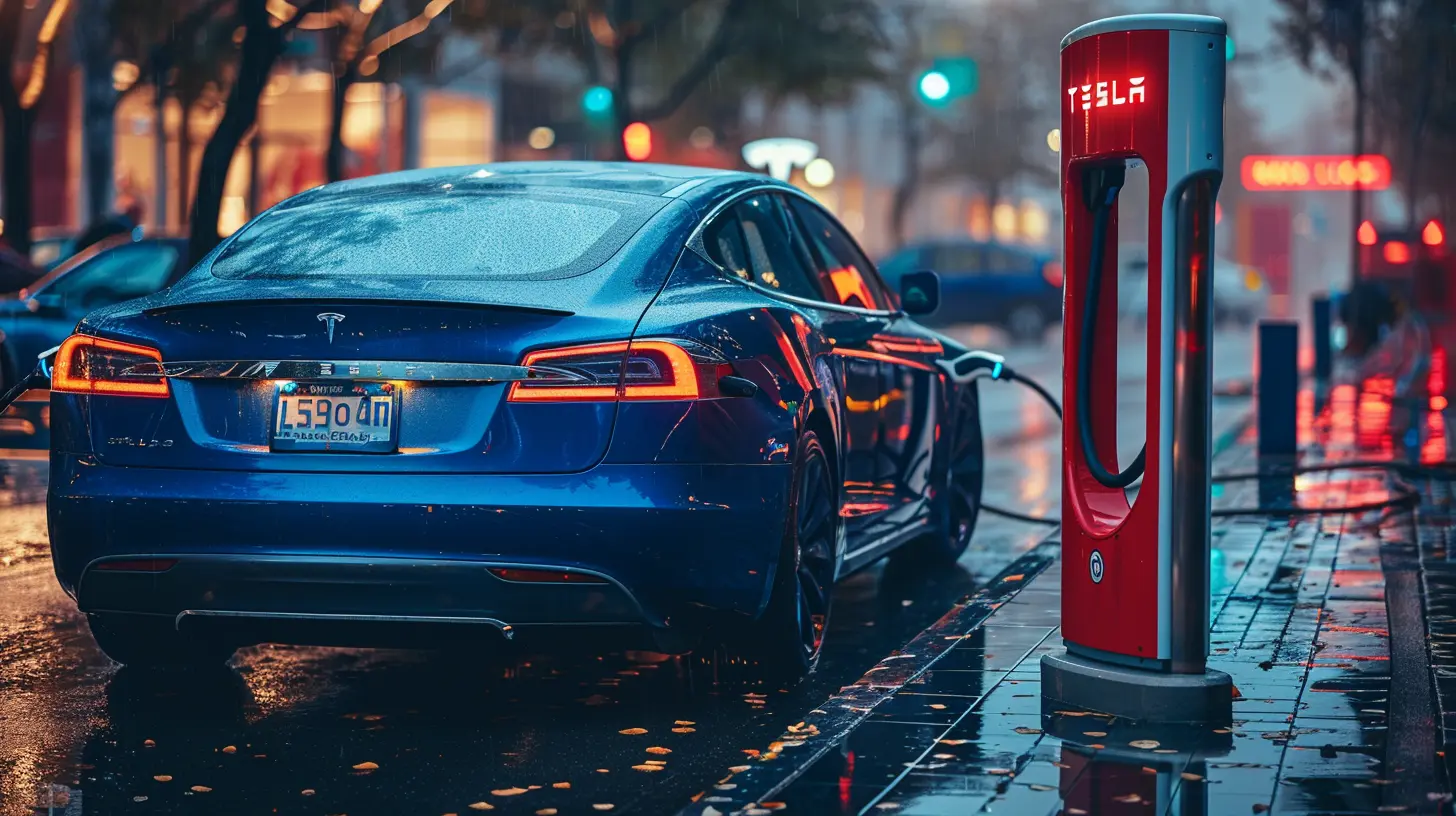
The Rise of Electric Cars: Not Just a Fad
Electric vehicles used to be a niche. Remember the first-generation hybrids? They were cool, but a bit clunky. Fast forward a few years, and you’ve got sleek Teslas, the Ford Mustang Mach-E, Rivians cruising around, and even electric pickup trucks rolling off assembly lines.So what changed? For starters:
- Battery technology improved big time
- Charging infrastructure expanded
- Governments pushed for greener alternatives
- Consumers started caring more about sustainability
EVs are no longer just for early adopters or environmentalists. Now, they make practical sense for the average commuter. And that’s where the biggest change is happening.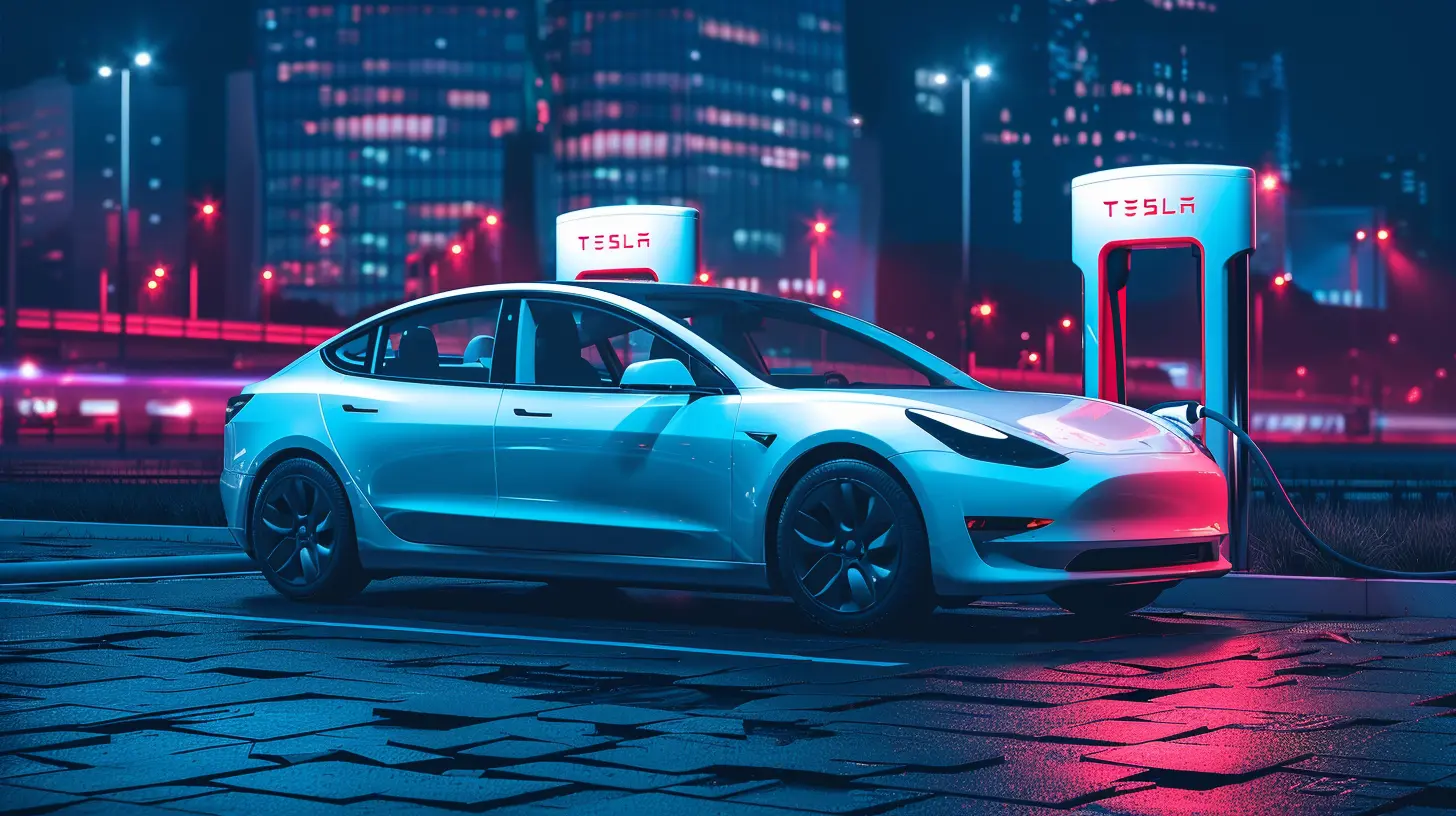
Say Goodbye to Fuel Stops
If you’re used to budgeting for gas every week, switching to an electric car feels like magic. Imagine waking up every morning with a “full tank” — just from plugging in at home the night before. No more weekly trips to the gas station, no more fluctuating fuel prices, no more fumes.EVs let you cut fuel costs drastically. According to the U.S. Department of Energy, the cost to drive an electric vehicle is typically about half (sometimes even less) than a gas-powered car. And that adds up over time — especially if you’re putting mileage on your commute.
What About Range Anxiety?
One of the biggest hurdles for people considering electric cars is range anxiety — the fear of running out of juice on the road. But that’s becoming less of a problem every year. We're seeing:- Improved range (some EVs go 300+ miles on a charge)
- More fast-charging stations (yes, even in rural areas)
- Real-time apps that help plan charging stops
Today’s EVs are more than road-trip ready. The infrastructure is catching up fast, and soon, finding a charger may be just as easy as finding a gas pump.
Maintenance? What Maintenance?
Let’s talk about headaches.Internal combustion engines (ICE vehicles) are notoriously complex. Oil changes, timing belts, spark plugs, mufflers — it’s a whole checklist of things that can go wrong. Electric cars? Not so much.
Why? Because EVs have:
- Fewer moving parts
- No oil to change
- Regenerative braking that reduces wear on brake pads
That means fewer trips to the mechanic and more money in your pocket. For commuters who rack up miles, that lower maintenance cost is a game-changer. In fact, according to Consumer Reports, EV owners typically spend 50% less on maintenance and repairs over the life of their vehicle.
Commuting Gets Smarter
EVs aren’t just electric — they’re smart. Built-in tech is redefining what it means to “just drive to work.” Features like:- Autopilot and self-driving modes (looking at you, Tesla)
- Over-the-air software updates
- AI-enhanced traffic predictions
- Voice assistants and personalized settings
This isn’t just about convenience; it's about making your commute more efficient and less stressful.
Ever been stuck in bumper-to-bumper traffic? Imagine your EV subtly adjusting the cruise control, staying in lane, and reducing fatigue on your morning drive. That’s not the future — it’s happening now.
Environmental Impact: A Cleaner Commute
Let’s not forget the elephant in the room — climate change. Transportation is a huge contributor to greenhouse gas emissions. Swapping your gas guzzler for an EV is one of the most impactful personal choices you can make to lower your carbon footprint.Here’s the simple math: EVs produce zero tailpipe emissions. That means:
- Cleaner air in cities
- Less dependency on fossil fuels
- Lower noise pollution (they're eerily quiet, right?)
Even when accounting for electricity production (yes, coal still exists), EVs come out ahead in most regions. And as power grids shift to renewable energy, the environmental benefits only grow over time.
Charging Up: New Routines, New Habits
Here’s where things get interesting. Driving an electric car doesn’t just change your ride — it changes your routine.Instead of planning around gas stations, EV drivers learn to “top off” their battery whenever they’re parked: at home, at work, or at the grocery store. Public chargers are getting faster too. Some can give you 80% charge in under 30 minutes — just enough time for a coffee break.
This shift also means commuters are adapting. Charging becomes part of your daily life, kind of like charging your phone at night. It’s less about “refuelling stops” and more about “always staying charged.”
The Workplace is Adapting Too
Employers are catching on. Many workplaces now offer EV chargers in their parking lots. Why? Because it's a win-win:- Employees love it — it’s a perk
- It supports corporate sustainability goals
- It encourages green commuting
In fact, offering EV charging can boost morale and even attract talent. So your next job might come with car charging as part of the benefits package. Pretty cool, right?
Affordability: Is Now the Right Time to Buy?
Good question. Yes, EVs often come with a higher sticker price — for now. But the gap is shrinking fast. And when you factor in tax incentives, fuel savings, and lower maintenance, the total cost of ownership can actually be lower than a gas car.Plus, we’re seeing more affordable models hitting the market. EVs are no longer just luxury items — brands like Nissan, Hyundai, and Chevy are offering solid options under $35,000.
And let’s not forget the used market. As more EVs hit the road, a whole wave of certified pre-owned electric cars is making it even easier (and cheaper) to switch.
The Future of Commuting: Autonomous + Electric
Want to peek into the future? It’s electric — and driverless.EVs and autonomous vehicles go hand in hand. Because electric cars are more compatible with sensor systems, onboard computers, and self-updating software, they’re paving the way for a new kind of commuting:
- Cars that drive themselves to work
- Subscription-based car services instead of ownership
- Fleets of electric shuttles replacing buses and taxis
It’s not science fiction; it’s coming sooner than you think. Cities around the world are already testing autonomous EVs in real-world conditions.
So yeah, your daily grind might look very different in the next decade.
Challenges Still on the Road Ahead
Alright, it’s not all sunshine and superchargers. There are still some bumps in the road:- Charging infrastructure is uneven in rural areas
- Battery recycling is a growing concern
- Electricity grid demand could spike as EV numbers grow
But the good news? These are solvable problems. Governments, automakers, and startups are all pouring resources into making EVs more reliable, accessible, and sustainable.
And like any major shift, it's going to take time. But we’re heading in the right direction — fast. 🚗⚡
Final Thoughts: A Commute Worth Looking Forward To
If you’ve ever dreaded your commute, you’re not alone. But electric cars are flipping that narrative. They’re turning a once-mundane, gas-guzzling routine into something cleaner, smarter, and dare we say… enjoyable?From saving money to helping the planet, from cutting tech-enabled stress to changing the very infrastructure around us, EVs are doing more than just replacing gas tanks — they're reshaping how we live and move.
So, next time you're stuck in traffic, imagine a world where your car does the driving, your energy comes from the sun, and your commute is actually — stress-free.
That’s the power of electric mobility.
all images in this post were generated using AI tools
Category:
Electric VehiclesAuthor:

Vincent Hubbard
Discussion
rate this article
2 comments
Xavi Jenkins
Great article! Electric cars are truly revolutionizing our daily commutes, making them cleaner and more enjoyable. It’s exciting to think about the future of transportation—less noise, lower emissions, and a sprinkle of innovation. Let’s embrace this green journey and zoom into a brighter tomorrow! 🚗⚡️
December 23, 2025 at 3:40 AM
Vincent Hubbard
Thank you! I'm glad you enjoyed the article. Exciting times lie ahead for sustainable transportation! 🚗⚡️
Reagan McNulty
Electric cars are revolutionizing our daily commutes, merging sustainability with cutting-edge technology. They not only reduce our carbon footprint but also redefine convenience and efficiency. Embrace this shift—together, we're driving towards a cleaner, smarter future for transportation and our planet. The road ahead is electrifying!
December 15, 2025 at 8:18 PM
Vincent Hubbard
Thank you for your insight! Electric cars are indeed transforming our commutes and paving the way for a sustainable future.