How Smart Homes Are Evolving with IoT Devices
26 February 2026
Remember the days when turning off the lights meant actually getting up from the couch? Yeah, those times are slowly becoming ancient history. Today, homes are getting brains of their own—thanks to the Internet of Things (IoT). From a thermostat that knows you're cold before you do to your fridge texting you about running out of milk (seriously), our homes are becoming more aware, more responsive, and, dare I say, a little more human.
In this post, we’re diving into how smart homes are evolving with IoT devices and what that means for your everyday life. So, grab your smart coffee mug and let’s get into it.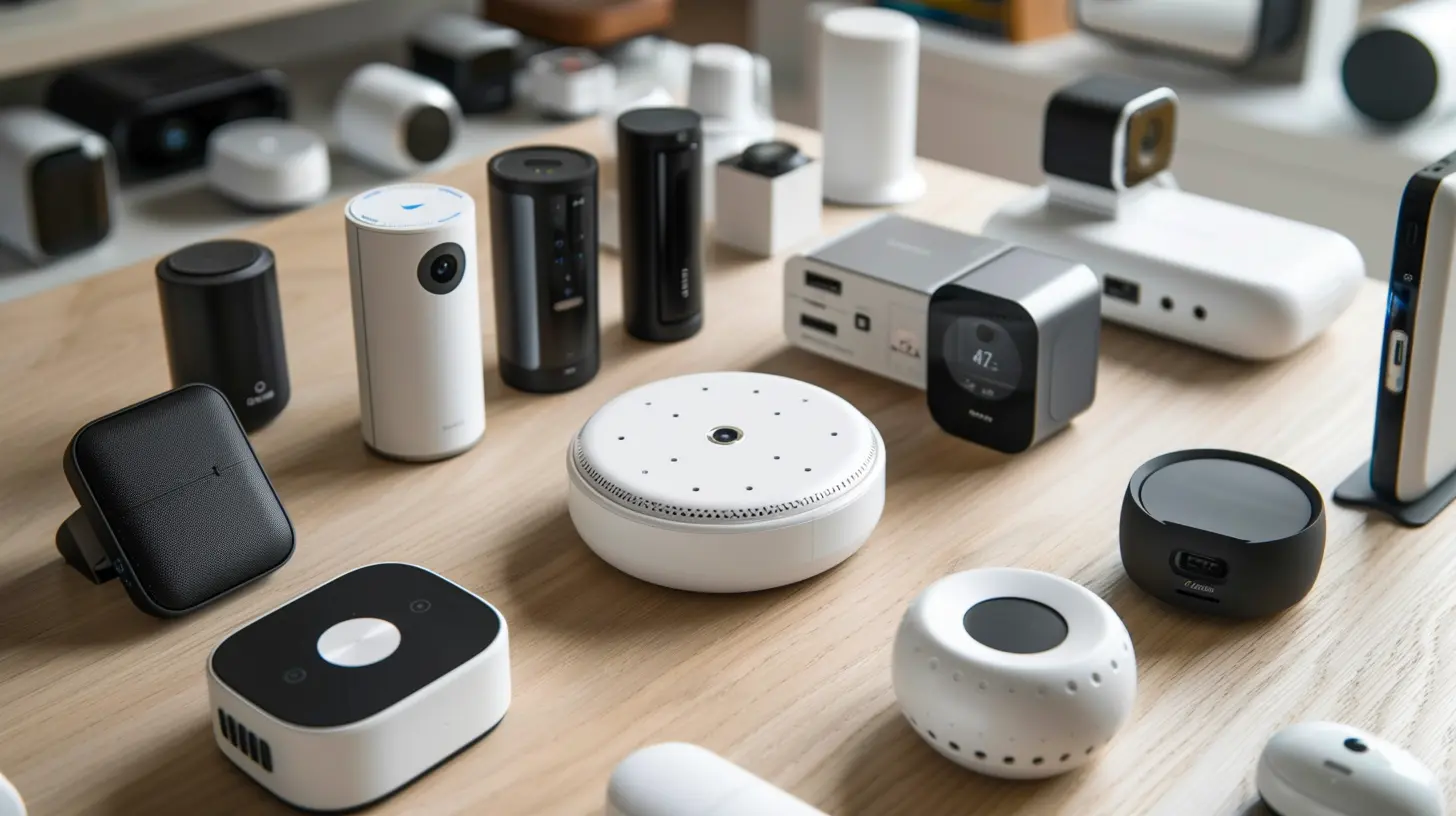
What Exactly is a Smart Home?
Before we jump into the fancy stuff, let’s clear up one thing: What actually makes a home “smart”?A smart home is equipped with a network of devices—powered by IoT—that communicate with each other and can be controlled remotely. Think smart lights, voice assistants like Alexa and Google Home, smart locks, security cameras, and even robot vacuums. These gadgets connect to the internet and often to each other, making everyday tasks more convenient and, let’s be honest, a bit cooler.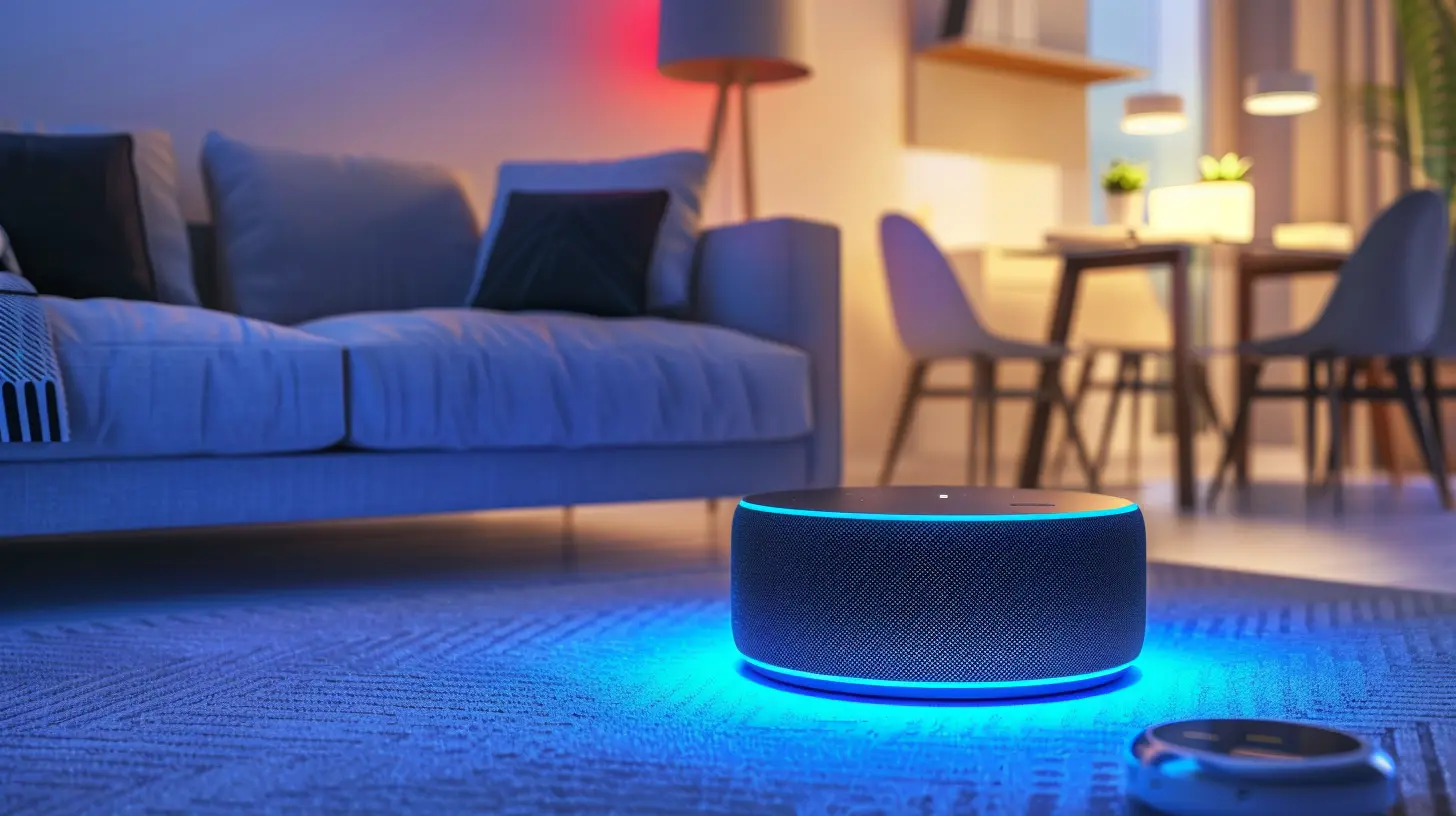
The Role of IoT in Smart Homes
IoT, or the Internet of Things, refers to the billions (yes, billions!) of devices around the world that are connected to the internet, collecting and sharing data. In the context of smart homes, IoT is the magic behind the curtain. It’s what enables your thermostat to know when you're away, your lights to turn on automatically at dusk, and your doorbell to send you video footage when someone rings it.IoT devices use sensors, connectivity, and software to make real-time decisions without needing you to push a button every time. The more data these devices collect and share, the smarter they become over time.
A Glimpse Back: Where Smart Homes Started
Rewind 10 years, and the idea of a smart home was more novelty than reality. Most people were just getting used to smartphones, let alone homes that could talk back.- The first smart devices were basic: programmable thermostats, remote-control lights, and very glitchy voice assistants.
- Wi-Fi networks weren’t reliable enough to handle multiple devices constantly “talking” to each other.
- Smart home ecosystems were fragmented—one brand for lighting, another for security, and no way to connect them all.
But fast forward to today? It’s a whole new world.
So, What’s Changing in Smart Homes Now?
The evolution of smart homes isn’t just about having more gadgets—it’s about those gadgets getting smarter, more intuitive, and increasingly integrated. Let’s break it down.1. Voice Control is the New Normal
Once a novelty, voice assistants like Amazon Alexa, Google Assistant, and Apple Siri have become household staples. They’re no longer limited to just answering trivia questions. Now, you can:- Set up entire routines like "Movie Night" that dims the lights, adjusts the temperature, and turns on Netflix.
- Ask them to lock the doors or check your calendar.
- Control multiple devices with just one sentence.
Even kids are getting the hang of yelling "Alexa, play Baby Shark!" (Sorry, parents.)
2. Smarter Energy Management
Who doesn’t like saving a few bucks on their energy bill?Smart thermostats like Nest and Ecobee learn your habits and make automatic adjustments to heat or cool your home more efficiently. And smart plugs? Total game changers. You can schedule appliances to turn off at night or monitor how much energy your coffee maker is guzzling.
It’s kind of like having an eco-conscious roommate who’s always turning off the lights but without the nagging.
3. Enhanced Home Security
Security is one of the biggest drivers of smart home adoption, and for good reason.- Smart doorbells (like Ring) show you who's at the door—whether you’re home, at work, or sunbathing on a beach.
- Smart locks let you unlock your door from your phone or give digital keys to friends and family.
- Motion sensors and connected cameras can alert you the second anything suspicious happens.
Your home becomes a 24/7 security guard that never takes a coffee break.
4. Interconnectivity & Automation
This is where things start to feel a little futuristic.Imagine walking into your home, and automatically:
- The lights come on at your preferred brightness.
- Your favorite playlist starts playing in the background.
- The A/C adjusts to your ideal temperature.
All without lifting a finger.
Thanks to platforms like IFTTT (If This Then That) and Matter (a new universal smart home standard), IoT devices from different brands can now speak the same language. That means your Samsung fridge and Philips Hue lights can finally be friends.
5. Smarter Appliances: From Cool to Crazy-Cool
Say hello to the new generation of appliances:- Refrigerators that create shopping lists and show you what’s inside via a camera.
- Washing machines that figure out the optimal wash cycle based on the load.
- Ovens you can preheat from your phone—or with a voice command.
We’re entering a world where your appliances are more capable than your first computer. Wild, right?
The Rise of AI in Smart Homes
Artificial Intelligence (AI) is the behind-the-scenes wizard making smart homes feel, well… smarter.AI helps smart devices understand patterns and behavior. For example, your thermostat won’t just adjust based on the time of day—it’ll also factor in your location, weather forecasts, and even whether you’re asleep.
Some AI tools even use facial recognition to identify who’s at your door. Creepy or cool? You decide.
Thanks to machine learning, smart homes are becoming more predictive rather than reactive. It's like your home is learning your routines and trying to anticipate your needs before you even voice them.
Challenges in Smart Home Adoption
Now, before we start planning our Jetsons-style future, let’s keep it real.1. Privacy Concerns
Let’s face it: the more our devices know about us, the more we worry about who's else might know too.Data privacy is a growing concern. Stories of smart speakers “listening” a bit too much have made headlines. Manufacturers are working on tightening security, but users still need to be savvy—like changing default passwords and regularly updating firmware.
2. Compatibility Woes
Not all devices play nicely together. You might buy a shiny new gadget only to find it doesn’t work with your current setup. Maddening, right?Efforts like Matter are helping standardize smart home ecosystems, but it’s still a bit of a Wild West out there.
3. Upfront Costs
While prices for smart devices are dropping, they’re still not cheap, especially when you're aiming to fully automate your home. The return on investment—like energy savings and convenience—can be worth it, but the initial buy-in can be steep.The Future of Smart Homes: What’s Next?
So, where are we headed?1. Home-as-a-Service (HaaS)
More companies are exploring home automation as a subscription-based model. Think of it like Netflix, but for smart home features. This could lower upfront costs and make setup easier for more people.2. Context-Aware Homes
Future smart homes won’t just respond to commands—they’ll understand context. For instance, they'll know the difference between you watching a movie with friends vs. trying to sleep, adjusting lighting and sound accordingly.3. Sustainability-Driven Designs
Expect more emphasis on eco-friendly features. Smart homes will help us cut down on waste, conserve water, and optimize energy usage without making us sacrifice comfort.4. Health and Wellness Integration
From smart mattresses tracking your sleep patterns to air purifiers that detect pollutants, smart homes are becoming wellness hubs. They’ll monitor your environment and even your health, reminding you to hydrate or lower your stress levels.Final Thoughts: The Smart Home Revolution is Just Getting Started
We’re only scratching the surface of what smart homes can do. As IoT devices become more advanced—and more affordable—our homes will continue transforming from passive shelters to intelligent, interactive environments.No flying cars (yet), but we’re getting pretty close to living in the future we dreamed about as kids.
Whether you’re fully decked out in smart tech or just dipping your toes in, one thing’s clear: smart homes are here to stay, and they’re only going to get smarter. So, maybe it’s time to let your home do some of the thinking for a change.
all images in this post were generated using AI tools
Category:
Iot DevicesAuthor:

Vincent Hubbard
Discussion
rate this article
2 comments
Arwenia Sanchez
“Smart homes: where your toaster and fridge debate the best way to burn your toast! 🍞🤖”
March 11, 2026 at 2:00 PM
Vincent Hubbard
That's a funny thought! Smart homes are definitely getting more interactive, but let's hope they stick to making our lives easier instead of debating our toast preferences.
Blaine Hubbard
Transforming everyday living with connectivity.
March 4, 2026 at 1:33 PM
Vincent Hubbard
Absolutely! Smart homes are revolutionizing daily life by seamlessly integrating IoT devices for enhanced convenience, efficiency, and connectivity.