How Streaming Devices Are Revolutionizing Educational Content
22 May 2026
Over the last decade, the way we consume media has drastically changed. Remember when we used to rush to the TV at a specific time just to catch our favorite programs? Those days are long gone. Thanks to streaming devices—those little gadgets like Roku, Amazon Fire Stick, and Google Chromecast—we’ve got the power to watch whatever we want, whenever we want. But here’s the thing: streaming devices aren’t just for binge-watching the latest Netflix series. They’re also making waves in the education world. Yep, you heard that right—streaming devices are revolutionizing educational content in ways we never imagined.
Why is this shift happening, and how are these devices changing the face of education? Buckle up, because that’s exactly what we’re diving into.
The Rise of Streaming Devices in Education
Education at Your Fingertips
Let’s be honest—traditional education has always had its limitations. You’re stuck with books, a classroom, a chalkboard, and let's not forget the sometimes monotonous lectures. That’s not exactly thrilling for everyone. But now, with just a streaming device and an internet connection, learners can access a world of knowledge with a few clicks.Gone are the days of limited library hours or having to wait for a specific educational TV show to air. With apps like YouTube, Coursera, Khan Academy, and even TED Talks available on streaming devices, students (and lifelong learners) have the option to watch lessons, tutorials, or even full-fledged online courses whenever they want. It’s literally education on demand. Whether you’re a high school student struggling with algebra or an adult curious about astrophysics, there’s something for everyone.
The Flexibility Factor
Who says learning has to happen from 9 to 3? Streaming devices break that old-school mold. They allow for flexible, self-paced learning. You’re no longer bound to a classroom schedule or forced to keep up with the pace of a class. Instead, you can pause, rewind, and revisit content as needed. This is especially beneficial for students who learn differently—whether they need more time to grasp a concept or they want to speed through topics they’ve already mastered.And hey, let’s not forget about the global reach. With streaming devices, students in rural areas or developing countries, where educational resources may be limited, can now access the same high-quality content as someone studying in a major city. It’s truly democratizing education.
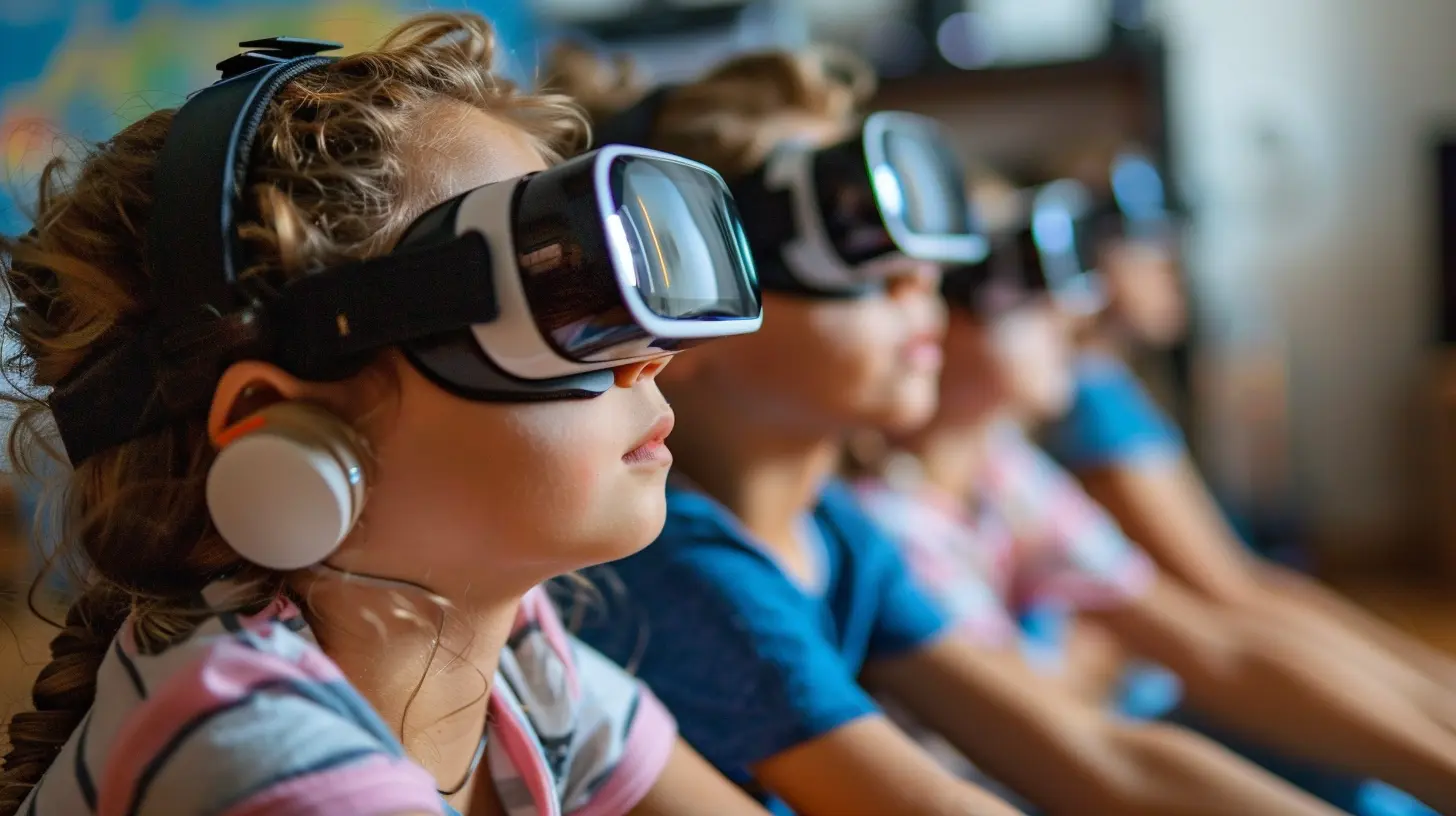
How Streaming Devices Are Changing Educational Content
Interactive and Engaging Learning
Remember those boring, static history documentaries? Educational content used to feel like eating your vegetables—necessary, but not exactly enjoyable. Streaming devices have given content creators the freedom to make learning more interactive and engaging.Take platforms like Netflix and Disney+, for example. While they’re traditionally entertainment hubs, they’re also investing in educational programming that’s both informative and entertaining. Shows like “Our Planet” or “The Mind, Explained” blend cinematic visuals with educational substance, making learning feel like a treat rather than a chore. With 4K resolution and surround sound, you’re not just watching; you’re experiencing the content.
Customizable Educational Paths
One size doesn’t fit all—especially when it comes to learning. Streaming devices provide access to platforms that allow for personalized education. For instance, if you’re using an app like Coursera or Udemy on your streaming device, you can customize your learning path based on your interests and career goals. Want to learn Python programming? There’s a course for that. Interested in photography or marketing? You can find tailored content for that too.This is a massive leap from the traditional school system, where curriculums are often rigid, and students have little say in what they study. Streaming devices give learners the freedom to explore subjects that truly interest them, fostering a love for learning rather than making it feel like a compulsory task.
Multi-Device Syncing
We live in a multi-device world, and streaming devices are part of that ecosystem. What’s cool about this is that many educational apps can sync across all your devices. So, let’s say you start watching a lecture on your living room TV via your Roku, but you have to head out. No problem. You can continue watching the same lecture on your phone or tablet while on the go. This seamless integration makes it easier to fit learning into our busy lives.
The Role of Streaming in Remote Learning
The Pandemic and the Shift to Online Education
No discussion about streaming devices and education would be complete without mentioning the impact of COVID-19. The pandemic forced millions of students and educators worldwide to adapt to remote learning almost overnight. While laptops and computers were the primary tools for virtual classrooms, streaming devices quickly became a valuable asset for both students and teachers.Schools and universities started using platforms like Zoom, Google Meet, and Microsoft Teams, which are now available on many streaming devices. This means you can attend your virtual classroom from your living room TV instead of being hunched over a laptop. It might sound trivial, but this change of environment can make a big difference, especially for younger students who benefit from a more relaxed, familiar setting.
Educational Streaming Services
In response to the growing demand for remote learning, several education-focused streaming services have emerged. Platforms like Discovery Education and PBS LearningMedia offer a treasure trove of curriculum-aligned content that can be streamed directly to a TV. These services often cater to specific age groups, ensuring that content is appropriate and engaging for all learners.Moreover, companies like Amazon have launched their own educational content streams. Amazon’s “Amazon Kids” offers thousands of ad-free educational shows, books, and games for children, making it a valuable resource for parents looking to supplement their child’s learning.
How Streaming Devices Are Benefiting Teachers
A Tool for Teachers
It’s not just students who are benefiting from streaming devices—teachers are too. Let’s face it, keeping a classroom full of kids engaged can be tough. Streaming devices allow teachers to bring in multimedia content to support their lessons. Whether it’s a documentary, a TED Talk, or a YouTube tutorial, these resources can break up the monotony of traditional lectures and make learning more dynamic.For instance, a history teacher might use a documentary from PBS to give students a visual representation of World War II, while a science teacher could show a National Geographic special on climate change. These streaming resources provide instant access to high-quality educational material that supplements the curriculum and keeps students interested.
Flipping the Classroom
Ever heard of the "flipped classroom" model? It’s a teaching method where students watch lectures or educational videos at home (via streaming devices), and then use class time for discussions, exercises, and hands-on activities. This method has gained popularity with the rise of streaming technology. By outsourcing the lecture portion to a streaming device, teachers can focus more on interactive learning when they’re face-to-face with students.It’s a win-win situation. Students can watch lessons at their own pace, and teachers can spend more time addressing individual needs and diving deeper into the material during class.
Streaming Devices and Lifelong Learning
Learning Beyond the Classroom
Streaming devices aren’t just for students and teachers—they’re also for lifelong learners. Whether you’re in your 50s and want to pick up a new skill or you’re a recent graduate looking to stay current in your field, streaming devices have made lifelong learning more accessible than ever.Platforms like MasterClass, Skillshare, and even YouTube offer a wealth of educational content that can be streamed right to your TV. Want to learn how to cook with a Michelin-star chef? MasterClass has you covered. Curious about graphic design? Skillshare has endless tutorials. The possibilities are endless, and the best part is, you can learn at your own pace.
Affordable Education
Let’s be real—traditional education can be expensive. College tuition, textbooks, lab fees—it all adds up. Streaming devices provide access to affordable (and sometimes free) educational content. Many platforms like Khan Academy or Coursera offer free or low-cost courses, making high-quality education accessible to a broader audience. That’s a game-changer, especially in a world where student debt is a growing concern.
The Future of Educational Content and Streaming Devices
So, what’s next? Streaming devices are already transforming education, but we’re just scratching the surface. With advancements in AI, AR, and VR, we could soon see more immersive educational experiences. Imagine watching a biology lesson on your TV and being able to interact with a 3D model of a human cell via your streaming device. Or picture a virtual field trip to the Louvre, where you can explore exhibits from the comfort of your living room.The potential is mind-blowing, and as technology evolves, so too will the ways we learn.
Conclusion
Streaming devices have come a long way from being simple entertainment gadgets. They’re now powerful tools that are reshaping how we access and engage with educational content. Whether it’s providing flexibility, interactive learning, or affordable education, streaming devices are making it easier than ever to access high-quality educational resources. And as technology continues to evolve, the line between entertainment and education will only blur further, leading to richer, more engaging learning experiences.So, next time you pick up your Roku remote or fire up your Amazon Fire Stick, remember—it’s not just for entertainment. It’s also a gateway to endless learning opportunities.
all images in this post were generated using AI tools
Category:
Streaming DevicesAuthor:

Vincent Hubbard
Discussion
rate this article
2 comments
Calder Estes
This article highlights an important shift in education. Streaming devices are making learning more accessible and engaging for students everywhere. The blend of technology and education opens up exciting opportunities for diverse content, allowing learners to explore subjects in innovative ways. Great insights, thank you for sharing!
June 23, 2026 at 4:07 AM
Vincent Hubbard
Thank you for your thoughtful comment! I'm glad you found the insights valuable. The potential of streaming in education is indeed transformative.
Valen McDaniel
Streaming devices are transforming education by making diverse content accessible anytime, anywhere. This revolution enhances learning experiences, encourages engagement, and empowers educators to utilize innovative resources, ultimately enriching the educational landscape for everyone.
May 24, 2026 at 4:53 AM
Vincent Hubbard
Absolutely! Streaming devices are indeed reshaping education by breaking down barriers to access and fostering creativity in teaching. It's an exciting time for learners and educators alike.