How Virtual Reality is Shaping Classrooms by 2026
19 April 2026
Picture this: you walk into a classroom, and instead of the usual desks and whiteboards, you're greeted by a breathtaking 3D landscape. You slip on a VR headset, and suddenly you're not just a student; you’re an astronaut floating in space, a historian walking through ancient Rome, or even a scientist conducting experiments on the molecular level. Welcome to the future of education, where virtual reality (VR) transforms traditional learning into an immersive journey. In this article, we’ll dive deep into how VR is revolutionizing classrooms and what we can expect by 2026.
The Rise of Virtual Reality in Education
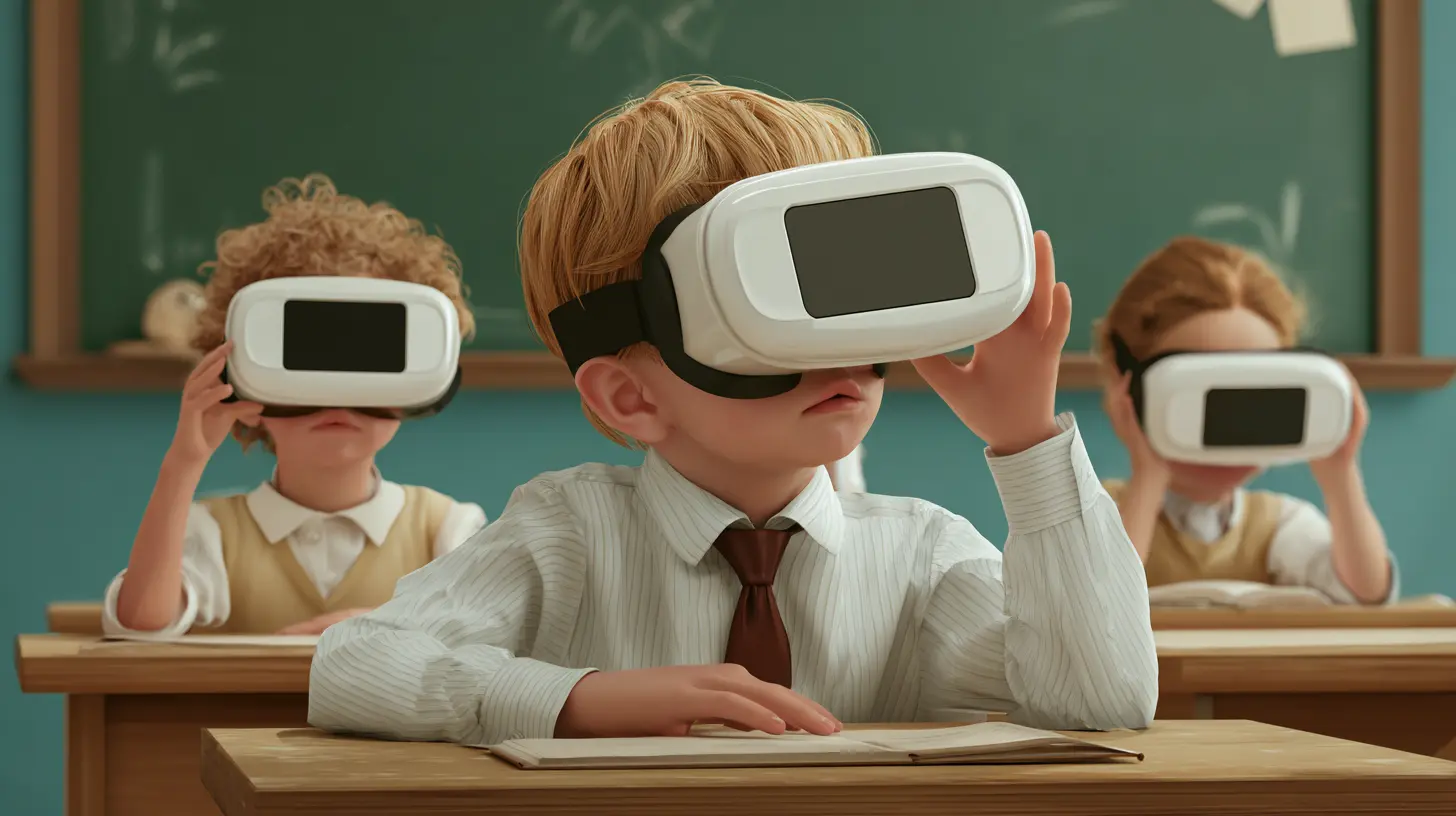
In recent years, technology has made significant strides, and education is no exception. Virtual reality is no longer just the stuff of sci-fi movies; it’s becoming an integral part of how we teach and learn. But what exactly is VR? Simply put, it’s a simulated experience that can replicate real or imagined environments. By 2026, we expect VR to be as commonplace in classrooms as chalkboards once were.What Makes VR So Special?
Let’s break it down. Why should we care about virtual reality in education? Well, for starters, VR offers an interactive experience that traditional methods simply can’t match. Imagine being able to walk on the surface of Mars or dive into the ocean to study marine life—without ever leaving the classroom! This level of engagement boosts retention rates and keeps students motivated.Bridging the Gap
One of the most significant advantages of VR in classrooms is its ability to bridge gaps in education. Not every student has the means to travel to historical sites or unique ecosystems. VR democratizes learning, making it accessible to all. Regardless of location or economic background, students can engage with the world’s wonders from their desks. This equality in education is a game-changer.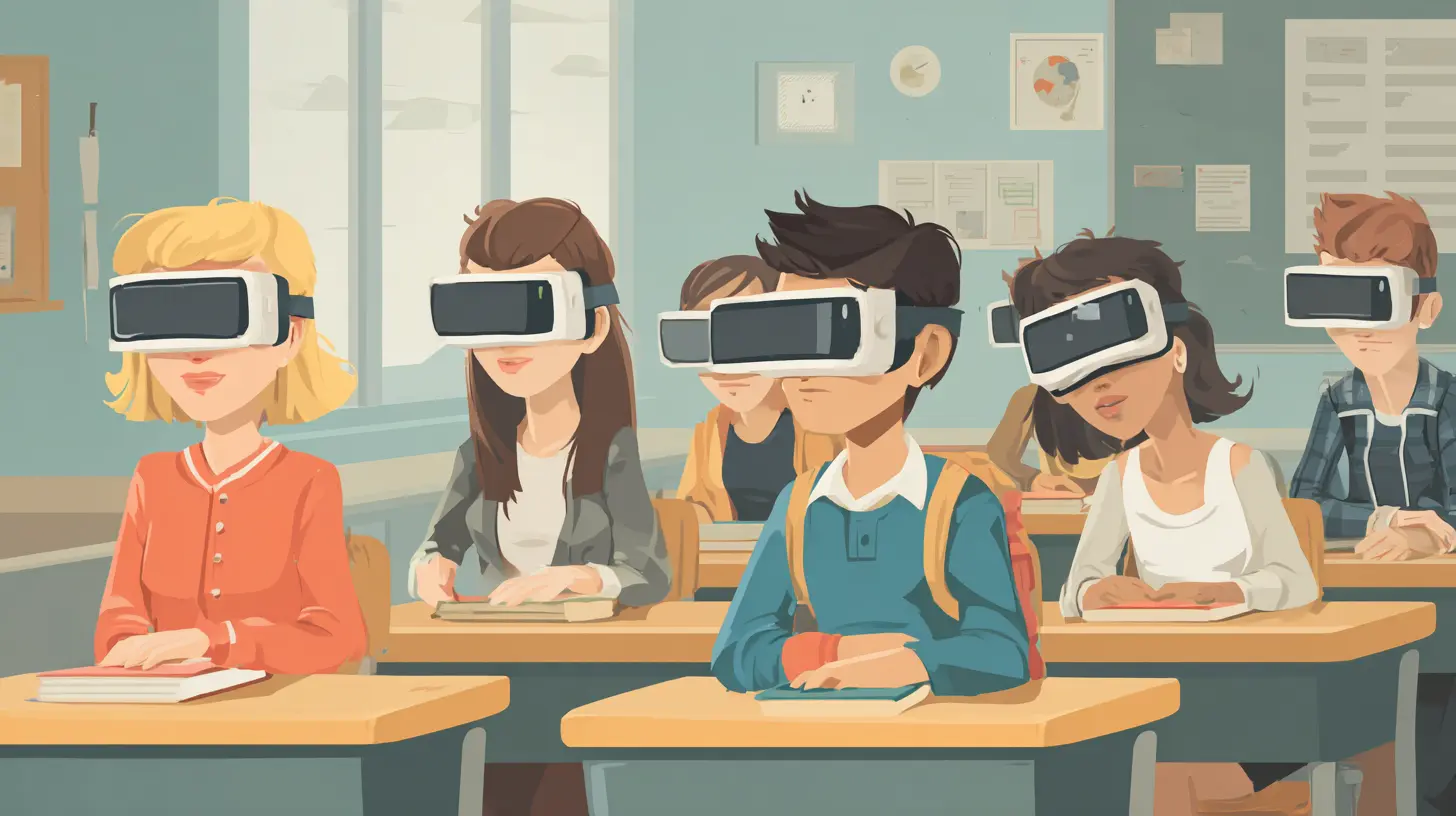
How VR Enhances Learning Experiences
Immersive Learning Environments
Imagine studying biology and actually witnessing the cell division process in 3D. That's the beauty of immersive learning environments. VR immerses students in settings where they can interact with content. This engagement encourages curiosity and critical thinking. Instead of reading about the human body, students can virtually dissect a heart, gaining a firsthand understanding of anatomy.Collaboration Redefined
Collaboration is key in the learning process, and VR takes it to a whole new level. Students can collaborate with their peers in a shared virtual space, regardless of their physical location. Picture a group of students in different countries working together on a project about climate change. With VR, they can meet in a virtual environment to brainstorm ideas, share insights, and create solutions. This global collaboration fosters a sense of community and prepares students for a connected world.Personalized Learning Paths
Every student learns differently, right? Some are visual learners, while others excel through auditory or kinesthetic experiences. VR can adapt to these diverse learning styles. By 2026, we expect to see software that tailors lessons to individual needs, allowing students to grasp complex concepts at their own pace. This personalization boosts confidence and leads to better academic outcomes.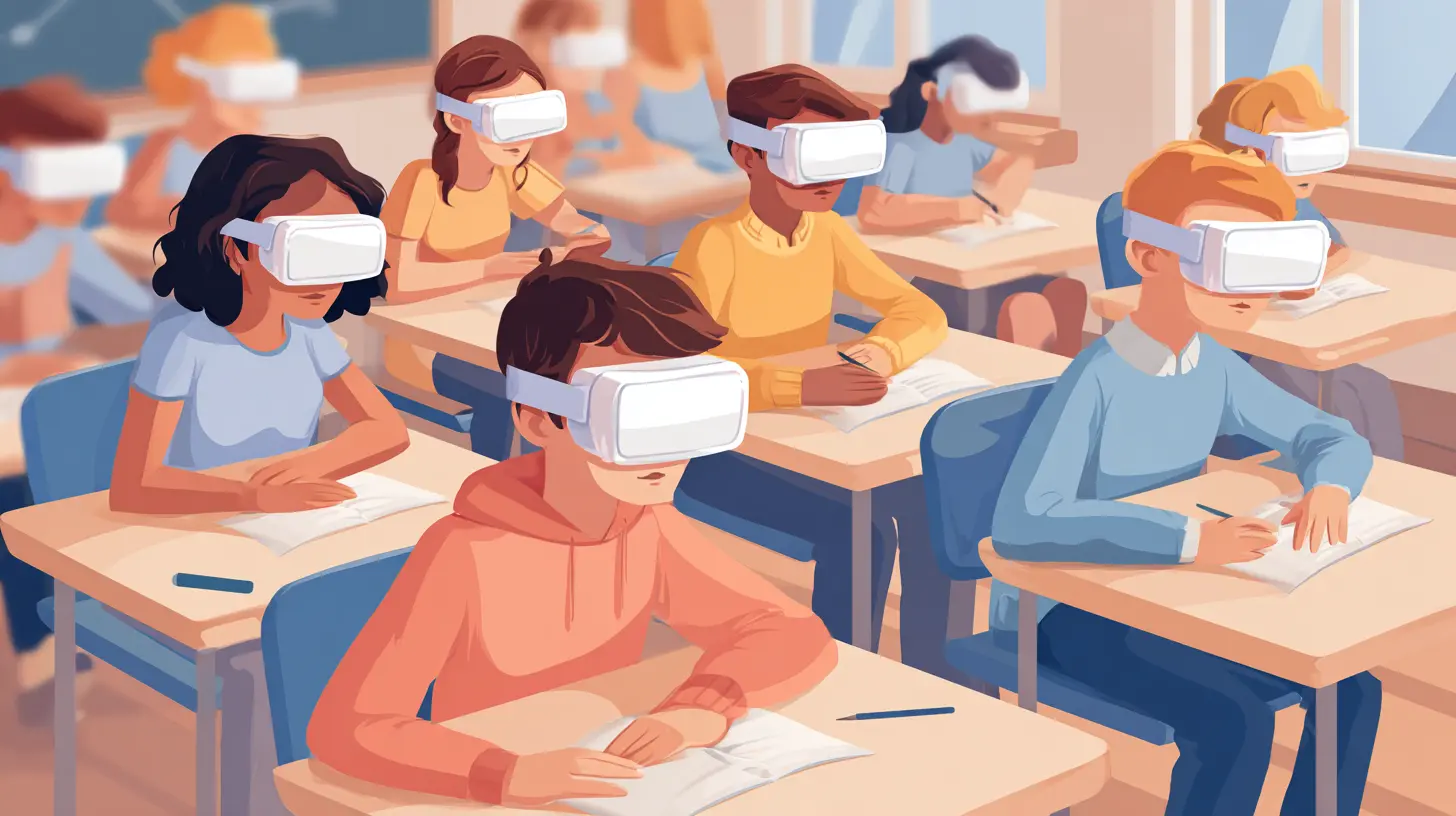
Challenges and Considerations
The Cost Factor
While VR has immense potential, it’s essential to consider the cost. Implementing VR technology in classrooms can be expensive. Schools will need to invest in hardware, software, and training for educators. However, as technology advances and becomes more widespread, we can expect prices to decrease, making VR more accessible over time.Training Educators
It’s not enough to have the technology; teachers need to know how to utilize it effectively. Professional development programs must be established to train educators in VR integration. By 2026, we hope to see robust training programs that empower teachers to create engaging and effective VR lessons.Safety and Comfort
While VR is an exciting tool, it’s not without its challenges. Some students may experience discomfort or motion sickness when using VR headsets. Additionally, ensuring a safe physical environment while students are immersed in VR is crucial. Schools will need to establish protocols to address these concerns and create a comfortable learning atmosphere.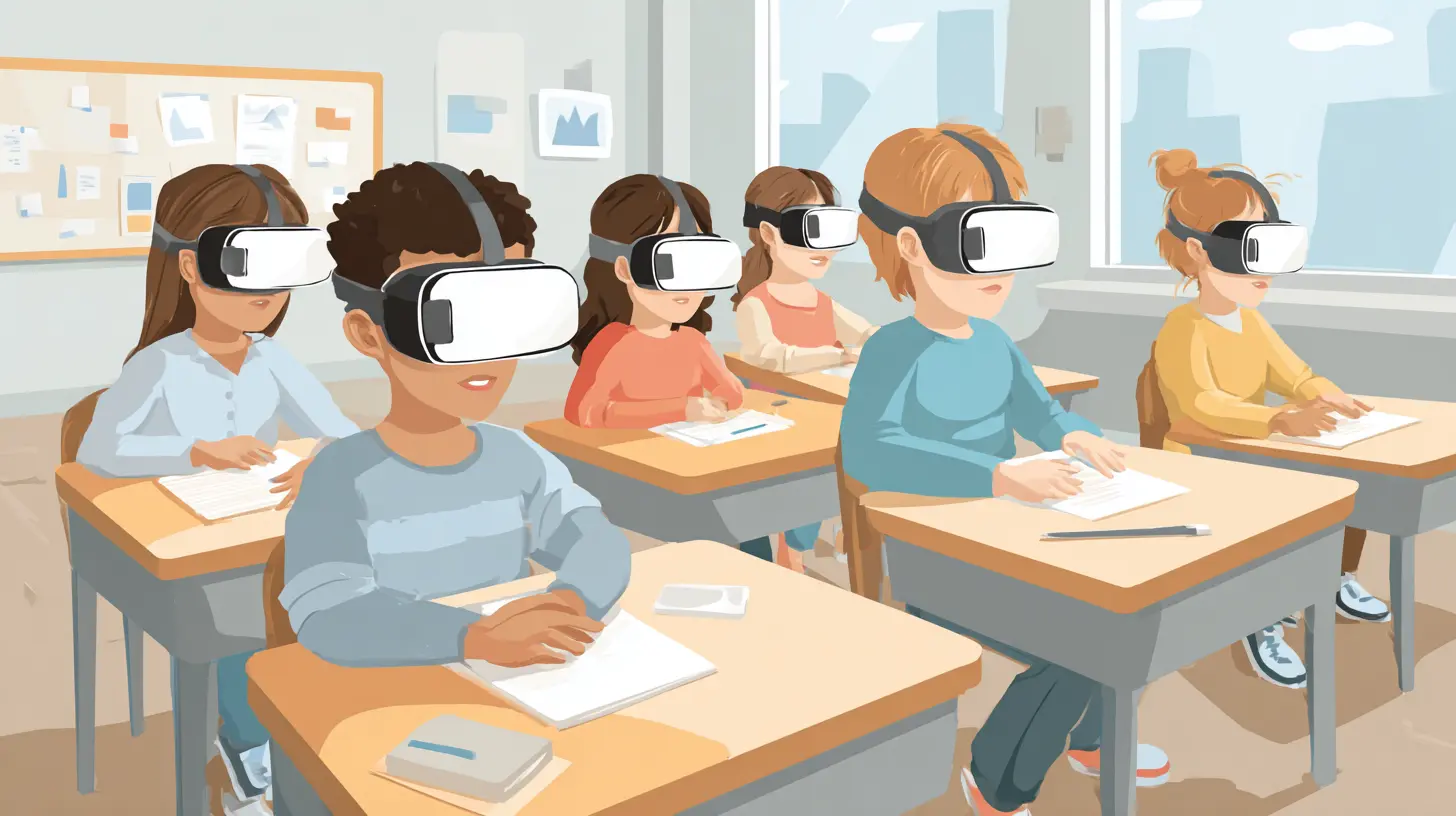
The Future of VR in Classrooms
2026 and Beyond
So, what does the future hold for VR in classrooms by 2026? Here are a few exciting predictions:1. Widespread Adoption: By 2026, we anticipate that a majority of schools will have integrated VR technology into their curricula. This shift will revolutionize the way subjects like science, history, and art are taught, making learning more engaging and interactive.
2. Advanced Learning Management Systems: Expect to see sophisticated learning management systems that incorporate VR experiences. These systems will track student progress, adapt lessons based on performance, and provide valuable insights to educators.
3. Global Classrooms: Imagine classrooms where students from around the world can come together to learn. VR will facilitate global classrooms, breaking down geographical barriers and fostering cultural exchange.
4. Augmented Reality Integration: While VR immerses students in entirely virtual worlds, augmented reality (AR) adds digital elements to the real world. By 2026, we can expect a seamless blend of VR and AR in education, enhancing the learning experience even further.
5. Enhanced Empathy through VR: One of the most profound uses of VR is its ability to foster empathy. By stepping into someone else's shoes—whether it’s experiencing a day in the life of a refugee or understanding the challenges faced by individuals with disabilities—students can develop a deeper understanding of social issues. This emotional connection can inspire action and advocacy, shaping compassionate future leaders.
Real-World Examples
Case Study: The University of Illinois
The University of Illinois has been at the forefront of integrating VR into education. Their “Virtual Reality in Education” initiative allows students to engage in complex simulations for courses ranging from engineering to psychology. Students report higher engagement levels and improved understanding of challenging concepts. This is just one example of how VR is making waves in higher education.K-12 Innovations
Across the globe, K-12 institutions are experimenting with VR. Schools are using platforms like Google Expeditions to take students on virtual field trips to places like the Great Wall of China or the depths of the ocean. These experiences are not only fun but also align with educational standards, making learning relevant and exciting.
Conclusion
As we look ahead to 2026, the role of virtual reality in classrooms is set to expand dramatically. With its ability to create immersive learning experiences, foster collaboration, and personalize education, VR holds the promise of transforming how we teach and learn. While challenges remain, the benefits far outweigh the obstacles.Education is about preparing students for the future, and integrating VR into classrooms is a significant step in that direction. As educators and technologists work together to harness the potential of this technology, we can create a new generation of learners who are curious, engaged, and empathetic. So, are you ready to embrace the future of education? The classroom of tomorrow is just around the corner, and it’s going to be an incredible journey!
all images in this post were generated using AI tools
Category:
Tech EducationAuthor:

Vincent Hubbard
Discussion
rate this article
2 comments
Mallory McInnes
Who knew learning could be a virtual rollercoaster? 🎢 Buckle up, future students! By 2026, classrooms will be less about desks and more about diving into adventures without leaving your chair! 🌍✨
April 23, 2026 at 3:28 AM
Dolores Henson
Embrace the future! Virtual Reality will revolutionize education by 2026, making learning immersive, engaging, and limitless for every student!
April 20, 2026 at 2:44 AM
Vincent Hubbard
Thank you! I completely agree—virtual reality has the potential to transform education by creating dynamic and engaging learning experiences for students. Exciting times ahead!