How Wireless Charging Could Power the Smart Cities of Tomorrow
27 July 2026
Imagine walking down a city street, your phone tucked in your pocket, slowly charging as you pass under a streetlight. Your electric vehicle (EV) is recharging while it waits at a traffic signal. Drones buzz overhead delivering packages, never stopping to plug in. Sounds like science fiction? Nope—this is the not-so-distant future, and it’s all thanks to wireless charging technology.
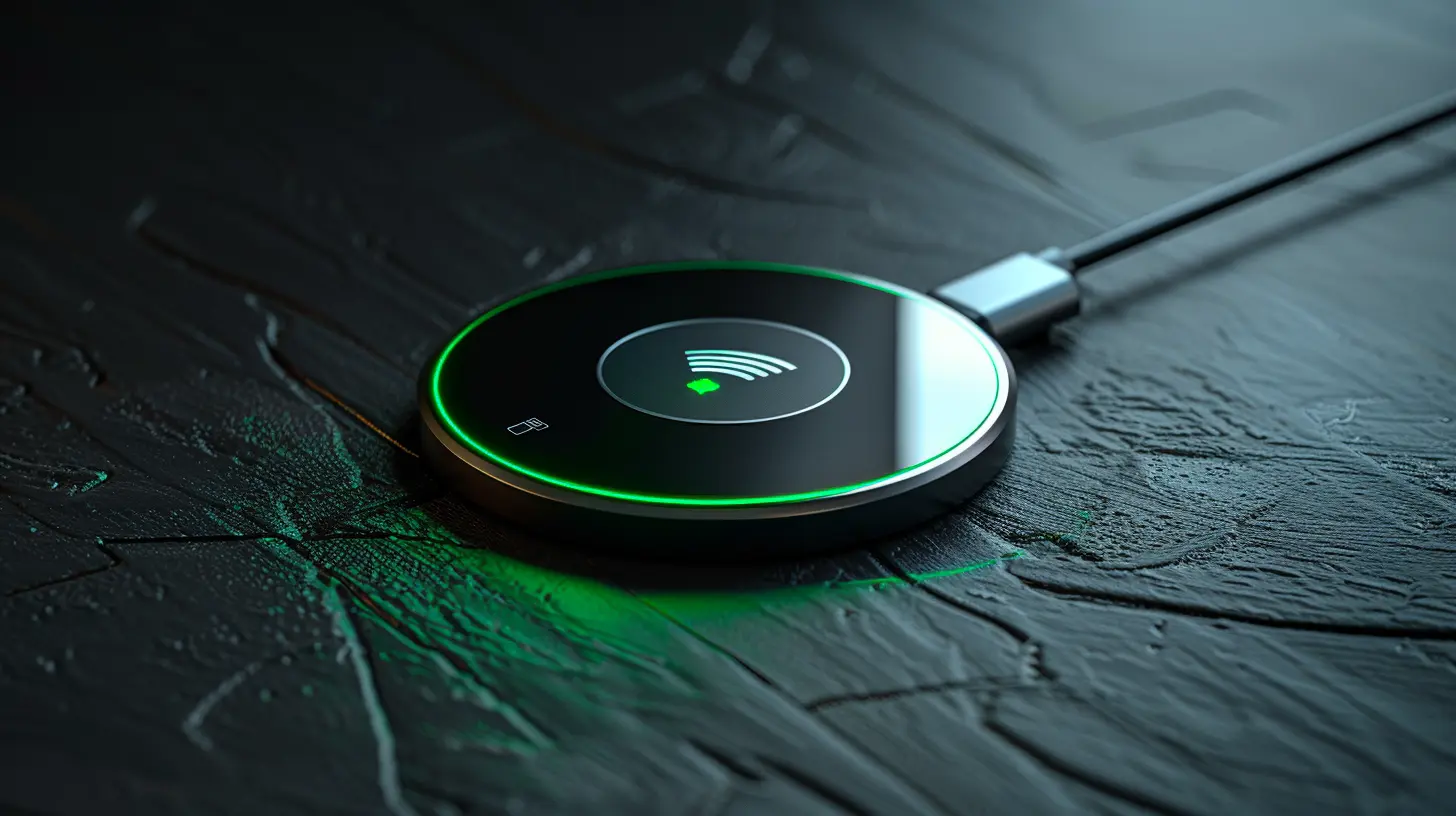
Wait, Wireless Charging for Smart Cities? Really?
Yup, and it’s actually a lot cooler (and more practical) than it sounds. If you’ve already used a charging pad for your phone or smartwatch, you’ve had a taste of this tech. But in smart cities, wireless charging scales up and goes big, powering not just personal gadgets, but entire transportation systems, infrastructure, and even public services.Wireless charging, aka inductive or resonant charging, is evolving beyond coffee tables and nightstands. It's poised to become one of the power sources for urban mobility, sustainable energy, and the growing web of interconnected devices that define a smart city.
Let’s dive into how this unassuming bit of tech could revolutionize the way smart cities tick and hum.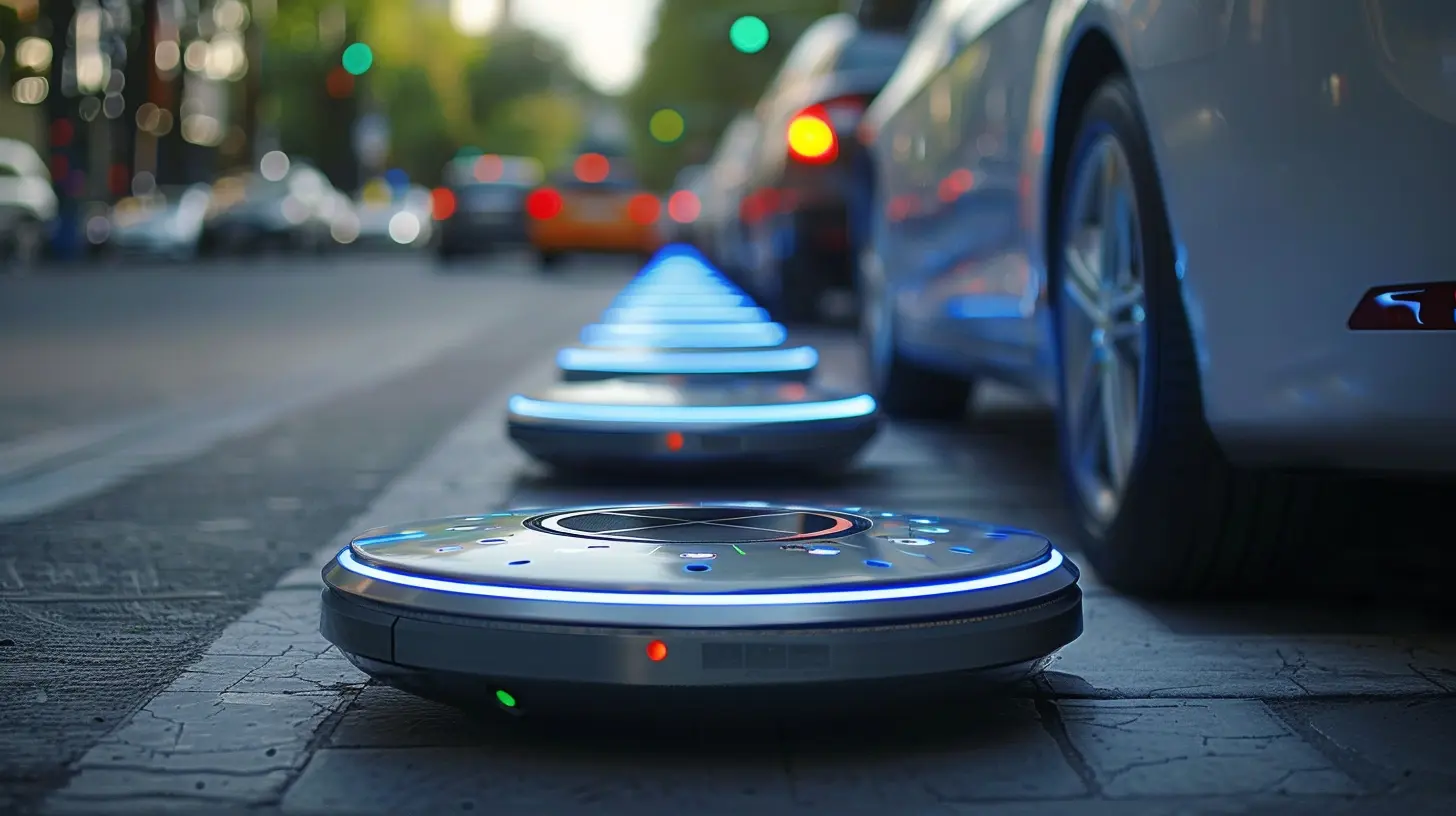
A Quick Refresher: How Wireless Charging Actually Works
Alright, nerd hats on for a sec.Wireless charging uses electromagnetic fields to transfer energy between two objects—usually a transmitter (plugged into the power grid) and a receiver (built into your device or vehicle). Most modern wireless charging uses something called resonant inductive coupling, which basically means the transmitter and receiver are tuned to the same frequency, allowing for efficient energy transfer without physical contact.
It’s like tuning into the same radio station, but instead of sweet tunes, you're getting juice for your gadgets.
For smart cities, this tech is being scaled up to power vehicles, infrastructure, and public utilities. And trust me, the implications are huge.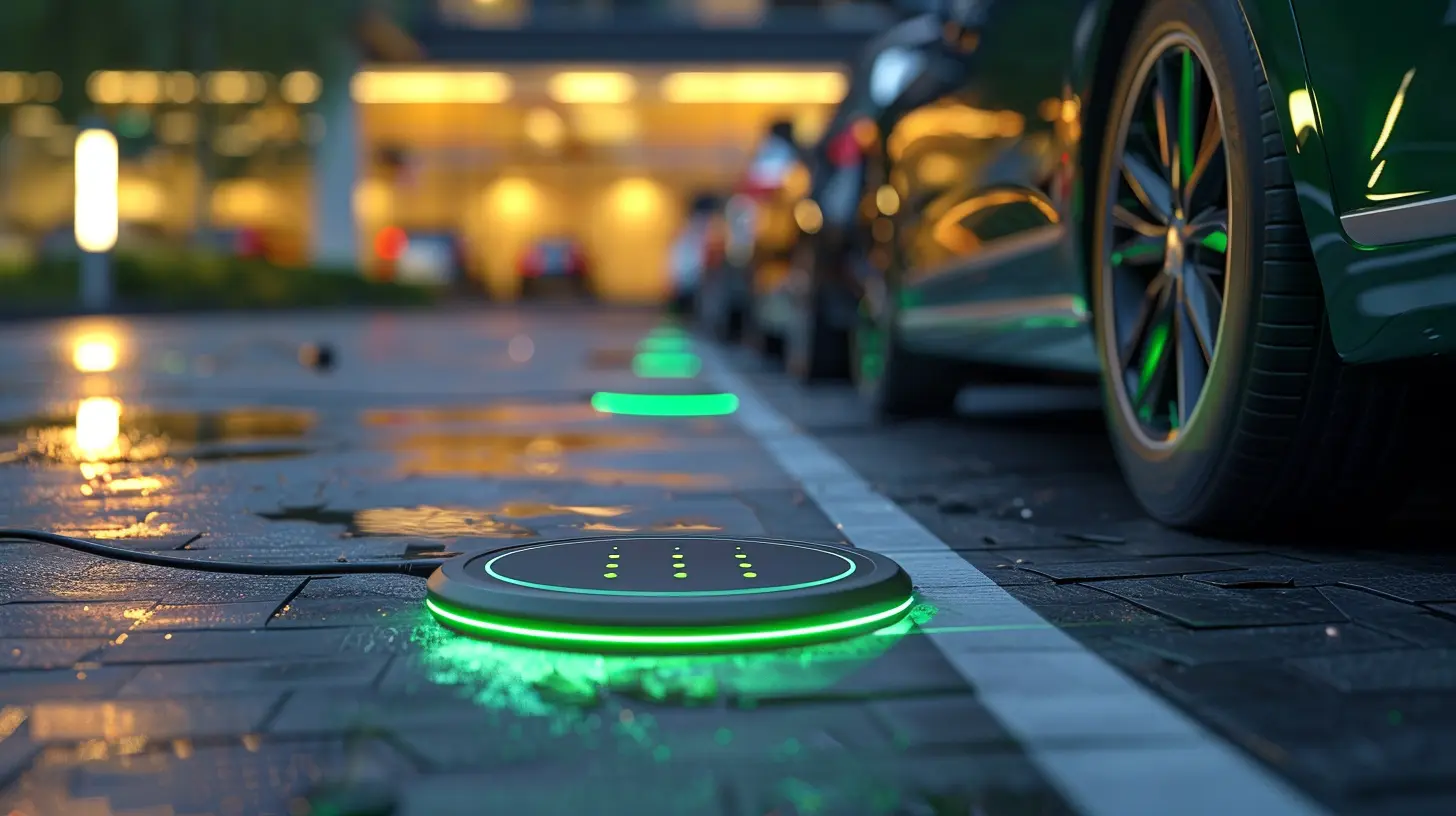
Why Smart Cities Need Wireless Charging
We’ve all heard the buzzwords: smart cities, IoT, sustainability… But let’s unpack what that means.A smart city leverages technology to improve everything from traffic flow and waste management to public safety and energy efficiency. These cities are filled with Internet of Things (IoT) devices, sensors, autonomous vehicles, and connected infrastructure—all of which need power. Like, a lot of it.
Wired solutions? Clunky. High-maintenance. Limited.
Wireless charging, on the other hand, offers seamless, maintenance-free energy transfer. No messy cables. No wear and tear. Just clean, effortless power delivery—and when it’s integrated into roads, buildings, and furniture, you barely even notice it’s there.
Think of it like invisible veins delivering electricity throughout the city.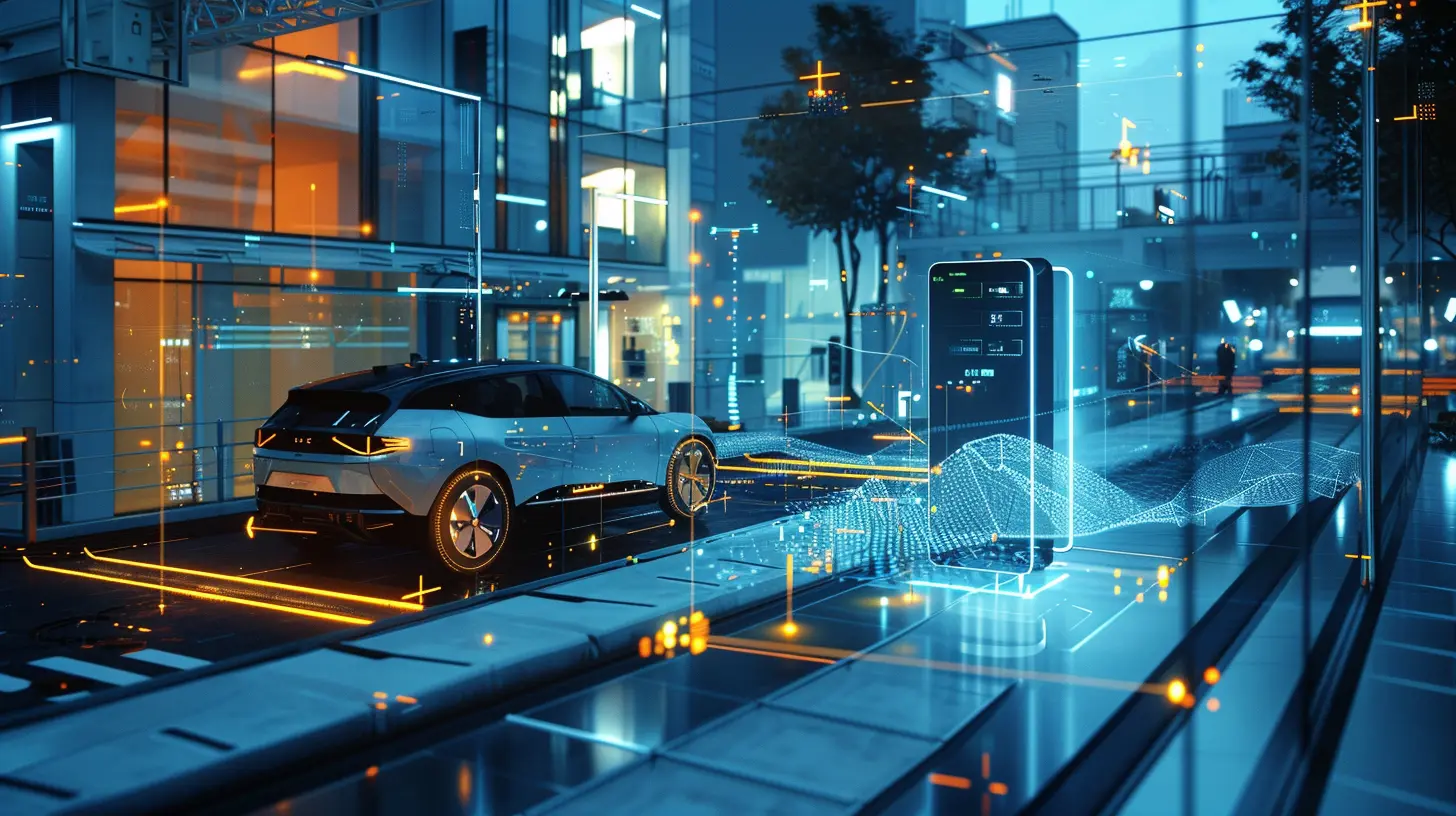
Charging Vehicles While They Move? Oh Yeah, That’s a Thing
One of the most mind-blowing applications of wireless charging is dynamic charging for electric vehicles.This isn’t just parked-up charging stations anymore—this is charging on the move. Imagine electric buses, taxis, and even personal cars recharging just by driving over special lanes embedded with charging coils.
These smart roads can wirelessly power EVs without ever stopping them. Talk about killing range anxiety, right?
Benefits of Wireless Charging for EVs in Smart Cities:
- Reduced downtime: No need to park and plug in.- Smaller batteries: If vehicles can charge frequently, they don’t need massive batteries.
- Cleaner air: More EVs = fewer emissions.
- Lower infrastructure clutter: No cabling or huge charging stations eating up space.
Cities like Oslo, Sweden, and even parts of the U.S. are already testing wireless charging lanes. The tech exists—it just needs scale and investment.
Public Transportation Gets a Power Upgrade
Public buses and trams could be the first major beneficiaries of city-wide wireless charging.Instead of returning to depots to plug in, electric buses could charge at designated stops or even while passengers board and exit. This could seriously improve operational efficiency and reduce city traffic by avoiding unnecessary detours.
Plus, when it comes to sustainability goals, wireless-charged transport hits the sweet spot. Less pollution, less noise, more efficiency. Who wouldn’t want that?
Wireless Charging + IoT = Match Made in Tech Heaven
Smart cities are built on sensors—tons of them. Streetlights, surveillance cameras, air quality monitors, traffic counters, smart trash cans… you name it. And most of these devices need reliable power.Running wires to all of them? Not practical.
Wireless charging helps maintain the flow of data and services without intrusive and expensive maintenance. With longer-lasting power and autonomous charging, cities can keep critical infrastructure running 24/7 without lifting a finger.
Wireless charging could also support mobile robots or drones used for deliveries, emergency services, inspections, and more. They’d be able to dock themselves on charging pads scattered throughout the city. Think drone nests on rooftops giving them little power naps!
Smart Homes & Buildings in a Wireless Ecosystem
Your smart home or building is part of the broader smart city network. Integrating wireless charging into furniture, flooring, and walls could allow your devices to stay powered effortlessly.Imagine your phone charging while lying on the kitchen counter. Or your laptop sipping energy from your desk with zero cables. This kind of convenience in both homes and workplaces would drastically reduce our reliance on the mess of wires we currently wrangle every day.
Even better? It’s more energy efficient when done right. With intelligent charging schedules and energy management software, we can reduce waste and optimize usage across entire neighborhoods.
The Eco-Friendly Angle: Greener Cities with Wireless Charging
Let’s face it—we need to build smarter, greener cities. Wireless charging can help us cut down on:- Fossil fuel dependency: More EVs = less oil.
- Battery waste: Frequent top-ups mean batteries last longer.
- Energy waste: Smart charging = only power when you need it.
Pairing wireless charging tech with renewable energy sources like solar and wind could keep cities powered sustainably. Imagine solar-charged streetlights that also beam power down to buses and scooters. That’s energy synergy, baby!
The Challenges (Because Nothing’s Perfect)
Okay, let’s pump the brakes for a sec.Wireless charging isn’t all sunshine and spotless cable-free streets. There are some challenges we’ve got to face:
1. Efficiency
Wireless charging still isn’t as efficient as good ol’ plugging in. Energy losses happen in transit, though this is slowly improving as the tech matures.2. Costs
Installing wireless infrastructure (especially in roads) isn’t cheap. It requires a big upfront investment. But, long-term maintenance costs could be lower.3. Standardization
For seamless city-wide wireless power, devices and infrastructure need to speak the same "power language." Industry-wide standards are still being figured out.4. Interference
The electromagnetic fields used for charging can sometimes interfere with other devices. Not ideal in a city filled to the brim with electronics.5. Scalability
We’re not quite at plug-and-play for whole cities yet. Scaling wireless charging from homes to streets to entire metro systems will take time, testing, and truckloads of planning.Still, none of these are deal-breakers. Tech has come a long way in a short time, and there’s no slowing down now.
So, What Could the Future Look Like?
Fast forward 10–20 years. Cities are alive with movement, data, and light—all powered invisibly through wireless charging networks.Drones buzz around delivering your takeout. Your self-driving car charges itself on the go. Hospitals stay powered even during grid outages thanks to decentralized, wire-free backup systems. Smart pillars beam electricity and Wi-Fi simultaneously. Children charge their tablets while playing in wirelessly powered public parks.
It’s a city that charges itself—and takes care of its citizens in the process.
Final Thoughts: It’s Time to Cut the Cord
As we shift toward smarter, cleaner, and more connected cities, wireless charging has the potential to be a foundational layer we don’t even see—but completely rely on. Think of it like Wi-Fi was 20 years ago. At first, it was a novelty. Now it’s critical.Wireless charging could do the same for urban energy. It’s scalable, green, and—once fully matured—nearly invisible. Smart cities aren’t just a dream anymore. They're being built as we speak, and wireless power will help keep their hearts beating.
So, let’s cut the cord—literally—and supercharge the cities of tomorrow.
all images in this post were generated using AI tools
Category:
Wireless ChargingAuthor:

Vincent Hubbard
Discussion
rate this article
1 comments
Xander Morrow
Wireless charging could revolutionize urban infrastructure, enabling seamless energy transfer for devices and vehicles while reducing reliance on traditional power sources.
July 27, 2026 at 4:36 AM