How Wireless Charging is Changing the Smart Home Ecosystem
31 July 2026
You walk into your home. Your phone is running low on battery, but instead of scrambling for a charger, you just drop it on the kitchen counter—and boom—it starts charging. No cables, no mess, no hassle. That, my friend, is the magic of wireless charging. And it's not just about phones anymore.
Wireless charging is making serious waves in the smart home space. It's reimagining how we power up our devices and interact with our gadgets. From smartphones to smart speakers, robot vacuums to electric toothbrushes—wireless power is sliding into our homes and shaping a whole new connected lifestyle.
So, what’s really going on here? How is wireless charging changing the smart home ecosystem? Buckle up because we’re diving deep into tech territory—but don’t worry, we’ll keep it casual.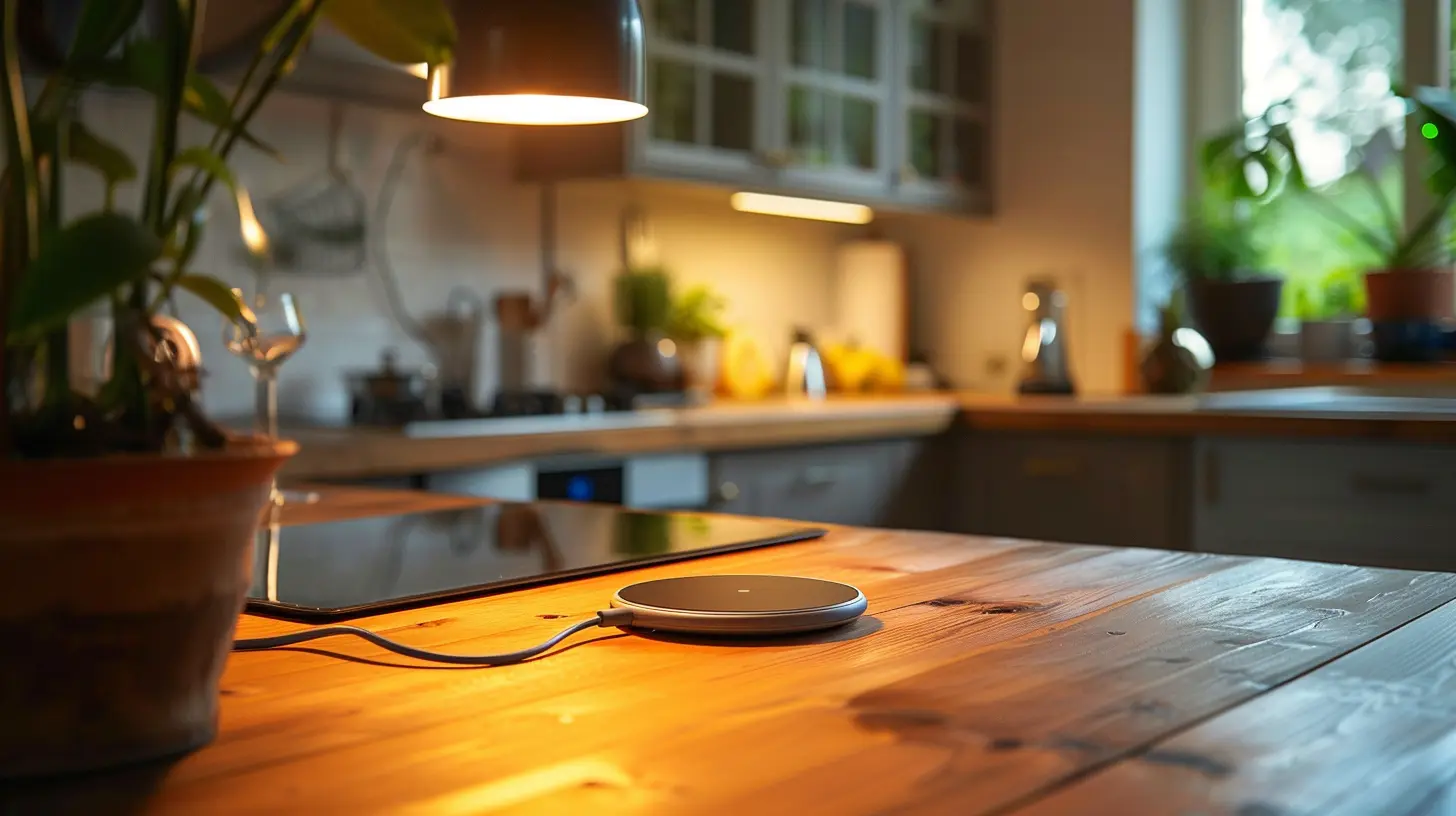
What Exactly Is Wireless Charging?
Let’s start with the basics.Wireless charging, at its core, is all about transferring energy from a charger to a device—without any physical cable connecting the two. Most of the time, it uses a method called inductive charging. You’ve got a charging pad with coils and a device (say, your smartphone) with coils too. When those coils line up, energy flows between them using electromagnetic fields. Boom—your device charges!
It sounds like magic, but it’s just physics doing its thing.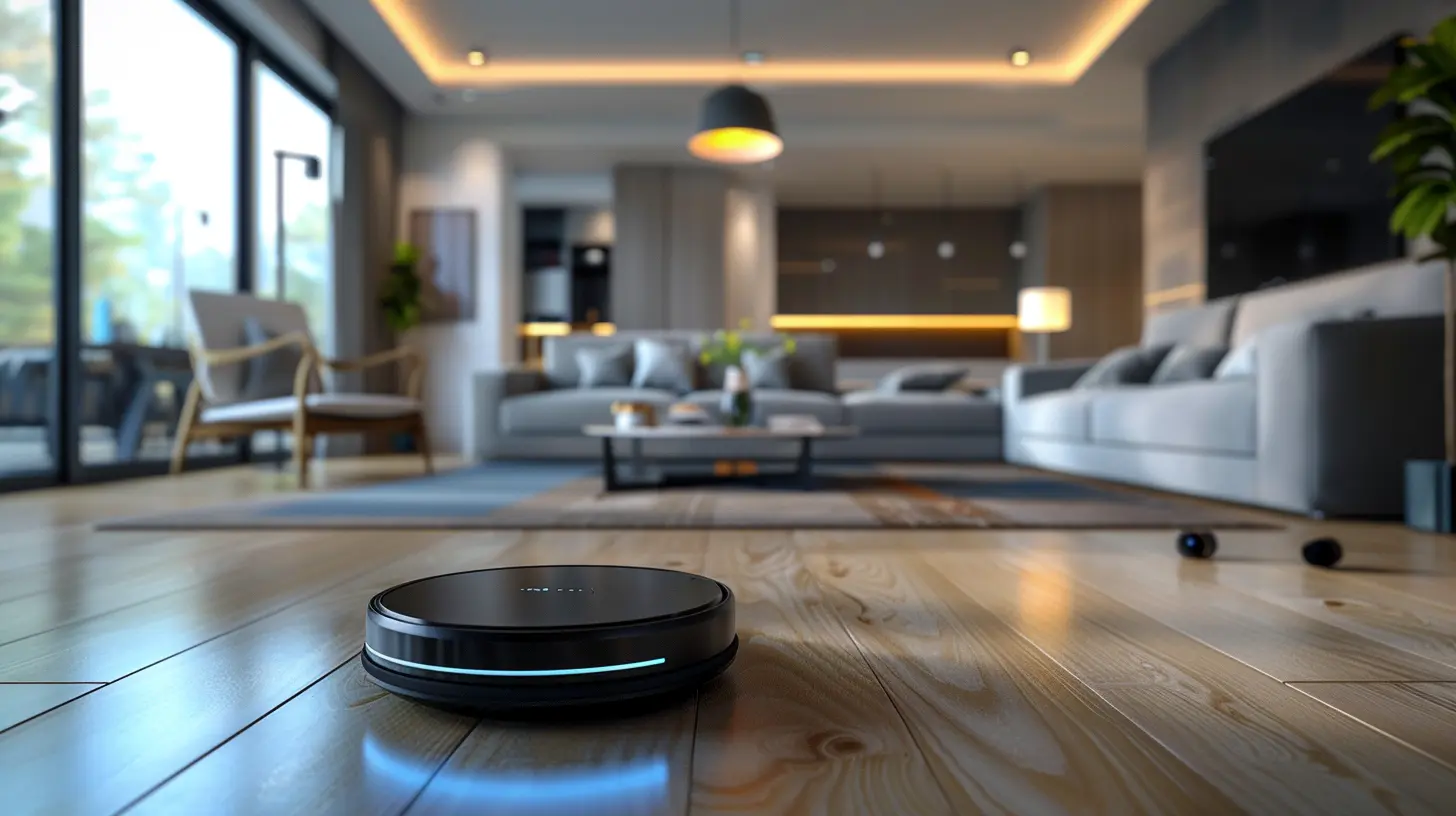
The Smart Home: A Growing Ecosystem
Before we talk about how wireless charging fits in, let’s take a quick look at the smart home landscape.These days, your house can have more connected gadgets than your local electronics store. Smart thermostats, lights, locks, doorbells, speakers, TVs, security cameras, vacuums, pet feeders, and even refrigerators—all talking to each other. Most of them need constant power. That means either battery changes or lots of wall outlets.
And that’s where the wireless revolution starts to get real interesting.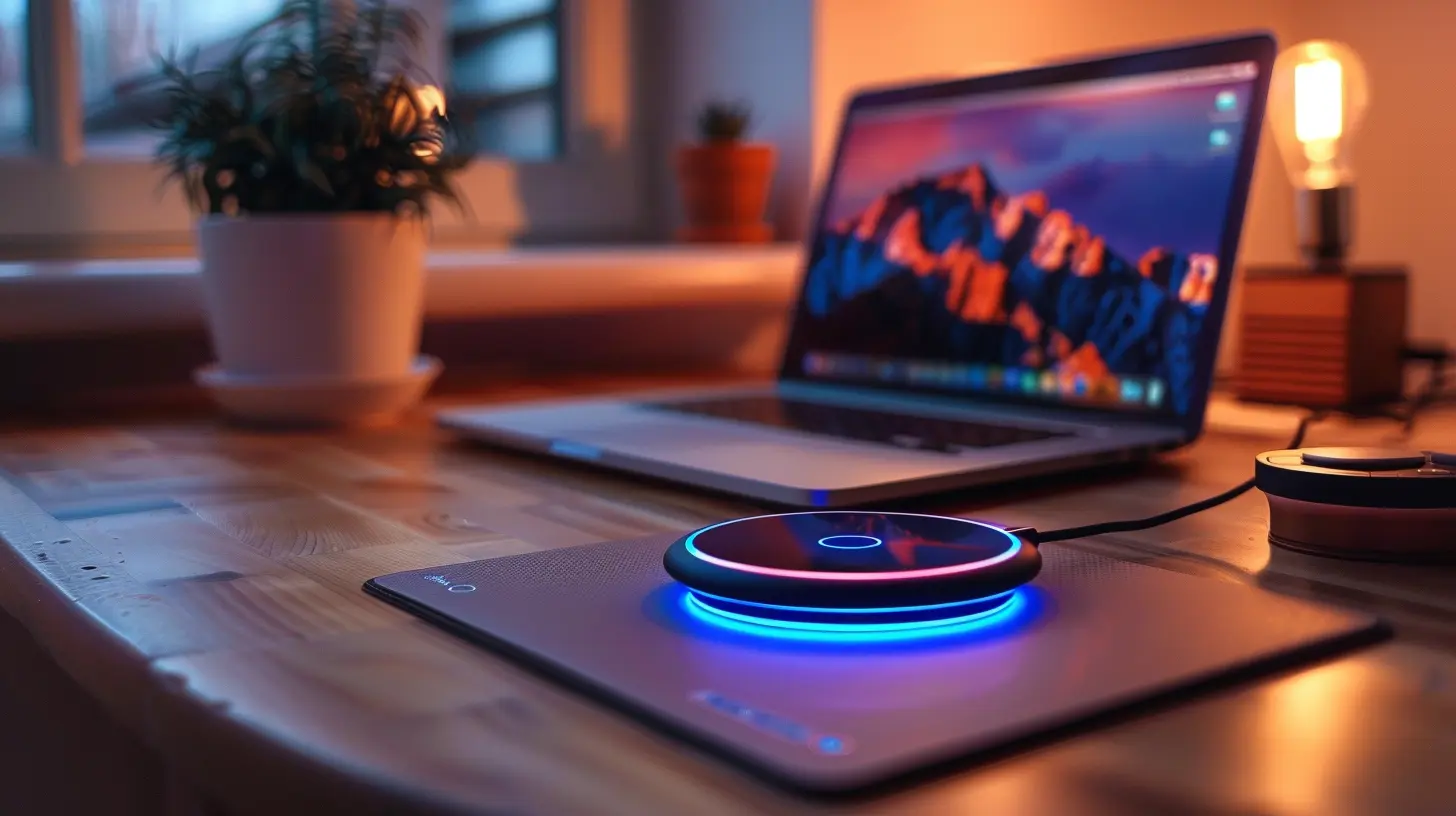
Cable Clutter Is The Enemy
Raise your hand if your home looks like a spaghetti bowl of wires. ?️Chargers tucked behind furniture, cables tangling under desks, cords crawling up your kitchen counter—it’s not just ugly, it’s frustrating. Wireless charging swoops in like a minimalist superhero and clears out the clutter.
By embedding charging pads into furniture—think nightstands, desks, coffee tables—you suddenly eliminate the need for all those cords. Devices get power when and where they need it. No fumbling for the right cable. No unplugging something else to make room.
Convenience: The Real Power Move
Here’s the deal: convenience is king.Wireless charging makes your smart home feel truly “smart” because it removes friction. Want your phone, smartwatch, and earbuds to charge overnight? Set them on a single pad. Done.
Need your robot vacuum ready to go at all times? It docks itself to a wireless charging base—no plugging in required. Toothbrushes, razors, even kitchen gadgets like blenders are starting to adopt this tech.
It’s smooth. Seamless. Effortless. And kind of what we all expected the future to feel like.
Integration with Smart Furniture
Yes, smart furniture is totally a thing now.Coffee tables with built-in Bluetooth speakers. Nightstands with motion-activated lights. And now? Wireless charging pads integrated right into the surface. Companies like IKEA, Belkin, and even some luxury furniture makers are weaving wireless charging right into your day-to-day life.
Imagine tossing your phone on your coffee table and not giving it another thought. That’s the next level of “set it and forget it.”
The Rise of Long-Range Wireless Charging
Hold up—charging without contact?That’s right. While most of today’s wireless chargers still require close proximity (your device touching the pad), things are evolving quickly. Tech companies are working on true wireless power—charging over distances.
Brands like Ossia and Wi-Charge are leading the charge (pun absolutely intended), developing systems that beam electricity across a room using radio waves or infrared light. Your devices just sip power out of the air—kind of like Wi-Fi, but for energy.
Imagine your smart speakers, cameras, and sensors never needing a battery swap. They’d be powered 24/7 without you lifting a finger.
Wireless Charging and Sustainability
Here’s something we don’t always talk about: e-waste.Every year, we throw out millions of chargers. That’s a ton of plastic, metal, and electronics ending up in landfills. Wireless charging reduces the need for so many cables, adapters, and dock accessories.
Plus, devices designed for wireless power can be sealed against dust and moisture, making them more durable—and last longer. That’s good for your wallet and the planet.
Unified Charging Standards = Less Headache
Remember the chaos of trying to find the right phone charger in a house full of Apple and Android users?Thanks to Qi standardization, that chaos is fading. Qi (pronounced “chee”) is the most common wireless charging standard, and it's supported by Apple, Samsung, Google, and dozens of others.
As the Qi standard expands to more household gadgets, we could see one universal charging method rule them all. Eventually, your lamp, speaker, and phone might all use the same charger.
Now that’s harmony.
Boosting Smart Device Uptime
Here’s a little-known fact: wireless charging can improve your smart home's uptime.Devices like smart locks, cameras, and motion sensors often rely on batteries. But with wireless charging stations embedded nearby (even hidden beneath counters or mounted on walls), these devices can top off automatically.
That means fewer “low battery” alerts, fewer trips to the hardware store, and more peace of mind.
In a smart home, uptime is everything.
Challenges Still Lurking
Okay, time for a reality check. Wireless charging isn’t perfect (yet).Efficiency Woes
Wireless charging still wastes more energy than wired. It typically runs at about 60–80% efficiency compared to a direct plug-in. That might not be a huge deal for phones, but over time it adds up.Heat Generation
Some wireless chargers generate heat while operating, which can slow charging or wear out batteries faster. Newer designs are improving this, but it’s something to keep an eye on.Limited Compatibility
While Qi is becoming the standard, not all devices support it yet. Older tech and niche gadgets may still require cables.Cost Factor
Wireless charging tech is still more expensive than traditional options. But as adoption grows, prices are expected to drop.Where Things Are Headed
The future? It’s cordless, baby.We’ll start seeing wireless charging everywhere. Walls, tables, kitchen counters, even cars. Entire homes could be fitted with long-range charging tech to power up gadgets on the fly.
We’re talking about smart homes that not only automate but also power themselves—all without human input.
Think auto-charging security drones, smart mirrors that juice up your brush, or even floors that charge your wearables while you walk.
The bottom line? Wireless charging is evolving from a “nice-to-have” into a “can’t-live-without-it.”
Final Thoughts: Why This Matters
Wireless charging might feel like a small upgrade, but its impact on the smart home ecosystem is massive.It simplifies daily life, reduces clutter, and helps devices work better, longer. It supports sustainability, promotes seamless user experiences, and lays the groundwork for even smarter homes.
If smart devices are the organs of your home, then wireless charging is becoming the bloodstream—constantly and quietly supplying the power they need.
So next time you drop your phone on a wireless pad and walk away without a second thought, just know—you’re living in the future.
all images in this post were generated using AI tools
Category:
Wireless ChargingAuthor:

Vincent Hubbard