How Wireless Charging is Shaping the Design of Future Devices
11 July 2026
Take a minute and think about your average day. How many times do you plug and unplug devices just to keep them alive? Your phone, smartwatch, earbuds, maybe even your laptop? It's kind of a drag, right? Now, imagine a future where all of that... just disappears. That’s the promise of wireless charging, and it's not just about convenience—it’s about redefining how our tech looks and works.
Wireless charging isn’t just sprouting up in fancy coffee shops or high-end electric vehicles anymore. It’s steadily becoming the new normal, and it’s influencing the way we use, design, and interact with our gadgets. Let’s dive into how wireless charging is shaping the design of future devices and what that could mean for you and your beloved technology.
The Basics: What Is Wireless Charging?
Before we jump into the nitty-gritty of futuristic design, let’s cover the basics.Wireless charging (or inductive charging) is a method of powering devices without direct physical connections. Instead, energy is transmitted from a charging pad or surface to your device through electromagnetic fields. You’ve probably seen this with Qi-enabled smartphones, where you simply place your phone on a pad—no cords, no fuss.
But here’s where it gets interesting: as this tech evolves, it’s not just staying tied to pads; it’s expanding to furniture, vehicles, and even the air around you. Yep, we're talking about true wireless charging—over-the-air power transmission. Wild, right?
Why Wireless Charging is More Than Just Cord-Free Charging
So, what’s the big deal about ditching cables? Isn’t it just about aesthetics and ease?Not quite. While less clutter is definitely a perk (who doesn’t love a tidy desk or nightstand?), wireless charging opens the floodgates for innovation in design. With fewer physical constraints, manufacturers can reimagine devices in sleek, seamless, and entirely new ways.
Let’s break down the ripple effects.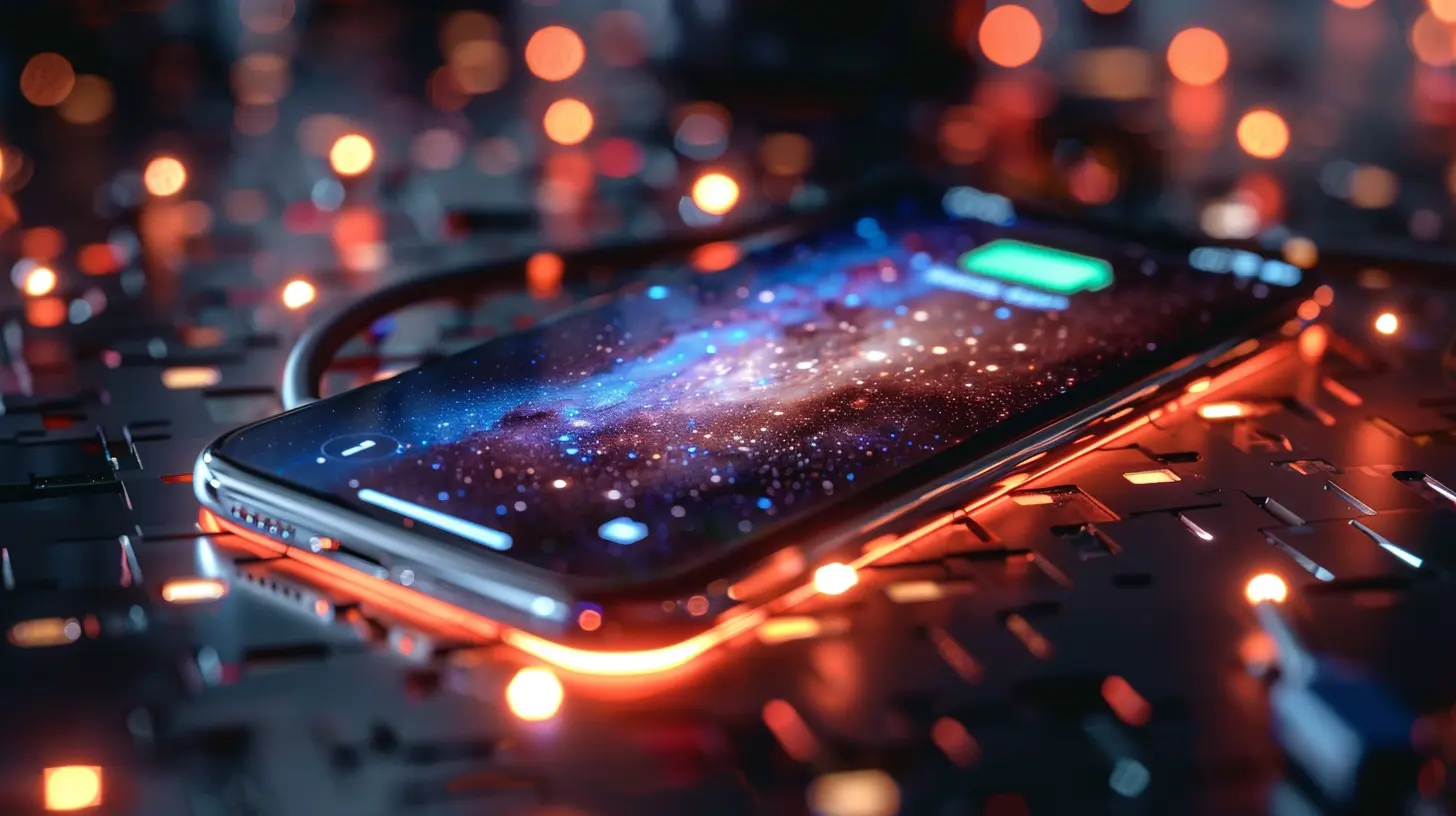
Slimmer, Sleeker Devices: Say Goodbye to Ports
Ports are kind of like the belly buttons of devices— necessary, but not always pretty. They require space, compromise waterproofing, and often become weak points over time. Manufacturers have long wanted to eliminate them, and wireless charging is the golden ticket.Take smartphones, for instance. We've already seen models without headphone jacks. The next phase? Phones without charging ports entirely. No ports mean:
- Better waterproofing
- More internal space for battery or components
- Streamlined, futuristic aesthetics
Apple, Samsung, and other big brands are flirting with the idea of fully portless phones, and wireless charging is a massive part of that conversation.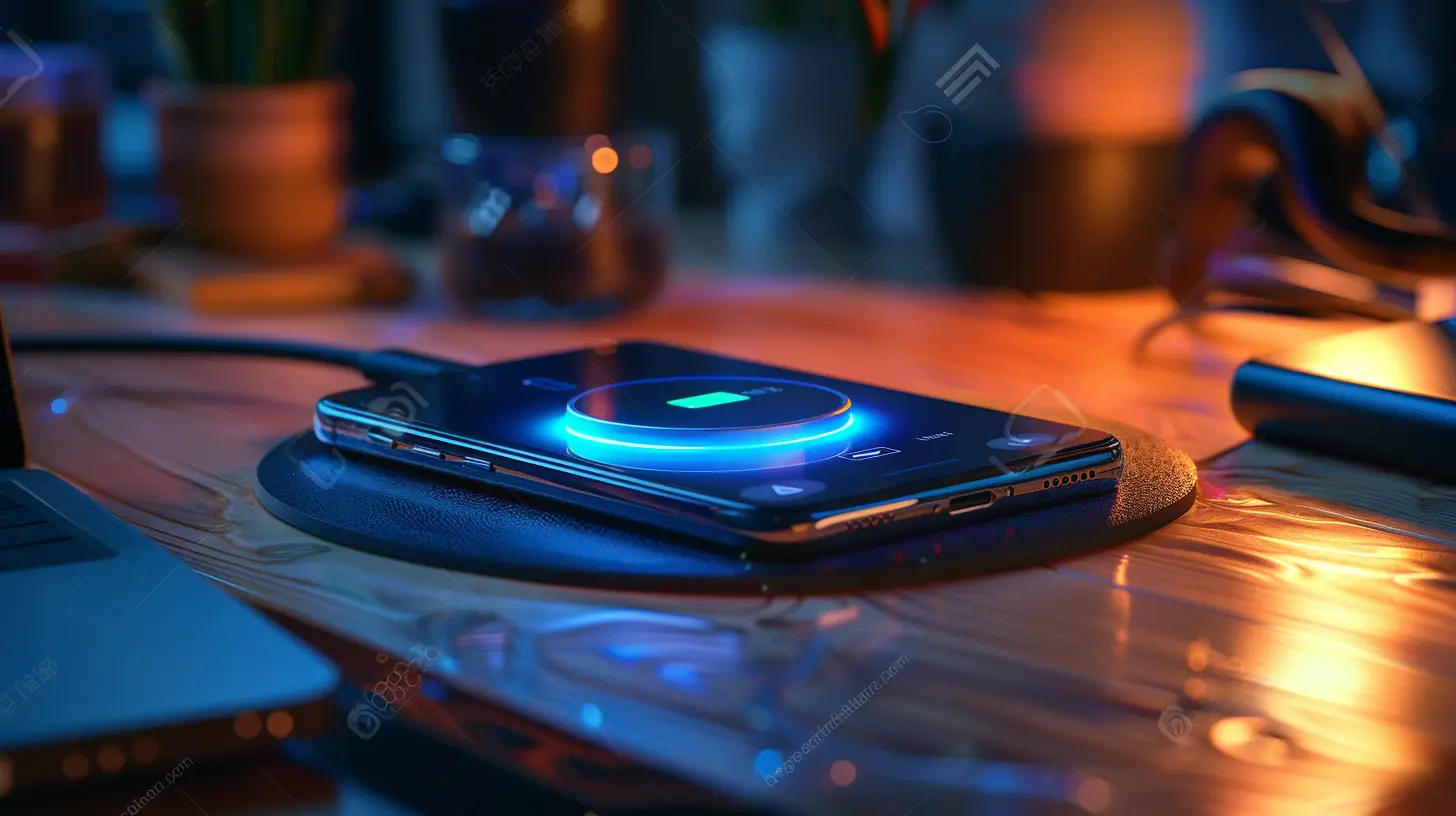
Design Freedom for Wearables and IoT Devices
Have you ever noticed how small and oddly shaped wearables are becoming? Smart rings, fitness bands, even smart contact lenses are in development. The challenge? Fitting a charging port into something that tiny is tricky at best and impossible at worst.Wireless charging to the rescue.
By removing the need for physical connectors, designers are free to shape devices based on user comfort and function, not hardware limitations. That means smoother surfaces, more durability, and all-around better experiences for wearables and IoT gear.
Imagine dropping your smart ring into a stylish dish at bedtime and waking up to a full charge. No plugs, no hassle.
Integration Into Everyday Surroundings
Another big way wireless charging is shaping design? It’s blending tech into our daily lives. We’re talking about wireless charging furniture, countertops, car dashboards—you name it.Picture this:
- You walk into a café and place your phone on the table—it starts charging automatically.
- Your desk at work charges your laptop, phone, and earbuds simultaneously.
- Your nightstand charges your smartwatch, glasses, and phone—all without a single cable.
In this world, power isn’t just everywhere—it’s invisible. That reimagines not just device design but also the stuff we surround ourselves with. Furniture makers, architects, and interior designers are already hopping on board.
Fewer Mechanical Parts = Longer Lifespans
Cables fray. Ports wear out. Dust gets in. Over time, all those moving parts cause issues. But wireless charging? It eliminates a lot of the wear and tear.No jamming in cables means:
- Less mechanical stress
- Fewer broken connectors
- Reduced maintenance
That means your devices last longer, work better, and save you money in the long run. More durability also boosts sustainability—less e-waste, fewer replacements.
It’s a win-win, right?
Opens the Door for Waterproof and Dustproof Innovation
We all know someone who's dropped their phone in the toilet (or maybe you are that someone—no judgment). Water and electronics don’t mix, but the fewer holes your device has, the more resistant it becomes.By ditching ports, devices can achieve higher IP ratings for water and dustproofing. This is HUGE for:
- Adventure gadgets
- Outdoor tech
- Medical devices
- Kids' electronics
Imagine a phone you can rinse under the tap—no rice bowl needed!
Encouraging a Shift in User Behaviors
Wireless charging not only shifts design trends, but it also changes the way we use our devices. We stop treating charging as a ritual and start integrating it into our environment, passively and continuously.Remember the early days of smartphones where battery anxiety ruled your life? Charging was an event. Now, with wireless pads at your desk, car, and airport lounge, charging blends into your routine.
This behavioral shift gives designers new insights: people are okay with slower charging speeds if it's constant and effortless. That opens the door to safer, cooler, and more energy-efficient charging techniques.
Challenges Designers Still Face
Okay, let’s not kid ourselves. Wireless charging isn’t perfect—yet.Here are a few design hurdles still on the table:
- Efficiency: Wireless charging can be slower and less energy-efficient than wired charging.
- Heat Management: Wireless charging generates more heat, and that needs to be managed to avoid overheating your device.
- Alignment Sensitivity: Many pads require precise placement, which can be annoying and limits design flexibility.
- Cost: Integrating wireless charging tech into devices and surfaces still adds a premium.
But, here’s the twist—every time a new tech hits the scene, early versions usually come with these kinds of rough edges. We saw it with USB, Bluetooth, face recognition—you name it. Give it a few years, and these bumps smooth out.
What Lies Ahead: Wireless Charging in 3–5 Years
So, what should we expect next?1. Over-the-Air Charging Becomes Real
Tech companies are already experimenting with charging devices without any contact—think Wi-Fi for power. This would truly free up device design and usage.Imagine charging your phone just by being in a room. No pads. No cords. Just power in the air.
2. Universal Charging Surfaces
Instead of tiny pads, we’ll see whole table surfaces or walls that can charge multiple devices regardless of placement or size.3. Charging Becomes a Feature of Public Infrastructure
Airports, buses, mall benches—wireless charging will be embedded into public and semi-public environments, much like free Wi-Fi is today.How Should You Prepare for This Shift?
So, what does this mean for you as a user, designer, or tech lover?- Choose Devices With Wireless Charging Capabilities: It’s increasingly becoming a standard feature.
- Invest in Multi-Charging Pads or Furniture: Upgrade your home or workspace with smarter solutions.
- Stay Updated With Standards Like Qi2: These ensure cross-compatibility and future-proofing.
And if you’re a creator or designer? Start thinking portless. Lean into minimalism. Think about how you can build devices and environments that interact with charging almost invisibly.
Bottom Line
Wireless charging isn’t just changing how we charge our devices—it’s transforming the very shape, style, and spirit of the devices themselves. From silent, portless gadgets to charging-enabled coffee tables, the future is undeniably wireless—and it’s coming fast.Gone are the days of fumbling with cords or worrying about connectors dying out. We’re stepping into a world where charging just happens, like magic in the background. And just like that, tech becomes more of what it should be: invisible, effortless, and beautifully designed.
all images in this post were generated using AI tools
Category:
Wireless ChargingAuthor:

Vincent Hubbard