IoT Devices and the Rise of Edge Computing
19 January 2026
We live in a world where everything—from your thermostat to your fridge—is getting smarter. Devices are no longer just machines; they’re mini-computers collecting, sharing, and analyzing data, often without us even noticing. This rapid growth in smart devices, or what we call the Internet of Things (IoT), is changing the game. But it’s also highlighting a major problem: the overload of data and the delays caused by traditional cloud computing. That’s where edge computing steps in.
So, what’s really going on with IoT and edge computing? Why is everyone in tech so hyped about it? Buckle up, because we’re diving into how these two powerful technologies are not just transforming industries—but rewriting the rulebook for how data is handled and processed.
What Are IoT Devices, Anyway?
Before we jump into the complex stuff, let’s get clear on what IoT devices actually are.IoT stands for the Internet of Things. It refers to any physical device that connects to the internet and shares data. Think smartwatches, smart home assistants, connected cars, industrial sensors, and even smart toothbrushes (yup, those exist).
Basically, if it can collect data and communicate with other devices or systems, it’s part of the IoT universe.
Everyday Examples of IoT Devices:
- Smart thermostats automatically adjust the temperature in your home based on your habits.- Wearable fitness trackers monitor your heart rate and steps.
- Security cameras stream real-time video to your phone.
- Agricultural sensors track soil moisture for optimal planting times.
- Industrial machines send alerts when maintenance is due.
Now, here’s the kicker: all these devices are constantly collecting massive amounts of data. And all that information has to go somewhere for processing.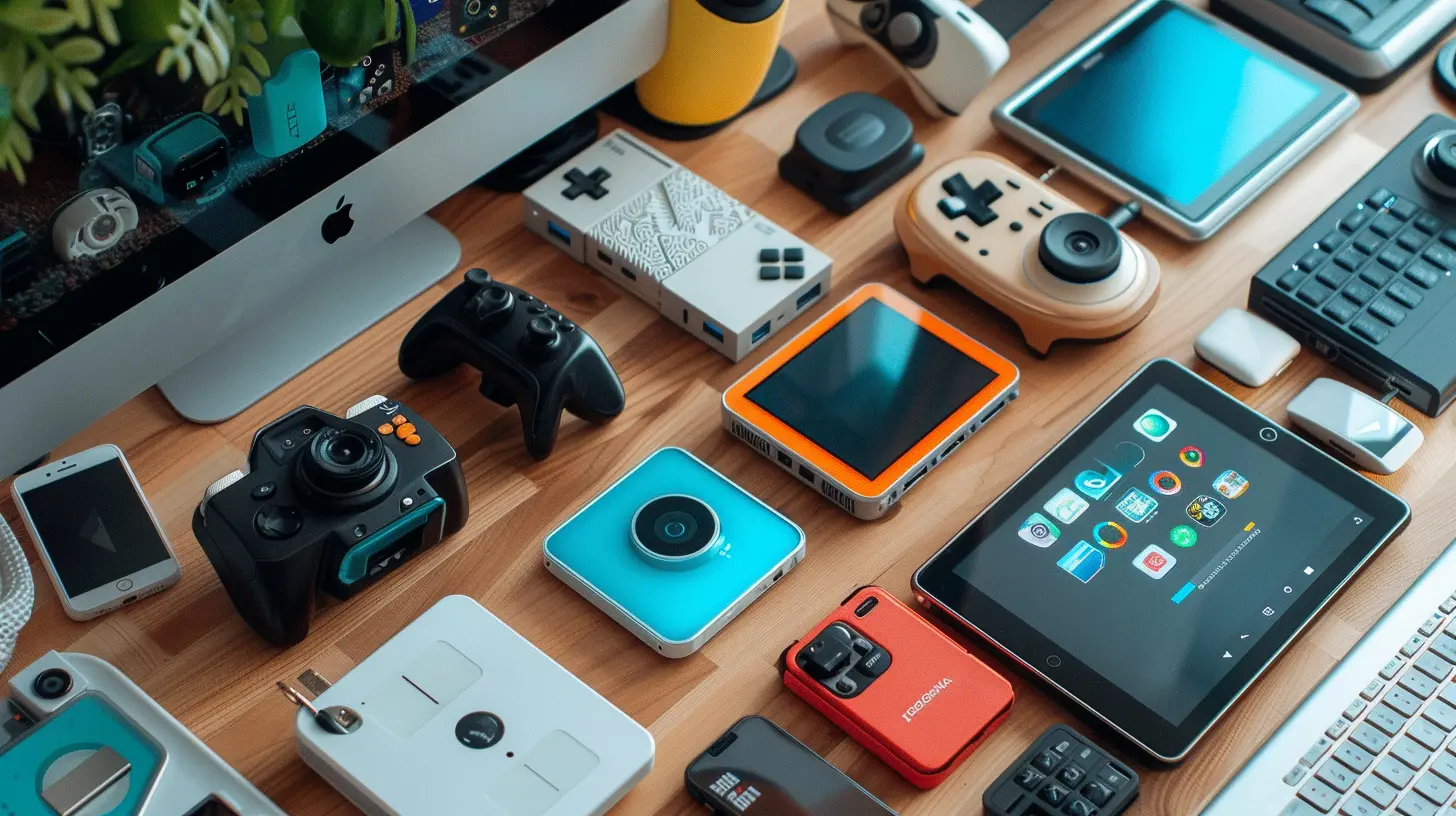
The Problem with Traditional Cloud Computing
When IoT first boomed, all the data generated by these devices was sent to centralized cloud servers for analysis. That worked fine at first—but not anymore.Let’s break it down.
Picture This:
You’re driving a self-driving car. It senses an obstacle ahead and needs to react in milliseconds. If it has to send that data all the way to a cloud server, wait for a response, and then act—well, you see where this is going. That delay could be the difference between safety and disaster.Key Limitations of Cloud Computing:
- Latency: Sending data back and forth to distant servers causes noticeable delays.- Bandwidth Overload: IoT devices generate huge volumes of data, congesting networks.
- Security Risks: The more data you send and store in centralized locations, the bigger the target for hackers.
- Cost Inefficiency: Sending everything to the cloud can be expensive, especially with limited processing needs.
Clearly, we needed a new approach. Enter edge computing.
So, What Is Edge Computing?
Edge computing is like giving your IoT devices a brain of their own—right where they are.Instead of sending all the data to a faraway cloud to be processed, edge computing processes it locally—on the device itself or on a nearby "edge" server. It's like the difference between asking someone across the room a question instead of phoning a friend in another country.
Real-World Analogy:
Imagine you're making toast. You could text your friend who lives 1,000 miles away to ask how long you should toast the bread—or, you could just check the instructions on the toaster. Edge computing is that toaster.
The Marriage of IoT and Edge Computing
IoT and edge computing aren’t just complementary—they’re made for each other. Think of edge computing as the brain and IoT devices as the senses. Together, they make split-second decisions and act swiftly, without needing to ‘phone home’ for every little thing.Why IoT Needs Edge Computing:
- Speed: Real-time decisions demand minimal latency.- Efficiency: Local processing reduces data transmission.
- Scalability: Easier to scale when not relying solely on centralized infrastructure.
- Resilience: Devices can still function even if disconnected from the main network.
Examples of Their Synergy in Action:
- Smart Cities: Traffic lights adjust on the fly based on real-time data from nearby sensors.- Healthcare: Wearables monitor vitals and alert doctors within seconds during emergencies.
- Retail: Sensors in stores track customer movement and preferences for personalized ads—on the spot.
- Manufacturing: Equipment detects anomalies, prevents breakdowns, and improves safety—all locally.
Industries Benefiting the Most
1. Healthcare
Edge computing in healthcare is a game-changer. With wearable tech and hospital devices pumping out data 24/7, edge computing helps in real-time patient monitoring. Doctors get alerts before something goes wrong—potentially saving lives.2. Manufacturing
The “smart factory” is no longer sci-fi. Machines on factory floors now analyze data instantly to optimize production, identify faults, and improve safety. Downtime? Practically extinct.3. Transportation
Think autonomous vehicles, traffic systems, and shipment tracking. Edge computing helps keep everything moving smoothly—literally. Real-time decisions mean better route planning, fewer accidents, and quicker deliveries.4. Retail
Ever notice how some stores seem to read your mind? Sensors monitor your behavior and edge computing processes that data instantly to create tailored promotions. Creepy? Maybe. Effective? Definitely.The Technical Side (Without the Jargon Overload)
Alright, for those of you who want a peek under the hood—without going full nerd—here’s a simplified breakdown of how it works:1. Data Collection: IoT devices collect raw data (temperature, motion, sound—you name it).
2. Local Processing: That data is crunched on-device or nearby via a microdata center (edge node).
3. Actionable Output: Decisions are made in real time (e.g., adjust thermostat, trigger alarm).
4. Cloud Sync (When Needed): Only important or summarized data heads to the cloud for long-term storage or deeper analysis.
So instead of flooding the internet with raw info, edge computing filters and acts on it locally. It's basically the difference between smart and smarter.
Challenges on the Horizon
With all this promise, you might be wondering, "Is this too good to be true?" Not exactly—but there are hurdles.1. Security Concerns
Decentralizing data can reduce some risks, sure—but it introduces others. With more nodes, there are more potential entry points for attackers.2. Standardization
Since edge computing is still relatively new, different manufacturers use different protocols. That lack of uniformity can lead to compatibility issues.3. Infrastructure Demands
You need reliable, high-performing hardware on the edge. Those costs can stack up, especially for large-scale deployments.4. Maintenance
Managing thousands of tiny data centers (a.k.a. edge nodes) scattered everywhere? That adds a whole new layer of complexity.The Future: Where Are We Headed?
Right now, we’re only scratching the surface.As 5G becomes more widespread, the potential for both IoT and edge computing explodes. We’re talking ultra-low latency, lightning-fast data transfers, and more device-to-device communication than ever before.
Soon, we could see:
- Smart hospitals where devices diagnose and treat before doctors even step in.
- Fully autonomous vehicles with zero need for remote guidance.
- Hyper-personalized experiences in shopping, entertainment, and education.
The fusion of IoT and edge computing is basically laying the groundwork for a world where everything "just works"—fluidly, instantly, and intelligently.
Final Thoughts
IoT has brought us a flood of smart devices, each more capable than the last. But as these devices grew smarter, they also demanded faster and more efficient ways to handle their data. Enter edge computing: the sidekick every IoT device didn’t know it needed.Together, they’re not just changing how we use technology—they're reshaping entire industries, economies, and the way we live our lives.
So next time your smartwatch saves your workout data or your smart speaker answers a question in a blink, remember—there’s probably a little edge computing magic making it all happen.
all images in this post were generated using AI tools
Category:
Iot DevicesAuthor:

Vincent Hubbard
Discussion
rate this article
2 comments
Valeris McQuillan
The integration of IoT devices with edge computing is revolutionizing data processing, enhancing real-time analytics, and reducing latency. This synergy not only improves efficiency but also empowers smarter decision-making across various industries.
February 7, 2026 at 4:07 AM
Vincent Hubbard
Absolutely! The combination of IoT and edge computing is a game changer, driving faster insights and smarter solutions in many fields. Exciting times ahead!
Emma Martin
Edge computing isn’t just a trend—it’s a necessity. As IoT devices proliferate, harnessing real-time data processing will redefine efficiency and innovation in tech.
January 19, 2026 at 5:38 AM
Vincent Hubbard
Thank you for your insight! I completely agree—edge computing is indeed essential for maximizing the potential of IoT devices and driving future innovations.