Marketing Automation Trends That Will Define 2026
5 May 2026
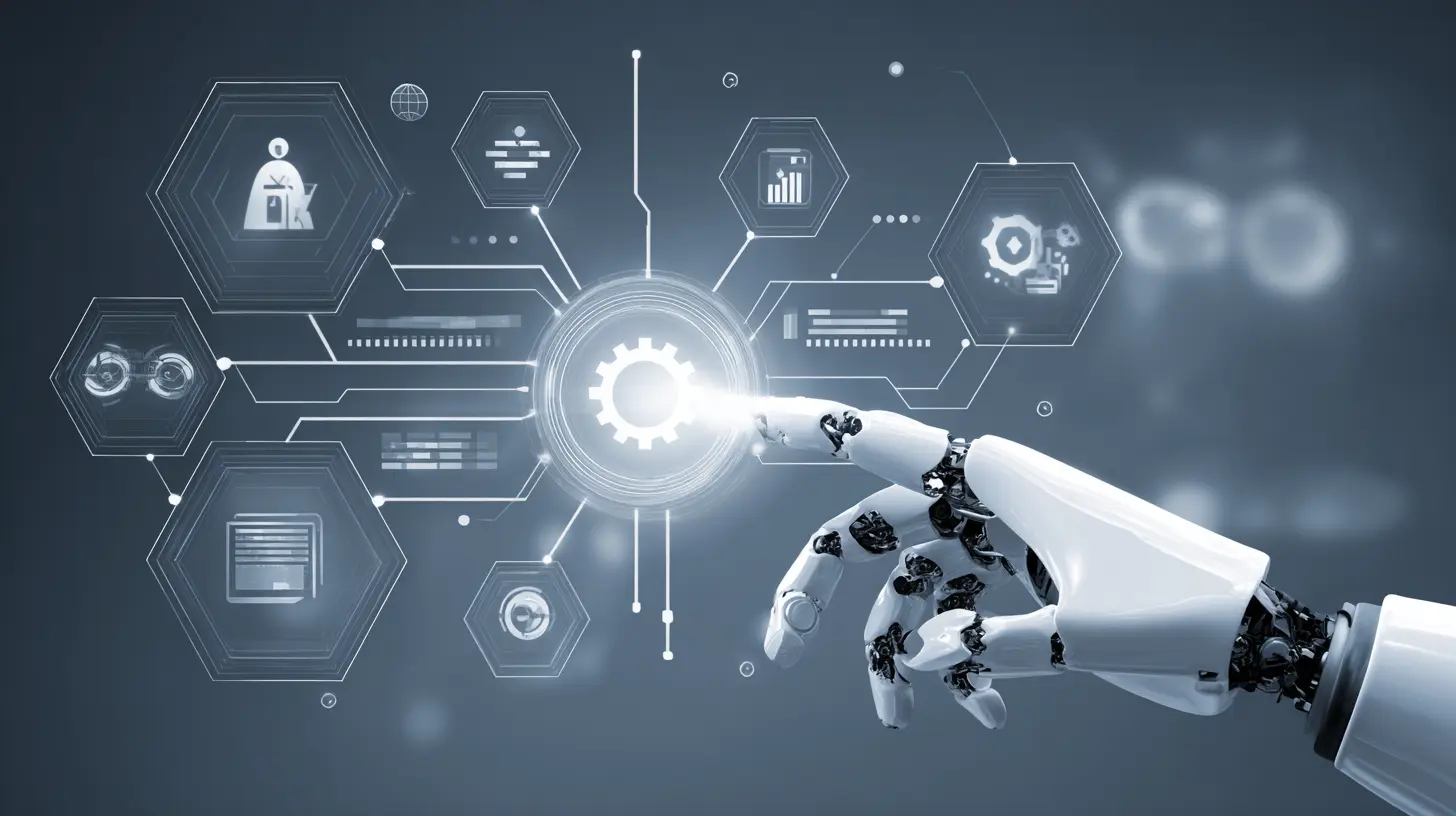
Let's be honest for a second. If you hear the phrase "marketing automation" and immediately picture a robot arm slapping a "Buy Now" sticker on everything that moves, you're not alone. That image is about as outdated as a flip phone. Marketing automation in 2026 isn't about blasting generic emails into the void. It's about weaving a thread of personal connection through a digital world that's louder than a rock concert. We're moving past the "set it and forget it" era. That era is dead. It's buried. And honestly, it's kind of embarrassing we ever trusted it.
So, what happens next? You strap in. Because 2026 isn't just another year on the calendar. It's the year the machines stop just doing tasks and start thinking about them. I'm talking about a shift so big, it feels like someone swapped the engine of your Honda Civic with a warp drive. Let's dive into the weird, wild, and wonderfully human trends that are going to define how we automate our marketing in the near future.
The Death of the "Batch and Blast" (Good Riddance)
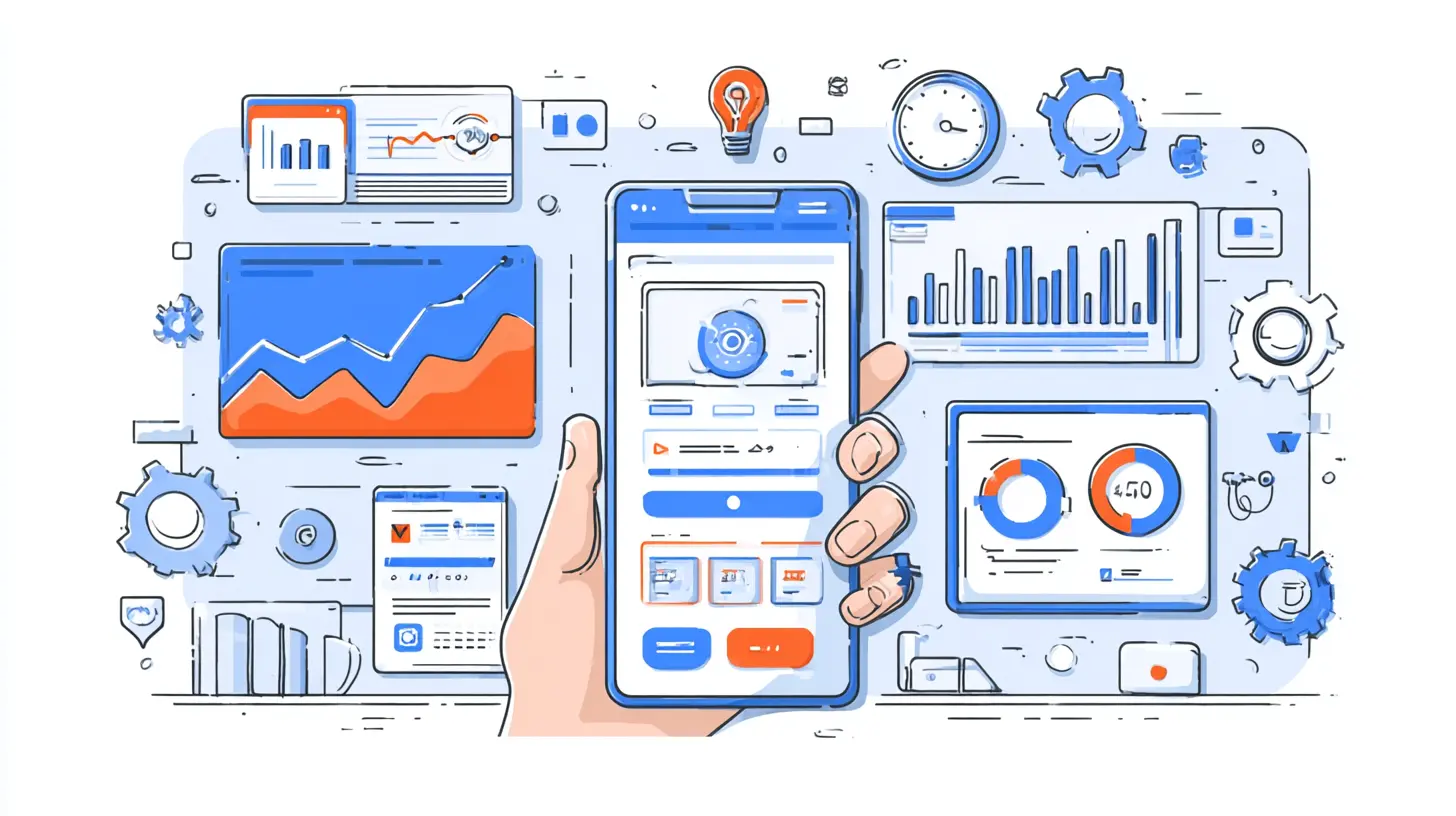
Remember the old days? You'd write one email, schedule it for 10,000 people, and pray your open rate didn't look like a flatline. That was "batch and blast." It was the marketing equivalent of throwing a handful of spaghetti at the wall and seeing what sticks. In 2026, that tactic is not just ineffective; it's offensive. Consumers have developed a sixth sense for lazy automation. They can smell a templated newsletter from a mile away.The new baseline is hyper-personalization, but not the kind that just swaps out a first name. "Hey {{First Name}}, check out our sale!" is the bare minimum, and it's frankly insulting. In 2026, your automation platform needs to know what the customer had for breakfast (metaphorically speaking), what they clicked on three days ago, and what mood they seem to be in based on their scrolling behavior.
We are talking about predictive personalization. The system doesn't just react to what a user did; it anticipates what they will do. Think of it like a really intuitive bartender. You walk in, they see your tired eyes, and they already have your usual drink poured before you even sit down. That's the feeling we're chasing. The tech stack for 2026 is all about gathering zero-party data (data the customer willingly gives you) and using it to build a journey that feels like a conversation, not a broadcast. If you're still using a 2018-era "spray and pray" model, you're not just behind. You're invisible.
AI That Doesn't Just Write, But Feels
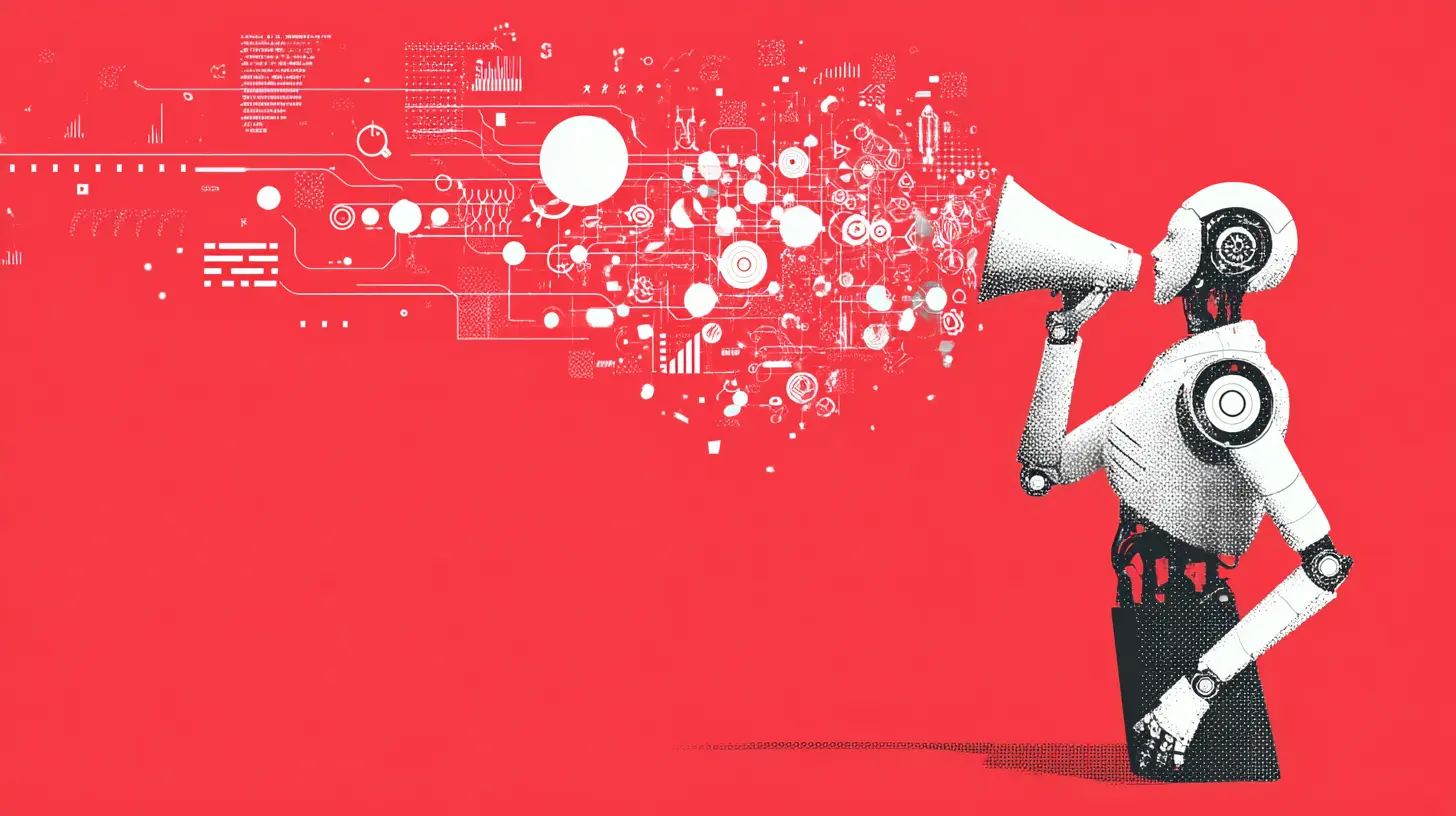
Alright, let's talk about the elephant in the server room: generative AI. In 2025, everyone was freaking out about AI writing their blog posts. In 2026, the conversation shifts. It's not about if AI writes, but how it writes. The trend is moving toward "emotional intelligence automation." Sounds fancy, right? It's actually pretty simple.Imagine an AI that doesn't just generate a subject line. It generates a subject line based on the user's current emotional state, deduced from their browsing history and previous interactions. If a user has been looking at troubleshooting guides for two hours, they're frustrated. The AI knows this. So instead of blasting them with a "Limited Time Offer," it sends a calm, helpful guide titled "Here's How to Fix That Annoying Glitch." The AI isn't just a writer; it's a digital empath.
This requires a massive leap in the quality of the data model. We are moving away from keyword stuffing and toward "intent stuffing." The automation needs to understand why a person is doing something, not just what they are doing. It's the difference between a GPS that gives you directions and a GPS that tells you to stop at your favorite coffee shop because you're running early and you look like you need a pick-me-up. That's the level of "feeling" we are talking about. And the brands that nail this in 2026 will be the ones that feel less like a corporation and more like a helpful friend who just happens to sell stuff.
The Rise of the "No-Code" Automation Architect
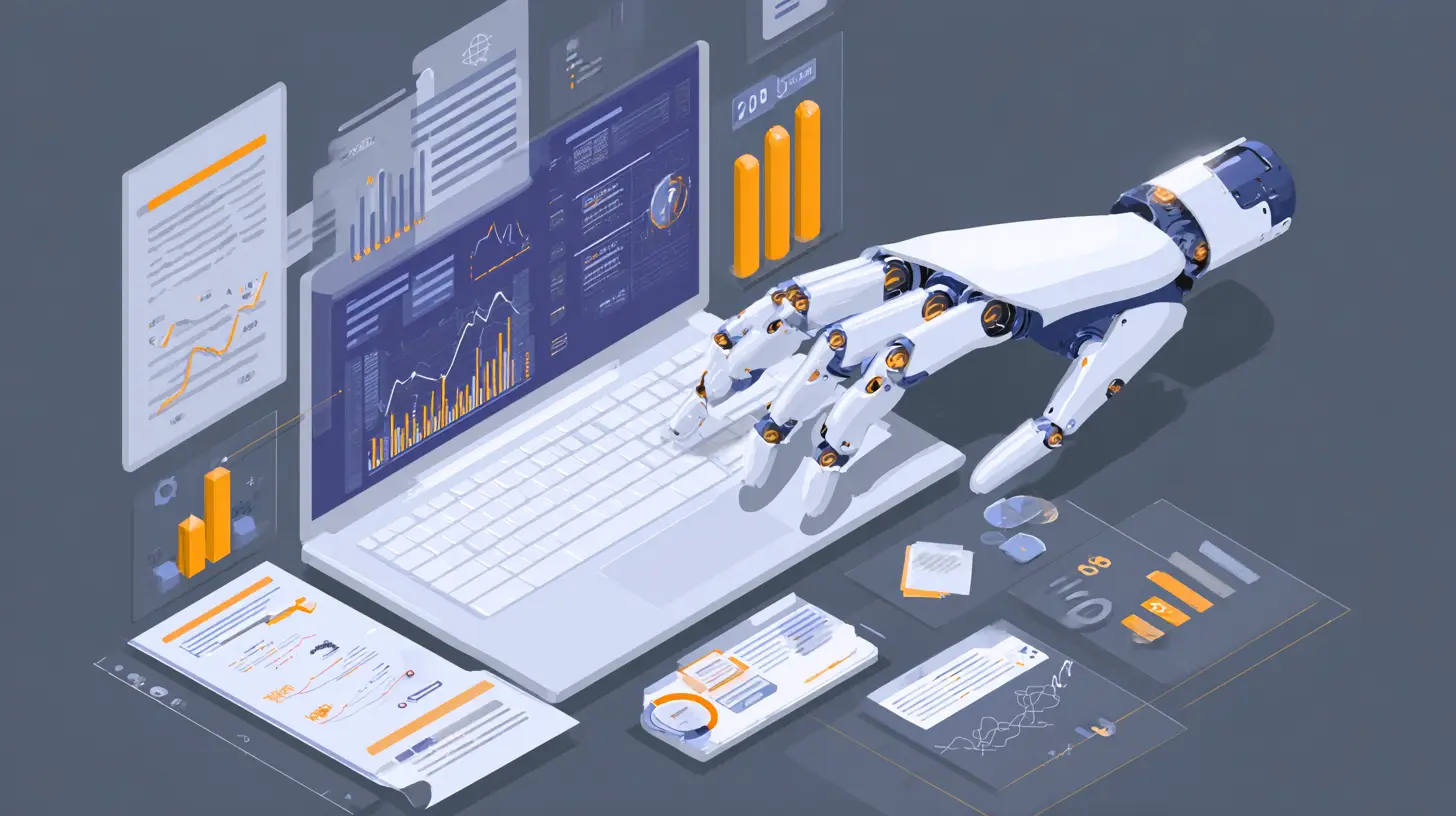
Here's a dirty little secret: most marketing teams are understaffed. The gap between what we want to automate and the technical skills to actually do it is wider than the Grand Canyon. Enter the era of the "no-code" architect. In 2026, you don't need to be a Python wizard to build a complex automation workflow. The tools are getting so visual, so drag-and-drop, that they feel more like playing with LEGOs than writing a script.This trend is democratizing automation. The intern who understands the customer journey better than the CTO can now build a multi-step nurture sequence without putting in a ticket to IT. The software is getting smarter at suggesting the next step. You connect a trigger (someone downloads a PDF), and the system suggests the best follow-up action based on millions of data points from other users.
This is huge. It means marketing becomes more agile. You can test a crazy idea on a Tuesday and have a live automation running by lunchtime on Wednesday. The barrier to entry is lowering, which means the quality of the idea becomes more important than the quality of the code. If you are a marketer and you aren't learning how to use these visual builders, you are going to be left behind. The future belongs to the curious, not just the technical.
Privacy is the New Personalization Currency
We have to address the elephant in the room: cookies are crumbling. Third-party data is becoming a ghost. In 2026, you can't just buy a list of email addresses and hope for the best. That's a one-way ticket to a spam folder and a lawsuit. The trend is "consent-based automation." It sounds boring, but it's actually the most liberating thing to happen to marketing since the "unsubscribe" button.Think of it like this: in the old days, you were a stalker. You followed people around the internet, taking notes on their behavior without asking. Now, you have to be a host. You invite them into your home (your email list, your app), and they tell you what they like. You have to earn their trust.
Automation in 2026 will be built on "preference centers" that actually matter. Instead of "check this box to get all emails," you give users granular control. "Send me deals on Tuesdays, but only for running shoes. And don't email me after 8 PM." The automation respects these boundaries like a sacred oath. The brands that win will be the ones that make the user feel safe and in control. The ones that try to sneak around the privacy rules will get burned. Badly. It's a trust game, and the automation is the handshake.
Conversational Commerce: The End of the Landing Page?
Landing pages aren't dead, but they are getting a serious facelift. The trend for 2026 is the merging of automation with conversational AI. Instead of filling out a form and waiting for a reply, the customer talks to a bot (or a human) right there on the page. The automation isn't a sequence of emails; it's a real-time dialogue.This is where "burstiness" comes into play. The conversation isn't linear. It jumps. The user asks a weird question, the bot answers, the bot recommends a product, the user buys it, and the whole thing happens in 90 seconds. The automation platform is managing the flow, handing off to a human when the bot gets confused, and logging everything for future marketing.
This trend is eating the traditional "lead magnet" model for breakfast. Why download a PDF when you can just ask the bot a question and get the answer right now? In 2026, the best marketing automation is invisible. It's the engine running the chat window that feels like a helpful salesperson who never sleeps. It's not about "nurturing" a lead for weeks. It's about closing the gap between interest and purchase to zero.
The "Anti-Automation" Automation
Here is the quirky part. In a world of relentless automation, the most powerful trend will be the "anti-automation" automation. The deliberate pause. The intentional human touch.Think about it. If every email you get is perfectly timed and perfectly written by an AI, it all starts to feel the same. It's like a room full of paintings that are all technically perfect but have no soul. In 2026, smart marketers will automate the detection of when to be human.
The system will flag a high-value customer who has gone through three automated sequences without converting. Instead of sending a fourth automated email, the system triggers a task for a real human. "Hey, Sarah. Call this person. They're on the fence, and they need a real voice."
This is the "perplexity" of the new marketing. It's unpredictable. The customer doesn't know if the next message will be from a bot or a human. The automation becomes a stage director, setting the scene, but letting the actors (the humans) take the spotlight when it matters most. The most advanced automation in 2026 will be the one that knows when to shut up and let a human speak.
Predictive Analytics for the "Micro-Moment"
We've talked about personalization, but let's get granular. In 2026, automation will be obsessed with the "micro-moment." This is a moment that lasts about five seconds. It's the moment a user hesitates on a checkout page. It's the moment they scroll past a testimonial. It's the moment they type a question into the search bar and then stop.The automation of the future isn't just watching the big picture; it's watching the twitches. Predictive analytics will be so sharp that it can trigger a specific, tiny action based on a user's hesitation. If a user pauses on the shipping cost field for more than three seconds, a pop-up appears: "Free shipping on orders over $50. You're only $12 away!"
That's not magic. That's automation reading the room. It's the digital equivalent of a salesperson noticing you looking at your watch and saying, "I know you're in a hurry, so here's the short version." These micro-moments are where conversions are won or lost. The automation that can capture them will be the one that owns the market.
Hyper-Localized and Contextual Automation
Global is great, but local is where the heart is. In 2026, automation will get hyper-local. Not just "State" or "City," but "Neighborhood." The system knows the weather in your zip code. It knows your commute time. It knows when the local sports team won last night.An automation for a coffee shop chain in 2026 might work like this: It's 7 AM. It's raining in your neighborhood. You just opened your email app. The automation triggers a message: "Hey, it's wet out there. We saved your usual spot by the window. Come in and get a 20% discount on a warm pastry." That's not an ad. That's a nudge from a friend who knows your routine.
This level of contextual awareness requires a massive data integration. Your CRM needs to talk to your weather app. Your email platform needs to talk to your calendar. In 2026, the best automations are the ones that live at the intersection of data streams. They are the master weavers of digital information.
The Integration of "Gamified" Automation
People love games. We love points, badges, and leaderboards. In 2026, marketing automation will borrow heavily from game design. It's not just about buying a product; it's about completing a journey.Automation will trigger "quests." "Complete your profile to unlock a secret discount." "Share this product with three friends to level up to VIP status." The automation tracks the progress, sends encouraging nudges, and celebrates the wins. It turns the boring process of "customer onboarding" into a fun little adventure.
This works because it plays on our natural desire for completion. We hate leaving a task unfinished. A well-designed "gamified" automation can increase engagement by double digits simply by making the user feel like they are playing a game, not being sold to. It's the marketing equivalent of turning a chore into a challenge.
Wrapping It Up: The Human-AI Symbiosis
So, what is the one takeaway from all of this? Marketing automation in 2026 is not about replacing humans. It's about amplifying them. The machines handle the repetitive, the predictable, the data-crunching. They become the perfect assistants, never sleeping, never complaining.But the strategy, the creativity, the empathy? That's still ours. The best marketing in 2026 will come from a partnership. You bring the heart. The automation brings the scale. You bring the story. The automation brings the audience. You bring the weird, quirky, human idea. The automation brings the perfect timing.
Don't be afraid of the robots. Learn to dance with them. Because if you do, 2026 might just be the most exciting year for marketing yet. Now, go build something that feels alive.
all images in this post were generated using AI tools
Category:
Digital Marketing ToolsAuthor:

Vincent Hubbard
Discussion
rate this article
2 comments
Roxie McHugh
Great insights on the future of marketing automation! It's exciting to see how these trends will shape the industry in 2026. Embracing technology and data-driven strategies will certainly help businesses thrive in an ever-evolving landscape. Keep up the good work!
May 15, 2026 at 3:29 AM
Vincent Hubbard
Thank you! I'm glad you found the insights valuable. Exciting times ahead for marketing automation!
Amos McGhee
The marketing automation landscape is evolving rapidly. Businesses must adapt to emerging trends like AI integration and personalized customer journeys to stay competitive and meet changing consumer expectations in 2026.
May 8, 2026 at 12:10 PM
Vincent Hubbard
Absolutely, adapting to AI and personalization is crucial. Keeping pace with these trends will be key for success in 2026.