Revolutionizing Email Marketing with Advanced Tools by 2027
21 April 2026
Email marketing has been around for decades, and while it might feel like an old dog that’s hard to teach new tricks, the truth is, it’s evolving rapidly. By 2027, we can expect a wave of advanced tools that will not just enhance our email marketing strategies but revolutionize them entirely. So, buckle up as we dive into the exciting world of email marketing and how it’s set to transform in the coming years!

The Current State of Email Marketing
Before we look forward, let’s take a quick glance back. Email marketing has been a cornerstone of digital marketing for a long time. With over 4 billion email users globally, it’s an effective way to reach potential customers. But let’s be honest—many of us have experienced our fair share of spammy emails that end up in the trash bin. That’s not the future we want for email marketing.Why Email Marketing Still Matters
Despite the rise of social media and instant messaging apps, email remains a powerful tool. Why? Because it’s personal. It allows brands to communicate directly with their audience. When done right, email marketing can nurture leads, build relationships, and ultimately drive sales. But how do we keep it fresh and relevant in a world that’s constantly changing?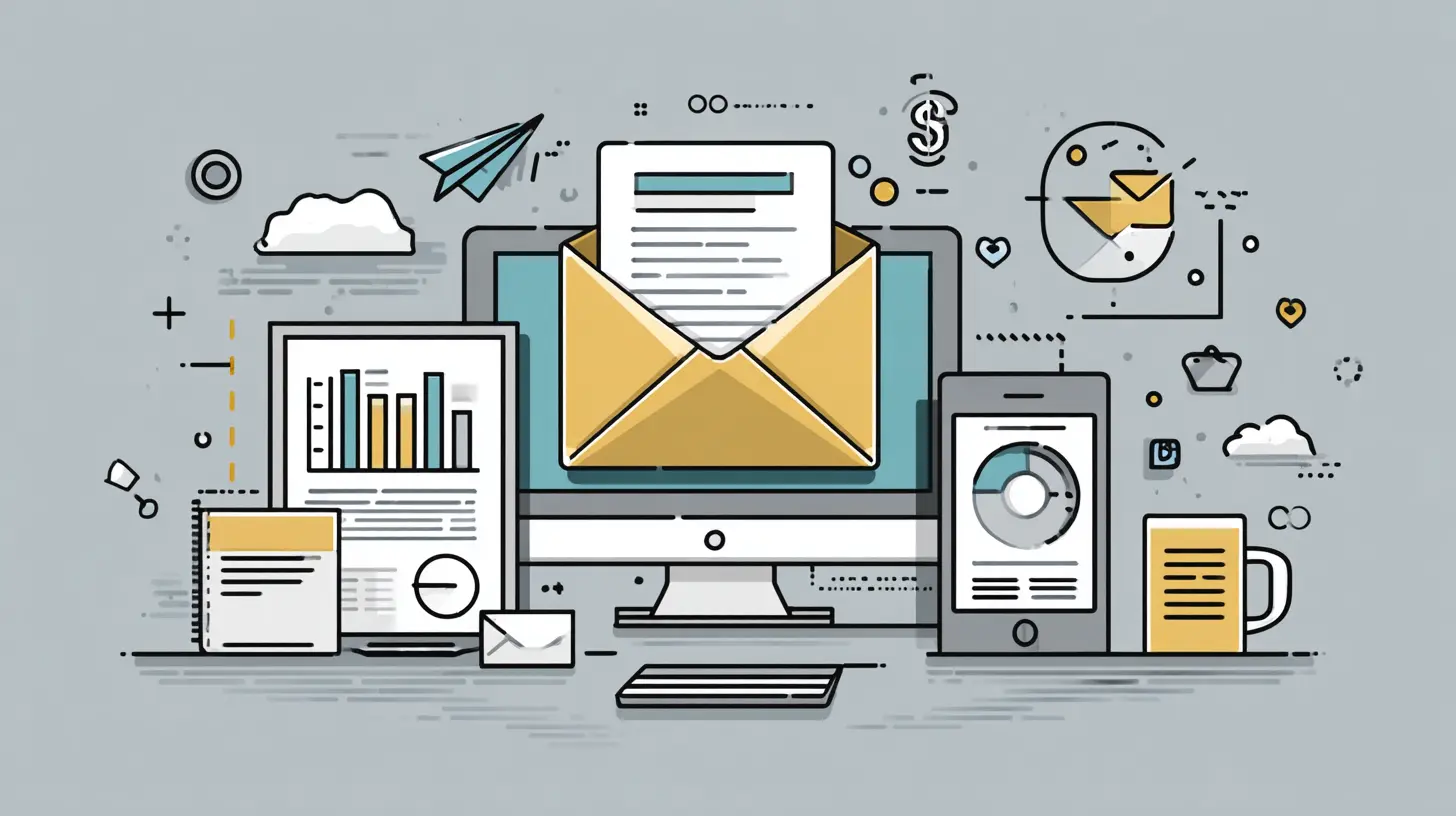
The Need for Advanced Tools
As we look toward 2027, the need for advanced tools in email marketing is more pressing than ever. Traditional methods just won’t cut it anymore. With the sheer volume of emails sent daily, standing out in the inbox is a challenge. This is where innovation comes into play.Personalization Will Be Key
Imagine walking into your favorite coffee shop, and the barista greets you by name and remembers your usual order. That’s the kind of personal touch we’re aiming for in email marketing. Advanced tools will enable marketers to create hyper-personalized emails that cater to individual preferences and behaviors.How Will This Work?
Thanks to AI and machine learning, marketers will have access to vast amounts of data. This data can be analyzed to understand customer behavior, preferences, and even future buying patterns. By 2027, we can expect tools that automatically segment audiences based on their actions, ensuring that each email feels tailor-made.Automation: The Game Changer
Let’s face it—nobody has the time to manually send emails to thousands of subscribers. Enter automation. Advanced tools will allow marketers to set up automated campaigns that respond to user actions in real-time.Triggered Emails
Imagine receiving an email just when you’re about to abandon your shopping cart. Or getting a follow-up email after you’ve downloaded a free resource. These triggered emails can dramatically increase engagement rates and conversions. By 2027, we’ll see even more sophisticated automation techniques that can predict user behavior.
The Role of AI and Machine Learning
AI and machine learning are not just buzzwords; they’re transforming the way we approach email marketing. By 2027, we can expect these technologies to play a central role in how campaigns are created, executed, and analyzed.Predictive Analytics
What if you could predict which products your customers are likely to buy next? With predictive analytics, that’s not just a dream—it’s a reality. By analyzing past behaviors and trends, advanced tools will help marketers anticipate customer needs and tailor their emails accordingly.Content Generation
Ever thought about how much time it takes to write engaging email content? Advanced AI tools will soon be able to generate personalized email copy that resonates with individual recipients. This means less time spent on content creation and more time focusing on strategy.
Enhanced Visuals and Interactive Content
Gone are the days of plain text emails. By 2027, we can expect emails to be more visually appealing and interactive. Think of emails as mini-websites that engage users in a more dynamic way.Dynamic Content
Imagine receiving an email that changes its content based on your preferences. That’s the power of dynamic content. Advanced tools will allow marketers to create emails that adapt to the recipient’s interests, making each email a unique experience.Interactive Elements
From polls to quizzes, interactive elements will make email marketing more engaging. By incorporating these features, brands can encourage recipients to interact with their emails, leading to higher engagement rates.Integration with Other Marketing Channels
In the fast-paced world of digital marketing, integration is crucial. By 2027, we’ll see email marketing tools that seamlessly integrate with other platforms, creating a cohesive marketing strategy.Omnichannel Marketing
Imagine a world where your email marketing efforts are perfectly aligned with your social media campaigns, website content, and even offline marketing. Advanced tools will enable marketers to create a unified brand experience across all channels. This will not only enhance customer experience but also improve overall marketing effectiveness.Real-Time Analytics
Data is king, and having real-time analytics will be a game-changer. By integrating email marketing tools with analytics platforms, marketers will be able to track campaign performance in real-time, allowing for quick adjustments and optimizations.
Embracing Privacy and Compliance
As technology advances, so do concerns about privacy. By 2027, we can expect email marketing tools to prioritize user privacy and compliance with regulations like GDPR and CCPA.Transparency in Data Usage
Consumers are becoming more aware of how their data is used. Advanced tools will provide transparency, allowing users to see how their data is being utilized and giving them control over their preferences. This builds trust and enhances brand loyalty.Enhanced Security Features
With the rise of cyber threats, security will be a top priority. Email marketing tools will implement advanced security features to protect user data, ensuring that marketers can focus on their campaigns without worrying about breaches.The Future of Email Marketing: A Community Approach
As we move closer to 2027, the concept of community-building through email marketing will gain traction. Brands will focus on creating loyal communities rather than just transactional relationships.Building Relationships
Email marketing will evolve into a platform for building genuine relationships. By sharing valuable content, insights, and stories, brands can connect with their audience on a deeper level. This shift will lead to increased loyalty and advocacy.User-Generated Content
Imagine receiving an email featuring stories and testimonials from other customers. By incorporating user-generated content, brands can create a sense of community and encourage engagement. This not only enhances the email experience but also builds trust.
Conclusion: Embracing the Future
The future of email marketing is bright, and advanced tools will play a pivotal role in shaping it. By 2027, we can expect a landscape where personalization, automation, AI, and community-building take center stage. The key will be to embrace these changes and adapt our strategies accordingly.So, as we stand on the brink of this revolution, let’s get excited about the possibilities. The tools are evolving, and with them, so are the opportunities for brands to connect with their audience in meaningful ways. Are you ready to embrace the future of email marketing?
all images in this post were generated using AI tools
Category:
Digital Marketing ToolsAuthor:

Vincent Hubbard
Discussion
rate this article
2 comments
Soryn McFee
This article presents insightful predictions on the future of email marketing. The exploration of advanced tools by 2027 highlights the potential for innovation in personalization and engagement, setting the stage for transformative strategies in the industry.
April 26, 2026 at 12:31 PM
Vincent Hubbard
Thank you for your thoughts! I'm glad you found the predictions and exploration of tools engaging. It's an exciting time for the industry.
Dulce Mason
What innovative tools are shaping the future of email marketing?
April 21, 2026 at 3:04 AM
Vincent Hubbard
AI personalization, interactive content, and advanced analytics are leading the way in email marketing's evolution. These tools enhance engagement and deliver targeted experiences for users.