Smart Lighting Solutions for the Modern Home
1 February 2026
Let’s get real—your home is more than just brick and drywall. It’s your sanctuary, your escape, your personal Batcave. So why settle for outdated, flick-of-the-switch lighting when you can have an intelligent, intuitive system that works with you, not against you?
Smart lighting isn’t just about bulbs that change colors on command (although, let’s admit it, that's pretty sweet). It’s about creating a vibe, enhancing security, saving energy, and turning your regular home into a futuristic masterpiece—without needing to be a tech wizard.
Ready to light up your space the smart way? Let's dive headfirst into the world of smart lighting solutions for the modern home.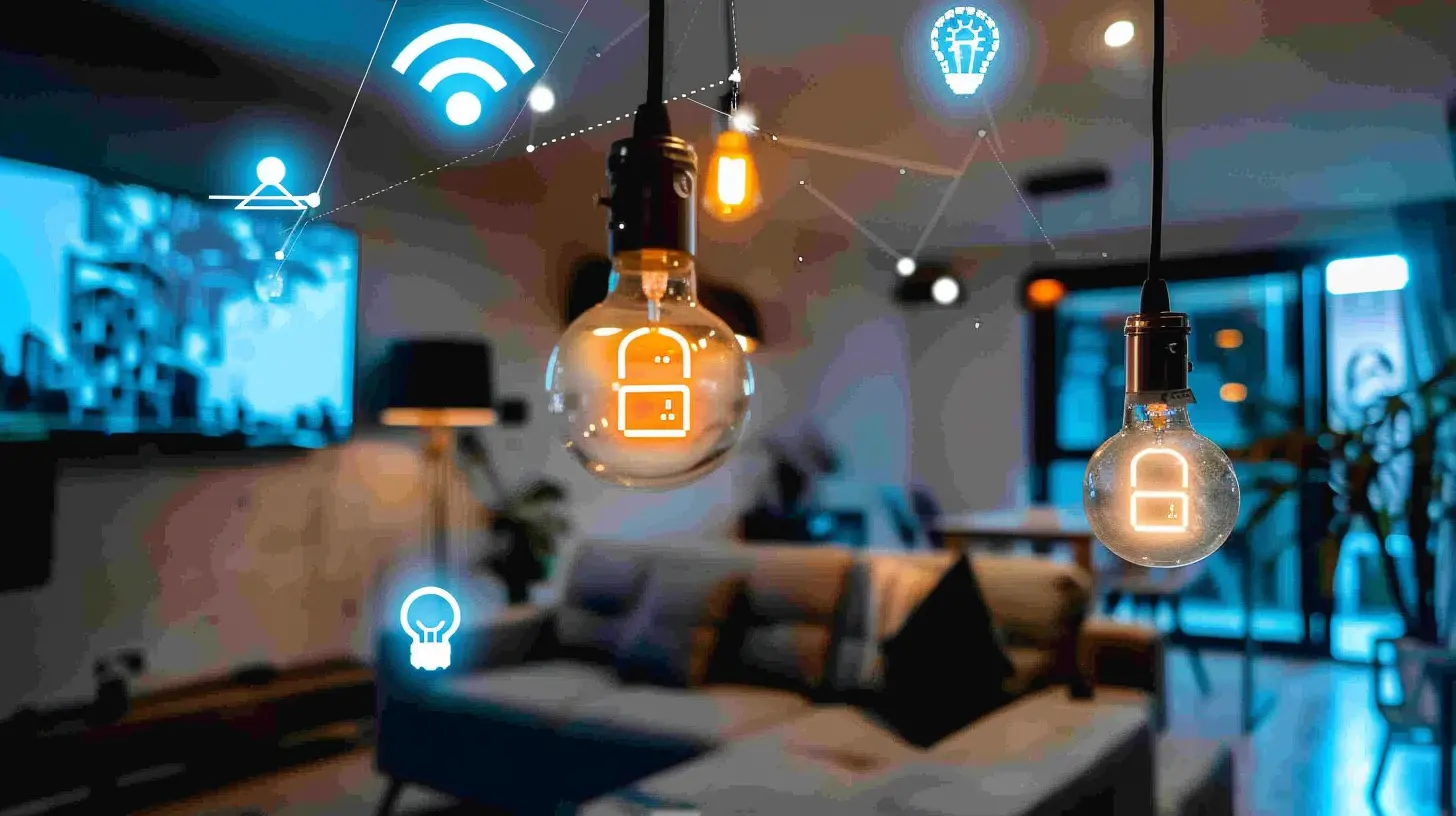
What Is Smart Lighting Anyway?
In plain English, smart lighting means your lights are connected to the internet or a local network. That gives you the power to control them from your phone, voice assistant, or even based on automation presets.Want your kitchen lights to turn on at 7 AM like your own personal sunrise? You got it. Prefer the living room to go full-on "Netflix mode" with a single voice command? Totally doable.
It’s not just smarter—it’s sexier, sleeker, and way more functional.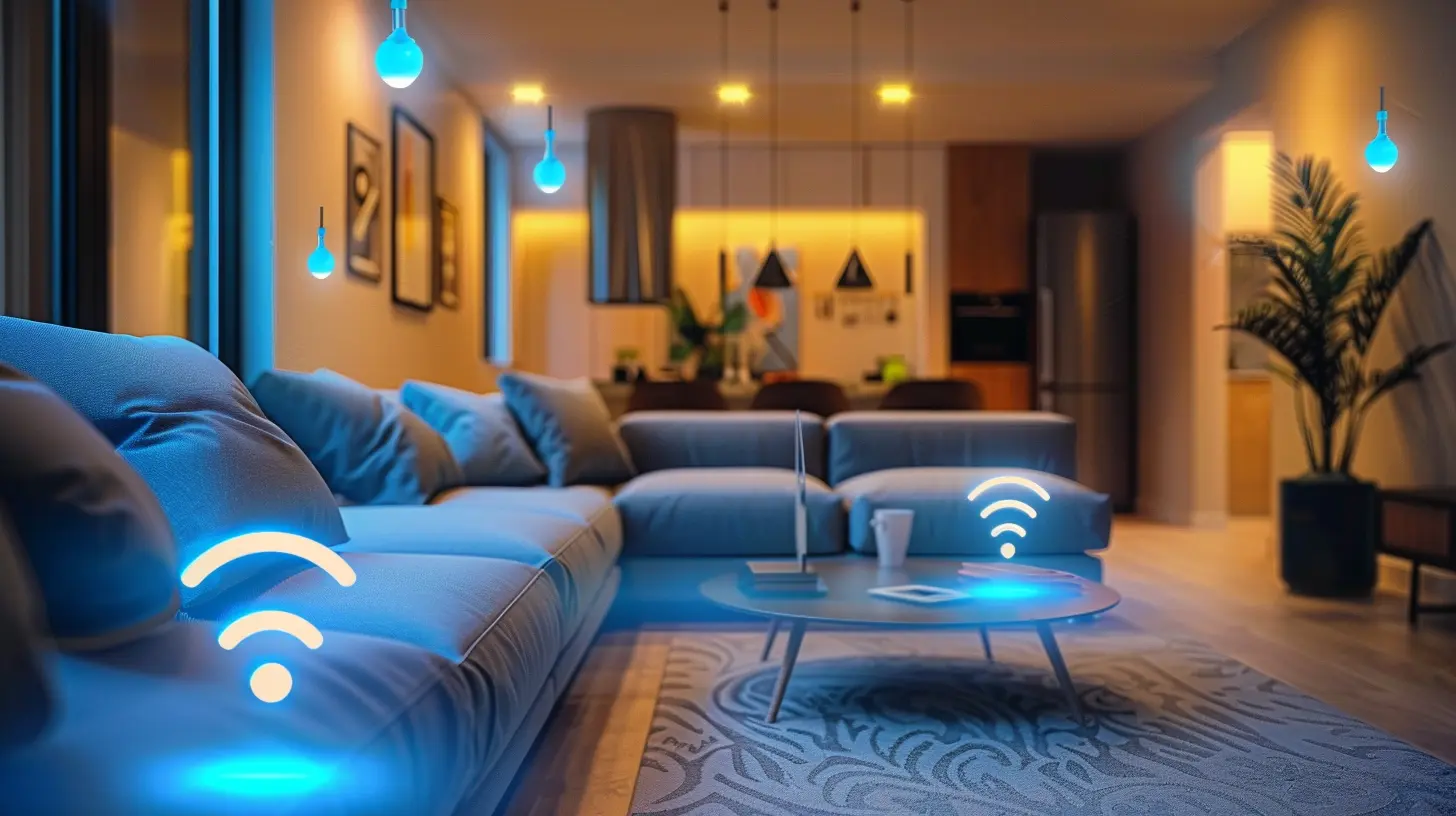
Why Upgrade to Smart Lighting?
If you’re still flipping wall switches manually, you’re living in the Stone Age. Here’s what smart lighting brings to the table:1. Convenience at Your Fingertips
No more getting out of bed because you forgot to turn off the hallway light. Just tap a button on your phone—or better yet—ask Alexa or Google to handle it. It’s not laziness; it’s efficiency.2. Energy Efficiency Like a Boss
Smart lighting saves cash and the planet. Set schedules, motion sensors, and dimming features mean you only use energy when you actually need it. LED smart bulbs use up to 80% less energy than old-school incandescents.3. Total Vibe Control
Want a cozy tone for dinner, bright white for work, and deep blue for a party? Switch it up anytime with customizable scenes and color controls. Literally set the mood with your lighting.4. Home Security Supercharged
Going on vacation? Set lights to turn on and off like you’re still home. Creepers hate unpredictability. Some systems even integrate with motion sensors or your security camera setup.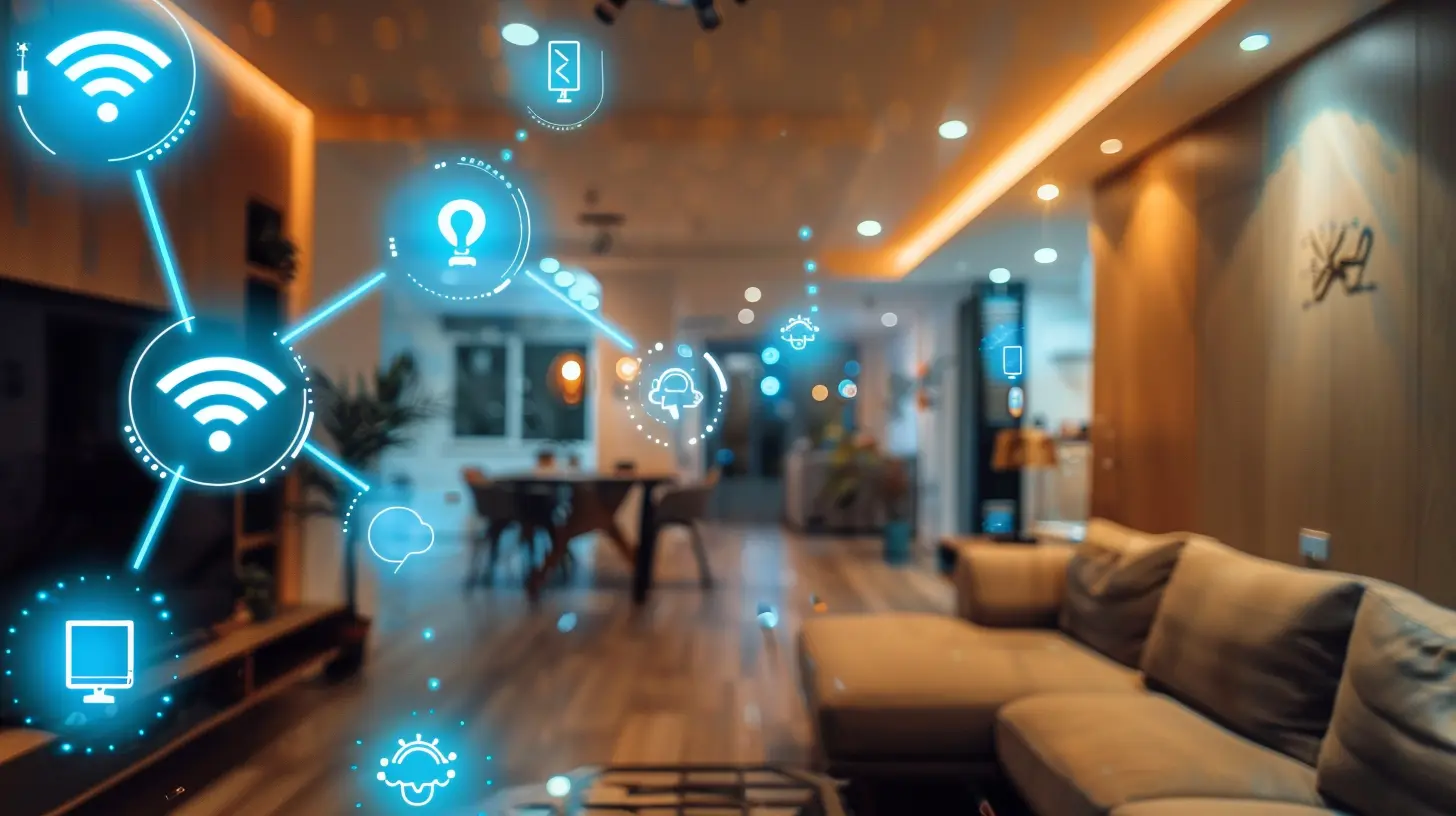
Types of Smart Lighting: What’s On the Market?
Before you go buying bulbs in bulk, let’s break down the options. Smart lighting isn’t a one-size-fits-all deal—you have choices.1. Smart Bulbs
These are the gateway drug to the smart lighting world. Screw them into a regular socket, connect via Wi-Fi or Bluetooth, and boom—you’re in control.Top Features:
- Color and brightness control
- Scheduling
- App and voice assistant integration
Perfect For:
Apartments, renters, and beginners who want to dip their toes in.
2. Smart Light Switches
These replace your traditional wall switches and control standard bulbs. Great for those who like using the wall switch but still want app features.Top Features:
- Physical and app control options
- Scene integration
- Hidden wiring for a clean look
Perfect For:
Homeowners or those doing renovations.
3. Smart Plugs for Lamps
Got a favorite lamp or floor light? Pop a smart plug between it and the outlet, and you can now control on/off functions via your phone.Top Features:
- Power monitoring
- Scheduling
- Voice assistant compatibility
Perfect For:
Anyone not ready to commit to new bulbs or switches.
4. Smart LED Light Strips
Looking for cool under-cabinet kitchen lighting? Fancy a glowing TV background? Light strips are where the magic happens.Top Features:
- Full RGB color customizations
- Flexibility
- Voice and app control
Perfect For:
Gamers, movie lovers, or anyone who wants to add personality to their space.
How to Choose the Right Smart Lighting System
Let’s not sugarcoat it—there are a lot of options out there. Here's how you can narrow it down:✅ Compatibility
Make sure your smart lighting works with your ecosystem—whether that’s Alexa, Google Assistant, Apple HomeKit, or some other fancy system. If you’re already locked into one, don’t make lighting that refuses to talk to it your problem.✅ Connection Type
- Wi-Fi: Direct connection, easy setup, but can clog your network if you add too many.- Zigbee/Z-Wave: Needs a hub but offers faster, more stable connections. Think of it as a dedicated highway for your smart devices.
- Bluetooth: Easy pairing but limited range. Great for single rooms.
✅ Features You Actually Need
Don’t get dazzled by gimmicks. Ask yourself:- Do I want color-changing?
- Is scheduling enough, or do I need motion sensors?
- Will I control via app, voice, or both?
✅ Budget
Smart lighting can cost more upfront, but it pays back in control, efficiency, and lifespan. Prioritize based on your needs. You don’t have to smarten your whole house at once.Must-Have Features You Shouldn’t Overlook
Alright, let’s talk bells and whistles. These aren't just flashy extras—they're game-changers.🔄 Automations & Routines
Automate your mornings with lights that slowly brighten to mimic sunrise. Set routines for bedtime to dim lights automatically. These are the quality-of-life boosts that make smart homes feel… well, smart.🔈 Voice Activation
“Hey Google, set mood lighting.”Boom. It’s date night.
🌎 Remote Access
Control your lights from anywhere in the world. Forgot to turn off the bathroom light before leaving for a week-long trip? Fix it from your beach chair.🌙 Circadian Rhythm Support
Some smart systems can adjust lighting based on the time of day to support natural sleep cycles. Imagine your lighting working with your body instead of throwing it out of whack.Setting Up Smart Lighting: It’s Easier Than You Think
Intimidated? Don’t be. You don’t need an engineering degree to light up your life.1. Pick your platform (Alexa, Google, Apple, etc.)
2. Download the app from your device manufacturer (like Philips Hue, LIFX, etc.)
3. Install the gear (bulbs, switches, strips—whatever you’ve got)
4. Connect to your Wi-Fi or hub
5. Set up scenes and automations
6. Live your best lit-up life
And if you can set up a phone, sync a Bluetooth speaker, or post a selfie, you’ve got what it takes to set this up.
Popular Smart Lighting Brands Worth Checking Out
Here are the rockstars of the smart lighting world:- Philips Hue – Reliable, with tons of ecosystem support and accessories. Requires a hub for maximum functionality.
- LIFX – No hub needed, brilliant colors, and easy setup.
- TP-Link Kasa – Budget-friendly and highly compatible.
- GE Cync – Great for full-home integration, especially if you’re already invested in GE smart home gear.
- Nanoleaf – Best for custom, aesthetic lighting. Think wall panels and statement pieces.
Do your research, check reviews, and make sure they play well with your assistant of choice.
Real Talk: Downsides of Smart Lighting
It’s not all sunbeams and rainbows—there are a few caveats to keep an eye on.- Cost: Smart bulbs run $10–$50+ each. Ouch. But you get what you pay for.
- Connectivity Issues: Wi-Fi drops = lights that don’t listen. A stable Wi-Fi setup or dedicated hub is a must.
- Privacy Concerns: Like any smart device, there’s always a risk of hacking or data collection. Stick to reputable brands and always update firmware.
The Future of Lighting Is Here—and It’s Brilliant
Smart lighting isn’t just a trend—it’s a full-blown revolution. We’re talking about homes that know your schedule, understand your needs, and adjust themselves to your lifestyle. That’s not sci-fi anymore—it’s now.So whether you're a tech nerd, a design junkie, or someone who just wants life to be a little easier, smart lighting delivers. It’s not just about flipping on a light anymore—it’s about flipping the script on how we live in our homes.
And let’s be honest—once you go smart, you never go back.
Final Thoughts
Listen, upgrading to smart lighting is like getting a smartphone when you’ve been stuck on a flip phone. It opens up a world of control, customization, and comfort that you didn’t even know you were missing.So go ahead. Light up your life—literally.
Because the future is bright. And smart.
all images in this post were generated using AI tools
Category:
Tech GadgetsAuthor:

Vincent Hubbard
Discussion
rate this article
2 comments
Thane Thornton
Smart lighting solutions not only enhance aesthetics and convenience but also promote energy efficiency and sustainability. By integrating advanced technologies like sensors and automation, homeowners can optimize lighting based on needs and mood, ultimately creating a more personalized living environment while reducing energy consumption. The future of home comfort is illuminated.
February 17, 2026 at 4:49 AM
Vincent Hubbard
Thank you! Smart lighting indeed transforms homes by enhancing both comfort and efficiency, allowing for a tailored experience while supporting sustainability.
Nixie Vaughn
Because who needs candles when you have smart bulbs?
February 1, 2026 at 11:56 AM
Vincent Hubbard
Smart bulbs offer convenience and versatility, but candles bring a unique ambiance that technology can't replicate!