Streaming Devices vs. Smart TVs: Which is Right for You?
30 March 2026
In today’s tech-savvy world, home entertainment is all about convenience, accessibility, and a seamless user experience. Whether you're a binge-watcher, a casual streamer, or someone who loves to keep up with the latest in entertainment technology, you’ve probably come across two main options to upgrade your viewing experience: streaming devices and smart TVs. But which one is right for you?
It can be a tough decision because both options come with their own set of features, benefits, and drawbacks. In this article, we’ll break down the differences between streaming devices and smart TVs, helping you choose the best option for your entertainment setup.
What is a Streaming Device?
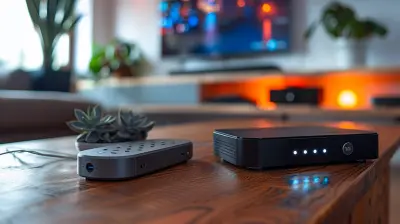
Let’s start with streaming devices. These are small, compact gadgets that connect to your TV and let you stream content from various online platforms like Netflix, Hulu, Disney+, and many others. Think of them as the middleman between your TV and the internet.Popular streaming devices include:
- Roku
- Amazon Fire TV Stick
- Google Chromecast
- Apple TV
These devices are typically plugged into the HDMI port of any regular TV (yes, even that old flat-screen you’ve had for years), transforming it into a smart TV without the need to buy a brand-new television. Sounds pretty cool, right?
The Appeal of Streaming Devices
Streaming devices have some significant benefits that make them a popular choice for many households. Let’s explore why people love them so much.1. Affordability
One of the biggest advantages of streaming devices is their price. Compared to upgrading to a new smart TV, buying a streaming device is a much more budget-friendly option. Most devices range from $30 to $100, making them an easy investment if you’re not ready to splurge on a new set.2. Portability
Another great thing about streaming devices is their portability. You can easily unplug them from your TV and take them with you wherever you go. Heading to a friend’s house for movie night? No problem! Just bring your Roku or Fire Stick along and plug it into their TV. This is something you can’t do with a smart TV.3. Wide Range of Apps
Streaming devices often support a broader range of apps compared to some smart TVs. You’ll find apps like YouTube, HBO Max, Amazon Prime Video, and even niche options like Crunchyroll or Plex. They are also frequently updated, ensuring you have access to the latest apps and services.4. User-Friendly Interface
Most streaming devices have intuitive and easy-to-use interfaces. Whether you’re tech-savvy or not, navigating through the app selection and content is usually a breeze. Some devices, like Roku, are known for their simple and straightforward design, making it accessible for everyone.Downsides to Streaming Devices
As much as streaming devices seem like the perfect all-in-one solution, they do have a few drawbacks.1. Dependence on an External Device
While plugging in a streaming device is easy, having to rely on an external gadget can be a bit of a hassle. It adds another remote to your coffee table, and if you misplace your streaming device, you’re out of luck until you find it.2. Extra Costs for Premium Models
While basic streaming devices are affordable, premium models like the Apple TV 4K can get pricey, climbing upwards of $150 or more. If you're looking for advanced features like 4K streaming, Dolby Vision, or voice control, you may end up paying more than you initially expected.3. Limited by TV Capabilities
Even though streaming devices can enhance your TV, they’re still limited by what your TV can do. If your television doesn’t support 4K, HDR, or other modern features, your streaming device won’t magically make it happen.
What is a Smart TV?
Now let’s talk about smart TVs. A smart TV is essentially a television with built-in internet connectivity and streaming capabilities. No need for an extra device like Roku or Amazon Fire Stick—everything you need is already inside the TV.Most smart TVs come pre-installed with popular apps like Netflix, Hulu, and YouTube. They also have their own operating systems, with brands like Samsung using Tizen, LG using WebOS, and Sony using Android TV.
Why Choose a Smart TV?
Smart TVs have evolved a lot in recent years, and they offer some impressive features that make them a great choice for modern-day entertainment. Let’s dive into what makes smart TVs stand out.1. All-In-One Solution
The most obvious advantage of a smart TV is that it’s an all-in-one solution. Everything is built into the TV—no need for extra devices, wires, or remotes. You can connect directly to your home Wi-Fi and start streaming your favorite shows right out of the box.2. Cutting-Edge Display Technology
Smart TVs often come with the latest in display technology. Whether it’s 4K, 8K, OLED, or QLED, these TVs are designed to offer a superior viewing experience. If you're someone who values crystal-clear picture quality, a smart TV is likely to be the better option.3. Smart Home Integration
Many smart TVs can seamlessly integrate with your smart home devices. For example, Samsung's smart TVs can connect to your SmartThings hub, allowing you to control other smart devices in your home directly from your TV. Some models even have voice assistants like Alexa or Google Assistant built in.4. No Need for Additional Hardware
Since everything is built into the TV, you don’t need to worry about purchasing, setting up, or losing external hardware like a streaming stick. This is convenient if you prefer a minimalist setup with fewer gadgets cluttering your entertainment area.Downsides to Smart TVs
As incredible as smart TVs can be, they’re not perfect. Here are some things to consider before you rush out to buy one.1. Higher Cost
Smart TVs, especially those with advanced display technologies, can be quite expensive. If you want a top-tier model with 4K resolution, HDR, and other bells and whistles, you’ll likely be shelling out hundreds, if not thousands, of dollars. This can be a major downside if you’re on a budget.2. Software Updates
The operating systems on smart TVs don’t always get updated frequently. Over time, this can lead to a less responsive interface or even app compatibility issues. In contrast, streaming devices like Roku or Amazon Fire often receive regular updates, keeping them fresh and fast.3. Limited App Availability
While smart TVs come with built-in apps, they don’t always support every streaming service. Some smart TV platforms have fewer app options compared to standalone streaming devices. If there’s a specific app or service you’re after, make sure it’s available on the smart TV’s app store before you buy.
Streaming Devices vs. Smart TVs: Key Comparisons
Now that we’ve broken down the pros and cons of both streaming devices and smart TVs, let’s do a quick side-by-side comparison to help you decide which is the better option for you.1. Price
- Streaming Devices: Generally more affordable, with most models costing between $30 and $100.- Smart TVs: Can range from a few hundred dollars to several thousand, depending on the brand, size, and features.
2. Portability
- Streaming Devices: Super portable; easy to take with you on trips or to another room.- Smart TVs: Not portable at all—once it’s set up, it’s staying put.
3. Content and Apps
- Streaming Devices: Tend to offer a wider variety of apps and services.- Smart TVs: While they come with popular apps, they may not support every niche service.
4. Ease of Use
- Streaming Devices: Very user-friendly and easy to set up.- Smart TVs: More of a plug-and-play experience, but the interface can vary depending on the brand.
5. Future-Proofing
- Streaming Devices: Regular updates keep them fast and compatible with new services.- Smart TVs: May not receive frequent updates, leading to slower performance over time.

So, Which is Right for You?
At the end of the day, the choice between a streaming device and a smart TV comes down to your personal preferences and budget. If you’re looking for an affordable way to bring streaming capabilities to an older TV, a streaming device is the way to go. They're inexpensive, portable, and offer a wide range of apps.However, if you’re in the market for a new television and want the best display quality with built-in smart features, investing in a smart TV might be worth it. You’ll get the latest technology in both picture and sound, along with the convenience of an all-in-one solution.
Whichever option you choose, both streaming devices and smart TVs offer a world of entertainment at your fingertips. So sit back, relax, and get ready to enjoy your favorite shows and movies like never before!
all images in this post were generated using AI tools
Category:
Streaming DevicesAuthor:

Vincent Hubbard
Discussion
rate this article
2 comments
Joel McIlwain
This article presents a clear comparison between streaming devices and smart TVs, highlighting their unique features and benefits. Ultimately, the choice hinges on your viewing preferences and budget. Great insights to help readers make an informed decision tailored to their entertainment needs!
April 5, 2026 at 4:39 AM
Vincent Hubbard
Thank you for your feedback! I'm glad you found the comparisons helpful for making an informed choice.
Grace Robinson
Choosing between streaming devices and smart TVs depends on your viewing habits and needs. Streaming devices offer flexibility and often more app options, while smart TVs provide an all-in-one solution. Consider your budget, preferences, and desired features before deciding.
March 31, 2026 at 4:08 AM
Vincent Hubbard
Absolutely, it really comes down to what fits your lifestyle best. Flexibility or convenience-both have their merits.