The Battle of the Brands: Who Will Win the Laptop Wars in 2026?
15 April 2026
Let’s be honest, opening your laptop in a coffee shop feels a bit like raising a flag. That glowing Apple logo, that subtle Dell badge, that sleek HP emblem—it’s a silent declaration of your tech tribe. But this quiet competition is about to get loud. The laptop landscape isn’t just shifting; it’s undergoing a seismic transformation driven by artificial intelligence, architectural upheavals, and a fundamental rethinking of what a "computer" even is. So, as we peer into the horizon of 2026, who’s poised to win the laptop wars? Is it the reigning champion, the agile challenger, or a dark horse waiting in the wings? Buckle up, because this isn't just about specs and price tags anymore. This is a battle for the soul of personal computing.
The Current Contenders: A Snapshot of the Battlefield
Before we predict the future, we need to understand the present. The laptop arena today is dominated by a few key gladiators, each with a distinct fighting style.Apple (The Walled Garden Virtuoso): Apple sits atop the hill with its M-series silicon, a masterclass in vertical integration. Their laptops aren’t just assembled; they’re orchestrated. The chip, the operating system (macOS), and the hardware are all composed by the same conductor. The result? Stunning battery life, blistering performance-per-watt, and a seamless, if somewhat gated, ecosystem. Their strength is their control, but is that also their Achilles' heel?
Microsoft & Its Surface Line (The Dual-Wielding Pioneer): Microsoft isn’t just the software for most PCs; it’s also a formidable hardware contender with its Surface lineup. With devices like the Surface Laptop Studio, they’re pushing the envelope on form factors—laptop, tablet, studio canvas all in one. Their strategy is to showcase what Windows is truly capable of, setting the bar for their OEM partners. They wield both the sword (Windows) and the shield (hardware), but can they out-innovate an army of competitors they also supply?
The Windows Legion (Dell, HP, Lenovo): This is the vast and varied army. Dell’s XPS series is the design-forward darling. HP’s Spectre and Envy lines mix elegance with power. Lenovo’s ThinkPads are the indestructible workhorses of the corporate world, while their Yoga lines redefine versatility. Their strength is in choice: every budget, every need, every aesthetic is catered to. But this diversity can lead to fragmentation and a lack of the cohesive "it just works" magic.
The Rising Challengers (ASUS, Acer, Samsung): Don’t count out the underdogs. ASUS, with its ROG gaming beasts and ultra-slim ZenBooks, is a powerhouse of innovation. Acer offers incredible value. Samsung is leveraging its smartphone prowess to create beautifully integrated Galaxy Book ecosystems. They’re agile, they’re hungry, and they’re not afraid to take big swings on design and features.
The Game-Changers: What Will Define Victory in 2026?
The winner in 2026 won’t be decided by who has the fastest processor today. Victory will hinge on who best masters the next wave of technological tsunamis.1. The AI Onslaught: NPUs and the "Copilot+ PC" Era
This is the big one. We’re moving beyond AI that lives in the cloud to AI that lives in your laptop. The Neural Processing Unit (NPU) is becoming as crucial as the CPU and GPU. Why? Because it handles AI tasks—like real-time language translation, advanced image generation, and predictive text—efficiently and privately, right on your device.Microsoft has fired the first major salvo with its "Copilot+ PC" vision, requiring a powerful NPU for features like Recall (a photographic memory of your PC activity) and advanced live captions. Apple is quietly baking its Neural Engine deeper into every facet of macOS. The 2026 winner will be the brand that makes AI not a fancy trick, but an invisible, indispensable assistant that fundamentally improves workflow. Will it be the deep Windows integration or Apple’s siloed perfection?
2. The Arm-Architecture Revolution
Apple’s M-chip transition proved something revolutionary: Arm-based processors can not only compete with traditional x86 (Intel/AMD) chips—they can dominate in efficiency. The entire Windows world is now scrambling to catch up. Qualcomm’s Snapdragon X Elite chips are the vanguard, promising MacBook-rivaling battery life and performance.By 2026, this architecture war will be in full swing. The brand that delivers a flawless Arm experience—where all your apps run natively without hiccups, where you get days of battery life without sacrifice—will have a monumental advantage. It’s a software challenge as much as a hardware one. Can Microsoft and its partners build an ecosystem as robust as Apple’s, or will the "Apple Silicon" moat prove too wide to cross?
3. Sustainability: The New Non-Negotiable
Consumers, especially younger generations, are voting with their wallets. The winner in 2026 will need a compelling sustainability story. This goes beyond using recycled aluminum. It’s about:* Repairability and Upgradability: The right-to-repair movement is gaining unstoppable momentum. Brands like Framework are making this their entire ethos, and the giants are being forced to listen.
* Long-Term Software Support: A laptop that gets security and feature updates for 7+ years is a more sustainable product than one abandoned in 3.
* Supply Chain Transparency: Where do the materials come from? What’s the carbon footprint? The brands that can answer these questions credibly will win loyalty.
4. The Form Factor Fusion
The line between laptop and tablet is already blurred, but by 2026, it might disappear entirely. We’re talking about foldable screens, rollable displays, and devices that morph to fit your task. Samsung and Lenovo are already experimenting heavily here. The brand that cracks the code on a durable, large-screen, truly portable foldable laptop could redefine the category overnight. It’s a high-risk, high-reward play.
Contender Prognosis: Strengths, Weaknesses, and 2026 Odds
Let’s put our analysts' hats on and handicap this race.Apple: The Incumbent to Beat
* 2026 Strengths: Unmatched vertical integration, a proven Arm-architecture lead, a loyal ecosystem lock-in, and industry-leading profit margins to fund R&D.
* 2026 Vulnerabilities: The high-price barrier, limited form factor experimentation, and a historical reluctance to embrace open repairability could alienate segments of the market. Can they make AI feel as revolutionary as their silicon?
* Prediction: They will remain the profit and prestige leader. They may not "win" in sheer volume, but they will define the benchmarks everyone else chases. Their ecosystem is their fortress.
Microsoft & The Surface Line: The Visionary
* 2026 Strengths: Direct control over the Windows software experience, the ability to set the "Copilot+ PC" standard, and a willingness to try radical designs (like the Surface Neo concept, which may finally arrive).
* 2026 Vulnerabilities: Hardware is still a relatively small part of their business. They can sometimes be outmaneuvered on price or sheer volume by their own partners.
* Prediction: They will be the AI experience pacesetter. The Surface line will be the must-have device for showcasing the most advanced Windows AI features, keeping the entire Windows ecosystem moving forward.
The Windows Legion (Dell, HP, Lenovo): The Volume Kings
* 2026 Strengths: Unparalleled market coverage, deep enterprise relationships, massive supply chains, and the agility to flood the market with a hundred different models to find every niche.
* 2026 Vulnerabilities: Dependency on Microsoft and chipmakers (Intel, AMD, Qualcomm) for their core innovation. Their AI and Arm experiences will only be as good as the sum of these parts.
* Prediction: They will collectively win the market share battle. One of them, likely the one that most successfully embraces repairability (like Dell’s growing commitment) and nails the AI-hardware integration, could emerge as the standout leader of the pack.
The Rising Challengers (ASUS, Samsung, etc.): The Wild Cards
* 2026 Strengths: Speed and daring. They can implement new ideas (like foldable screens, extreme cooling solutions, or unique software features) faster than the giants.
* 2026 Vulnerabilities: Less brand cachet in the mainstream laptop space compared to Apple or Dell, and smaller marketing war chests.
* Prediction: They will be the innovation incubators. They might not sell the most units, but they will force the big players to adopt their best ideas, keeping the entire industry on its toes.
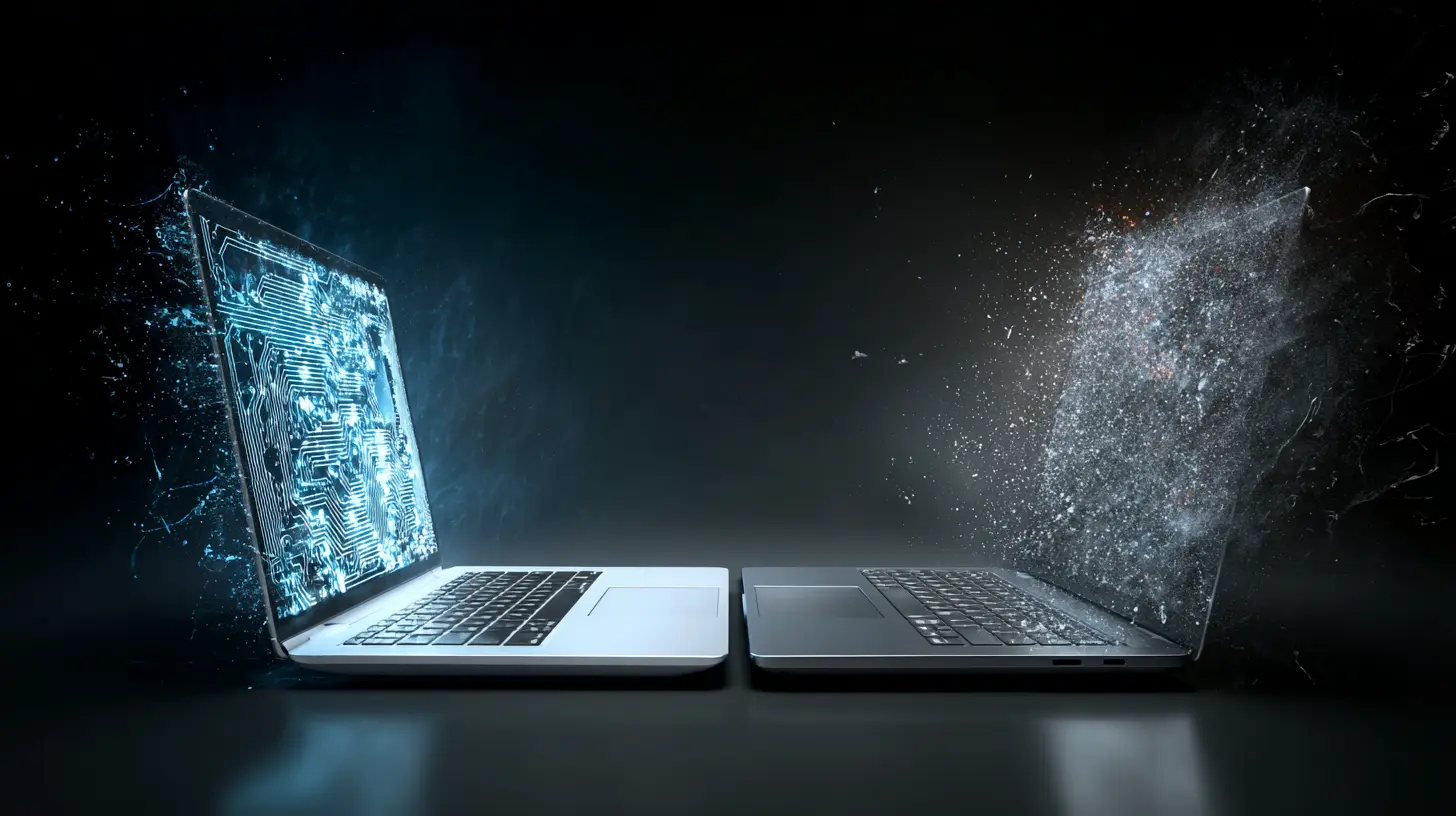
The Verdict: A Fragmented Victory
So, who wins the laptop wars in 2026? The truth is, we might not have a single, solitary victor. Instead, we’ll have category kings.* The AI & Seamlessness King: This is a two-horse race between Apple and Microsoft. If Microsoft’s Copilot+ vision lands perfectly across a range of great hardware, they could steal Apple’s thunder. But betting against Apple’s integration prowess is always risky.
* The Volume & Choice King: This will remain the domain of the Windows Legion, with Dell and Lenovo as the likely frontrunners, especially in the critical business sector.
* The Innovation & Form-Factor King: Watch Samsung and ASUS. If foldables take off, Samsung’s expertise from phones could make them the surprise story of 2026.
The real winner, in the end, will be us—the consumers. This intense competition is driving the fastest period of laptop innovation we’ve seen in over a decade. We’re getting more powerful, more efficient, more intelligent, and more adaptable machines. The battle of the brands isn’t about annihilation; it’s about evolution. And in 2026, we’ll all be upgrading to a smarter, more personal, and more fascinating generation of laptops, no matter which logo is on the lid.
all images in this post were generated using AI tools
Category:
Technology ReviewsAuthor:

Vincent Hubbard
Discussion
rate this article
2 comments
Oren Bishop
As the laptop landscape evolves, the true victor may not be the brand with the flashiest features, but rather the one that prioritizes user experience, sustainability, and innovation. In a world increasingly dictated by technology, the brands that forge genuine connections with their users will ultimately shape the future.
April 18, 2026 at 5:02 AM
Vincent Hubbard
Absolutely. It's all about creating meaningful connections and focusing on what really matters to users. The brands that get this will lead the way.
Mary Jennings
Insightful analysis, well done!
April 17, 2026 at 3:53 AM
Vincent Hubbard
Thank you! I'm glad you found it insightful.