The Future of AI-Driven Marketing Platforms in 2027
13 May 2026
Let me paint you a picture. It's 2027. You wake up, grab your coffee, and open your laptop. Your marketing dashboard doesn't look like a spreadsheet from 2023. It looks more like a conversation. A quiet, intelligent assistant that already knows your sales dipped last Tuesday because of a shipping delay in Ohio. It's already drafted three email variants to apologize and upsell. It didn't ask for your permission. It just did it. And your customers? They loved it.
That's the world we're walking into. Not some sci-fi fantasy where robots take over, but a real, messy, human-friendly shift in how brands and audiences connect. If you're a marketer, a founder, or just someone who hates spammy ads, this matters. Because the tools we use to reach people are about to get a whole lot smarter, and a whole lot more personal. Let me break down what's coming, without the hype.
The End of the "Set It and Forget It" Era
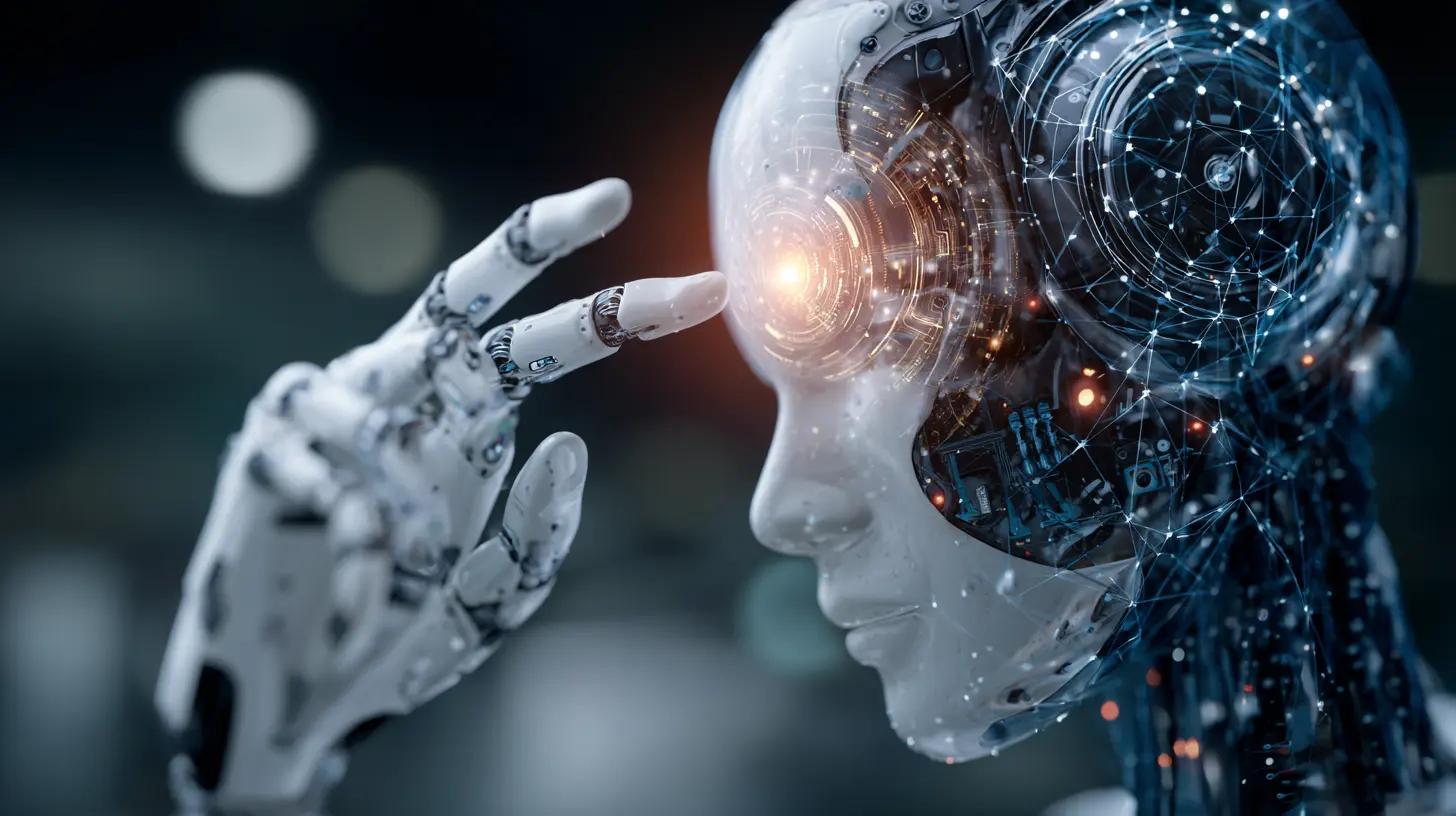
Remember when we thought automation meant scheduling tweets for a month and calling it strategy? That feels like using a flip phone in the age of foldable screens. By 2027, AI-driven marketing platforms won't just automate tasks. They will autonomously optimize entire customer journeys in real time.Think of it like a self-driving car for your campaigns. You tell it the destination: "Get me 500 qualified leads under $30 per lead." The platform doesn't just run ads. It watches the road. It sees a traffic jam (a competitor launching a sale) and takes a detour (adjusting ad copy and audience targeting) before you even finish your morning coffee. It learns which headlines make people stop scrolling, which subject lines get opens at 2 PM, and which landing page button color makes people click three times faster. And it does all of this without you touching a single setting.
For the marketer, this is both freeing and terrifying. Freeing because you stop being a button-pusher. Terrifying because you have to trust the machine. But here's the truth: the best marketers in 2027 won't be the ones who write the best copy. They'll be the ones who ask the best questions and set the smartest boundaries. The AI handles the execution. You handle the soul.
Hyper-Personalization That Feels Like Mind Reading
We all hate generic marketing. "Dear valued customer" makes my skin crawl. But here's the problem: most personalization today is shallow. "Hi John, we see you looked at shoes." That's not personal. That's creepy and obvious.In 2027, AI platforms will reach a level of contextual awareness that feels like a close friend, not a stalker. They won't just know what you bought. They'll know why you bought it. They'll understand your mood based on your browsing behavior. Did you visit the same product page five times in one night? The platform sends a gentle, helpful nudge the next morning, not a desperate discount code. Did you just cancel a subscription? The AI triggers a personalized "we miss you" sequence that sounds like it came from a human who actually listened to your feedback.
This works because the models get better at reading between the lines. They analyze sentiment from customer service chats, social media comments, and even the tone of your past emails. They build a "relationship map" for each customer. And they never, ever send a message that feels out of sync with where you are in your life. That's the gold standard. Relevance over volume.
Predictive Analytics Gets a Heart
Let's talk about the boring side of marketing that actually pays the bills: forecasting. In 2025, predicting customer churn felt like guessing the weather. You had a 60% chance of being wrong. By 2027, that changes.AI platforms will use something I call "emotional predictive modeling." It's not just about data points like "last login date" or "purchase frequency." It's about behavioral signals. Did a customer stop opening your emails? Did they downgrade their plan? Did they complain about a feature on Reddit? The AI flags them as "at risk" weeks before they leave. And it doesn't just warn you. It hands you a playbook. "Send this case study. Offer a free consultation. Or just call them and say thank you."
This is where the human touch meets machine efficiency. The AI does the heavy lifting of identifying the problem. You, the marketer, become the problem solver. It's like having a brilliant analyst who never sleeps, but doesn't have the empathy to close a deal. That's your job. And that's why you'll never be replaced.
Content Creation That Doesn't Sound Like a Robot
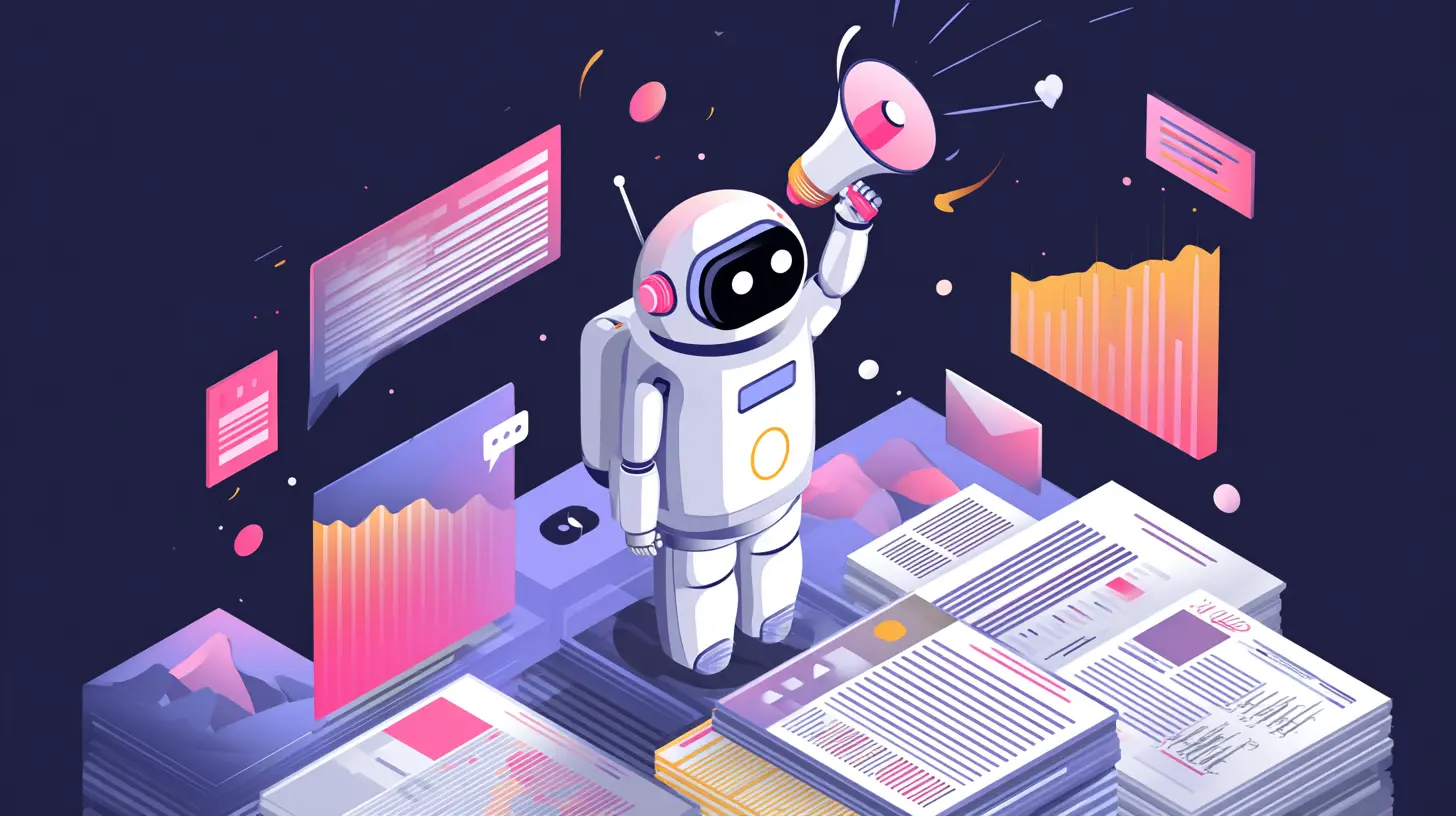
I know what you're thinking. "AI writing is still garbage." And you're right, if you're using the tools from 2023. But by 2027, the models have evolved. They don't just string words together. They understand narrative structure, tone, and even humor.Imagine you're launching a new SaaS product for busy parents. You feed the AI your brand voice: "warm, slightly sarcastic, no jargon." It generates a blog post, an email sequence, and five social media captions. You read them and laugh. They sound like they were written by a tired but loving parent who gets it. You change two words and hit publish. That's the reality.
The key difference? These platforms will use "retrieval-augmented generation" combined with your own data. They don't make stuff up. They pull from your product specs, your customer testimonials, and your past successful campaigns. The result is content that's unique, accurate, and sharp. It still needs a human editor, but the first draft is 80% there. That saves you hours every week.
The Rise of Conversational Commerce (No Chatbots)
Let me clarify something. Chatbots in 2025 were annoying. They asked "How can I help you?" and then couldn't understand your answer. In 2027, that's dead. Long live conversational agents.These aren't chatbots. They are AI sales assistants that live inside messaging apps, email, and even voice calls. They don't have a script. They have a personality. They can handle complex questions like "What's the return policy for this blender if I bought it on sale and lost the receipt?" and give a correct, friendly answer. They know when to escalate to a human. And they remember every conversation you've ever had with the brand.
For marketers, this is a goldmine. Every interaction becomes a data point that feeds back into the platform. The more your customers chat, the smarter your campaigns get. It's a virtuous cycle. And it kills the need for those terrible "contact us" forms. Your brand becomes a helpful friend, not a faceless corporation.
Ethics and the Trust Paradox
Here's the uncomfortable part. All this power comes with a price. By 2027, consumers will be more aware than ever of how their data is used. The platforms that win won't be the ones with the best algorithms. They'll be the ones that earn trust.We're already seeing a backlash against creepy targeting. "I talked about buying a grill with my friend, and now I see ads for grills. This is spying." That feeling kills brands. The smart AI platforms in 2027 will be transparent. They'll explain why you're seeing an ad. "You visited our site three times. We thought you might like this." They'll let users opt into personalization, not trick them into it.
Marketers have to lead with honesty. If you use AI to write emails, say so. If you use predictive analytics to target, be clear about it. The brands that hide their AI will be punished. The ones that embrace it openly, with a human face, will thrive. It's a paradox: the more you admit you're using AI, the more human you become.
The Small Business Revolution
Big companies always get the cool toys first. But by 2027, that gap closes. AI-driven marketing platforms will be cheap enough for a one-person shop. Imagine a local bakery using an AI platform that sends personalized birthday offers to customers, predicts when they'll run out of sourdough, and optimizes their Instagram ads for under $50 a month.This is the real future. Not just for Fortune 500s, but for the mom-and-pop stores, the freelance designers, the indie authors. The tools democratize marketing. They level the playing field. A small business with a great product and a smart AI platform can out-market a big brand with a boring product and a huge budget. That's exciting.
What Do You Do With All This Time?
So if the AI does the targeting, the writing, the forecasting, and the customer service... what's left for you? A lot, actually. You get to be creative. You get to strategize. You get to talk to customers about their real needs. You get to build relationships.Think of the AI as your assistant, not your replacement. It handles the 80% of marketing that's repetitive and data-heavy. You handle the 20% that requires intuition, empathy, and guts. You decide the brand mission. You choose which customers to fight for. You write the stories that make people cry or laugh or buy.
In 2027, a marketer's job title might change. We might call them "customer experience architects" or "brand storytellers." But the core stays the same: connecting people to things that matter. The AI just makes it easier to do that at scale.
The Hard Truth: Not All Platforms Will Survive
Let's be real. The market is going to shake out. By 2027, we'll have maybe three or four dominant AI-driven marketing platforms. Most of the current players will either get acquired or disappear. The ones that survive will be the ones that integrate seamlessly with your existing tools, respect privacy, and actually deliver results.If you're a marketer reading this in 2025, now is the time to start experimenting. Don't wait until 2027. Pick a platform, test it on a small campaign, and learn how to talk to it. The skills you build today will be worth gold in two years. Because the people who understand how to collaborate with AI will lead the industry. The ones who resist will be left behind, still manually tweaking Facebook ad bids and wondering why their open rates are dropping.
A Personal Note
I've been writing about tech for over a decade. I've seen trends come and go. But this one feels different. AI-driven marketing isn't a fad. It's a fundamental shift in how we communicate with audiences. It's like moving from a typewriter to a word processor, or from a landline to a smartphone. You can't unsee it.My advice? Don't be afraid of it. Be curious. Ask the AI questions. Challenge its suggestions. Use it to amplify your best ideas, not replace them. The future of marketing in 2027 is bright, but only if we, the humans, stay in the driver's seat. The AI is the engine. You are the compass. And together, you can go anywhere.
Let's build something good.
all images in this post were generated using AI tools
Category:
Digital Marketing ToolsAuthor:

Vincent Hubbard
Discussion
rate this article
2 comments
Hannah Navarro
Great insights! Excited to see how AI will reshape marketing strategies and enhance customer engagement in 2027.
June 7, 2026 at 4:50 AM
Vincent Hubbard
Thanks for the kind words! The future looks promising, and I can't wait to see the innovations that unfold.
Nolan McCall
Exciting potential, but challenges remain ahead.
May 13, 2026 at 10:38 AM