The Future of Coding Bootcamps in 2026
26 April 2026
Remember when coding bootcamps were the shiny new shortcut to a six-figure salary? You’d quit your job, cram JavaScript for 12 weeks, and—poof—land a job at a startup. That was 2016. Fast forward to today, and the landscape has shifted like a tectonic plate. The question isn’t if bootcamps will survive, but how they’ll evolve. By 2026, coding bootcamps won’t just teach you to code—they’ll teach you to think like a machine, adapt like a chameleon, and navigate an industry that’s changing faster than a TikTok trend. Let’s pull back the curtain on what’s coming, and why this transformation matters for you.
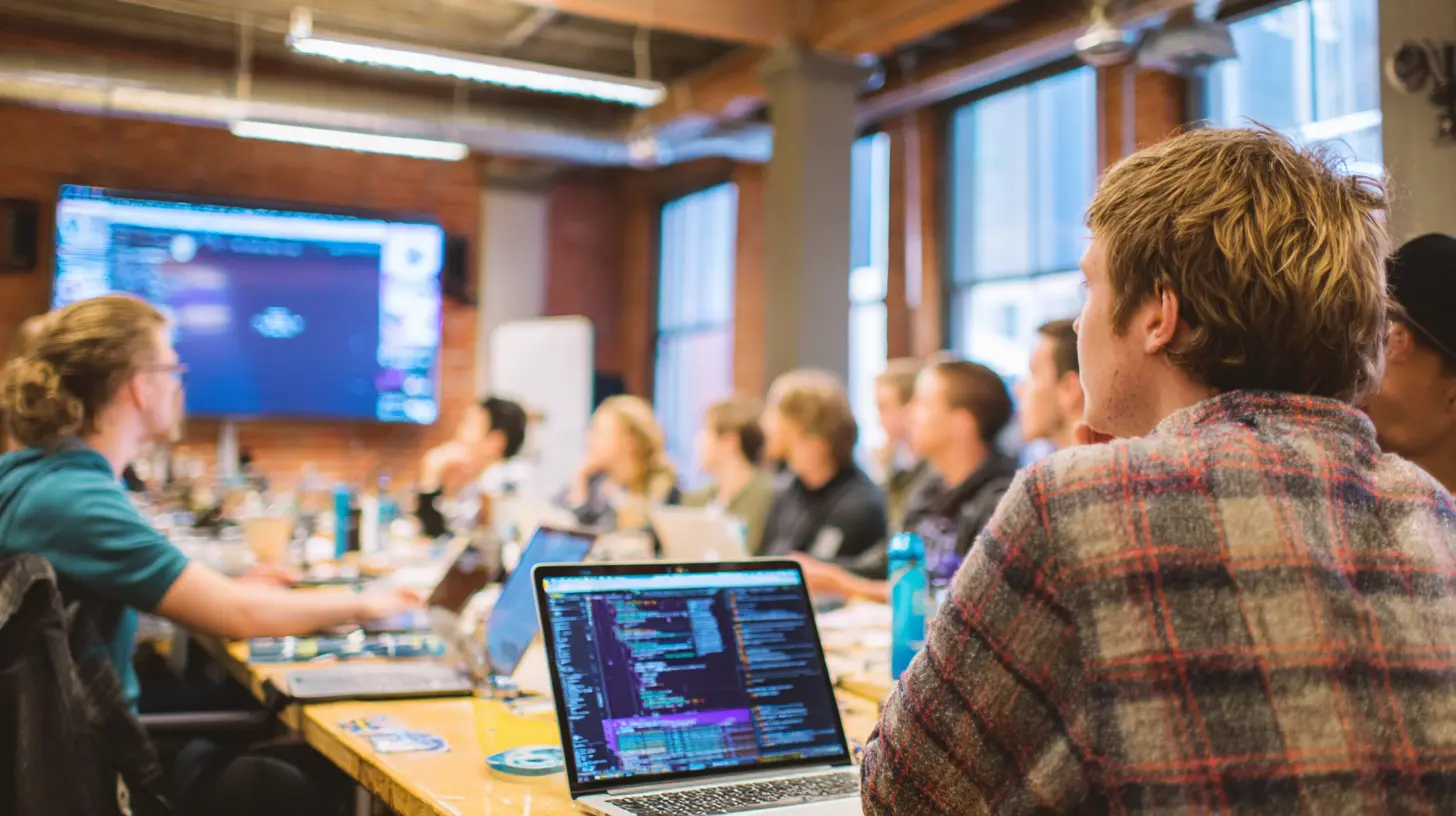
The Great Reckoning: Why Bootcamps Had to Change
Let’s be honest: the golden era of coding bootcamps was a bit of a Wild West. Anyone with a laptop and a three-month curriculum could hang a shingle. But the market has matured. In 2024, we saw major bootcamp closures, layoffs, and a wave of disillusionment. Why? Because employers stopped buying the hype. They realized that a 12-week crash course in React didn’t automatically produce senior engineers. It was like expecting a culinary school graduate to run a Michelin-star kitchen after one semester.By 2026, bootcamps will have undergone a "great reckoning." They’ll no longer be about churning out "coders" but about cultivating "problem solvers." The shift is already happening: curriculum lengths are stretching from 12 weeks to 24 or even 36 weeks. Why? Because the industry demands depth, not just breadth. You can’t fake system design or database optimization in a weekend hackathon. Bootcamps are finally admitting that Rome wasn’t built in a day—and neither is a software engineer.
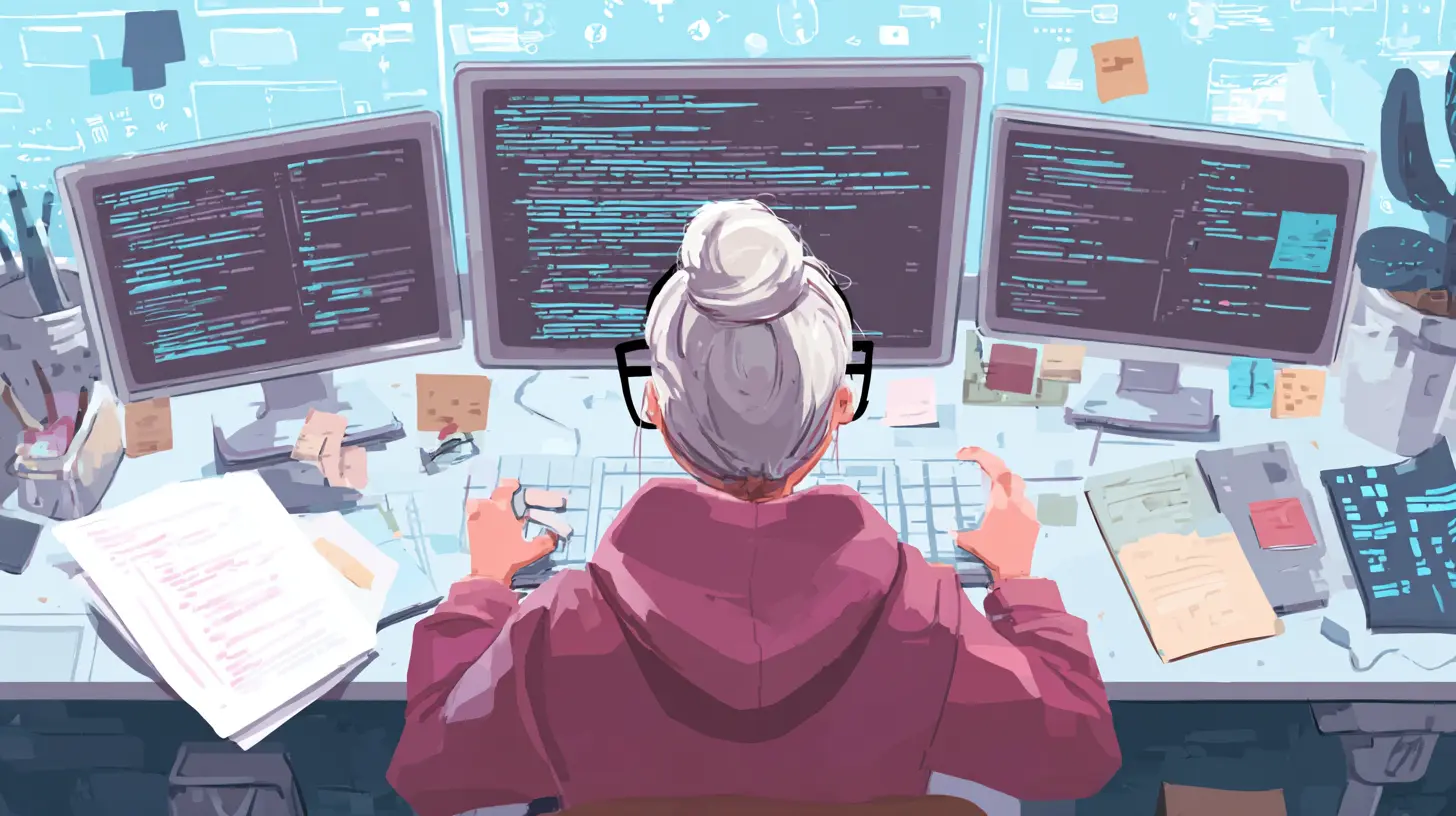
AI Integration: Your New Co-Pilot, Not Your Replacement
Here’s a rhetorical question for you: if AI can write code, why learn to code? It’s the elephant in the room. GitHub Copilot, ChatGPT, and Claude are already generating boilerplate faster than you can type. But here’s the twist: in 2026, bootcamps will embrace AI as a teaching tool, not a threat. Imagine a bootcamp where your first lesson isn’t "Hello, World" but "How to Prompt a Large Language Model to Build a Microservice."The future bootcamp curriculum will be less about memorizing syntax and more about architecting solutions. You’ll learn to debug AI-generated code, validate its logic, and handle edge cases that the model misses. It’s like learning to drive a car with an autopilot—you still need to know how to steer when the system glitches. Bootcamps will teach you to be the pilot, not the passenger.

The Rise of Specialized "Micro-Bootcamps"
Generalist bootcamps are dying. In 2026, you’ll see a proliferation of hyper-specialized programs: "AI for Healthcare," "Blockchain for Supply Chain," "Cybersecurity for Fintech." Think of it as the difference between a general practitioner and a neurosurgeon. Both are doctors, but one has a laser focus. The market is demanding niche expertise, and bootcamps are responding.For example, a "Cloud DevOps for E-Commerce" bootcamp might teach you how to handle Black Friday traffic spikes using Kubernetes and Terraform. A "Computer Vision for Agriculture" bootcamp could show you how to train models to detect crop diseases using drone imagery. These micro-bootcamps will be shorter (8-10 weeks) but more intense, with a clear career path attached. They’re the equivalent of a power-up in a video game—quick, targeted, and game-changing.

The Shift to "Outcome-Based" Pricing
Remember when bootcamps charged $15,000 upfront and promised a job? That model is crumbling. By 2026, you’ll see a rise in income-share agreements (ISAs) and deferred tuition plans. But here’s the evolution: bootcamps will tie payment to specific outcomes, not just "getting a job." Think "pay only if you land a role paying $80k+ within 6 months" or "refund if you don’t pass the AWS certification exam."This shift forces bootcamps to be accountable. They can’t just hand you a certificate and wave goodbye. They’ll need to offer career coaching, mock interviews, and even direct placement partnerships. It’s like a personal trainer who only gets paid if you lose 20 pounds—suddenly, they’re highly motivated to help you succeed.
The Hybrid Learning Model: Online + Local Hubs
The pandemic forced bootcamps online, but by 2026, we’ll see a hybrid resurgence. Why? Because coding is inherently collaborative. You can’t pair-program effectively over Zoom forever. Enter the "local hub" model: bootcamps will partner with co-working spaces, libraries, or even coffee shops to create physical nodes where students can meet, code together, and network.Imagine a bootcamp that offers live-streamed lectures from a top instructor in San Francisco, but you attend a physical hub in Austin with 15 other students. You get the best of both worlds: expert instruction and local community. This hybrid approach reduces loneliness (a major dropout factor) and builds the soft skills that remote work often lacks. It’s like having a remote job with a built-in office—minus the commute.
The "Bootcamp-to-Apprenticeship" Pipeline
One of the biggest criticisms of bootcamps is the "post-graduation cliff." You finish, you apply to 200 jobs, you get 3 rejections, and you panic. By 2026, bootcamps will solve this by embedding apprenticeships directly into the curriculum. Think of it as a residency for software engineers.For example, a bootcamp might partner with a mid-sized company to offer a 3-month paid apprenticeship after graduation. During that time, you work on real projects, get mentored by senior devs, and have a clear path to full-time employment. The bootcamp doesn’t just teach you—it sponsors you into the industry. This model reduces the risk for employers (they get a trial run) and for students (they get a safety net). It’s like a coding bootcamp with training wheels that eventually come off.
The Soft Skills Revolution
Here’s a dirty secret: most bootcamp graduates fail not because they can’t code, but because they can’t communicate. They struggle to explain technical decisions to non-technical stakeholders, they panic in code reviews, and they can’t write clear documentation. By 2026, bootcamps will prioritize "soft skills" as a core competency.Expect to see modules on:
- Technical storytelling: How to present a complex API design to a product manager.
- Conflict resolution: What to do when a teammate disagrees with your architecture choice.
- Imposter syndrome management: Practical techniques to silence the inner critic.
These skills will be taught through role-playing, peer reviews, and even improv comedy workshops. Because let’s face it: the best coder in the room is useless if they can’t collaborate. It’s like being a world-class chef who refuses to talk to the waitstaff—the restaurant will still fail.
The "No-Code" and "Low-Code" Integration
Wait, aren’t bootcamps supposed to teach you to code? Yes, but by 2026, they’ll also teach you when not to code. No-code platforms like Bubble, Airtable, and Retool are eating the low-hanging fruit of software development. Bootcamps will teach you to leverage these tools for rapid prototyping, then dive into custom code for the hard stuff.Think of it as a carpenter knowing when to use a nail gun versus a hammer. Both are valid, but the professional knows the tradeoff between speed and precision. Bootcamps will produce "full-stack problem solvers" who can build a functional MVP in a weekend using no-code, then scale it with Python and React. This duality makes you invaluable to startups and enterprises alike.
The "Lifetime Learning" Model
The biggest lie of traditional education is that you "finish" learning. In tech, the half-life of skills is about 2.5 years. By 2026, bootcamps will pivot to a subscription model: you pay a monthly fee for continuous access to updated content, live workshops, and community support. It’s like a gym membership for your career.Graduates won’t just get a certificate—they’ll get a "lifetime pass" to the bootcamp’s ecosystem. Need to upskill from frontend to AI engineering? There’s a module for that. Want to learn Rust for blockchain? There’s a cohort for that. This model builds loyalty and ensures that bootcamps remain relevant as technology evolves. It’s the difference between buying a textbook and subscribing to a library.
The Role of Accreditation and Regulation
Let’s address the elephant in the room: bootcamps have a quality problem. Some are excellent; others are cash grabs. By 2026, expect to see formal accreditation bodies emerge, similar to what happened with trade schools. Bootcamps will need to meet standards for curriculum depth, instructor qualifications, and job placement rates.This isn’t about government overreach—it’s about consumer protection. Imagine a "Bootcamp Accreditation Board" that audits programs and publishes transparent outcomes. Students will be able to compare bootcamps like they compare car safety ratings. The result? Bad actors get weeded out, and quality programs thrive. It’s a win for everyone except the scammers.
The "Global Classroom" Effect
Coding bootcamps have always been a Western phenomenon, but by 2026, they’ll be truly global. You’ll see bootcamps tailored to emerging markets: "AI for Agriculture in Kenya," "Web3 for Remittances in the Philippines," "Cloud Computing for Logistics in India." These programs will be taught by local instructors, in local languages, with local use cases.This globalization democratizes access to tech careers. A farmer in rural Nigeria can learn to build a crop-monitoring app without moving to Lagos. A seamstress in Vietnam can learn to automate her inventory management. Bootcamps will become a bridge between local talent and global opportunities. It’s like the internet, but for skills.
The "Portfolio-as-a-Certificate" Paradigm
By 2026, bootcamps will stop giving you a PDF certificate and start giving you a "digital twin" of your work. Think of it as an interactive portfolio that proves your skills. Instead of listing "Python" on your resume, you’ll share a link to your bootcamp’s project that includes live demo, code repository, and peer reviews.This portfolio will be blockchain-verified (yes, you read that right) to prevent fraud. Employers can see exactly what you built, how you solved problems, and even how you handled feedback. It’s like a GitHub profile on steroids. Bootcamps will become less about "teaching" and more about "curating evidence of competence."
The "Human Element" in an AI World
Finally, let’s talk about the most valuable asset bootcamps will offer in 2026: human connection. In a world where AI can generate code, write documentation, and even debug, the one thing machines can’t replicate is empathy, mentorship, and community. Bootcamps will double down on this.You’ll see more live code reviews with instructors, more peer-to-peer learning groups, and more "office hours" with industry experts. Bootcamps will become safe spaces to fail, ask stupid questions, and grow. It’s the difference between learning a language from a textbook versus learning it from a native speaker who corrects your accent. The human element is the secret sauce.
Conclusion: The Bootcamp of 2026 Is a Launchpad, Not a Lifeboat
So, what does all this mean for you? If you’re considering a bootcamp in 2026, you’re not signing up for a quick fix. You’re signing up for a rigorous, personalized, and ongoing journey. The bootcamp of the future will demand more from you—more time, more focus, more soft skills—but it will also give you more in return: real projects, real connections, and a real career.The days of "learn to code in 12 weeks and get rich" are over. But the days of "learn to build, adapt, and grow over 12 months" are just beginning. The future of coding bootcamps isn’t about shortcuts—it’s about scaffolding. It’s about building a foundation strong enough to support a career that will evolve with you. And that, my friend, is worth the investment.
all images in this post were generated using AI tools
Category:
Tech EducationAuthor:

Vincent Hubbard
Discussion
rate this article
2 comments
Valeria Carr
Coding bootcamps must adapt to industry trends or risk becoming obsolete by 2026.
April 27, 2026 at 10:36 AM
Vincent Hubbard
I completely agree. Staying current with industry trends is essential for bootcamps to remain relevant and effective.
Phoebe Brown
Great insights! As technology evolves, coding bootcamps must adapt their curricula to emphasize AI, soft skills, and real-world applications, ensuring graduates are ready for the dynamic job market of 2026.
April 27, 2026 at 4:07 AM
Vincent Hubbard
Thanks for the feedback! You're right-adapting to new tech trends and skills is crucial for bootcamps to keep graduates competitive.