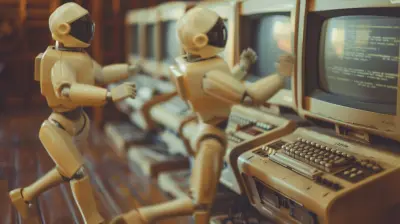
The Future of Space Exploration Through Emerging Technologies
23 December 2025
Space—the final frontier… and the ultimate playground for nerds, dreamers, and billionaires with too much money and not enough yachts. We’re entering a new era of space exploration, and trust me, it’s not just about astronauts in bulky suits hopping around like over-caffeinated kangaroos on the Moon. Nope. We’re talking about AI co-pilots, 3D-printed Moon bases, wormhole theories (kind of), and the possibility of sending your annoying boss to Mars (okay, maybe not just yet).
Buckle up, space cadets! Let’s take a wild ride through the cosmic jungle and break down how emerging technologies are shaping the future of space exploration—without turning this into a boring high school science textbook.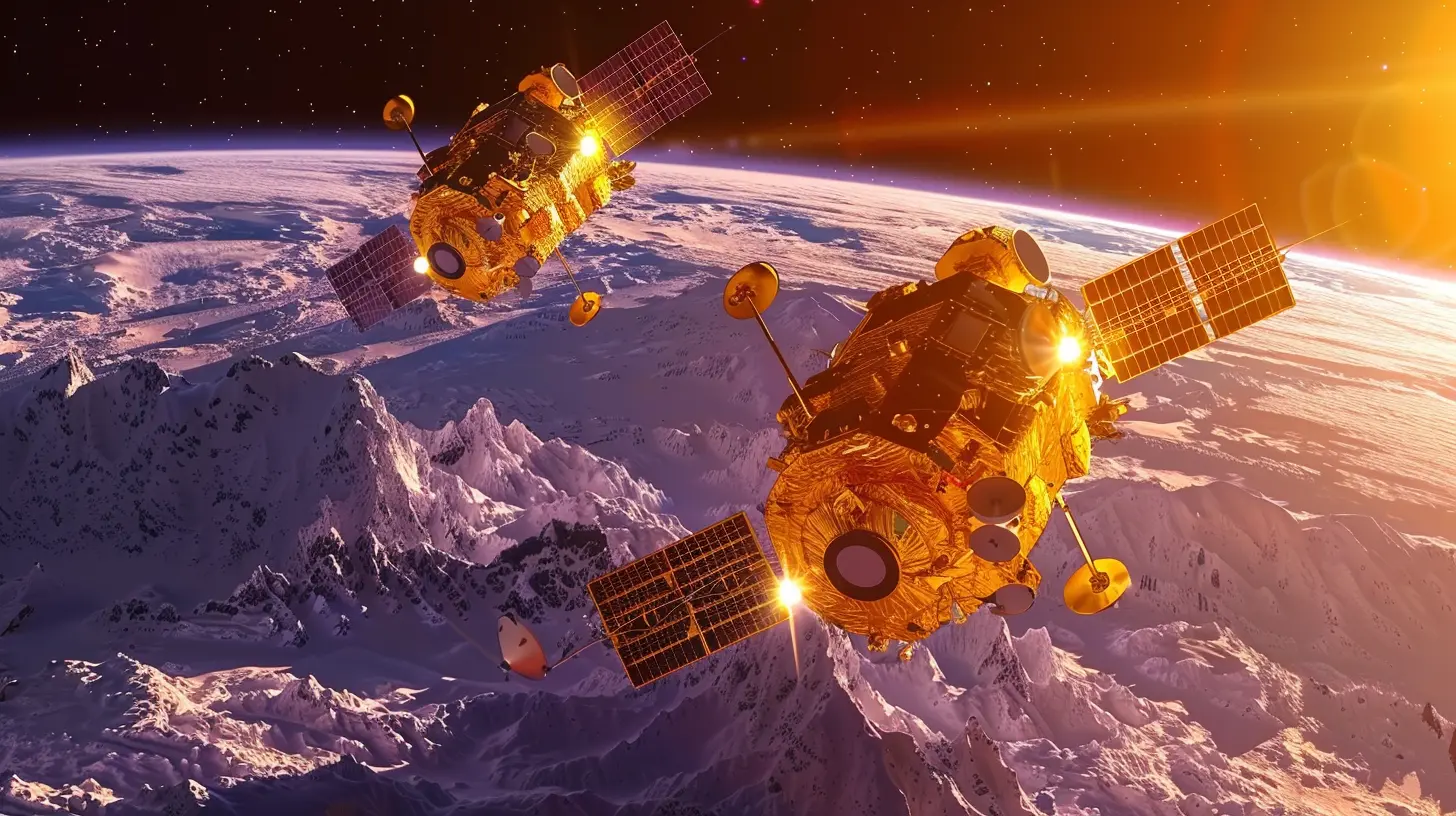
🚀 The Space Race 2.0 – Now with Wi-Fi and Billionaires
Back in the day, it was the U.S. vs. the USSR, racing to slap a flag on the Moon. Fast forward to now, and it’s more like "Elon vs. Bezos: Battle for the Cosmos," with NASA, China, and a few private startups throwing some serious moon dust in the ring.This space race is powered not just by government ambition but also by game-changing tech. We’re talking about re-usable rockets, smarter spacecraft, solar sails bigger than your ex's ego, and autonomous rovers with more brainpower than your average goldfish. The future of space is not just futuristic—it's sci-fi meets reality, with a healthy dose of geeky charm.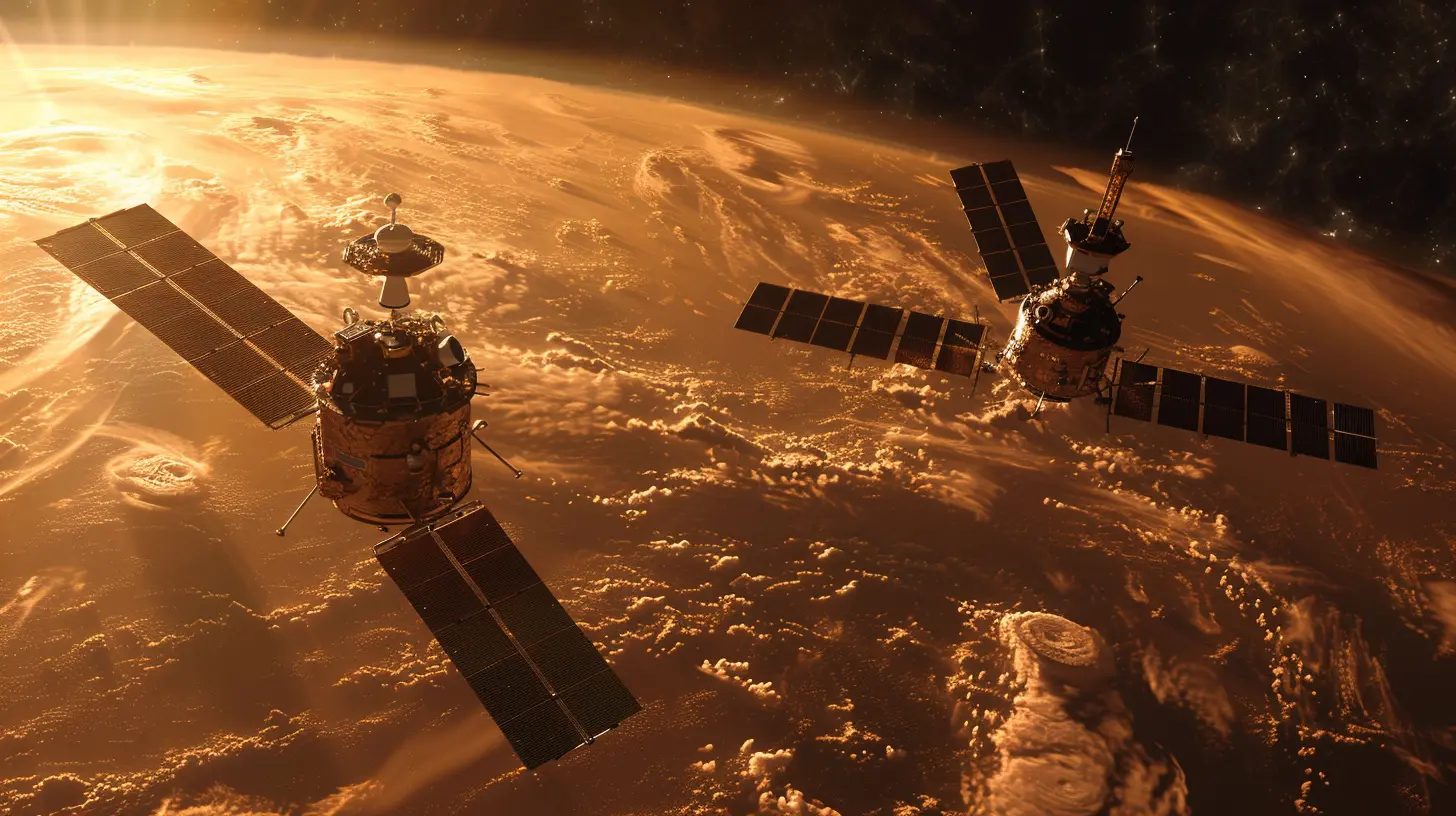
🧠 Artificial Intelligence: The New Mission Control
“Hey Siri, plot a course to Alpha Centauri.” Okay, we’re not quite there yet, but AI is transforming how we explore the universe.Picture this: A lonely Mars rover gets stuck in a sand pit. In the old days, NASA scientists would send commands across 34 million miles of space, wait 20 minutes for a reply, and then pray to the intergalactic gods that it worked.
Now? AI can help the rover analyze the situation, make decisions on the fly, and basically be like, “Nah, I’ll just reverse and take the scenic route.” Machines are getting smarter, and soon, they’ll be piloting spacecraft, diagnosing tech problems mid-mission, and maybe even performing robot surgery if you get a space splinter.
Say goodbye to slow space bureaucracy and hello to the age of thinking machines.
🧬 Biotechnology in Space: Because Astronauts are Squishy
Humans weren’t exactly designed for zero gravity, cosmic radiation, or surviving on dehydrated spaghetti for months. But fear not! Biotechnology is here to keep our squishy Earth bodies alive and thriving beyond the blue marble.From CRISPR gene-editing (to possibly create radiation-resistant astronauts) to lab-grown meat in space kitchens, biotech is tackling the gnarliest problems of long-term space travel. Think of it as Space Wellness 3000—a galactic mix of science, gym memberships, and genetic wizardry.
Microgravity messes with our muscles, bones, and basically every part of our anatomy that's not nailed down. So, future space explorers might need gene therapies or wearable biosuits to keep their inner organs from turning into astronaut pudding.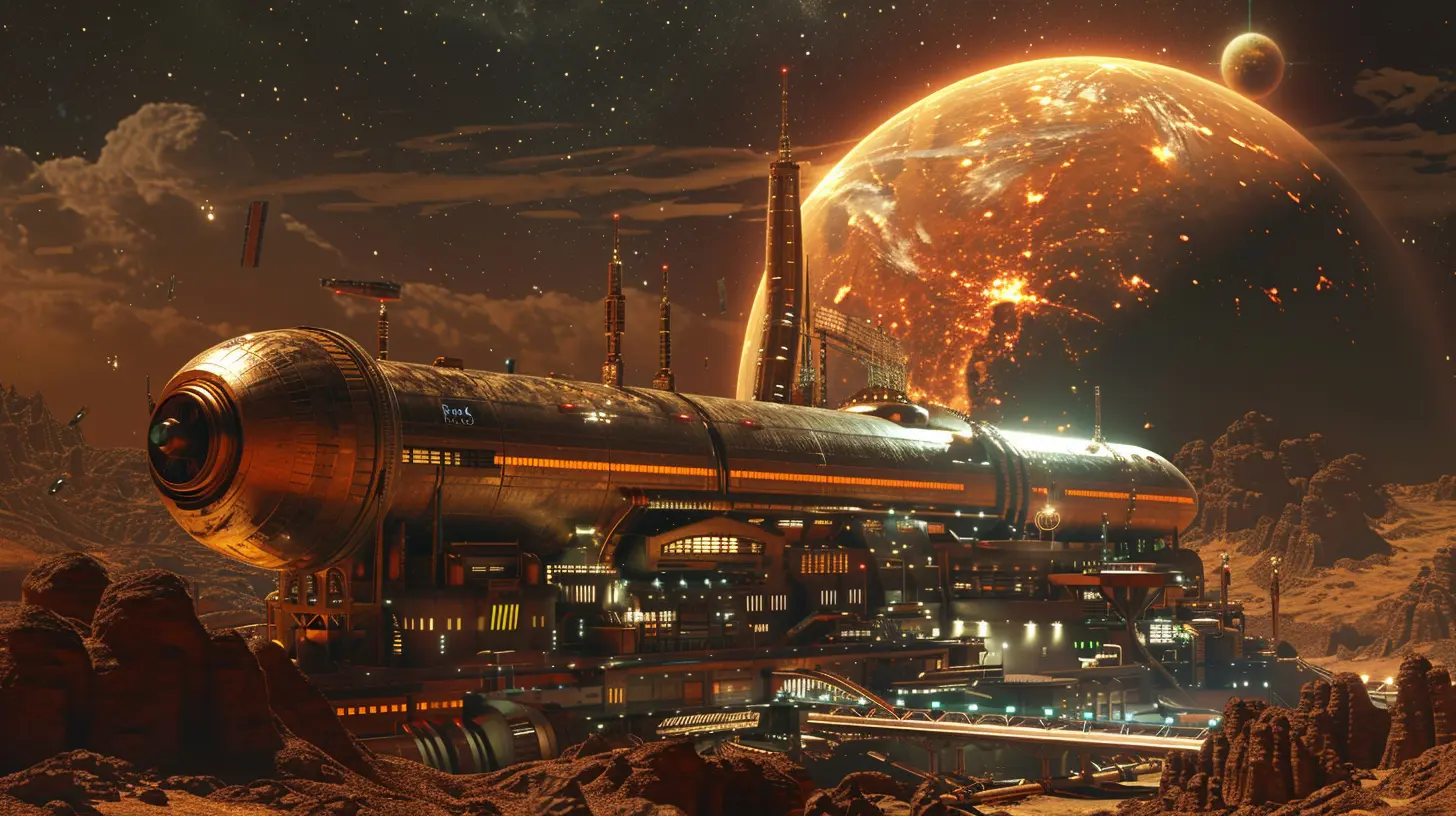
🏗️ 3D Printing: IKEA Furniture for Mars
Why ship a heavy, ready-made habitat to Mars when you can pack a printer and hit “print Mars base”? That's the idea behind the cosmic rise of 3D printing.Need tools? Print ‘em. Structures? Build them brick by Martian brick. Spacesuit repair? There’s probably a file for that.
NASA and ESA (that’s the European Space Agency, not a new boy band) are already experimenting with 3D printers on the International Space Station. The future could involve space travelers printing everything from spare parts to pizza—yep, there's a space pizza printer prototype floating around.
We’re turning astronauts into cosmic blacksmiths, and that’s just awesome.
🌍 Earth from Space: Satellite Tech Keeping Tabs on Home Sweet Home
Let’s not forget that while we’re gazing at the stars, our satellites are playing cosmic Big Brother back on Earth.Emerging satellite tech is giving us front-row seats to climate change, deforestation, and even illegal fishing operations. High-res images and constant monitoring are helping us understand our planet better than ever.
Funny enough, the more we look out into space, the more we learn about home—and how much we’ve been treating it like a college dorm room.
🛰️ Quantum Computing: Because Space Math is Hard
Let’s be real—navigating galaxies with our current computing power is like trying to ride a tricycle down a highway. Quantum computing, the nerdy unicorn of the tech world, could change that.Quantum computers can solve problems that would leave traditional computers crying into their coffee. Think: plotting spacecraft trajectories, modeling interstellar weather patterns, or decoding alien TikTok algorithms (okay, maybe not that last one).
While we’re still in the early stages, quantum tech could eventually become the brains behind deep space missions. Imagine a spacecraft that thinks faster than your smartphone, doesn’t freeze up mid-download, and can crack physics puzzles that stump even your science teacher.
🪐 Interplanetary Travel: Space Uber, Anyone?
Okay, think beyond the Moon. We're talking Mars, asteroids, maybe even moons like Europa. Emerging propulsion systems are aiming to make interplanetary travel less like a slow crawl and more like catching a red-eye to Saturn.Ion propulsion, nuclear thermal rockets, and even theoretical warp drives (yes, seriously) are on the research table. You won’t need a warp core just yet, but faster, more efficient engines will make it possible to zip around the solar system like it’s your neighborhood Uber route.
Plus, commercial ventures are already planning Mars vacations, asteroid mining trips, and even lunar hotels. Pack your moon boots!
🧪 Space Medicine: Doctor Spock, Paging You…
Let’s get one thing straight: outer space is not the best place to get a paper cut, let alone an appendicitis. But emerging medical technologies are preparing us for life in deep space.Telemedicine (virtual doctor visits in space), robotic surgery tools, and even 3D-printed organs (how sci-fi is that?) are being tested for future missions.
Medical emergencies won’t wait until you’re back on Earth. So, future astronauts won’t just need to know how to fly a spaceship; they might have to double as Dr. McDreamy with a side of MacGyver.
👨🚀 Robotics: Because Sometimes We Don’t Wanna Go Ourselves
Send a robot to do a human’s job? Yes, please. Trust me, vacuuming the Moon or climbing Martian cliffs isn’t on anyone's dream job list.Robotics is making it possible to explore extreme environments while keeping humans safe and cozy—inside spaceships with heated seats, hopefully. Rovers, drones, and even robotic spiders (don’t worry, they’re friendly… we think) are paving the way for hands-free exploration.
Robots don’t get tired, they don’t need to poop, and they don’t complain about space food. What more could you want?
🌌 Big Data and Space Analytics: Because Space Has LOTS of Stuff
Data, data everywhere! From telescope images to spacecraft telemetry, space exploration generates an avalanche of information. And we puny humans? We need some serious help making sense of it.Enter: data analytics, machine learning, and all those fancy buzzwords. These tools help scientists process cosmic noise and find the important stuff—like a suspicious rock that might have ancient Martian microbes, or that one weird exoplanet that looks like it could have life (or space cows).
Space is big. Like, ridiculously big. So it only makes sense we use equally big data to figure it out.
🧭 Navigation and Positioning: GPS Doesn’t Work on Mars, Bud
Heading to the Red Planet? Don’t count on Google Maps.Emerging technologies in autonomous navigation will handle it. Think AI-guided spacecraft, internal mapping bots, and celestial compasses that help lost rovers figure out where the heck they are.
Future astronauts won’t just rely on ground control—they’ll have onboard mini-geniuses helping them not get lost in space. Let’s just hope they don’t take wrong turns like your GPS yelling, “Recalculating…” every ten feet.
👽 Alien Tech: Just Kidding… Or Are We?
Okay, so we haven’t found any alien iPhones or UFO blueprints (yet), but emerging radio telescopes and signal analysis tech are pushing our ability to detect signs of extraterrestrial intelligence.Maybe we’re not alone. Maybe we are. Either way, we’re building the tech to find out. And honestly, if intelligent life is watching us, they’re probably laughing at our reality TV while debating whether Earth is worth a stop—or should be avoided like galactic spam.
🧑🎓 Education & Citizen Science: Everyone Gets a Spacesuit
Remember when space exploration was just for astronauts or rocket scientists with ten Ph.Ds and an unnatural love of zero gravity? Not anymore.Thanks to emerging tech, YOU can get involved. Virtual reality space walks? Check. Online citizen scientist programs where you help analyze real data from space missions? Double check.
The future of space is inclusive, and technology is breaking down the barriers. One day, you might not just watch the stars—you could help chart them.
🚀 In Conclusion: The Sky is Not the Limit, It’s Just the Beginning
Wanna know the coolest part about all this? The technologies we’re building for space exploration will eventually help us here on Earth—and vice versa. From cleaner energy to faster computing and even better snacks (freeze-dried space cheese, anyone?), this cosmic journey is just getting started.So whether you dream of becoming an astronaut, building space-tech, or just binge-watching rocket launches in your pajamas, one thing’s for sure: the future of space exploration through emerging technologies is brighter than a supernova with a caffeine addiction.
And to think, it all started with a telescope and a dream.
all images in this post were generated using AI tools
Category:
Emerging TechnologiesAuthor:

Vincent Hubbard
Discussion
rate this article
2 comments
Seth Gonzalez
This article brilliantly highlights how emerging technologies, like AI and advanced propulsion systems, are set to revolutionize space exploration, making it more efficient and accessible than ever before. Exciting times ahead!
December 29, 2025 at 5:42 AM
Vincent Hubbard
Thank you! I'm glad you found the article insightful. The future of space exploration is indeed thrilling with these advancements!
Patience Lambert
Emerging technologies will revolutionize space exploration, unlocking unprecedented opportunities for discovery and innovation.
December 25, 2025 at 12:32 PM
Vincent Hubbard
Absolutely! Emerging technologies like AI, robotics, and advanced propulsion are set to transform our approach to space exploration, paving the way for groundbreaking discoveries and expanding our understanding of the universe.