The Growing Threat of Deepfake Technology
28 July 2026
Deepfake technology is evolving at a rapid pace, and while some people find it fascinating, others are understandably concerned about its potential misuse. If you’ve ever stumbled upon a video where a celebrity says something shocking, only to realize it’s not real, you’ve probably encountered a deepfake. But it’s not just celebrities who should be worried. The ease with which anyone can create and distribute fake videos has serious implications for society as a whole.
In this article, we’ll take a deep dive into deepfake technology, explore how it works, examine its potential risks, and discuss what we can do to protect ourselves in a world where seeing isn’t always believing.
What Exactly is Deepfake Technology?
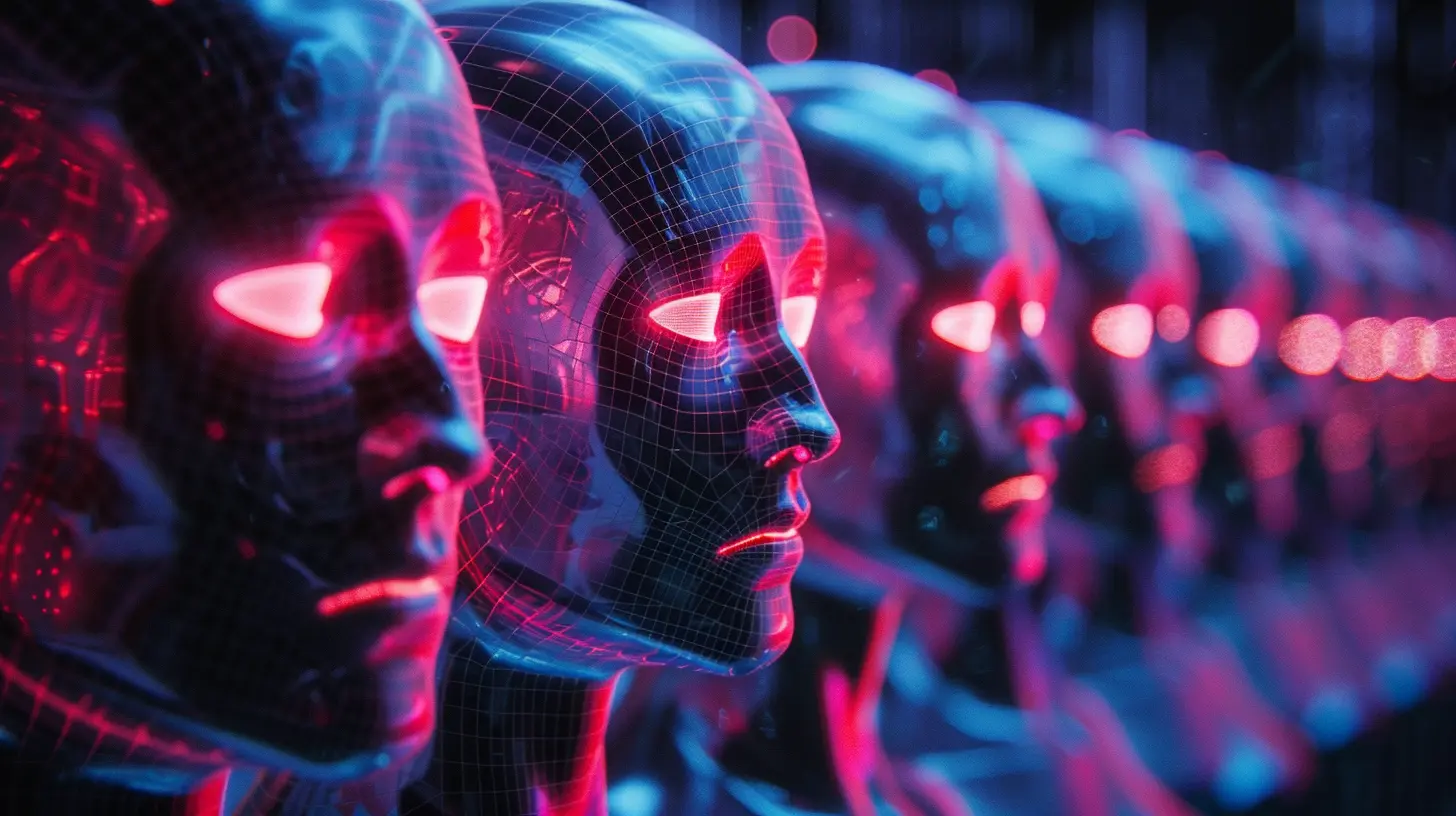
To put it simply, deepfakes are synthetic media where someone’s likeness is altered or replaced in videos or images. The term "deepfake" comes from the combination of "deep learning" (a subset of artificial intelligence) and "fake." Deep learning techniques use neural networks to generate highly realistic fake content by analyzing large datasets of real video footage or images.Imagine watching a video where a politician delivers a speech they’ve never given, or a friend appears to say something they would never say. That's deepfake technology at work. It isn’t limited to video either; deepfake audio can convincingly mimic someone’s voice, making it sound like they’ve said something they haven’t.
Sounds a bit like sci-fi, right? Well, it’s here, and it’s only getting more sophisticated.
How Do Deepfakes Work?
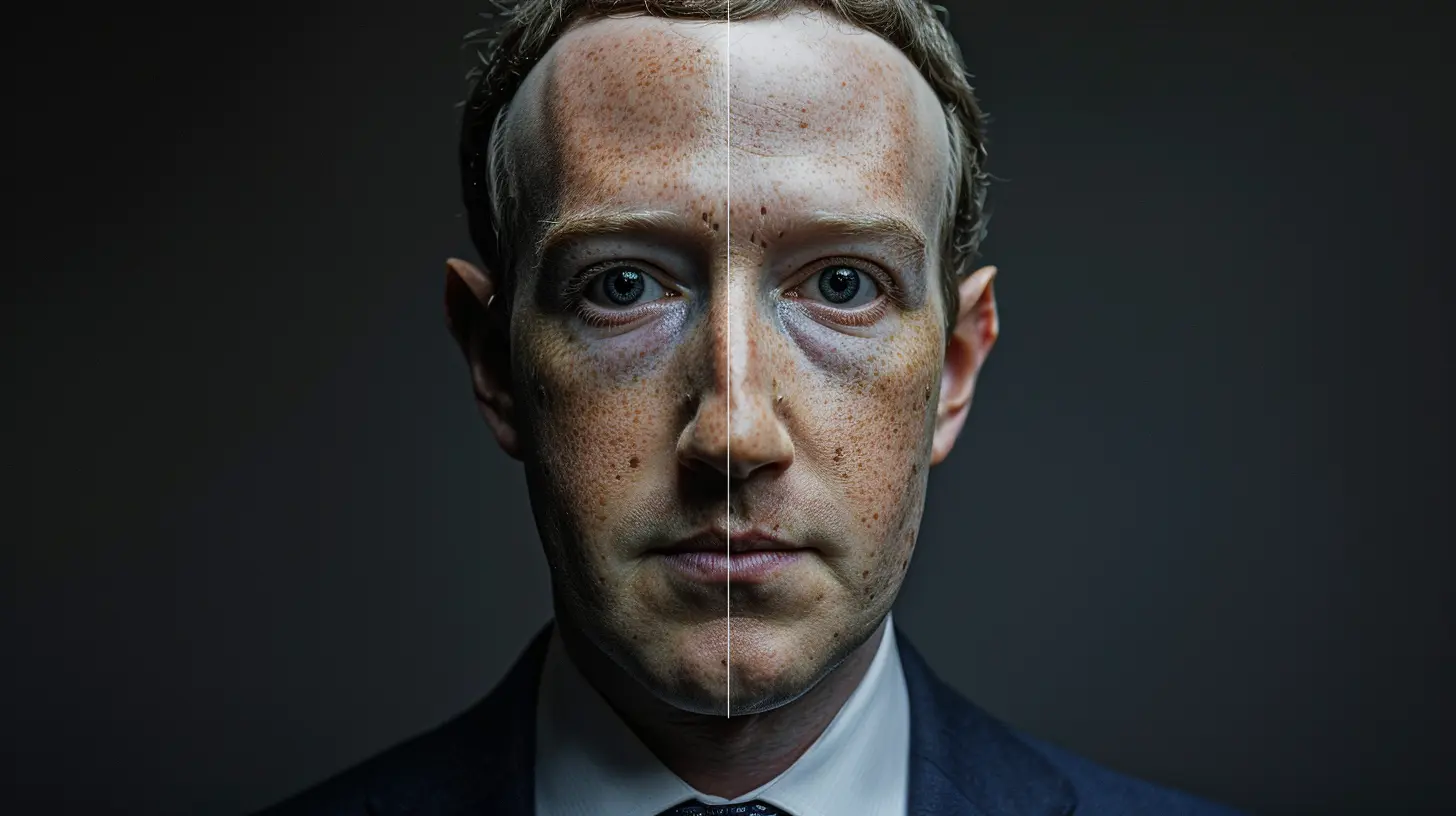
Deepfakes rely on machine learning models, particularly Generative Adversarial Networks (GANs). Here’s how it breaks down:1. Training Data: The AI is trained using vast amounts of images or videos of the subject whose likeness will be faked. For example, if you want to create a deepfake of a celebrity, you’d feed thousands of their images and videos into the system.
2. Generative Adversarial Networks (GANs): GANs consist of two neural networks — a generator and a discriminator. The generator creates fake content, while the discriminator evaluates the content to determine whether it’s real or fake. Over time, the generator gets better at fooling the discriminator, resulting in hyper-realistic fakes.
3. Result: The final output is a video or audio clip that looks and sounds like the target subject, but the content is entirely fabricated.
The key to a convincing deepfake is the sheer amount of data used to train the AI. The more data, the better the AI can mimic someone’s voice, facial expressions, and other unique features.
Why Are Deepfakes Becoming More Common?
Deepfake technology has been around for a few years, but it has only recently become more accessible. In the past, creating a deepfake required immense processing power and technical expertise. Now, thanks to advancements in AI and the availability of user-friendly deepfake software, almost anyone with a decent computer and some time on their hands can generate convincing fakes.Want to swap faces with your favorite movie star? There’s an app for that. Want to make it look like your friend is dancing in a viral music video? You can do that too. But what happens when this technology is used for more malicious purposes?
The Dark Side of Deepfakes
While deepfake technology can be fun and entertaining (think of those hilarious face-swapping apps), the potential for misuse is alarming. Here are a few ways deepfakes can pose a serious threat:1. Political Manipulation
Imagine a video surfacing of a world leader declaring war, making inflammatory remarks, or admitting to a scandal. In an age where information spreads like wildfire, deepfakes could be weaponized to create political chaos or even international conflict.The frightening part? By the time the video is debunked, the damage could already be done. People’s trust in what they see and hear could erode, leading to widespread misinformation.
2. Identity Theft and Fraud
Deepfakes can make identity theft easier than ever. Imagine someone creating a fake video or audio clip of you, using your voice or face to scam your friends or family. It’s not just about financial fraud either — deepfakes could be used to damage reputations, sabotage careers, or even blackmail individuals.3. Deepfake Pornography
One of the most disturbing applications of deepfake technology is in the realm of non-consensual deepfake pornography. Victims (often women) have had their faces superimposed onto explicit videos without their consent, leading to emotional distress, harassment, and reputational damage. The fact that this can be done with relative ease makes it a growing problem.4. Erosion of Trust in Media
As deepfakes become more convincing, it will become increasingly difficult to distinguish real from fake. This has serious implications for journalism and news media. If people can’t trust what they see, it undermines the credibility of legitimate news sources. This could lead to an environment where people are more likely to believe conspiracy theories, as they become increasingly skeptical of mainstream media.How Can We Combat the Deepfake Threat?
Given the rapid advancement of deepfake technology, it might feel like the genie is already out of the bottle. But that doesn’t mean there’s nothing we can do. Here are some steps that can help mitigate the dangers posed by deepfakes:1. Improved Detection Technology
Just as AI is used to create deepfakes, it can also be used to detect them. Researchers are working on developing algorithms that can spot subtle discrepancies in deepfake videos, such as unnatural blinking patterns or inconsistencies in lighting and shadows.For instance, Microsoft has launched a tool called Microsoft Video Authenticator that analyzes videos and photos to determine their authenticity. While these tools are promising, they still need to become more widespread and accurate to effectively combat deepfakes.
2. Legislation and Regulation
Governments around the world are beginning to recognize the threat posed by deepfakes. Some countries have already passed laws criminalizing the use of deepfakes for malicious purposes, such as creating fake pornographic content or attempting to influence elections.However, legislation alone won’t solve the problem. Deepfakes are a global issue, and regulating their use will require cooperation between governments, tech companies, and international organizations.
3. Public Awareness and Media Literacy
One of the most effective ways to combat the deepfake threat is by educating the public about the existence and dangers of deepfakes. When people are aware that videos can be faked, they’re less likely to fall for misinformation.Encouraging media literacy — teaching people how to critically evaluate the information they consume — is key. People need to be more discerning about the sources of the content they view and question whether something that seems too outrageous to be true might, in fact, be a deepfake.
4. Technological Safeguards
Tech companies can also play a significant role in combating the spread of deepfakes. For example, social media platforms like Facebook, Twitter, and YouTube have started implementing policies to identify and remove deepfake content that violates their terms of service.Additionally, some platforms are exploring the use of blockchain technology to create digital "watermarks" that verify the authenticity of videos and images, making it easier to detect deepfakes.
The Future of Deepfake Technology: Should We Be Worried?
It’s hard to say exactly where deepfake technology is headed, but one thing is certain: it’s not going away anytime soon. As AI continues to improve, deepfakes will become even more realistic, and the line between real and fake will blur even further.The key challenge will be striking a balance between harnessing the positive potential of deepfakes (think: virtual reality, entertainment, education) while minimizing the risks associated with their misuse.
It’s a bit like fire — immensely useful when controlled, but incredibly destructive when left unchecked.
Final Thoughts
Deepfake technology is both fascinating and frightening. On one hand, it opens up new possibilities for creativity and entertainment. On the other hand, it poses a significant threat to privacy, security, and trust in the digital age. As deepfakes become more prevalent, it’s crucial for individuals, governments, and tech companies to work together to address these risks.Ultimately, the future of deepfakes will depend on how we as a society choose to handle this powerful technology. Will we use it responsibly, or will we allow it to undermine the very fabric of truth in our world?
One thing's for sure: deepfakes are a growing threat that we can’t afford to ignore.
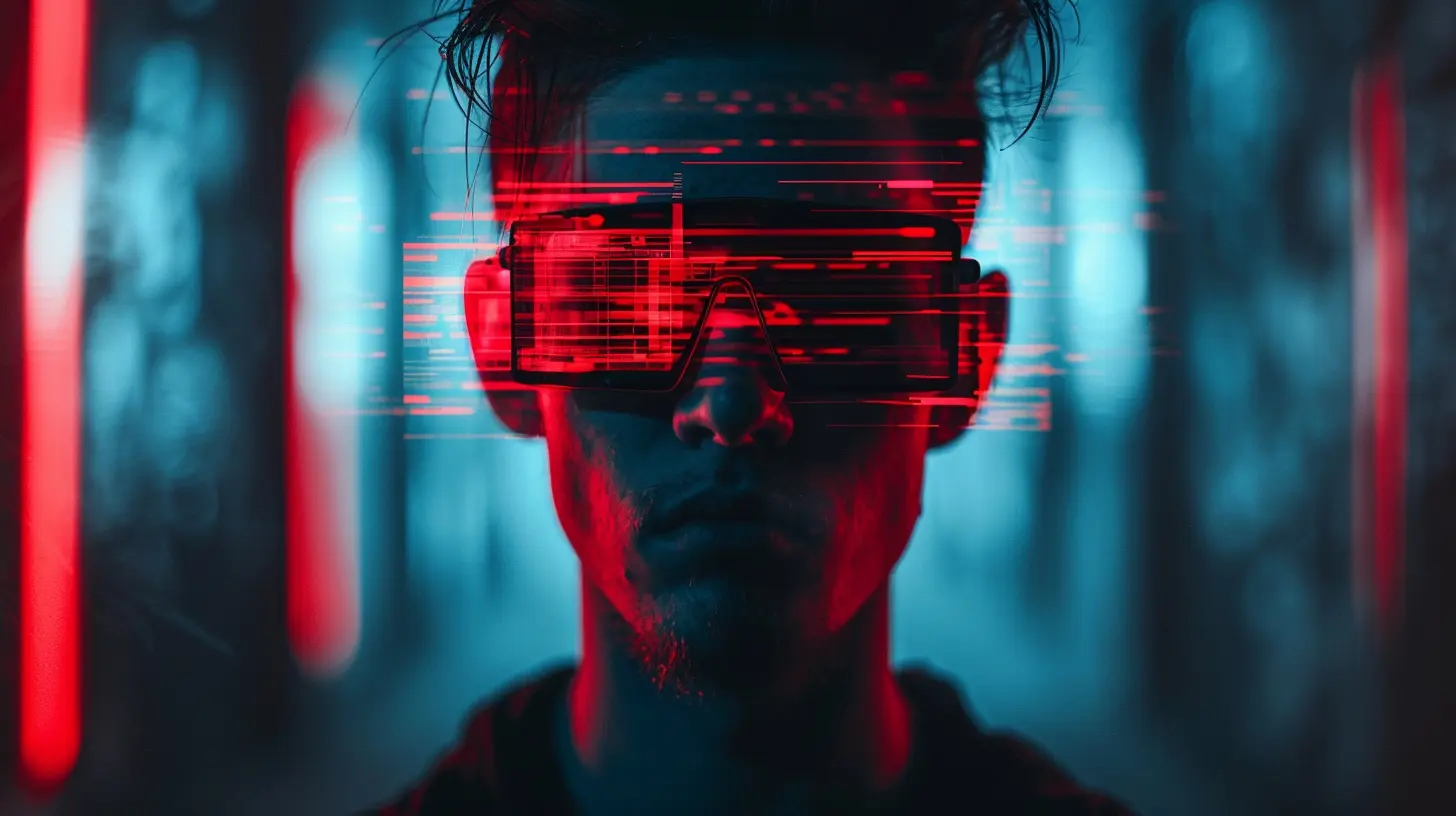
all images in this post were generated using AI tools
Category:
Online SecurityAuthor:

Vincent Hubbard