The Growing Use of Drones in Law Enforcement
9 December 2025
Drones are no longer just high-tech toys or tools for capturing breathtaking aerial footage. These little flying machines are rapidly becoming a vital part of law enforcement across the globe. From search-and-rescue missions to traffic monitoring, police forces are embracing drone technology to enhance public safety and improve operational efficiency.
But what makes drones such a game-changer for law enforcement? Let’s dive in and find out!
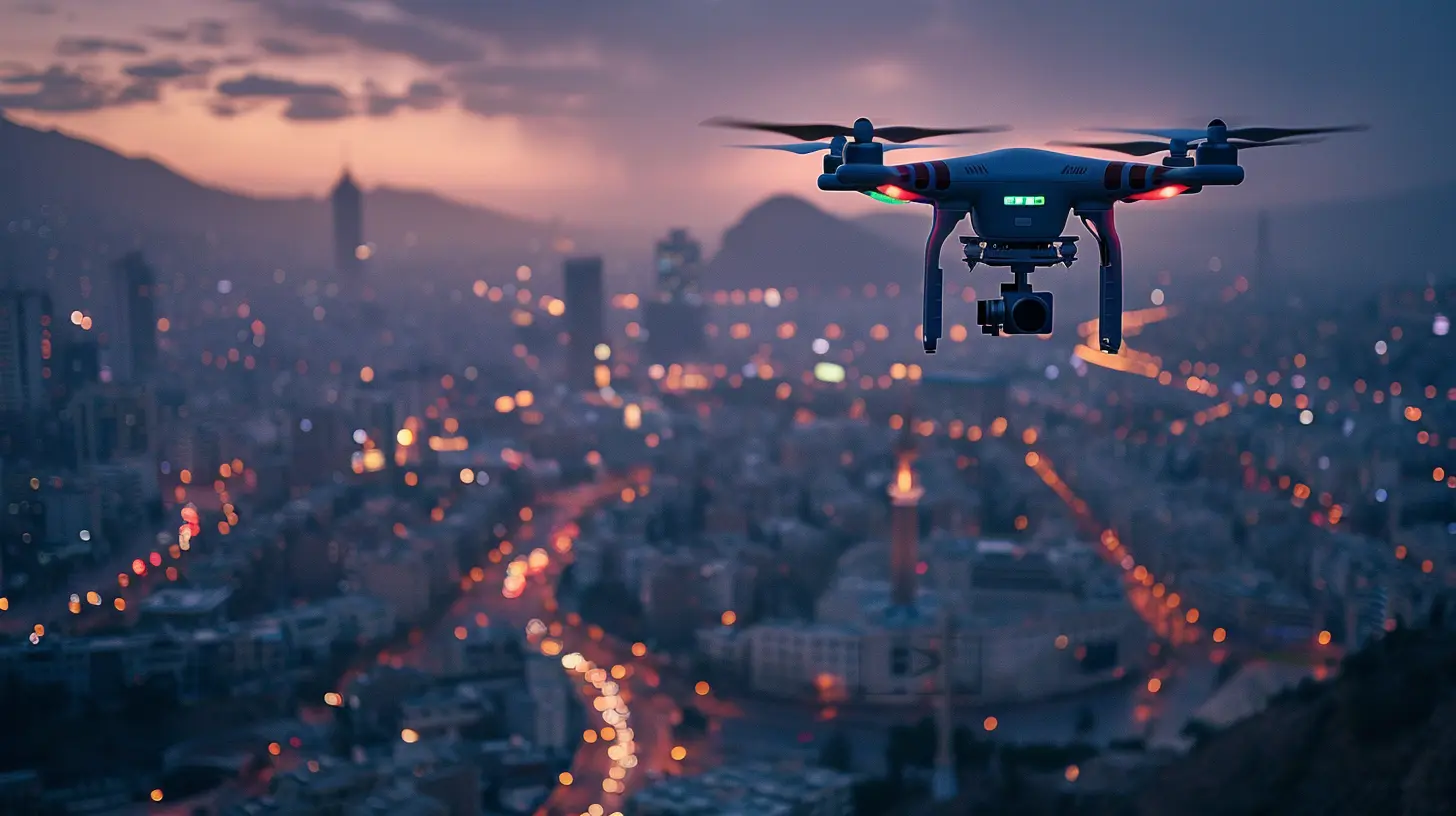
How Law Enforcement Is Utilizing Drones
Law enforcement agencies are always on the lookout for innovative ways to improve efficiency, and drones fit the bill perfectly. Here’s how they make a difference:1. Search and Rescue Missions
Imagine someone goes missing in a dense forest or a vast mountain range. Traditionally, search teams would spend hours, sometimes days, combing through the area. But with drones equipped with thermal imaging cameras, police can scan large areas in record time, identifying heat signatures and locating missing persons much faster.Drones have already saved countless lives in these scenarios. Their ability to access hard-to-reach places makes them indispensable for rescue missions.
2. Surveillance and Crime Monitoring
Drones provide police with an aerial perspective that was previously only possible with helicopters. And let’s be honest—helicopters are expensive! Drones are a much more cost-effective solution for monitoring large crowds, tracking suspects, and analyzing crime scenes.During large public events, such as concerts or protests, drones help authorities keep an eye on activities without deploying an overwhelming number of officers. This ensures safety while minimizing direct confrontation.
3. Traffic Control and Accident Investigation
Ever been stuck in a massive traffic jam caused by an accident? Drones are helping police manage traffic flow more efficiently by assessing road conditions, monitoring congestion, and even reconstructing accident scenes.Instead of shutting down a road for hours, officers can deploy drones to capture detailed aerial images, analyze the situation, and clear the scene more quickly. Less congestion means safer roads for everyone.
4. Tactical Operations and SWAT Support
SWAT teams often face high-risk situations where every second counts. Drones can be deployed to gather intelligence before officers enter a dangerous environment.For example, during hostage situations or armed standoffs, drones provide real-time visuals, helping law enforcement assess risks and formulate safer strategies. Some advanced drones even have speakers, allowing officers to communicate with suspects or hostages without putting themselves in harm’s way.
5. Border Patrol and Drug Interdiction
Securing borders and preventing illegal drug trafficking is a massive task. Drones are making it easier for law enforcement agencies to patrol vast areas without having to deploy large teams of officers.With long-range capabilities and night-vision cameras, drones can detect suspicious movements, track smugglers, and provide vital intelligence to border security forces. This technology has already proven effective in preventing drug trafficking and illegal crossings.
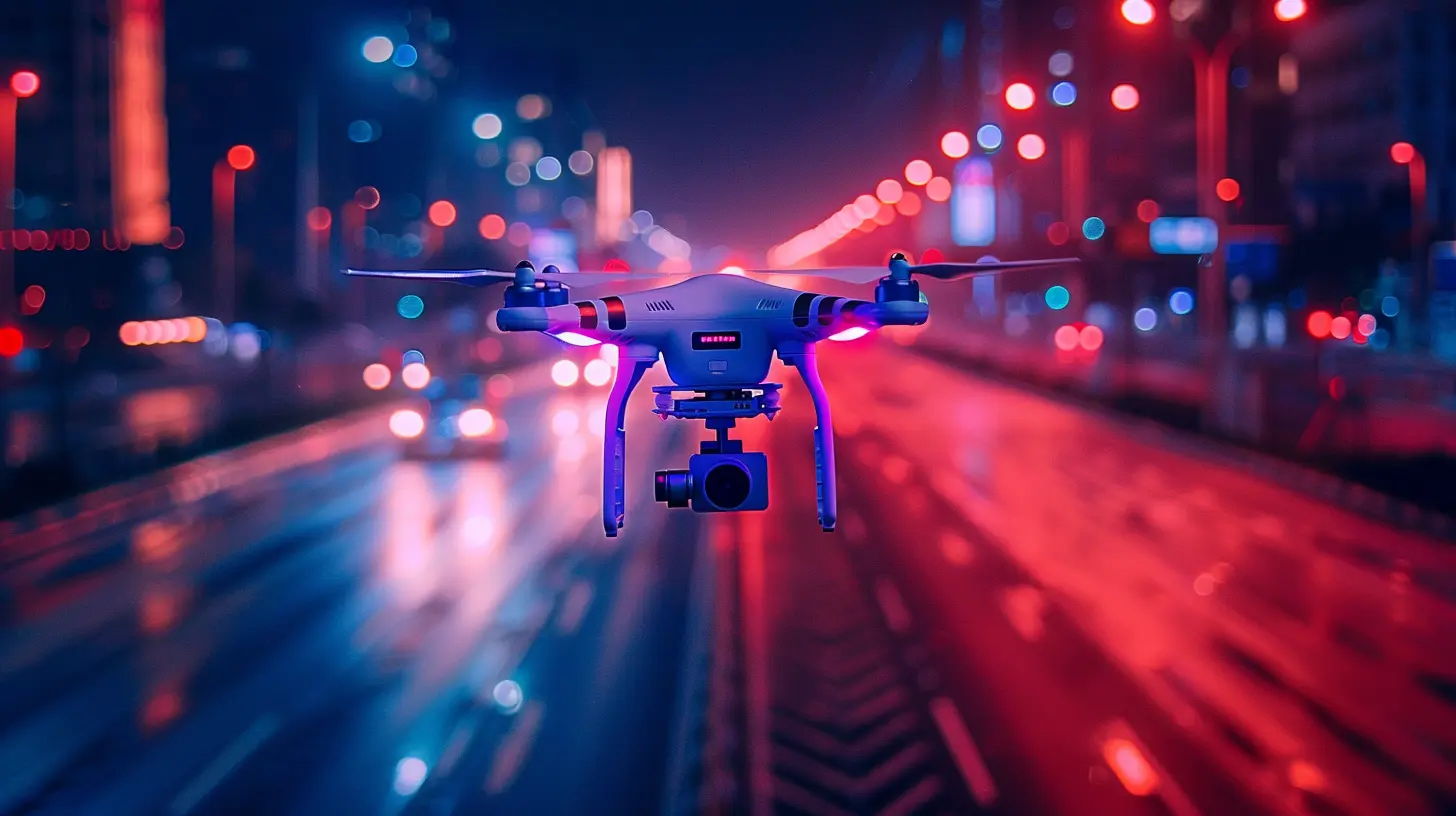
The Advantages of Using Drones in Law Enforcement
Now you might be wondering, "What makes drones so essential for police work?" Here are some undeniable benefits:1. Cost-Effective and Efficient
Traditional aerial surveillance requires helicopters and pilots—both of which are expensive. Drones, on the other hand, are significantly cheaper to operate and can be deployed quickly with minimal expense.2. Fast Deployment
In emergencies, time is critical. Drones can be launched within minutes, providing real-time intelligence that helps officers respond more effectively.3. Reduced Risk to Officers
Many police operations involve significant danger. Drones reduce the need for officers to physically enter high-risk situations, enhancing overall safety.4. Better Evidence Collection
Drones capture high-resolution images and videos, providing valuable evidence for investigations. This can help in court proceedings, making it easier to convict criminals.5. Environmental and Disaster Response
Beyond crime-fighting, drones assist in disaster response. Whether it's a wildfire, flood, or earthquake, drones help assess damage, locate survivors, and coordinate rescue efforts.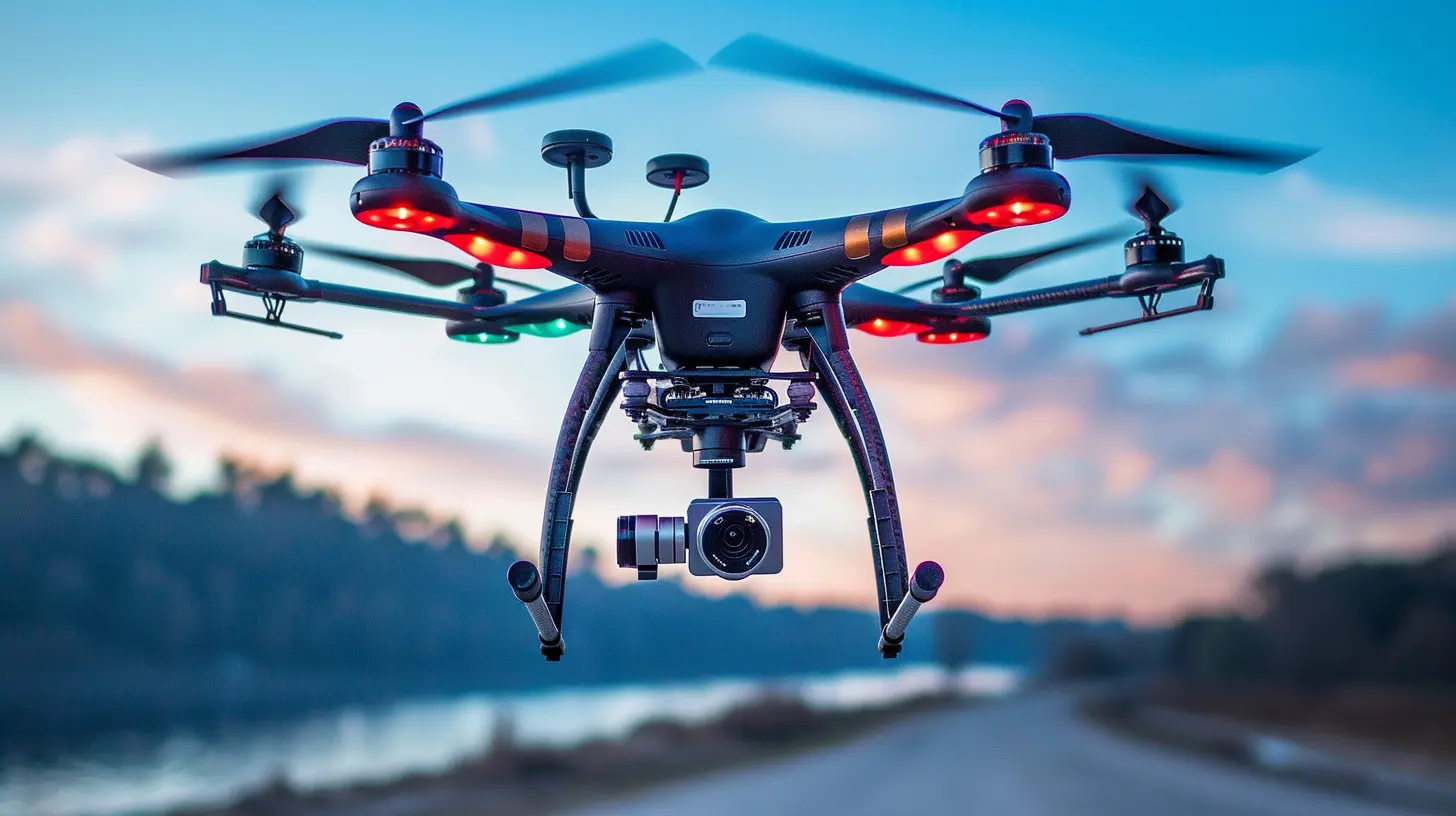
Challenges and Ethical Concerns
Of course, no technology is perfect. While drones offer incredible benefits, they also come with challenges that law enforcement must navigate carefully.Privacy Issues
One of the biggest concerns with drones is privacy. Citizens worry about being constantly watched, raising questions about surveillance laws and ethical boundaries. Law enforcement agencies must strike a balance between security and respecting individual privacy rights.Regulations and Legal Frameworks
The rapid adoption of drones has outpaced regulations in many areas. Governments are still figuring out the best way to regulate drone use while ensuring they don’t interfere with civilian airspace or personal freedoms.Public Perception and Trust
Not everyone is thrilled about drones buzzing around their neighborhoods. Public trust in law enforcement drones depends on transparency and proper use. Agencies need to educate communities about how and why drones are used to build confidence in this technology.Hacking and Security Threats
Like any digital technology, drones are susceptible to hacking. If a law enforcement drone falls into the wrong hands, it could be used for malicious purposes. Strong cybersecurity measures are crucial to prevent unauthorized access or data breaches.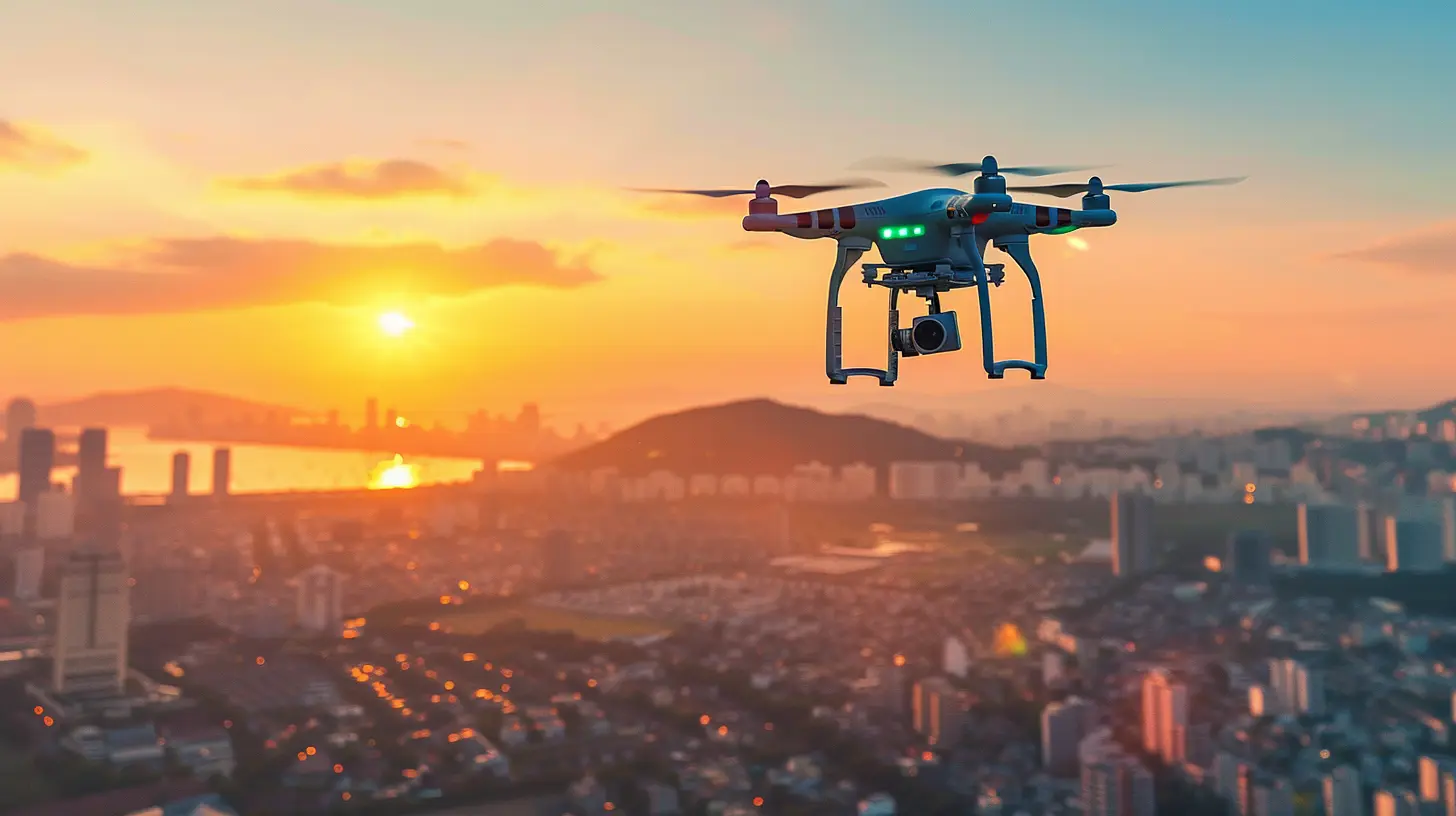
The Future of Law Enforcement Drones
So, what’s next for drones in policing? Given how quickly technology evolves, we can expect even more advancements in the coming years:AI-Powered Drones
Imagine drones that don't just capture footage but analyze it in real time using artificial intelligence. Future drones may be able to recognize faces, identify criminal activity, and even make recommendations to officers.Longer Battery Life and Increased Range
Battery life is a limitation for current drones, but with advancements in battery technology, future models will be able to stay in the air longer and cover more distance.Integration with Other Technologies
Drones may soon work alongside robotics, augmented reality (AR), and virtual reality (VR) to enhance tactical operations. Officers might use AR headsets to receive real-time drone feeds, improving situational awareness.Automated Drone Stations
Imagine a network of automated drone stations positioned around cities, ready to launch at a moment’s notice. These stations could provide police with instant aerial support whenever needed.Final Thoughts
Drones are revolutionizing law enforcement, making policing more efficient, safer, and cost-effective. From search-and-rescue missions to tactical operations, these flying marvels are proving their worth in numerous ways.However, while drones bring many advantages, they also raise important ethical and privacy questions. Striking the right balance between security and individual rights will determine how drones shape the future of policing.
What do you think about police drones? Are they a step in the right direction or a potential invasion of privacy? Let’s hear your thoughts in the comments!
all images in this post were generated using AI tools
Category:
DronesAuthor:

Vincent Hubbard
Discussion
rate this article
2 comments
Arlo Wood
Great insights! Drones are transforming law enforcement—excited to see how they enhance public safety!
December 21, 2025 at 6:04 AM
Vincent Hubbard
Thank you! I'm glad you found the insights valuable. It's an exciting time for law enforcement and public safety with drone technology!
Jacob Rodriguez
As drones transform law enforcement, we must navigate the fine line between enhanced public safety and the potential erosion of privacy and civil liberties.
December 9, 2025 at 4:31 AM
Vincent Hubbard
I agree—while drones can enhance public safety, we must remain vigilant in protecting privacy and civil liberties to ensure a balanced approach.