The Impact of Wireless Charging on Battery Innovation
21 June 2026
Wireless charging has become a game-changer in the tech world. From smartphones to electric vehicles, the convenience of charging without plugging in has revolutionized the way we power our devices. But what impact has this innovation had on battery technology? Let’s dive deep and see what’s happening behind the scenes.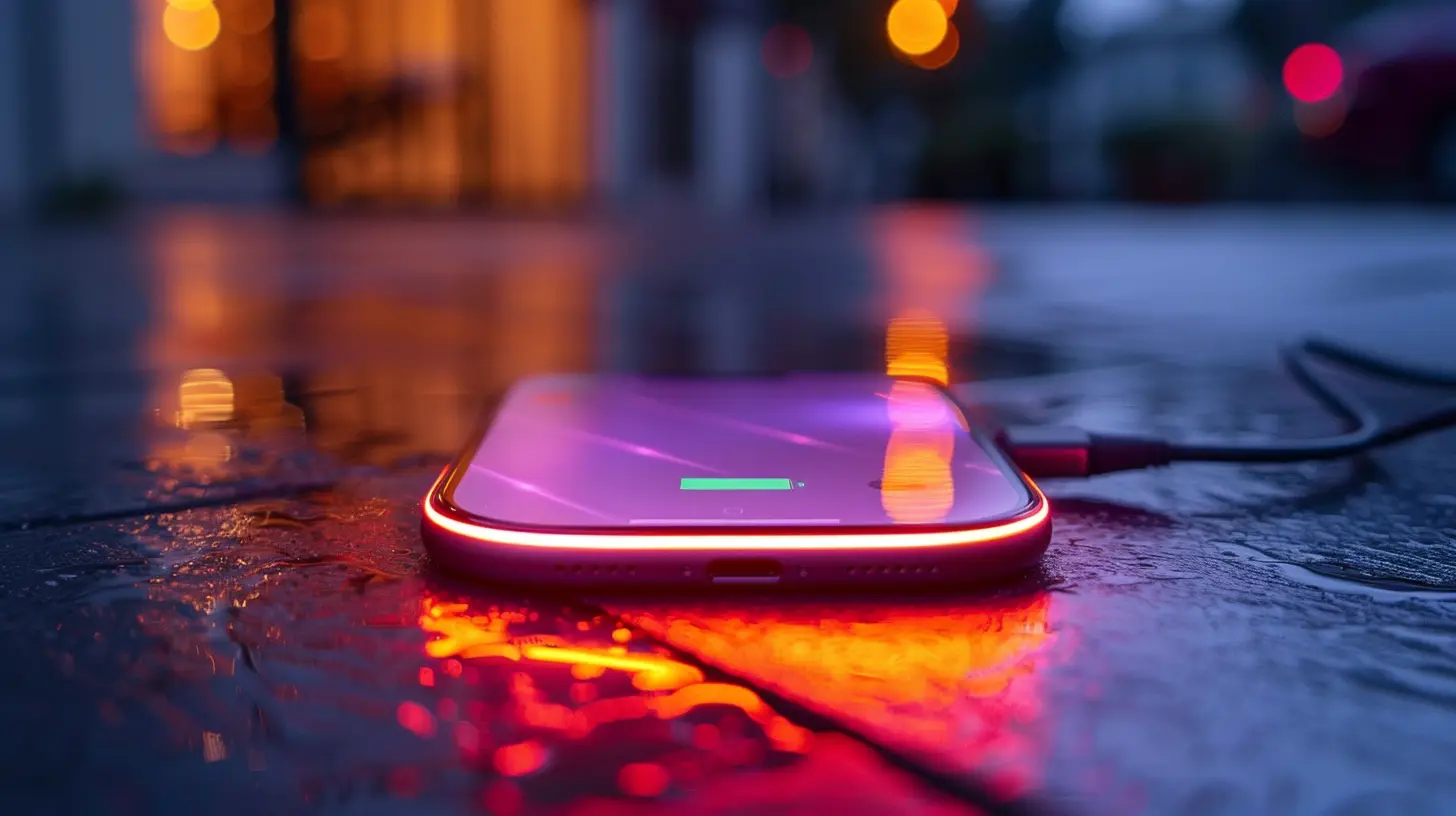
The Rise of Wireless Charging Technology
Gone are the days when charging cables tangled up on our desks or mysteriously vanished when we needed them most. Wireless charging, which started as a futuristic gimmick, is now a standard feature in most flagship smartphones, smartwatches, earbuds, and even some laptops.The concept behind it is simple: using electromagnetic fields to transfer energy from a charging pad to a device. But while the convenience is undeniable, it raises a big question—how does it affect battery innovation and overall performance?
How Wireless Charging Works: The Basics
Before we talk about its impact on battery technology, let’s break down how wireless charging actually works.Wireless charging relies on a method called inductive charging. It works like this:
1. A charging pad (or dock) has a coil inside that generates an electromagnetic field.
2. Your device also has a coil that picks up this field and converts it into electric current.
3. The current charges your battery—without the need for physical connectors.
Some advanced systems use resonant charging, which allows for more flexibility in positioning and even charging devices from a short distance.
Now, that all sounds fantastic, but does this new way of charging bring more benefits or drawbacks for battery health?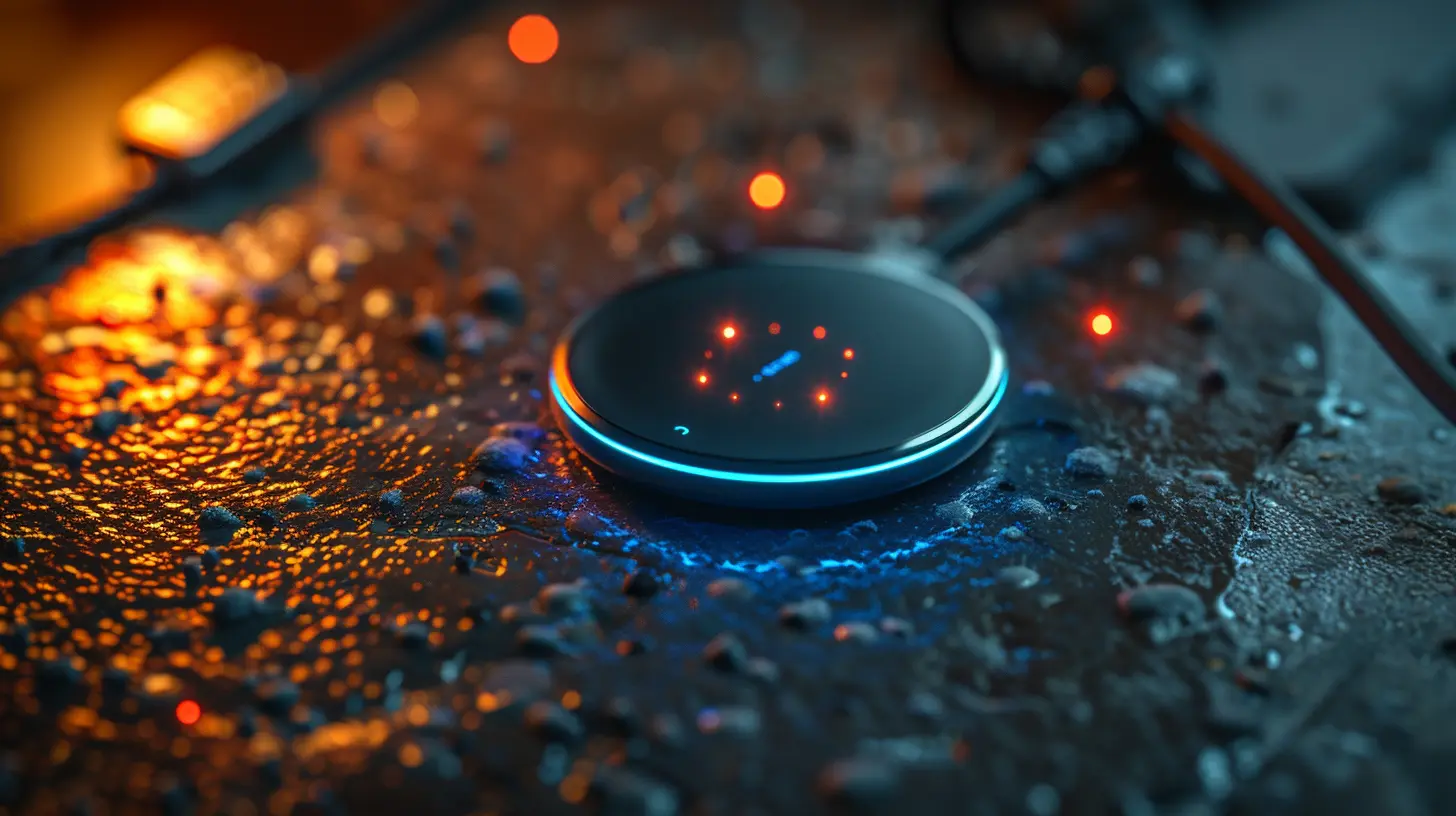
The Major Ways Wireless Charging Influences Battery Innovation
1. Pushing the Boundaries of Battery Efficiency
Wireless charging has forced manufacturers to rethink battery design. Since wireless charging isn't as energy-efficient as wired charging, companies are working to improve the energy transfer process to reduce power loss. This has led to advancements in battery energy density and efficiency, helping batteries last longer and charge smarter.2. Heat – A Major Concern
Let’s be honest—heat is the enemy of battery health. Unfortunately, wireless charging generates more heat compared to traditional wired charging. This is because energy transfer through electromagnetic waves isn't 100% efficient, resulting in wasted energy being released as heat.Heat causes battery degradation over time, reducing its lifespan. To counter this, manufacturers are developing better thermal management systems that disperse heat more effectively, preventing overheating issues.
3. Intelligent Charging Algorithms
Another development spurred by wireless charging is the introduction of smart charging algorithms. These algorithms optimize charging speed and help prevent overcharging, which can degrade battery quality. Features like Adaptive Charging and Battery Health Management have become common, ensuring batteries last longer even with frequent wireless charging.4. Encouraging Solid-State Battery Research
As wireless charging becomes a standard, companies are looking toward solid-state batteries as the future. Solid-state batteries promise higher energy density, faster charging, and improved safety—all necessary for making wireless charging more efficient.Since they generate less heat and have a longer lifespan than lithium-ion batteries, the marriage of solid-state batteries and wireless charging could solve many of today’s energy challenges.
5. The Influence on EV Battery Technology
Wireless charging isn’t limited to smartphones. The automobile industry is also exploring wireless EV charging, which could eliminate the need for bulky charging cables.But since car batteries require much more power, efficient wireless charging methods are crucial. This has led to breakthroughs in high-power wireless transfer systems, which not only charge EVs faster but also enhance battery durability by reducing excessive heat buildup.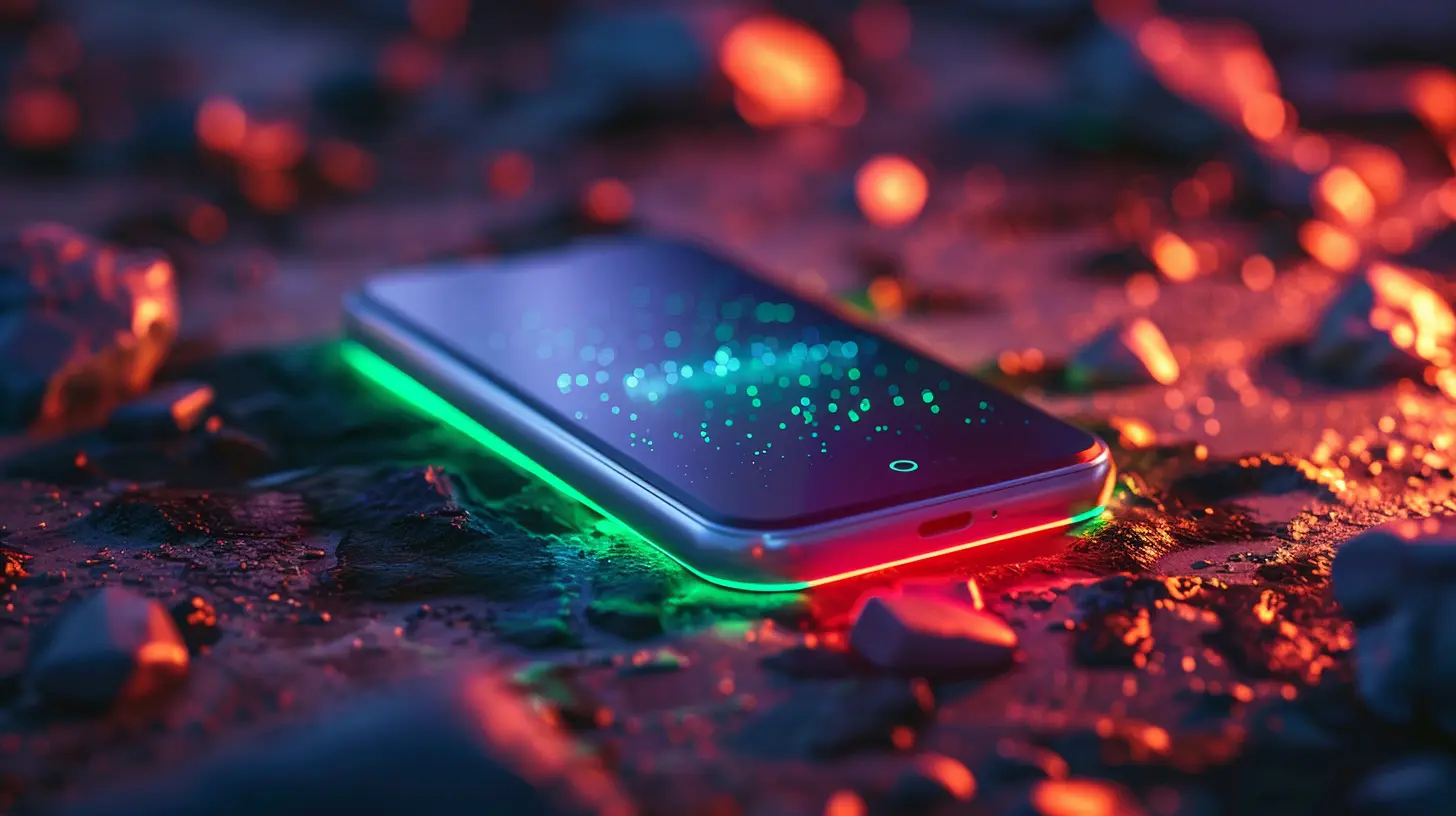
Common Misconceptions About Wireless Charging and Battery Life
Despite its growing popularity, there are plenty of myths surrounding wireless charging. Let’s clear up a few of them:1. "Wireless Charging Damages the Battery Faster”
Not necessarily. If a device has a proper heat management system and uses modern charging algorithms, the impact on battery health is minimal. However, excessive heat from low-quality or improperly designed wireless chargers can harm the battery.2. “Wireless Charging is Slower Than Wired Charging”
This used to be true, but not anymore. With fast wireless charging technologies like MagSafe (Apple) and Qi 2.0, wireless charging speeds are catching up to wired alternatives. However, higher speeds can still generate more heat, which is a challenge manufacturers are working to overcome.3. "You Should Always Use Wireless Charging”
Just because it’s convenient doesn’t mean it’s always the best option. If you need a quick top-up without worrying about heat, wired charging can still be the smarter choice. A combination of both methods is ideal for maintaining battery longevity.The Future of Wireless Charging in Battery Technology
So, what’s next for wireless charging and battery innovation? Here are some exciting possibilities:1. True Wireless Charging (Over-the-Air)
Imagine walking into a room and your phone starts charging without even placing it on a pad. Companies are working on radio frequency (RF) and laser-based charging that could allow devices to charge from a distance. This could change everything, from smartphones to smart homes and wearables.2. More Energy-Efficient Charging Pads
Newer charging pads are being designed with higher efficiency rates, meaning less wasted energy and reduced heat production. This will improve both charging speed and battery lifespan.3. AI-Based Charging Optimization
With artificial intelligence stepping in, we could see AI-driven charging solutions that analyze usage patterns and adjust charging cycles accordingly. This would help prevent unnecessary charge cycles, extending battery health over time.4. Universal Wireless Charging Standards
One big issue today is compatibility—different brands use different wireless charging technologies. In the future, universal standards might allow any device to charge on any pad, making the experience seamless.Final Thoughts: Is Wireless Charging Worth It?
So, does wireless charging impact battery innovation? Absolutely. While it presents challenges like heat management and efficiency concerns, it has also pushed battery technology forward, leading to smarter, longer-lasting, and safer batteries.We’re moving toward a future where charging is entirely hassle-free, and battery breakthroughs—like solid-state technology and AI-driven optimizations—will make wireless power even more effective. Though wired charging still has its place, wireless charging is undoubtedly shaping the future of how we power our devices.
Whether it’s our phones, cars, or even home appliances, one thing is clear: wireless charging is here to stay, and it’s changing battery tech for the better.
all images in this post were generated using AI tools
Category:
Wireless ChargingAuthor:

Vincent Hubbard
Discussion
rate this article
1 comments
Ziva Nguyen
Wireless charging is changing the game for battery design, pushing manufacturers to focus on efficiency and longevity. While it's convenient, the technology has its limitations, like heat generation and slower charging speeds. Companies need to balance innovation with practical performance for true progress.
June 21, 2026 at 3:18 AM
Vincent Hubbard
You make a great point. While wireless charging offers convenience, manufacturers must address its limitations to ensure better performance and longevity in battery design. Balancing innovation with efficiency is key for meaningful advancements.