The Latest Innovations in Wireless Charging Gadgets
25 January 2026
Let’s be honest—dealing with cords is so last decade. Tangled wires, lost adapters, and the eternal struggle of finding an available wall socket? No thank you. Welcome to the magical world of wireless charging where your devices juice up without being physically tethered to anything! It’s the kind of sorcery we all wanted as kids, and now, it’s becoming more real (and futuristic) than ever.
In this humorous yet geek-approved deep dive, we're going to peel back the curtain on the latest and greatest innovations in wireless charging. Grab your favorite beverage, plop down on your comfiest couch, and prepare to geek out—cord-free, of course.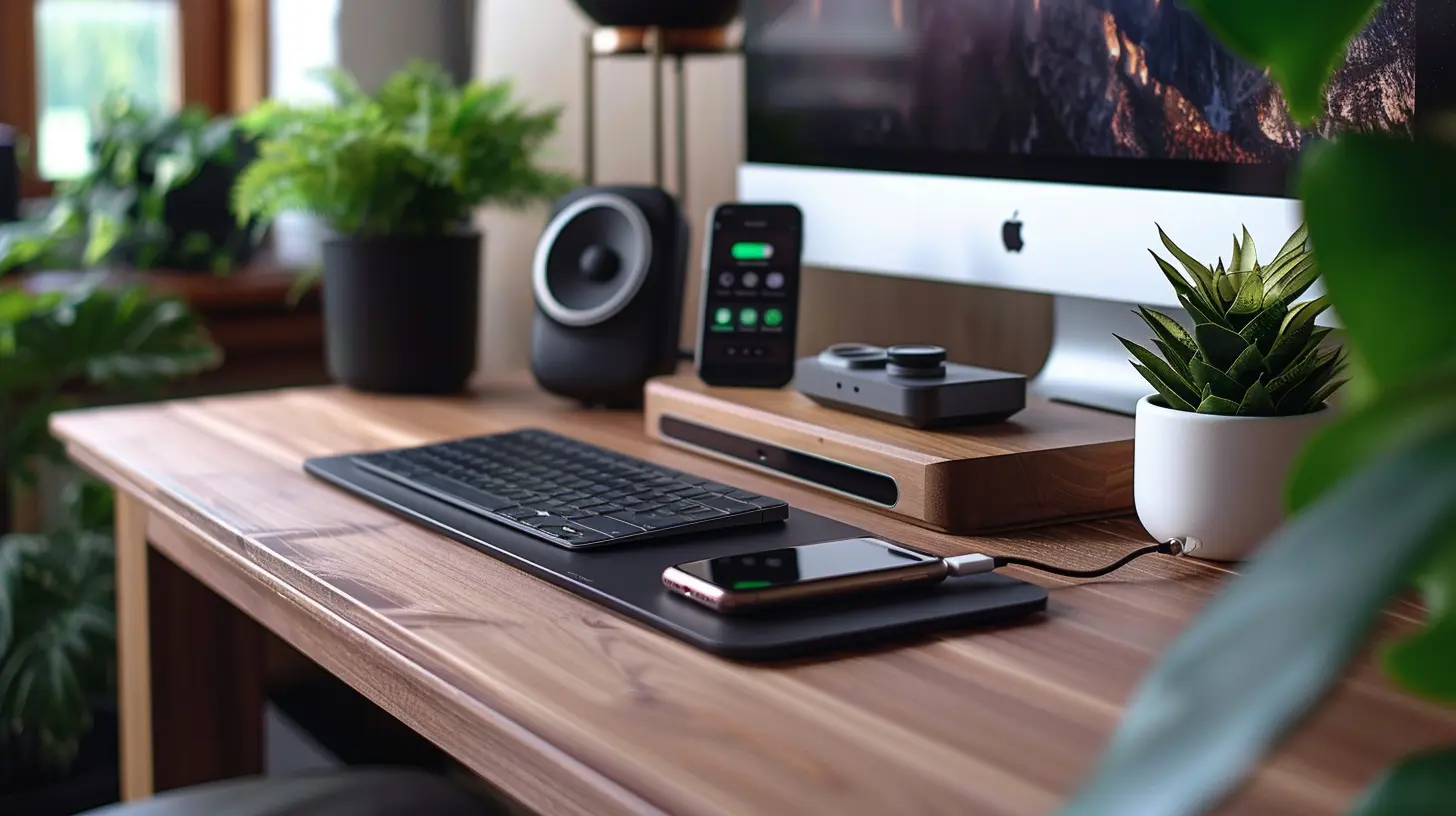
🚫 Farewell, Charging Cables!
First, let’s pay our respects to the humble charging cable. It’s been with us for years. It’s saved us during 1% battery panics. But it’s also betrayed us with frayed ends and connectivity tantrums.Wireless charging, though, is like upgrading from dial-up internet to full-fledged fiber optics. It’s sleeker, smarter, and doesn’t care which way you plug it in—because you don’t. Just plop your phone down and boom, charging begins like magic.
But it wasn’t always this way.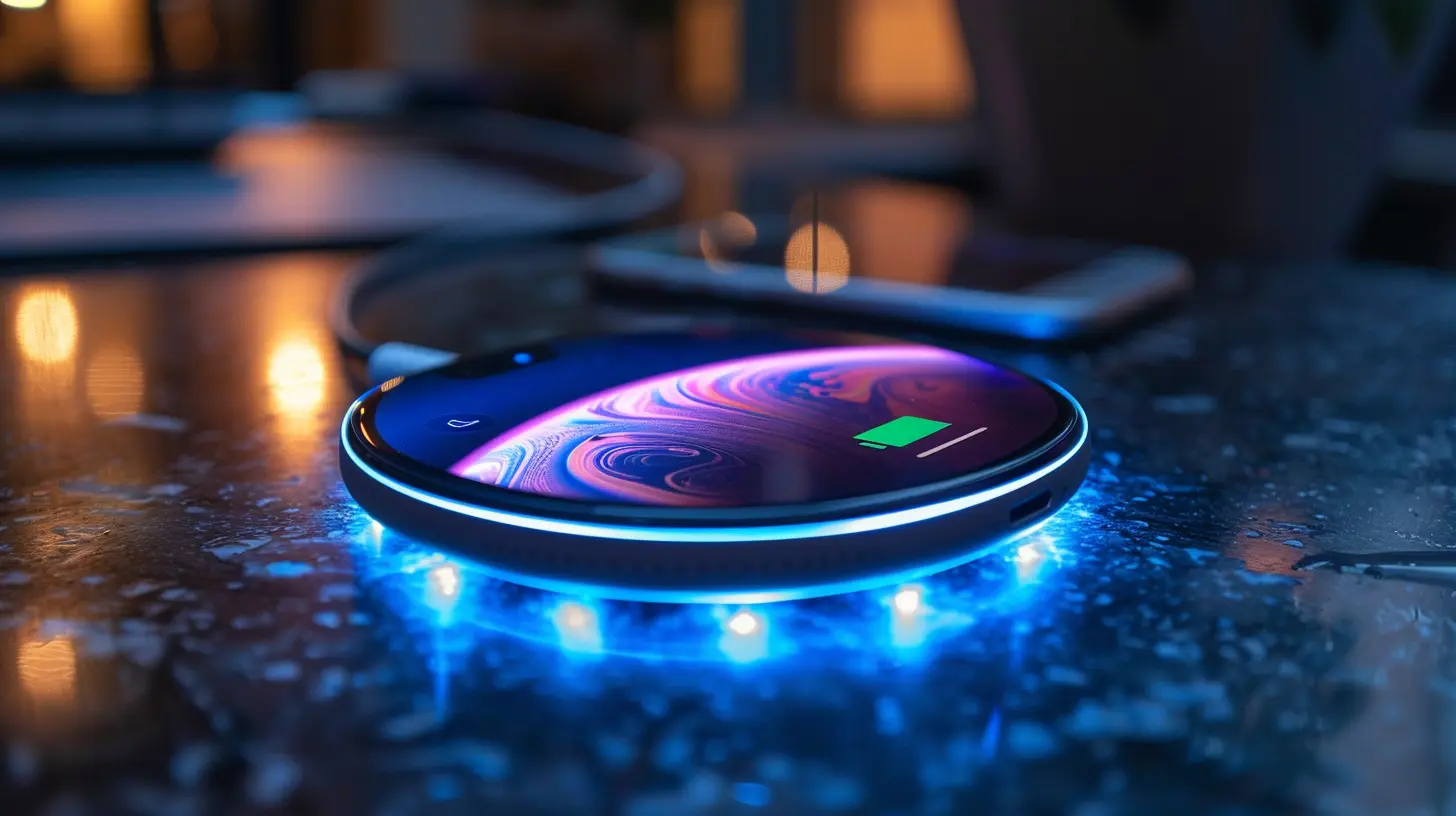
🧪 A Quick Trip Down Wireless Charging Memory Lane
Before we dive into what’s new, let’s rewind a bit.Wireless charging, also known in the tech circles as "inductive charging," works via electromagnetic fields. In simple terms? There’s a transmitter coil in the charger and a receiver coil in your device. When they vibe at the same frequency (literally), energy flows wirelessly like some kind of techy love story.
First-gen wireless chargers were about as fast as snail mail. You’d pop your phone on a pad, go take a nap, and hope it charged beyond 18% before the apocalypse. But over the years, the tech has evolved faster than a TikTok trend.
Let’s look at the new kids on the block now!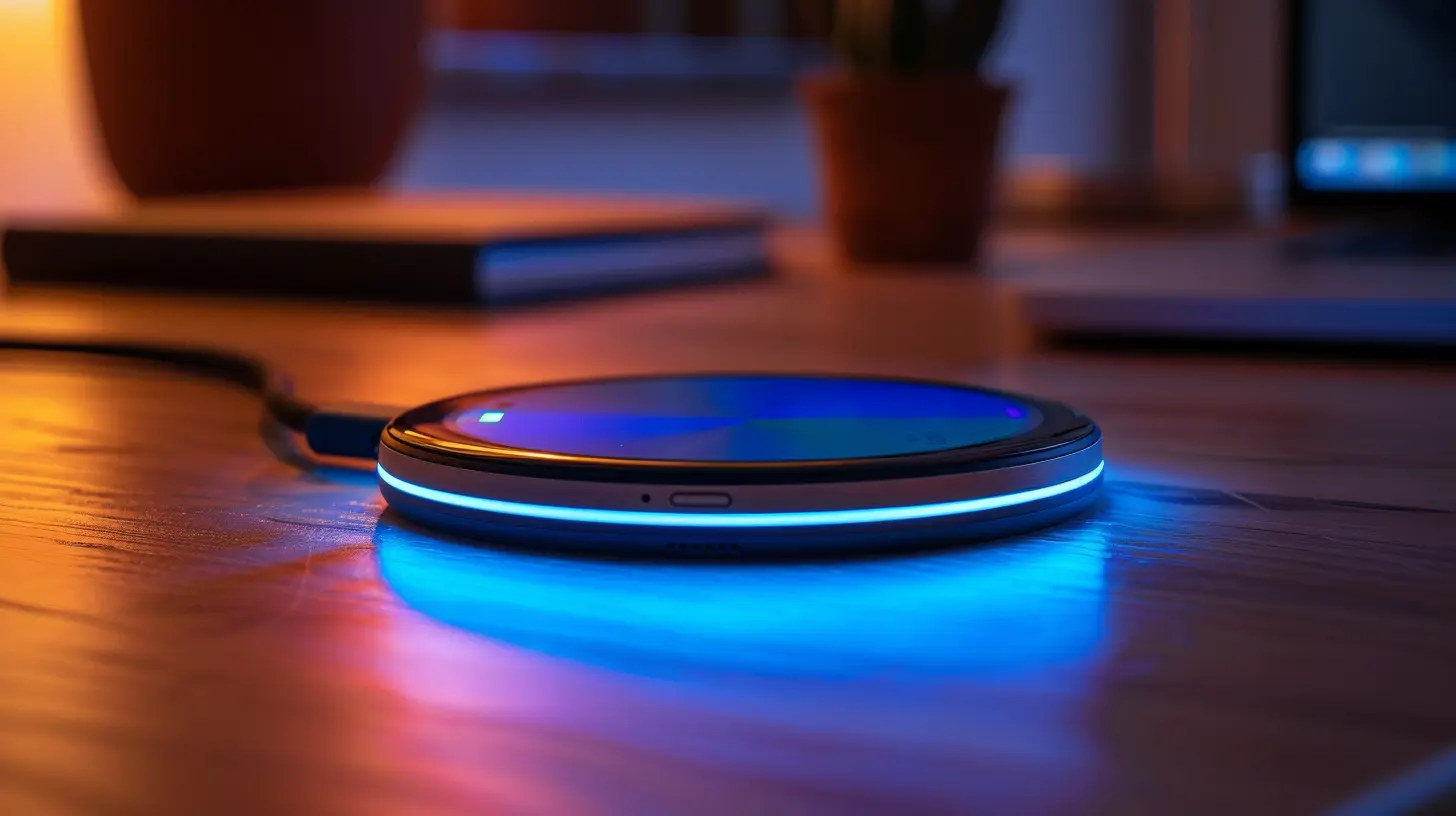
🔋 The Coolest Innovations in Wireless Charging
1. 📡 Long-Range Wireless Charging (No Pad Required!)
Imagine this: You're walking into your house, and your phone just starts charging—while still in your pocket. No pads. No plugging in. Just pure, effortless charging from across the room. Sounds like a scene from Star Trek, right?Well, companies like Ossia and Energous have been perfecting this with technologies like RF-based wireless charging and “true wireless power.” It beams energy over air using radio frequencies (kind of like WiFi, but for power), charging your gadgets within a certain radius—up to several feet away!
Soon, your couch and coffee table could double as charging stations. And your cat? Well, maybe not.
2. 🧲 Magnetic Alignment Tech (Goodbye Sweet Spot Scavenger Hunt)
Let’s be honest. We’ve all awkwardly nudged our phone on a wireless pad to find that elusive charging "sweet spot"—only to wake up and find the battery still dead. Insert dramatic crying emoji here.Enter magnetic alignment, made famous by Apple's MagSafe. Not only does your phone snap into place with the satisfying click of a LEGO brick, but it also ensures perfect alignment for faster, more reliable charging.
Now, Android buddies are hopping on the magnet-powered bandwagon too. It’s like the wireless charging world finally figured out what every couple’s therapist already knew: alignment is everything.
3. 🔦 Furniture That Charges (Your Coffee Table is Smarter Than You)
You’ve heard of smart TVs and smart fridges, but what about smart furniture? That’s right—thanks to built-in charging pads hidden in modern furniture, your stylish IKEA nightstand might have more tech mojo than your entire 2009 gadget lineup.Companies are integrating Qi-compatible charging surfaces within desks, bedside tables, and even kitchen counters. Simply drop your phone on your desk and presto—charging, sans cable spaghetti.
Some even come with motion sensors and smart assistant integration. Because obviously, your table now needs to talk to Alexa.
4. 📱 Multi-Device Charging Stations (Because You Have Too Many Gadgets)
Let’s face it—we’re all living that multiple-device life. Phone, smartwatch, earbuds, tablet, maybe even a second phone (we see you, workaholics). Keeping them all charged feels like managing a kindergarten classroom.That’s where multi-device wireless chargers come to save your sanity.
The newest iterations support simultaneous charging of 3-6 devices at once, complete with smart power allocation and overheating protection. Some even let you charge horizontally or vertically, so you can check memes while your phone powers up. Modern problems? Meet modern solutions.
5. 🔄 Bidirectional Wireless Charging (Your Phone Is Now a Power Bank?)
This one’s got “cool factor” written all over it. With bidirectional charging—aka reverse wireless charging—your phone can actually charge other devices wirelessly. Yup, your phone becomes the giver instead of the taker.Out on a hike and your friend’s earbuds die? Just slap ‘em on the back of your phone and let your battery do a little charity work. Samsung, Huawei, and even Google have been rolling out this feature with growing success.
We're not saying your phone could charge your Tesla someday, but hey… never say never.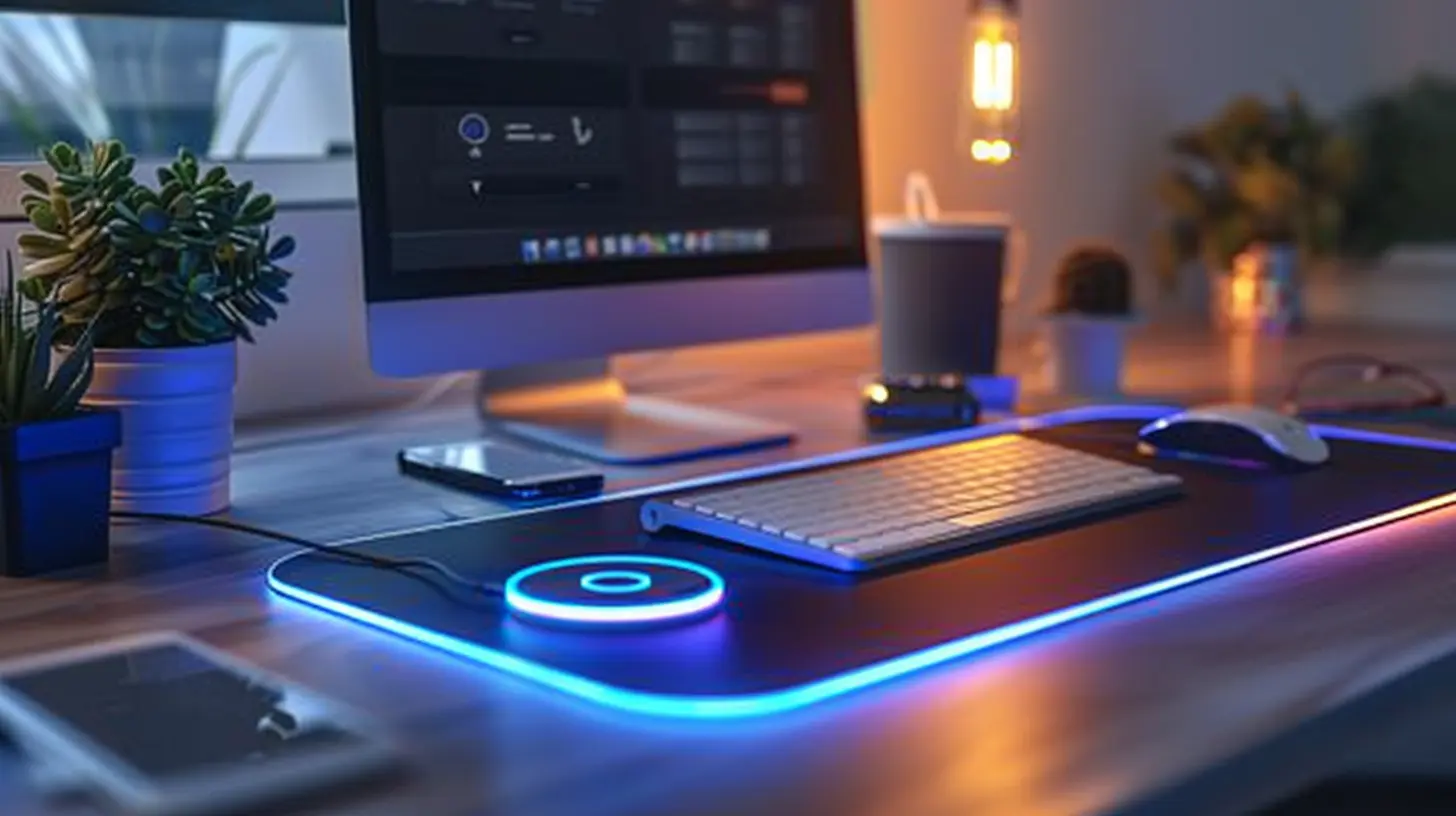
🚀 Speeding Things Up: Fast Wireless Charging Is Getting Crazy Fast
Let’s talk speed—because in 2024, nobody’s got time to wait.Remember when wireless chargers crawled along at a measly 5 watts? These days, we’re seeing wireless charging speeds that rival traditional wired charging—up to 50W and beyond in some Android devices! That's like going from a tricycle to a turbocharged sports car overnight.
Of course, you’ll need a compatible charging pad, a souped-up phone, and maybe permission from the battery gods. But still, the future of wireless charging is looking lightning fast—literally.
🧠 Smart Charging: Because Now Your Charger Has a Brain
The latest wireless chargers are smart. Like, really smart.Thanks to AI-powered chips and thermal-regulation magic, these chargers can detect what kind of device you’re charging and adjust the power output accordingly. Charging an old iPhone? It’ll go easy. Powering up a Galaxy S24 Ultra? Buckle up.
Some chargers even come with companion apps that monitor charging stats, optimize power efficiency, and remind you not to leave your AirPods behind. It's like your charger doubled as a personal assistant overnight.
Next thing you know, it'll be giving you relationship advice.
🌳 Eco-Friendly Wireless Charging? Yes, Please!
With all this tech zooming forward, it’s good to see that wireless charging is also getting environmentally conscious.Some companies are building chargers from biodegradable or recycled materials, including bamboo and eco-friendly plastics. Others are optimizing circuits to reduce standby power consumption—so you’re not wasting electricity every time you forget to unplug your charger.
In a world drowning in e-waste, it’s nice to see tech that doesn’t just look smart—but acts smart too.
🧪 What’s Next? The Future of Wireless Charging Is Bright… And Weird
Forget pads and docks. Future innovations might come from the strangest places.Picture this:
- Wireless charging via infrared light beams. (Laser tag, but for batteries?)
- Charging via ultrasound waves. (Your phone hears the power before seeing it.)
- Built-in wireless transmitters in clothing. (Your hoodie charges your phone. Fashion and function? Yes, please.)
- Even charging drones that hover nearby and top up your devices mid-air. (Because obviously, your phone deserves a guardian angel.)
We’re in the experimental phase of wireless power, and things are getting wild. Expect some flops, some wow-moments, and a lot of battery-powered mic drops along the way.
🧰 Tips to Make the Most of Your Wireless Charging Setup
So, if you’re ready to cut the wire and embrace the wireless lifestyle, here are some friendly tips to keep in mind:- ✅ Use certified chargers: Look for Qi-certified or brand-approved pads to avoid frying your devices like bacon.
- ✅ Avoid metal cases: They can interfere with the magnetic fields unless you want a fancy paperweight.
- ✅ Keep it clean: Dust and debris can mess with efficiency. Wipe down your pad now and then—your phone deserves spa treatment.
- ✅ Mind the heat: Wireless charging generates some heat. If things feel toasty, give it a break.
- ✅ Update your devices: Sometimes better charging requires newer firmware. So don’t ghost your updates.
🎬 Wrapping It All Up With a Cordless Bow
Wireless charging has come a long, long way—and honestly, it’s only getting cooler. From long-range charging to futuristic furniture, what once felt like a sci-fi dream is rapidly becoming part of our everyday lives.Whether you’re a tech enthusiast, a lazy cable-hater, or just someone who loves shiny new gadgets, there’s something in this wireless revolution for everyone. So go ahead—toss those tangled cords into the drawer of forgotten tech and embrace the magic of invisible power.
The future is wireless. And it’s charged up like never before.
all images in this post were generated using AI tools
Category:
Tech GadgetsAuthor:

Vincent Hubbard
Discussion
rate this article
2 comments
Emmett McEachern
Wireless charging is revolutionizing convenience! Embrace these innovations that empower us to untether from traditional power sources, paving the way for a truly connected future!
February 13, 2026 at 5:00 AM
Vincent Hubbard
Absolutely! Wireless charging is indeed transforming how we power our devices, making our lives more convenient and connected. Thank you for your enthusiastic support!
Skyler McDonald
Wireless charging: the magical moment when you realize your phone's more liberated than you are. Just don’t let it float away like your hopes and dreams!
January 29, 2026 at 5:18 AM
Vincent Hubbard
Thanks for the clever comment! Wireless charging really does bring a new sense of freedom—just keep those hopes and dreams grounded!