The Promise and Challenges of Solid-State Batteries
16 February 2026
Hey there, tech enthusiast! Ready to dive into something electric? Today, we're talking about a hot topic that's buzzing in the world of energy storage—solid-state batteries. These futuristic power packs are being hyped as the next big thing. They promise to charge faster, last longer, and be safer than the batteries we use today.
But like all cutting-edge tech, they come with their own set of challenges. It's not all sunshine and rainbows…yet. So, buckle up as we break down the promise and the roadblocks of solid-state batteries. Don't worry—we'll keep it fun, light, and packed with juicy details.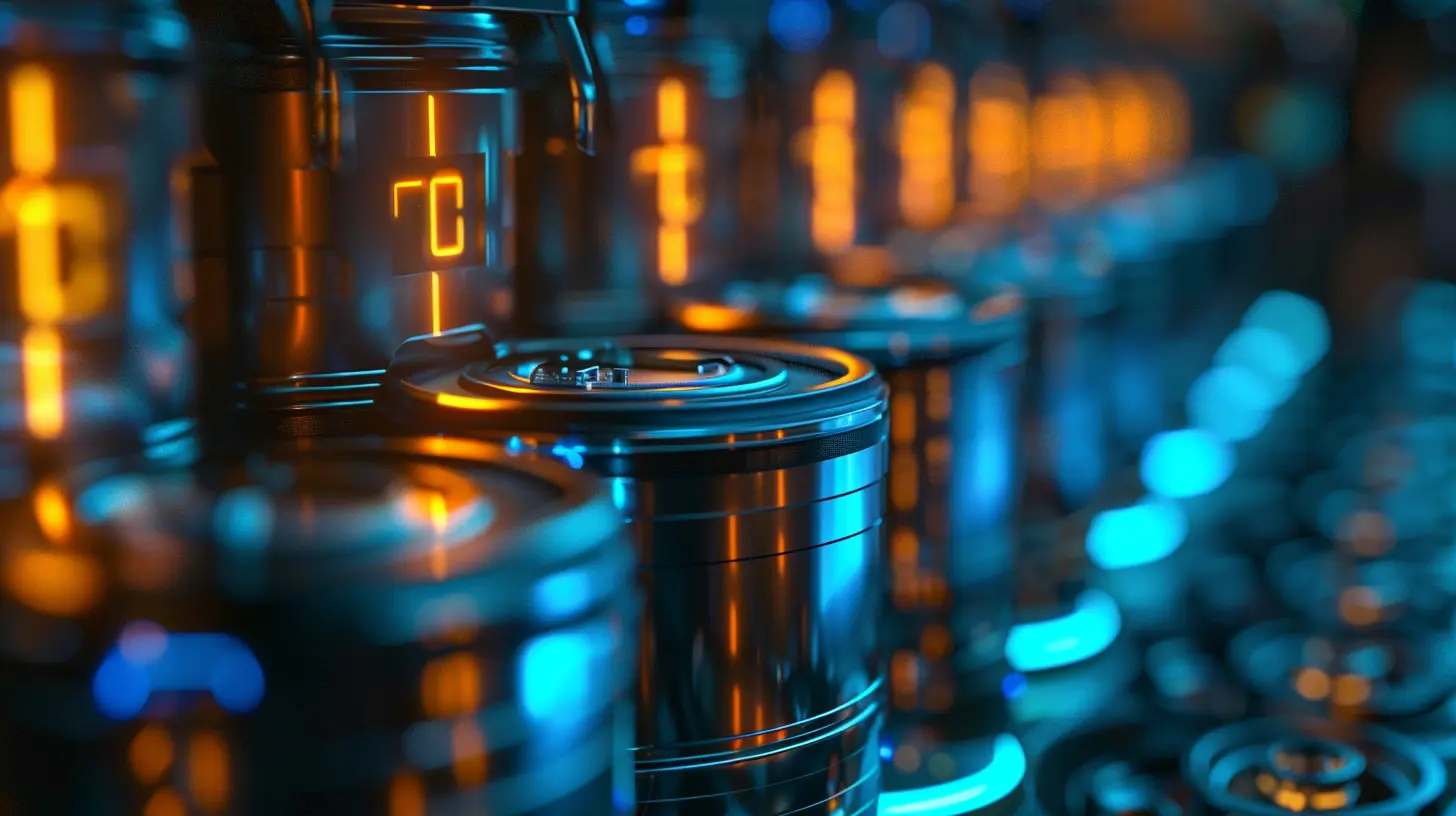
🔋 What Exactly Are Solid-State Batteries?
Let’s start with the basics. You might be asking, “Aren’t all batteries solid?” Fair point—but not quite.Traditional lithium-ion batteries (the kind you’ll find in your phone, laptop, or electric vehicle) use a liquid or gel-like electrolyte. This electrolyte is the medium through which lithium ions travel back and forth between the battery’s anode and cathode during charge and discharge cycles.
Solid-state batteries shake things up by ditching the liquid part completely and using a solid electrolyte instead. Think of the difference between pouring a smoothie vs. slicing a block of cheese—same idea, different states of matter.
🔍 Why Go Solid?
Solid electrolytes offer a bunch of perks:- They’re non-flammable, making them way safer than traditional batteries.
- They allow for higher energy density, which means more power in less space.
- They may last much longer, holding up for thousands of cycles.
Sounds pretty fantastic, right? Let’s take a look under the hood.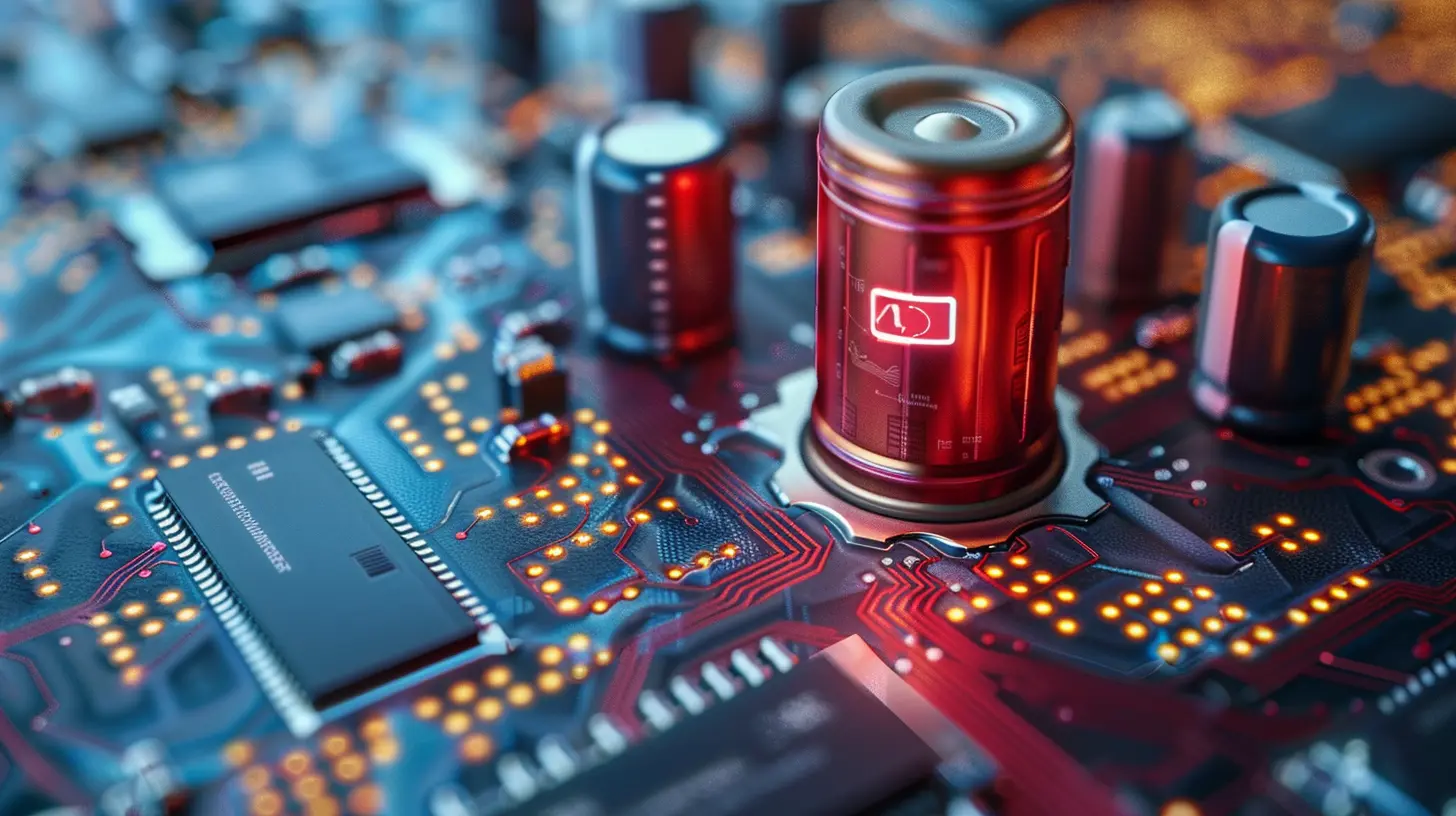
🚀 The Promise of Solid-State Batteries
So, what makes tech giants and car makers bet big on solid-state technology? Here’s what’s got everyone excited:1. Longer Life Span
Nobody likes a battery that dies just when you need it. Solid-state batteries could offer a significantly longer cycle life—potentially thousands more charge-discharge cycles than current lithium-ion batteries. That means your EV battery could last as long as the car itself.2. Faster Charging Times
Imagine plugging in your EV and hitting 80% charge in just 15 minutes. Sounds like a dream? Solid-state batteries are expected to make high-speed charging a reality, all without overheating or degrading over time.3. Higher Energy Density
These batteries can store more energy in the same or even smaller space. That translates to longer driving ranges for EVs and longer usage times for gadgets without increasing size or weight.4. Improved Safety
This one’s big. Because there's no flammable liquid involved, the risk of fire or explosion is drastically reduced. If you've ever seen a phone or e-scooter catch fire due to a battery issue, you know how big a deal this is.
🧗 The Challenges of Solid-State Batteries
Okay, here comes the not-so-fun part. If solid-state batteries are so awesome, why aren’t they everywhere already?Let’s dig into the obstacles that are slowing down the solid-state revolution.
1. Manufacturing Complexity
Solid-state batteries aren’t easy to make. The materials involved—especially the solid electrolytes—need super precise manufacturing processes. Scaling that up to mass production? Yep, that’s a mountain all on its own.2. Cost, Cost, and More Cost
Right now, these batteries are expensive to produce. Think luxury yacht expensive. Until companies figure out cost-effective ways to manufacture them at scale, they’re not going to be showing up in everyday products.3. Material Limitations
Choosing the perfect solid electrolyte is like picking the right cast for a blockbuster movie. Some materials conduct ions well but are brittle. Others are flexible but have low conductivity. Finding the ideal combo remains a real puzzle for researchers.4. Interface Issues
In a solid-state battery, the solid electrolyte must make perfect contact with the electrodes. But solids don’t always play nice. Gaps and cracks can create pesky resistance issues or even battery failure. It's like trying to make two puzzle pieces fit that just aren’t meant to.
🧪 Who’s Working On It?
The good news? Tons of smart folks are grinding away to solve these puzzles.Companies like Toyota, QuantumScape, Samsung, and Solid Power are investing billions to bring us closer to commercial-grade solid-state batteries. Some are even running pilot production lines, hoping to beat each other to the prize.
Toyota, for example, plans to unveil vehicles powered by solid-state batteries in the next couple of years. QuantumScape, backed by Volkswagen, has been making massive strides with their solid lithium-metal designs.
Meanwhile, startups and university labs around the world are innovating like crazy with new materials and cell architectures.
🚘 Solid-State Batteries and the Future of Electric Vehicles
Let’s be real—the biggest buzz around solid-state batteries is coming from the EV world. Why?Because batteries are the heart of electric vehicles. More range, faster charging, better safety, and longer lifespan? That’s the dream combo for EV buyers and automakers alike.
Imagine This Future…
You wake up, unplug your car after a 10-minute overnight charge, drive 700 miles without worrying about your battery running out, and repeat that cycle for 20 years without needing a battery replacement. That’s the kinda future solid-state batteries are aiming to deliver.But we’re not quite there yet. Most experts agree we’re looking at the end of this decade before solid-state-powered EVs become mainstream. That said, hybrids and niche applications might see them sooner.
📱 What About Consumer Electronics?
Solid-state tech isn’t just for cars. Your phone, smartwatch, or laptop could benefit, too.Imagine charging your phone once a week or having a super-thin laptop that runs for 20 hours. These dreams could come true as the tech matures and production costs drop.
Companies like Apple and Samsung are rumored to be eyeing this tech for next-gen devices. Once solid-state batteries go mainstream, expect a pretty big leap in how we experience our favorite gadgets.
🌍 Environmental Impact – A Greener Choice?
Now, let’s talk green. Solid-state batteries aren’t just about performance—they could also be better for the planet.Because they’re safer and potentially more durable, they may produce less waste over their lifetime. They also might reduce the need for cooling systems in EVs, lowering overall energy consumption.
That said, they still use lithium and other mined materials. So, ethical sourcing and recycling will remain critical issues. Just because it’s a new type of battery doesn’t mean it’s automatically eco-perfect. But there’s hope we’ll do it better this time.
🧭 When Will We See Solid-State Batteries in the Real World?
Okay, you’re probably wondering: “When can I actually buy something with a solid-state battery?”Glad you asked! The timeline is a bit fuzzy, but here’s the general outlook:
- 2024–2025: Expect early applications in wearables and maybe premium smartphones.
- 2025–2027: Some EV hybrids may start getting solid-state batteries.
- 2027–2030: Full EVs with solid-state batteries could hit the mainstream.
Just keep in mind, these dates are based on current projections. Tech development is rarely a straight road.
🧠 Final Thoughts: A Bright (But Bumpy) Road Ahead
Solid-state batteries are one of those rare techs that have the potential to totally change the game. They're safer, more powerful, and poised to supercharge everything from cars to phones.But let’s not sugarcoat things—the road ahead is filled with engineering, manufacturing, and cost-related speed bumps. Still, with the right mix of innovation and investment, there's a solid (pun totally intended) chance these batteries will power our future.
So, next time your phone runs out of juice or your EV takes ages to charge, just remember: change is coming. And it’s solid.
all images in this post were generated using AI tools
Category:
Battery TechnologyAuthor:

Vincent Hubbard
Discussion
rate this article
2 comments
Georgina Bryant
Exciting potential, but hurdles remain daunting!
March 5, 2026 at 4:06 AM
Vincent Hubbard
Thank you for your insight! Indeed, while the potential of solid-state batteries is thrilling, overcoming the existing challenges is crucial for realizing their benefits.
Nell McPherson
Great article! Solid-state batteries hold so much promise for the future of tech and sustainability. While the challenges are significant, it's exciting to see the potential for longer-lasting energy storage. Can't wait to see how this evolves!
February 18, 2026 at 5:30 AM
Vincent Hubbard
Thank you! I'm glad you found the article insightful. The future of solid-state batteries is indeed promising, and it's exciting to witness the advancements in this field!