The Psychology Behind Addictive Digital Experiences
11 August 2026
You are not weak. You are not lazy. And you are definitely not alone in feeling like your phone has some kind of voodoo grip on your attention span. The truth is far more uncomfortable than that: you are up against systems designed by some of the brightest minds on the planet, using psychological principles that have been refined for decades. This is not an accident. This is engineering.
The digital economy runs on one finite resource: your attention. Every swipe, every tap, every second of screen time is a data point that gets sold, sorted, and used to predict your next move. The goal is not to make you happy. The goal is to keep you engaged. And the psychology behind that engagement is both brilliant and deeply troubling.
Let me be clear from the start. I am not here to tell you to throw your smartphone into a river or move to a cabin in the woods. That advice is useless and frankly a bit preachy. What I want to do is pull back the curtain and show you exactly how these systems work, why they work, and what you can actually do about it without becoming a digital hermit.
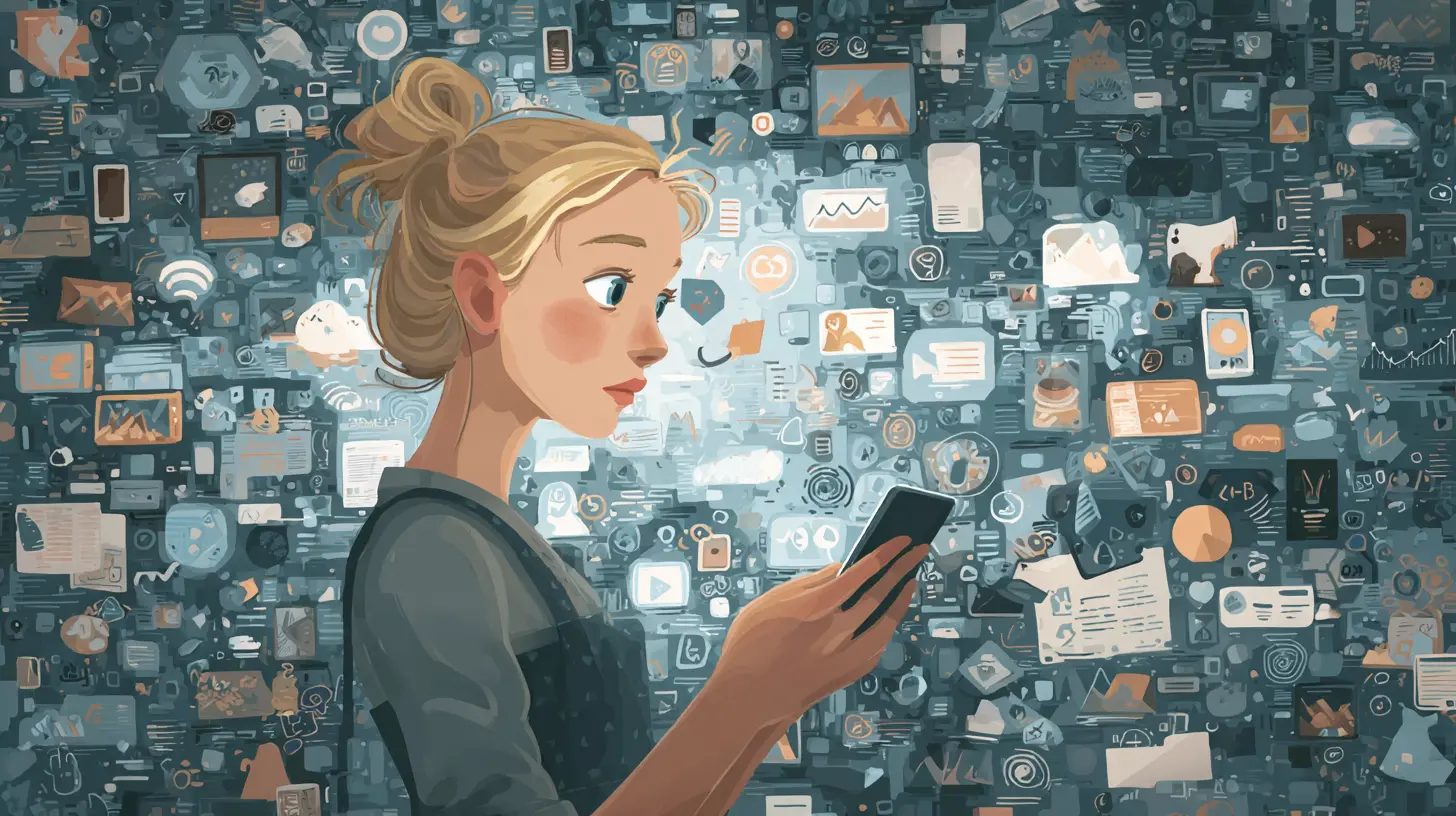
The Variable Reward Slot Machine in Your Pocket
The single most powerful mechanism in addictive digital design is the variable reward schedule. This is not a new idea. B.F. Skinner figured this out with pigeons in the 1950s. But the tech industry has perfected it to an art form.Here is how it works in practice. When you pull down to refresh your feed, you do not know what you are going to get. Sometimes it is a funny meme. Sometimes it is a heartbreaking news story. Sometimes it is a picture of your cousin's new baby. Sometimes it is absolutely nothing. That unpredictability is the magic ingredient.
Compare this to a slot machine. If you pulled the lever and won every single time, you would get bored quickly. If you never won, you would walk away. But if you win just often enough to keep hope alive, and the wins come at random intervals, you will keep pulling that lever for hours. Your brain releases dopamine not when you receive the reward, but in anticipation of the reward. The uncertainty itself is the drug.
This is why infinite scroll is so dangerous. There is no natural stopping point. A finite page has an end, and your brain can process that as a boundary. But infinite scroll removes that boundary entirely. You are not deciding to stop; you are deciding to keep going, one micro-decision at a time. And each micro-decision is reinforced by the possibility that the next piece of content might be the one that matters.
The real kicker is that this works even when you know it is happening. I have caught myself refreshing my email inbox twenty times in an hour, fully aware that no new messages have arrived. The anticipation is the point. The system does not need to deliver value every time. It just needs to deliver value often enough to keep you hooked.
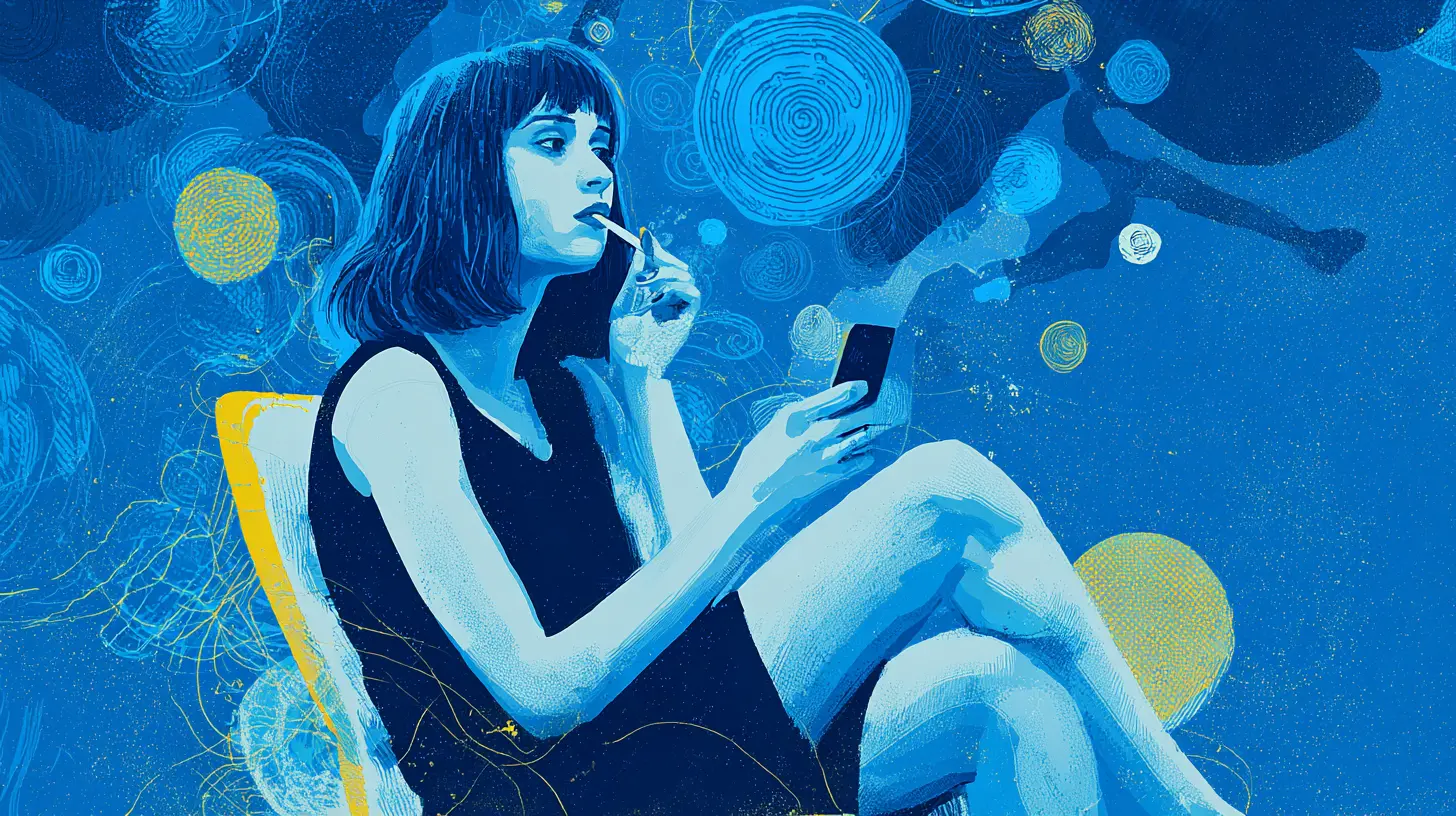
The Fear of Missing Out as a Retention Tool
FOMO is not just a buzzword. It is a biological response wired into our social nature. Humans evolved in tribes where being excluded from information could mean literal death. If you did not know where the good hunting grounds were, or which berries were poisonous, you did not survive. Your brain is still running that old software, and digital platforms know exactly how to exploit it.Social media apps are built around the fear that something important is happening without you. The red notification badge is a masterstroke of psychological manipulation. It creates a sense of unfinished business. Your brain hates open loops. When you see a red dot, you feel a compulsion to clear it, to close the loop, to restore a sense of order.
But here is the dirty secret: most notifications are not important. They are designed to be just compelling enough to pull you in, but not so urgent that you become overwhelmed and disengage. There is a sweet spot. Too many notifications and you will mute them all. Too few and you will forget the app exists. The algorithms are constantly calibrating to find that perfect frequency for each individual user.
The "seen" feature on messaging apps takes this to another level. When you know someone has seen your message but has not replied, your brain enters a state of anxious uncertainty. Did they hate what you said? Are they busy? Are they ignoring you? This ambiguity is psychologically agonizing, and it keeps you checking back for a response that may never come.
The platforms are not causing this anxiety directly. They are simply providing the infrastructure for it to flourish. But they are also not doing anything to reduce it, because anxious users are active users. Anxious users check their phones more often. Anxious users are more likely to click on ads. Anxious users are more valuable.

The Illusion of Control and the Lure of Customization
There is a strange paradox in digital design. The more control you are given, the more attached you become to the platform. This is why apps let you customize your profile, your feed, your notification settings, and your interface. They are not doing this out of generosity. They are doing this because ownership breeds attachment.When you spend an hour curating your Spotify playlists or arranging your Instagram grid, you are investing labor into the platform. Psychologists call this the IKEA effect. You value things more highly when you have put effort into creating them. The platform becomes "yours" in a way that a default interface never could.
This creates a powerful switching cost. Even if a competitor comes along with a better product, you are reluctant to leave because you have invested so much time and energy into your current setup. Your playlists, your follower count, your post history, your carefully crafted profile picture. All of that is sunk cost, and your brain does not want to abandon it.
The customization also feeds into a deeper need for identity expression. Your digital profiles are extensions of yourself. They are how you present yourself to the world. When someone likes your post or comments on your photo, it feels like validation of your identity, not just your content. This is why negative feedback on social media can feel so personal. It is not just criticism of a post. It is an attack on who you are.
The platforms understand this intimately. They are not selling you a service. They are selling you a mirror, and then charging you for the privilege of looking into it.
Social Comparison and the Dopamine Economy
Here is a hard truth that nobody wants to hear: social media makes you miserable because it is designed to make you compare yourself to others. And comparison is the thief of joy, as the saying goes. But it is also the engine that drives engagement.When you scroll through your feed, you are not seeing reality. You are seeing a highlight reel. Everyone is posting their vacation photos, their promotions, their perfect meals, their adorable children. Nobody is posting their crying in the bathroom at work or their mounting credit card debt. But your brain does not make that distinction. It processes these images as data points about your own life, and you come up short.
This is not a bug. It is a feature. The discomfort you feel when you see someone else's success is a powerful motivator to keep scrolling. Maybe the next post will make you feel better. Maybe you will find something that validates your own choices. Maybe you will see someone who is doing worse than you, and that will give you a small hit of relief.
The platforms are not creating these feelings. They are simply amplifying them and then harvesting the resulting engagement. Every moment of envy, every pang of inadequacy, every surge of righteous anger is a moment you are spending on the platform. And time on platform equals ad revenue.
The most insidious part is that the comparison is not just with other people. It is with your own past self. The algorithm remembers what you liked, what you engaged with, and what you responded to emotionally. It then feeds you content that is calibrated to trigger those same responses. You are not scrolling through the internet. You are scrolling through a personalized version of the internet that has been optimized to keep you feeling just uncomfortable enough to stay.
The Attention Economy and the Cost of Free
Let us talk about the elephant in the room. Nothing is free. When you are using a free app, you are not the customer. You are the product. Your attention is being sold to advertisers, and your behavioral data is being used to predict your future actions.This is not a conspiracy theory. This is the business model. Google and Facebook are advertising companies that happen to offer free services. The entire point of these services is to capture your attention and then sell it to the highest bidder. The longer you stay, the more valuable you become.
The psychology of "free" is powerful. When something costs money, we evaluate it differently. We ask whether it is worth the price. We compare it to alternatives. We think about opportunity cost. But when something is free, we do not evaluate it at all. We just consume it.
This is why the freemium model is so effective. You start with a free service that is good enough to hook you. Then, over time, you encounter limitations. Maybe you can only see a certain number of profiles per day. Maybe you can only send a certain number of messages. Maybe you have to wait in a queue. These limitations are not technical constraints. They are psychological barriers designed to make you pay to remove them.
The pain of hitting a limit is more motivating than the pleasure of having unlimited access. This is called loss aversion. We feel losses more intensely than gains. When you hit your free limit, you feel a sense of loss, and you are more likely to pay to remove that loss than you would be to pay for a new feature from scratch.
The Feedback Loop of Validation
Let me ask you a question. When was the last time you posted something online and then did not check for likes or comments within the first hour? If you are like most people, the answer is never. We are addicted to the feedback loop.Every like, every heart, every upvote is a small social reward. It tells you that you are seen, that you are valued, that you matter. This is not vanity. It is a fundamental human need. We are social creatures, and we crave approval from our peers.
The platforms have gamified this need. They have turned social validation into a points system. The number of likes becomes a score. The number of followers becomes a status symbol. The number of comments becomes a measure of your influence. And your brain treats these numbers as if they were actual currency.
But here is the problem. The feedback loop is not calibrated to your well-being. It is calibrated to your engagement. The algorithm will show your post to more people if it is getting engagement, but it will also show you more posts that are likely to get engagement from you. This creates a self-reinforcing cycle where you are constantly seeking validation, and the platform is constantly providing just enough of it to keep you going.
The most dangerous part is when the validation stops. If you post something and it gets no likes, your brain interprets this as social rejection. It hurts. And the pain is real, even though the situation is artificial. You are not being rejected by your tribe. You are being ignored by an algorithm. But your brain does not know the difference.
The Dark Pattern of Intermittent Reinforcement
Dark patterns are design choices that trick users into doing things they would not otherwise do. They are not accidental. They are deliberate. And they are everywhere.One of the most common dark patterns is the confirmation of subscription. You try to unsubscribe from an email list, and the button says "No, I want to keep receiving emails." This is a classic manipulation tactic. It creates a cognitive dissonance where you have to actively choose to continue the unwanted behavior.
Another dark pattern is the hidden cost. You add an item to your cart, and only at checkout do you discover the shipping costs, the handling fees, or the mandatory tips. This is designed to exploit the sunk cost fallacy. You have already invested time in the process, so you are more likely to complete the purchase even if the total is higher than you expected.
The most insidious dark pattern is the roach motel. You can check in easily, but checking out is nearly impossible. This is common in subscription services where canceling requires a phone call, an email, or navigating through multiple confirmation screens. The goal is to make the exit process so painful that you give up and stay.
These patterns work because they exploit cognitive biases. They are not illegal, and they are not even particularly unethical by industry standards. But they are manipulative, and they are designed to benefit the company at your expense.
The Ethics of Persuasive Design
Now we come to the uncomfortable question. Is it ethical to use psychology to keep people engaged? The answer is not simple. There is a difference between persuasion and manipulation, but the line is blurry.Persuasion is about presenting information in a way that helps people make informed decisions. Manipulation is about using psychological vulnerabilities to override rational decision-making. The problem is that the same techniques can be used for both purposes.
A fitness app that uses streaks and reminders to help you exercise is using persuasive design. A social media app that uses variable rewards and social comparison to keep you scrolling is using manipulative design. The difference is intent. The fitness app wants to help you achieve your goals. The social media app wants to keep you engaged, regardless of whether that engagement is good for you.
But intent is hard to measure. The designers at Facebook and Instagram probably believe they are creating value. They are connecting people, facilitating communication, and providing entertainment. The negative consequences are externalities, not goals. This is the classic problem of unintended consequences.
The responsibility does not fall entirely on the companies. As users, we have a responsibility to understand how these systems work and to make conscious choices about our engagement. But this is easier said than done. The systems are designed to bypass our conscious decision-making and appeal directly to our subconscious desires.
Practical Strategies for Regaining Control
I have spent a lot of time talking about the problem. Let me now give you some practical advice. These are not radical solutions. They are incremental changes that can make a real difference.First, turn off all non-human notifications. This means notifications from apps that are not from actual people. No news alerts, no app updates, no promotional messages. Your phone should only buzz when a human being is trying to reach you. This single change will dramatically reduce your screen time.
Second, use grayscale mode. Color is a powerful attention grabber. When your screen is in grayscale, it becomes significantly less appealing. The red notification badges lose their urgency. The colorful icons become dull. The content becomes less engaging. This is a simple trick that works surprisingly well.
Third, set time limits on your most addictive apps. Most phones have built-in screen time features. Use them. Set a limit of thirty minutes per day for social media apps. When you hit the limit, the app will be blocked. You can override it, but the friction is enough to make you think twice.
Fourth, remove social media apps from your phone. This is the nuclear option, but it is also the most effective. You can still access these platforms from a desktop browser, but the friction of opening a laptop and typing in a URL is enough to reduce your usage significantly. The apps are designed to be convenient. The browser is not.
Fifth, schedule your digital consumption. Instead of checking your phone every few minutes, set specific times for checking email, social media, and news. Maybe you check in the morning, at lunch, and in the evening. This creates boundaries and prevents the constant background checking that eats up so much time.
Finally, practice mindfulness about your triggers. When you reach for your phone, ask yourself why. Are you bored? Are you anxious? Are you avoiding something? The phone is often a distraction from uncomfortable emotions. If you can identify the emotion, you can address it directly instead of numbing it with digital content.
The Future of Digital Well-Being
The pendulum is starting to swing. There is growing awareness of the psychological costs of digital addiction. Regulators are starting to take notice. The European Union has passed laws that restrict some dark patterns. Apple and Google have introduced screen time features. There is a growing movement of digital minimalists who advocate for intentional technology use.But the fundamental business model has not changed. The platforms still make money from your attention. The algorithms are still optimizing for engagement. The psychology is still being used to keep you hooked.
The change will not come from the companies. It will come from users who demand better. It will come from regulators who enforce stricter rules. It will come from a cultural shift that values attention as a precious resource, not a disposable commodity.
Until then, the burden is on you. You have to be the gatekeeper of your own attention. You have to understand the psychology that is being used against you and build defenses against it. This is not easy. The systems are designed to defeat your defenses. But awareness is the first step.
You are not weak. You are not lazy. You are fighting against some of the most sophisticated psychological engineering in human history. The fact that you are reading this article, trying to understand the problem, is proof that you are not defeated. You are just getting started.
all images in this post were generated using AI tools
Category:
User ExperienceAuthor:

Vincent Hubbard