The Road to a 1,000-Mile EV Range: Advancements in Battery Tech
13 January 2026
Can you imagine zipping down the highway in your electric car, cruising past gas stations without a second thought—because your EV doesn’t need a recharge for 1,000 miles? Sounds like something out of a sci-fi movie, doesn’t it? But here’s the thing: that future is getting closer every single day.
Battery tech is evolving at light speed, and the dream of a 1,000-mile electric vehicle (EV) range is no longer just a fantasy. We’re on the brink of a new era—one where the phrase “range anxiety” becomes as outdated as flip phones.
So, buckle up. We’re diving deep into the exciting innovations, ground-breaking research, and passionate people driving us down the road to a 1,000-mile EV range.
Why the Rush to 1,000 Miles?
Let’s be honest—most of us don't actually need to drive 1,000 miles on a single charge. The average daily commute? Around 30 miles. But range isn’t just about need; it’s about freedom, confidence, and peace of mind.Imagine planning a long road trip without having to obsess over where your next charge will come from. Or owning an EV in a rural area where charging stations are few and far between. A 1,000-mile range would kick EV adoption into high gear, silencing skeptics and converting die-hard petrolheads.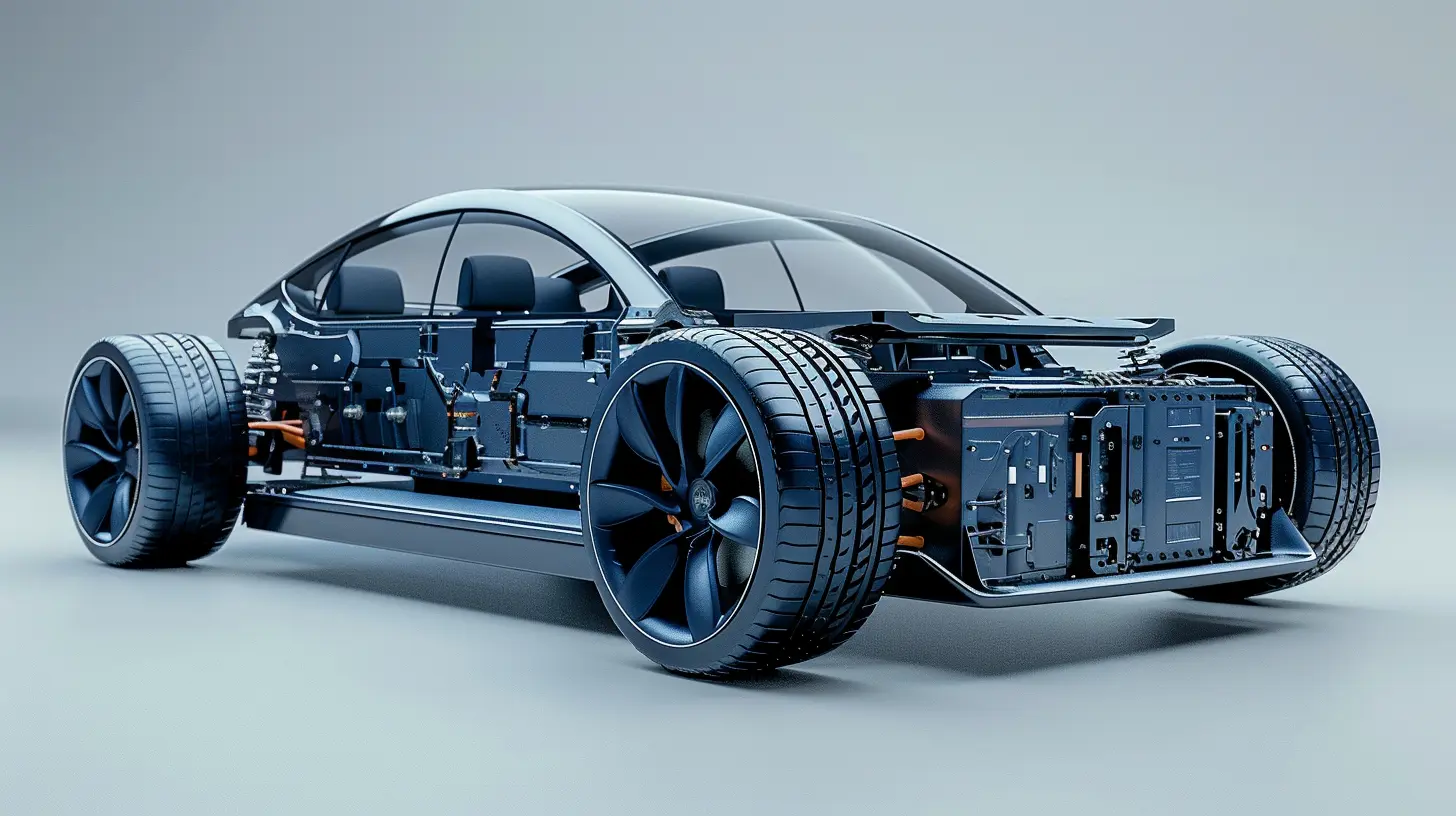
The Current State of Battery Tech
Before we get into the flashy future stuff, let’s talk about where we are right now.Most modern EVs offer ranges between 250 to 400 miles. Not bad, right? Tesla, Lucid, and Hyundai are pushing boundaries. But range is still limited by the chemistry inside the battery—typically lithium-ion cells.
Lithium-ion batteries have been the gold standard for years. They’re reliable, relatively lightweight, and can store a decent amount of energy. But like all tech, they have their limits.
- Energy density? Could be better.
- Charging times? Still not perfect.
- Longevity? Improvements are ongoing.
So, what’s next?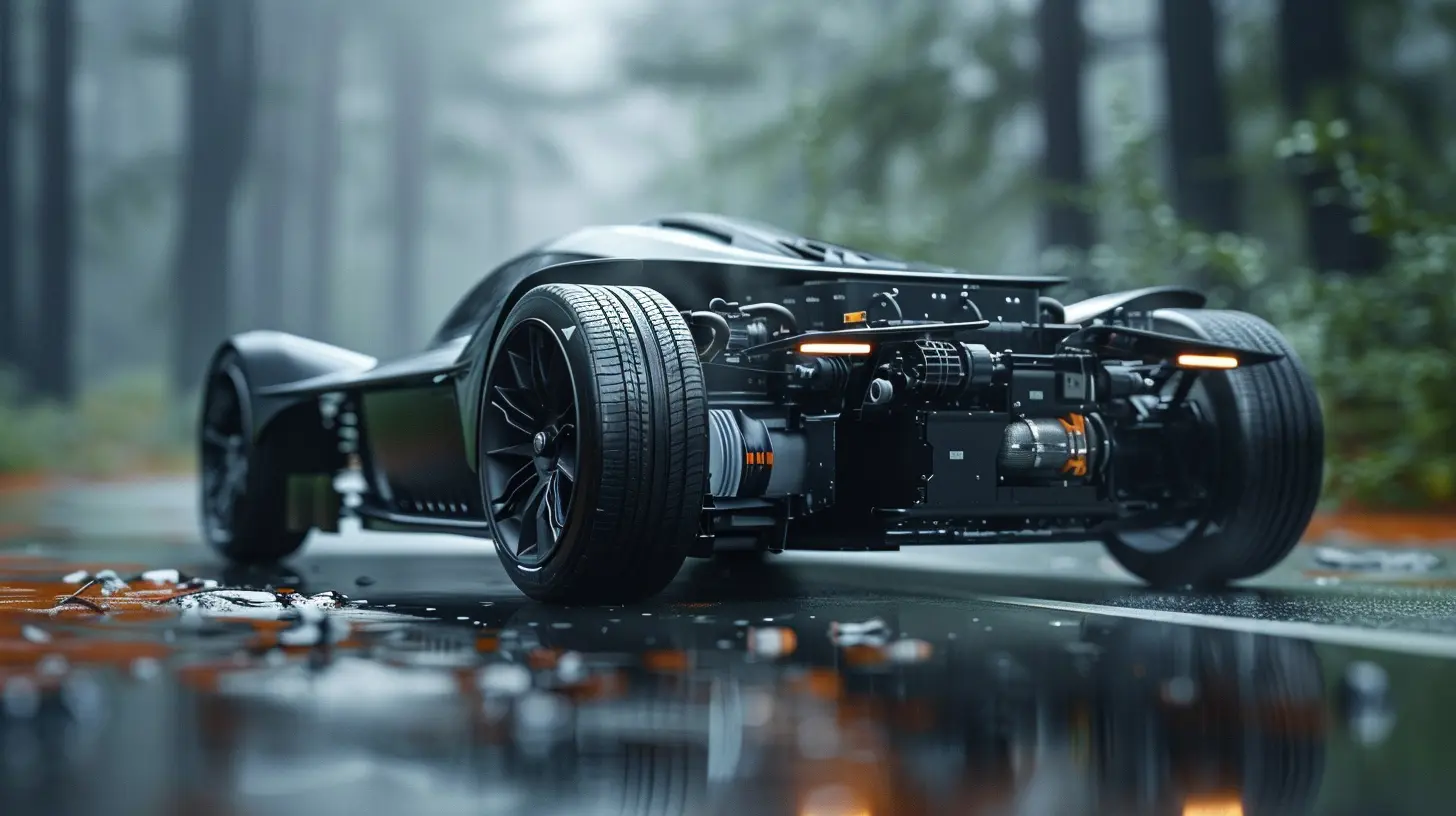
The Secret Sauce: Energy Density
If you want to drive farther without making the battery the size of a small refrigerator, energy density is your best friend.In simple terms, energy density is all about how much energy you can pack into a given space or weight. The higher it is, the longer your EV can run between charges.
🔋 Solid-State Batteries: The Next Big Thing?
You’ve probably heard the hype around solid-state batteries. And honestly? They might just live up to it.Unlike traditional lithium-ion batteries, which use a liquid electrolyte, solid-state batteries use a solid one. That tiny change packs a massive punch:
- Higher energy density = longer range
- Faster charging = less waiting around
- Improved safety = less risk of overheating or fire
Companies like Toyota, QuantumScape, and Samsung are investing billions into making solid-state batteries the new standard. Toyota even claims they’re close to commercializing a solid-state EV battery that could offer over 600 miles of range—and that's just the beginning.
⚗️ Lithium-Sulfur: The Underdog with Promise
Lithium-sulfur batteries haven’t grabbed the headlines like solid-state tech, but they’ve got serious potential.Why? Because sulfur is abundant, cheap, and can theoretically deliver way more energy than lithium-ion. Some early prototypes have shown ranges of over 1,000 miles on a single charge! The challenge? These batteries degrade faster and aren’t yet ready for mass production. But researchers are hot on the trail.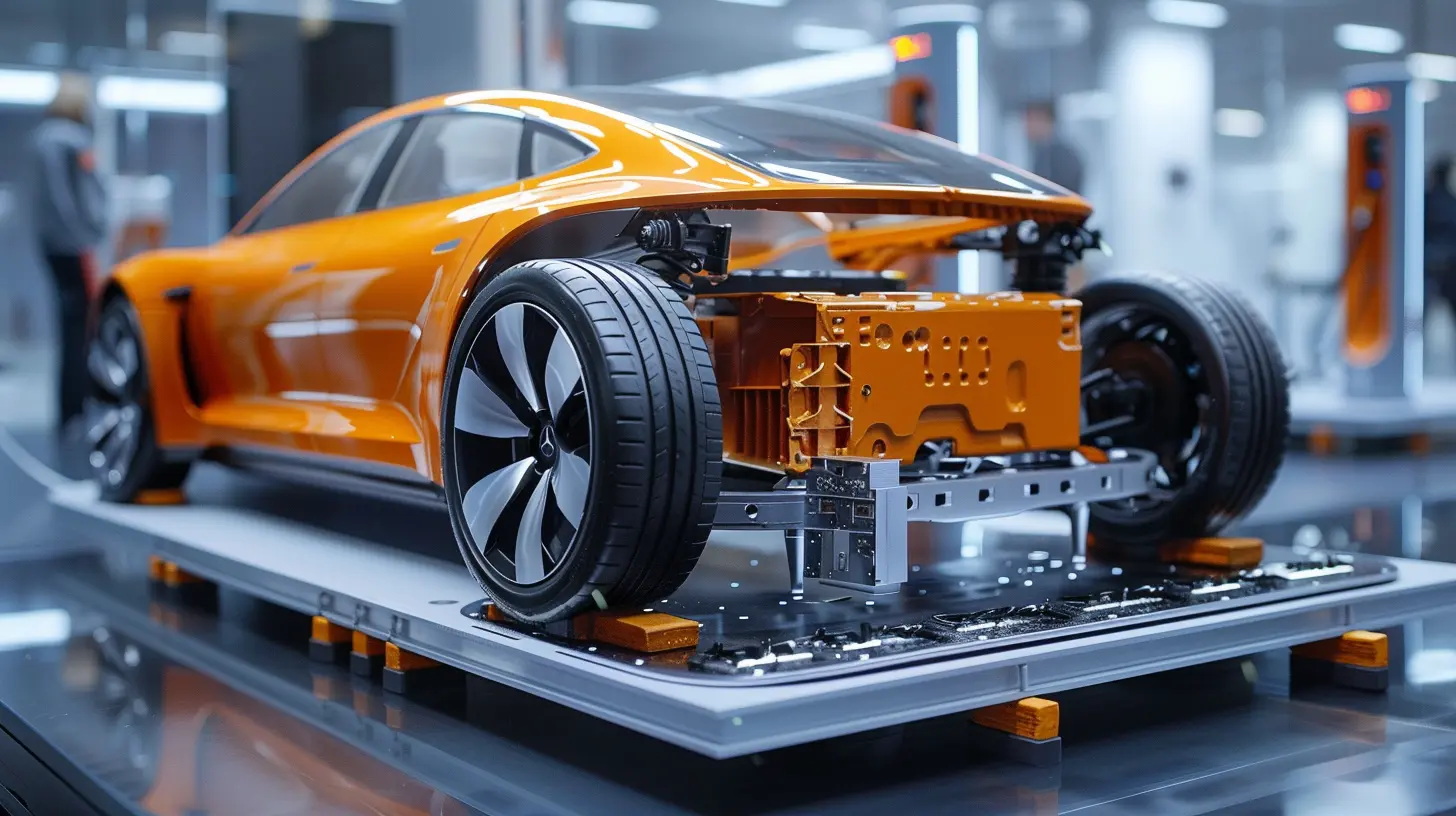
The Graphene Revolution
Let’s talk Graphene—the superhero of the material world.It’s one atom thick, insanely strong, and conducts electricity better than anything else we’ve discovered. Scientists are experimenting with graphene-based batteries that could charge in minutes and offer immense range.
Though still in experimental stages, graphene could be the wildcard that takes EV battery tech from good to game-changing.
Recycling and Sustainability: Power for the Planet
Creating mega-range batteries is only half the battle. If we truly want a greener future, the way we produce and recycle these batteries has to evolve too.Companies like Redwood Materials and Li-Cycle are tackling battery recycling head-on. Imagine a circular battery economy—where old batteries are stripped for parts and rebuilt into new ones. Yeah, it sounds utopian, but the groundwork is already in motion.
And as manufacturing practices improve, new battery technologies are being developed with sustainability in mind. That means fewer rare earth metals, less environmental impact, and a cleaner future for everyone.
Fast Charging: The Perfect Tag Team
Even with 1,000-mile batteries, we’re still going to need to charge up eventually. That's where ultra-fast charging comes in.Think about it: if your EV could pick up 400 miles of range in 10 minutes, would you even care if it couldn't go 1,000 miles?
Companies like Tesla with their Superchargers and startups like StoreDot are developing charging solutions that cut waiting times dramatically. Combined with high-range batteries, they’ll make charging feel like a coffee break rather than a chore.
Lightweight Materials: The Unsung Heroes
Here’s something you might not think about: the heavier the car, the harder the battery has to work.That’s why carmakers are exploring lightweight materials like carbon fiber and aluminum alloys to shave off pounds and squeeze out more miles per charge. It’s a bit like upgrading your hiking gear—lighter stuff just gets you farther with less effort.
Artificial Intelligence and Battery Management
What if your EV's battery could think for itself?We’re seeing a surge in smart battery management systems powered by AI. These systems analyze your driving habits, route, and real-time battery health to optimize usage. That means longer battery life, more accurate range estimates, and smarter energy use.
It’s not just about packing more juice into the battery—it’s about using that juice more efficiently.
What Does This Mean for You?
If you’re in the market for an EV, this evolution should have you pumped. While a 1,000-mile battery might not be mainstream next month, the tech is evolving fast. You can already find EVs with 400–500-mile ranges and rapid charging options, and those numbers are rising every year.We’re not waiting on miracles—we’re witnessing progress unfold in real time.
These advancements don’t just make EVs cooler; they make them more practical, accessible, and sustainable. And that’s a huge win for everyone.
Challenges Along the Road
Still, let’s not pretend everything is smooth sailing.- Cost: Cutting-edge batteries aren’t cheap. Price parity with gas-powered cars is still a work in progress.
- Infrastructure: More range only helps if charging stations are available, especially in rural and remote areas.
- Standardization: Not all batteries are compatible with all chargers, and that’s got to change.
But you know what? Every big shift in history faced its share of roadblocks. The important thing is, the momentum is there, and it’s unstoppable.
The Future Is Closer Than You Think
If you’d told someone in 2010 that EVs would dominate the roads in a few decades, they might’ve laughed. But look at us now—we’re making electric trucks, performance sedans, and family SUVs that rival gas guzzlers on every front.Getting to a 1,000-mile EV range isn’t about creating unicorn cars no one can afford or use. It’s about laying the foundation for a world where clean, efficient, and reliable transportation is the new normal.
And we’re not just riding shotgun on this journey—we’re in the driver’s seat.
Final Thoughts: Keep Your Eyes on the Road
The road to a 1,000-mile EV range is paved with innovation, determination, and a little bit of imagination. Whether it’s solid-state breakthroughs, sulfur surprises, or graphene dreams, we’re heading full-speed into a future that’s cleaner, smarter, and surprisingly close.So, next time someone says EVs will never match gas cars, just smile and remember—every great journey starts with a spark. And our batteries? They're about to light up the world.
all images in this post were generated using AI tools
Category:
Battery TechnologyAuthor:

Vincent Hubbard
Discussion
rate this article
2 comments
Mandy Matthews
This article insightfully explores groundbreaking advancements in battery technology that are paving the way for 1,000-mile electric vehicle ranges. Innovations in battery chemistry and energy density hold promise for significantly enhancing EV efficiency and addressing range anxiety among consumers.
February 3, 2026 at 5:55 AM
Vincent Hubbard
Thank you for your thoughtful comment! I appreciate your recognition of the exciting advancements in battery technology that are shaping the future of electric vehicles.
William Cole
This article highlights exciting advancements in battery technology that could revolutionize electric vehicles. Achieving a 1,000-mile range is ambitious but essential for broader EV adoption and sustainability.
January 16, 2026 at 6:02 AM
Vincent Hubbard
Thank you! I agree that these advancements are crucial for making EVs more accessible and sustainable. Exciting times ahead!