The Role of AI in Predictive Maintenance for Industry
4 December 2025
Technology is evolving at a breakneck speed, and artificial intelligence (AI) is leading the charge. One area where AI is making a massive impact is predictive maintenance in industries. If you’re still relying on outdated maintenance schedules or waiting for machines to break down before fixing them, you're already behind.
AI-driven predictive maintenance is the game-changer industries didn't know they needed. It saves time, slashes costs, and boosts efficiency like never before. Let’s break it down and see why this technology is revolutionizing industrial maintenance. 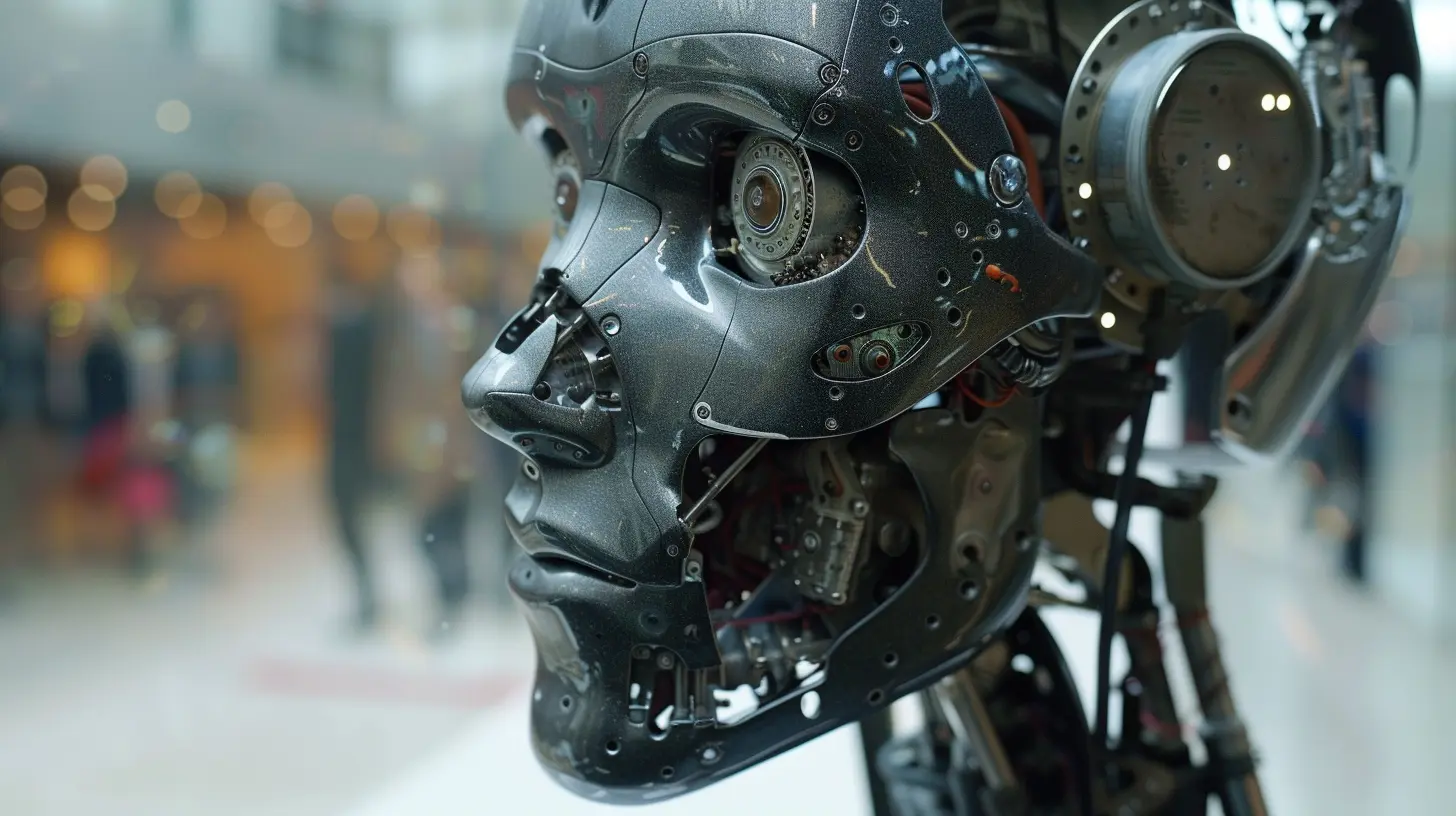
What is Predictive Maintenance?
Before we dive into AI's role, let’s get the basics straight. Predictive maintenance (PdM) is all about preventing equipment failures before they happen. Instead of fixing a machine after it breaks (reactive maintenance) or performing routine checkups whether they’re needed or not (preventive maintenance), predictive maintenance works smartly.By collecting and analyzing data from machines—like temperature, vibration, and performance—companies can anticipate failures before they occur. The result? Less downtime, lower costs, and improved efficiency.
But here’s the catch—traditional predictive maintenance relies heavily on human expertise and manual tracking, making it limited. That’s where artificial intelligence steps in. 
How AI is Revolutionizing Predictive Maintenance
AI takes predictive maintenance to a whole new level. Instead of simply analyzing historical data, AI-powered systems continuously learn from real-time data. This means they get smarter over time, spotting even the subtlest anomalies that humans might overlook.Let’s break down exactly how AI is shaking things up.
1. Advanced Data Analysis
AI thrives on data. The more information it has, the better it performs. By using machine learning (ML) algorithms, AI can analyze vast amounts of sensor data in real time. It detects trends, anomalies, and patterns that indicate an impending failure—way before any visible signs appear.Think about it like a doctor diagnosing an illness before symptoms show up. AI is that doctor, but for industrial machines.
2. Real-Time Monitoring and Alerts
Gone are the days of routine checkups that may or may not be necessary. AI allows continuous monitoring of machinery, providing instant alerts when something seems off.Imagine running a massive production line—if one machine is about to fail, AI can notify engineers before disaster strikes. No more guesswork, just precise and timely interventions.
3. Reduced Downtime and Maintenance Costs
Unplanned downtime is a factory’s worst nightmare. Every minute a machine stays down, money is burning. AI-driven predictive maintenance cuts downtime significantly by addressing potential failures before they escalate.In fact, companies using AI for predictive maintenance have reported up to a 50% reduction in maintenance costs and a 30%-40% drop in unplanned downtime. That’s not just impressive—it’s a game-changer.
4. Increased Equipment Lifespan
AI’s ability to detect small issues before they escalate means machines last longer. Instead of replacing costly equipment sooner, industries can maximize the lifespan of their assets.Think of it like maintaining a car—regular oil changes and inspections keep it running smoothly for years. AI ensures industrial equipment gets the same level of proactive care, but without the manual guesswork.
5. Smart Decision-Making with Predictive Insights
AI doesn’t just detect problems; it helps businesses make better decisions. By analyzing data trends over time, AI can predict when a machine will likely need servicing and recommend the best course of action.For managers, this means smarter budget allocation, optimized maintenance schedules, and avoiding unnecessary repairs. It’s like having a crystal ball that tells you exactly when and where to focus your efforts. 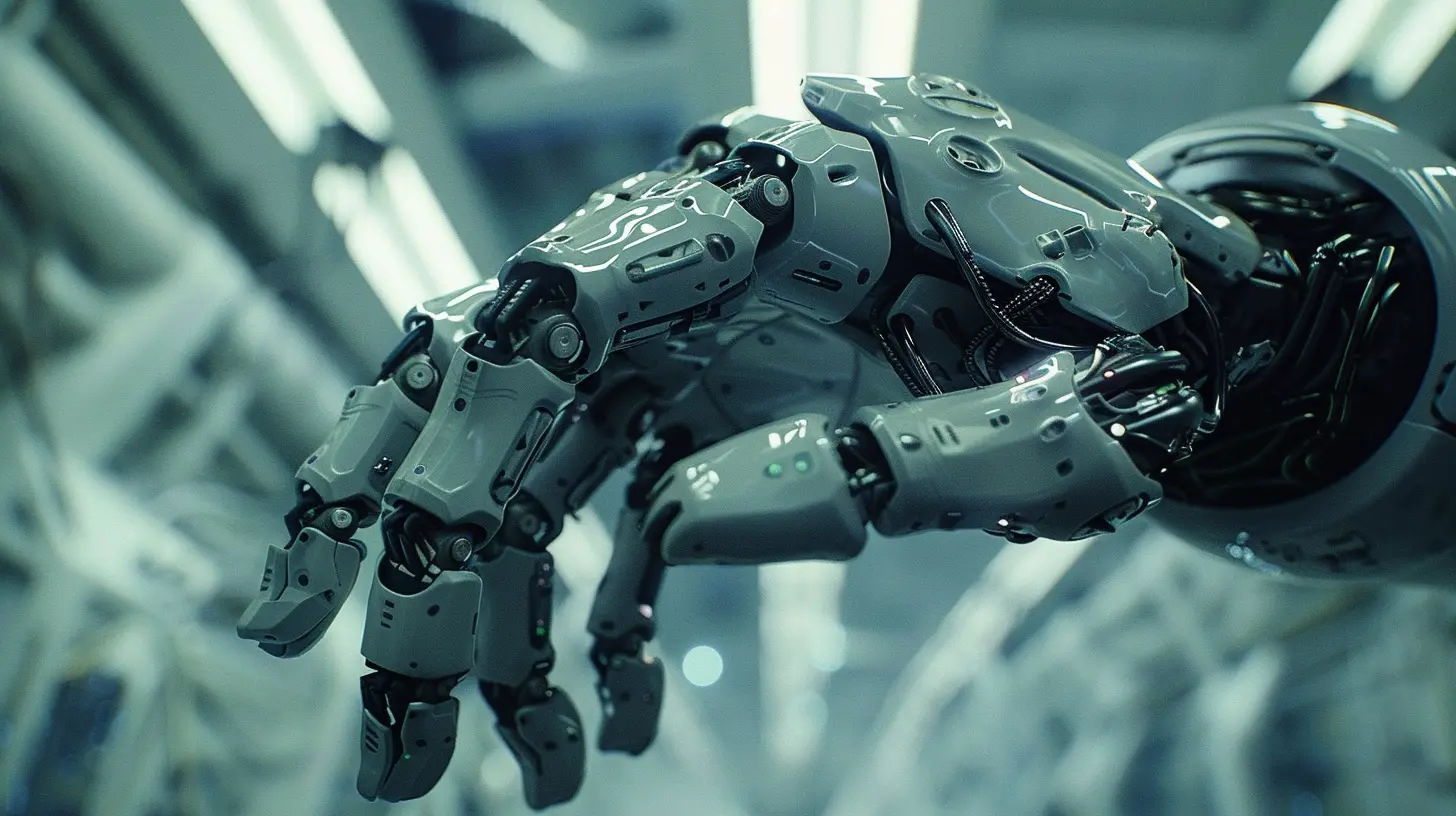
Key AI Technologies Powering Predictive Maintenance
AI isn’t just one thing—it’s a mix of different technologies working together to make predictive maintenance smarter and more effective. Here are the key players:1. Machine Learning (ML)
ML algorithms improve over time by analyzing historical and real-time data, identifying patterns that indicate equipment failure well in advance.2. Internet of Things (IoT) Sensors
IoT sensors provide real-time data on temperature, pressure, vibration, and other critical factors that AI uses to detect anomalies.3. Big Data & Cloud Computing
AI thrives on big data—with cloud computing, industries can store and process vast amounts of machine data without worrying about storage limitations.4. Digital Twins
This futuristic tech creates a virtual replica of a machine to simulate performance and test different scenarios without affecting real operations. If AI detects issues in the digital twin, it’s a red flag for the actual machine.5. Natural Language Processing (NLP)
Believe it or not, AI can also understand maintenance logs and reports using NLP. This helps companies extract valuable insights from written reports to improve future maintenance strategies.
Industries Benefiting from AI-Powered Predictive Maintenance
AI-driven predictive maintenance isn’t just for fancy tech firms. It’s transforming multiple industries, including:1. Manufacturing
Factories depend on heavy machinery. AI ensures equipment runs smoothly, reducing downtime and increasing production rates.2. Energy & Utilities
Power plants, wind farms, and electrical grids rely on AI for monitoring turbines, transformers, and other critical assets. No more unexpected blackouts!3. Transportation & Logistics
From railways to airlines, predictive maintenance keeps engines, brakes, and other components in tip-top shape, preventing dangerous failures.4. Oil & Gas
Drilling equipment and pipelines require constant monitoring. AI helps detect leaks, pressure drops, and corrosion before it leads to disasters.5. Healthcare Equipment
Medical devices, such as MRI machines and ventilators, need to work flawlessly. AI ensures they stay operational, reducing maintenance-related hospital downtime.Challenges of AI in Predictive Maintenance
Of course, AI isn’t perfect. While its benefits are undeniable, there are a few challenges industries face when implementing it:1. High Initial Costs – Setting up AI-driven predictive maintenance requires a significant investment in sensors, data storage, and AI software.
2. Data Quality Issues – AI is only as good as the data it receives. If sensors fail or provide inaccurate data, predictions may be unreliable.
3. Workforce Adaptation – Employees need to adapt to AI-driven processes, which may require training and overcoming resistance to change.
4. Cybersecurity Risks – With IoT-connected machinery, industries must ensure their AI systems are protected from cyber threats.
Despite these hurdles, the long-term ROI of AI in predictive maintenance makes it worth the investment.
The Future of AI in Predictive Maintenance
AI isn’t just here to stay—it’s growing smarter and more powerful. Future advancements will bring even more accuracy, automation, and integration into predictive maintenance. Imagine AI seamlessly collaborating with robots, automated repair systems, and self-healing machines that fix themselves before breaking down.With AI continuously evolving, industries that ignore predictive maintenance are playing a dangerous game. The future belongs to companies that embrace this technology and leverage it to stay ahead of the competition.
Final Thoughts
The days of reactive maintenance are over. AI-powered predictive maintenance is redefining how industries operate, helping businesses predict, prevent, and eliminate costly machine failures before they occur.If your business isn’t investing in AI-driven maintenance yet, it’s only a matter of time before your competitors do. AI is no longer a futuristic nice-to-have—it’s a necessity for any industry that values efficiency, cost reduction, and staying ahead of the curve.
The question isn't if AI will dominate predictive maintenance—it’s when. So, are you ready to future-proof your business?
all images in this post were generated using AI tools
Category:
Emerging TechnologiesAuthor:

Vincent Hubbard
Discussion
rate this article
2 comments
Roxie Simon
AI in predictive maintenance? It's like having a crystal ball for machines! Who knew tech could be this magical and efficient?
December 20, 2025 at 11:20 AM
Vincent Hubbard
Absolutely! AI truly transforms maintenance by anticipating issues before they arise, making it a game-changer for efficiency and reliability.
Romina Black
Exciting advancements! AI is revolutionizing predictive maintenance, boosting efficiency and reducing downtime in industries. Go tech!
December 13, 2025 at 12:04 PM
Vincent Hubbard
Thank you! I’m glad you’re excited about the impact of AI on predictive maintenance. It’s truly transforming the industry!