The Role of Streaming Devices in the Future of Media Consumption
19 June 2026
Let’s take a second and think back to a time when flipping through cable channels or renting DVDs was the norm. Remember that? Yeah, seems ancient now, right? Fast forward to today, and boom—streaming has taken over like a storm. The way we consume content has changed dramatically in just a few short years, and it’s not slowing down anytime soon. But here’s the real game-changer: streaming devices.
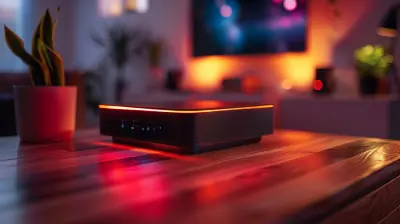
From Roku and Amazon Fire Stick to Apple TV and Chromecast, streaming devices are not just gadgets—they're the unsung heroes shaping the future of how we connect with stories, characters, and the ever-expanding digital world. Let’s dive into how these little boxes and sticks are revolutionizing media consumption and what it means for us as viewers.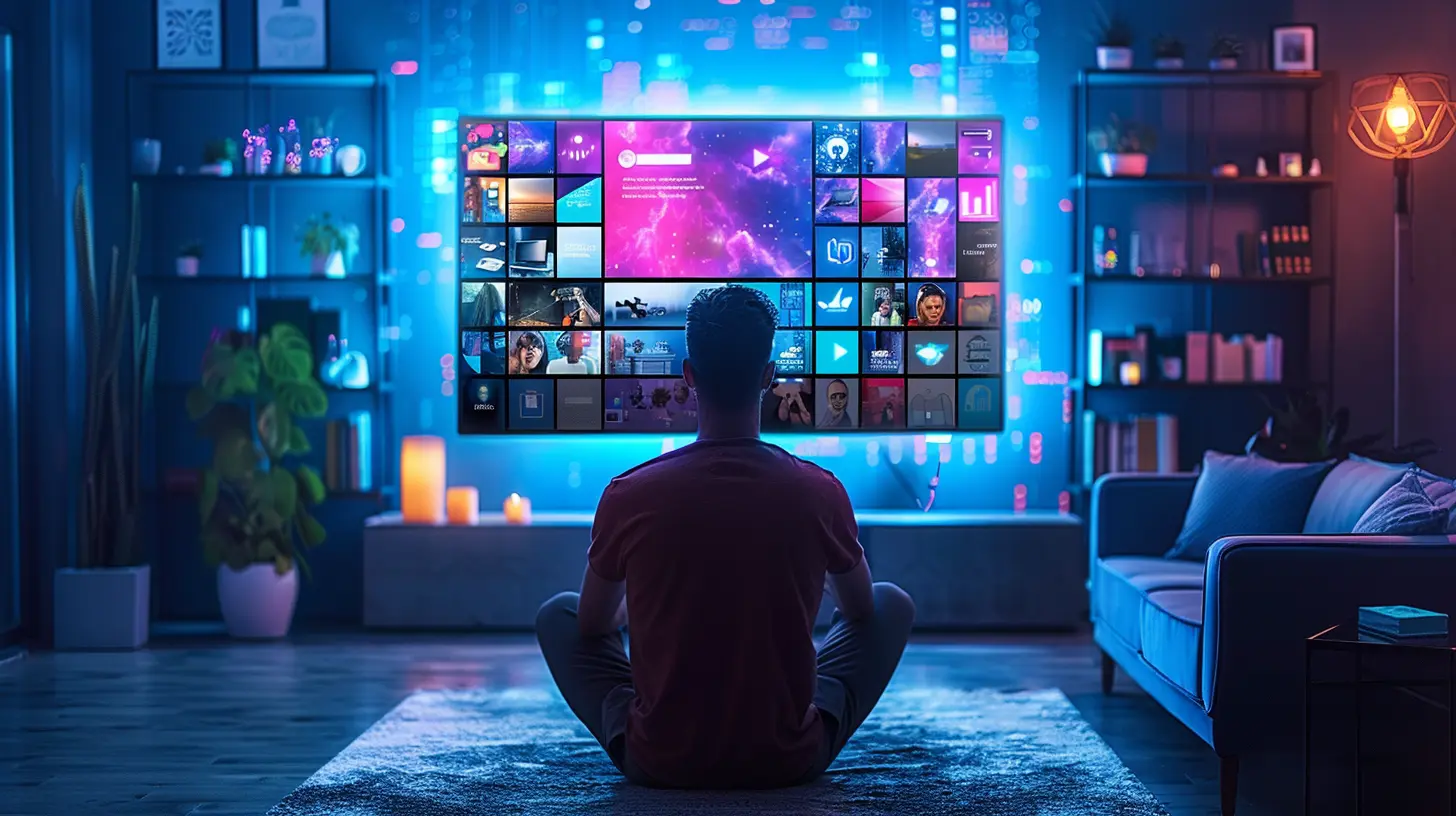
Why Streaming Devices Matter More Than Ever
To put it simply, streaming devices are the bridges between our old viewing habits and the new, on-demand world of entertainment. Still stuck in the idea that they're just "TV accessories"? Not anymore.Streaming devices give you access to thousands of shows, movies, podcasts, and live events with just a few taps. No cords. No schedules. Just pure, personalized viewing. They’re the center of our digital living rooms—and they’re only getting smarter, more powerful, and more essential.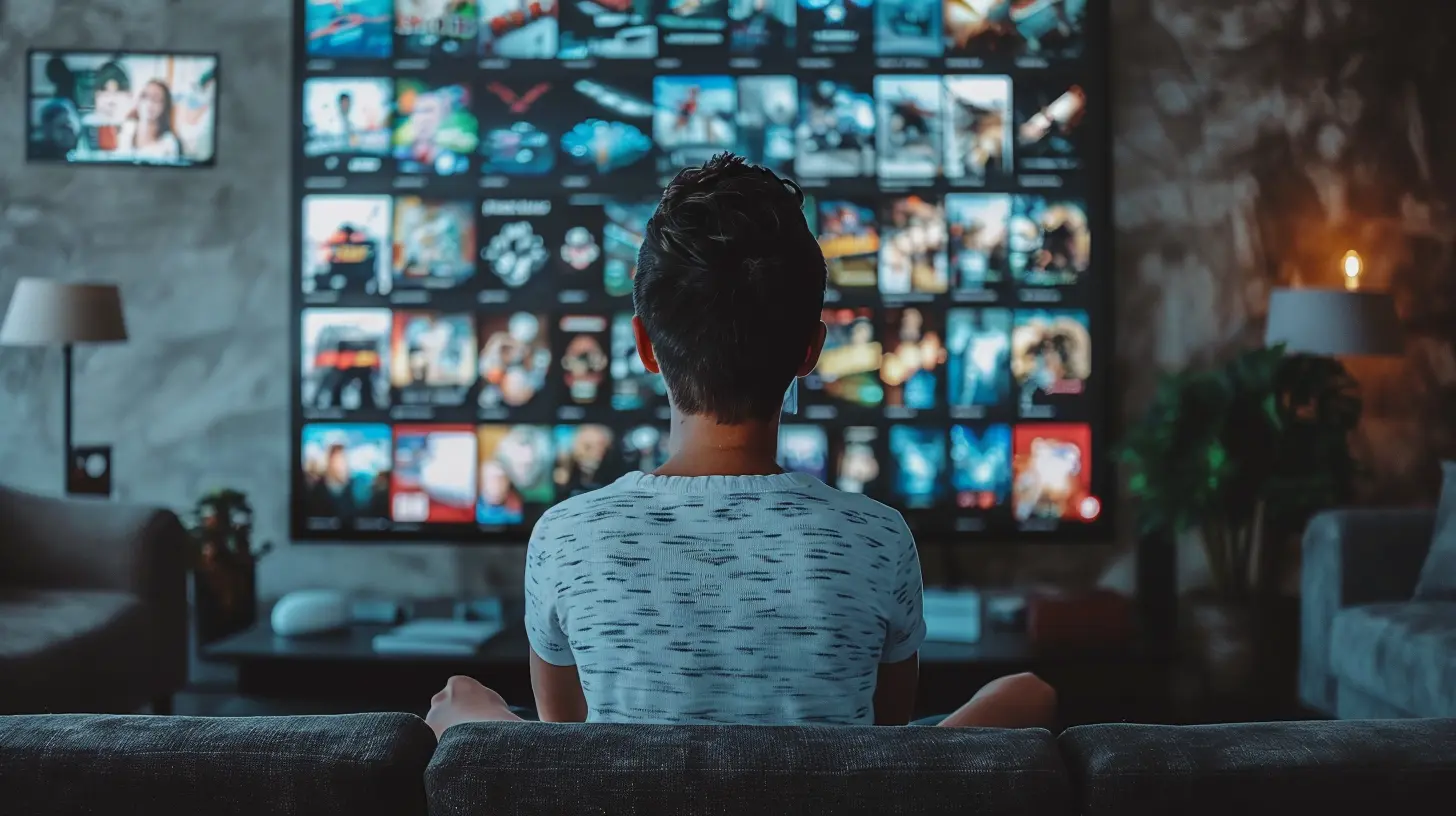
From Cable Chaos to Streaming Simplicity
Let’s be honest—traditional TV had its glory days. But with it came a mess of wires, confusing remotes, channel packages we didn’t want, and schedules that dictated our free time. It got exhausting.Welcome to the age of choice.
Streaming devices give us the power to watch what we want, when we want. They consolidate services like Netflix, Hulu, YouTube, Disney+, and more into one sleek interface. It's like having your own entertainment hub, right at your fingertips.
Instead of wading through ads and pointless channels, you're now curating your own media universe. And that’s pretty powerful, don’t you think?
The Rise of Personalization
Ever noticed how your Amazon Fire Stick just knows what you want to watch next? It’s kind of eerie… but also kind of awesome.Streaming devices are getting really good at personalization. Thanks to AI and machine learning, these gadgets remember what you’ve watched and recommend content you’re likely to enjoy. Say goodbye to decision fatigue and hello to binge-worthy suggestions tailored just for you.
Whether you’re a die-hard thriller fan or someone who binge-watches cooking shows at 2 AM (no judgment), your device knows your vibe—and it delivers.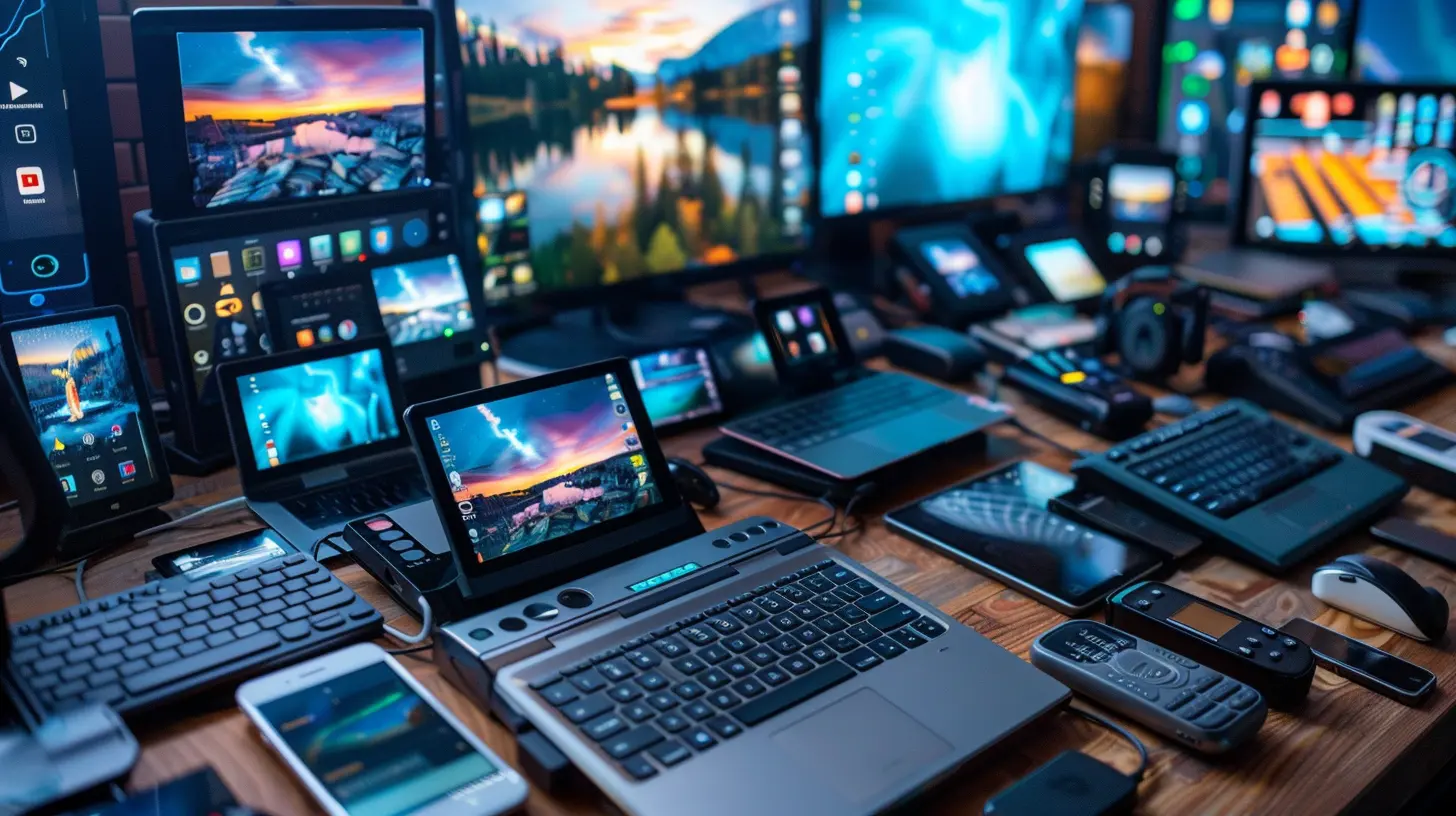
Mobility and Freedom: Watch From Anywhere
Gone are the days when TV was limited to the living room. Thanks to portability and cloud integration, many streaming devices let you pause a show on your TV and continue watching on your phone, tablet, or laptop. That means your favorite series travels with you—on a plane, on the train, or chilling at the coffee shop downtown.We’re living in the golden age of media freedom. Streaming devices are not just about watching—they’re about experiencing content wherever life takes you.
The Cord-Cutting Culture
Have you heard the term “cord-cutting”? It’s not just a trend; it’s a full-blown movement. People are ditching their cable subscriptions by the millions.Why? Because who wants to pay for 300 channels when you only watch five?
Streaming devices are at the heart of this cultural shift. They’ve made it incredibly easy to say goodbye to bloated TV packages and embrace leaner, cheaper, more personalized content platforms. It’s not just about saving money (although that’s a big win). It’s about regaining control.
Smart Homes Need Smart Entertainment
Smart homes are no longer futuristic—they’re happening now. With voice assistants like Alexa, Siri, and Google Assistant, you can control lights, climate, security, and yes—your streaming devices.Imagine this: You walk in, say, “Play Stranger Things on Netflix,” and bam—your show is on, lights dimmed to the perfect ambiance. You didn’t even touch a remote.
Streaming devices are becoming integrated into the broader smart home ecosystem. They're no longer just about "watching TV"; they’re part of a connected lifestyle.
Future-Proof Tech: 4K, HDR, and Beyond
Let’s talk tech for a second. Streaming devices are evolving fast—from HD to 4K, from standard sound to Dolby Atmos bliss. These devices are keeping pace with the rapid advancements in display and audio technology.Think cinema-quality picture and sound, right from your couch. The lines between home entertainment and the theater are blurring fast. Some streaming platforms are even releasing movies straight to digital—skipping theaters altogether. Streaming devices are ready to handle it all.
Interactive & Immersive Experiences
We used to just sit and watch. But now? We're engaging, reacting, and sometimes even controlling the story.Some streaming platforms are experimenting with interactive content. Choose-your-adventure-style shows, gaming integration, augmented reality—it's a whole new ball game.
Streaming devices are the gateway to these next-gen experiences. They’re no longer passive tools; they’re active participants in how stories unfold.
The Role of Streaming Devices in Democratizing Content
Here's an angle that doesn’t get enough spotlight: streaming devices are making content more accessible to everyone. Small content creators, indie filmmakers, and educators now have platforms to share their work with global audiences. No need to pitch to big networks or have million-dollar budgets.With the help of streaming devices, the barriers to entry are shrinking—and that’s huge.
Different voices, perspectives, and cultures are getting the screen time they deserve. We're no longer stuck with a handful of gatekeepers deciding what we can or can’t watch. We, the viewers, are in charge.
Streaming Devices vs Smart TVs: Is There Still a Difference?
You might be wondering, “Wait, don’t most TVs already come with apps built-in?”True, many do. But standalone streaming devices still have the edge. They often get faster updates, have better performance, more storage, wider app compatibility, and deeper integration with other devices.
Think of a streaming device like a Swiss Army knife—it’s small, convenient, and packed with tools. Even if your TV is “smart,” a dedicated device often makes it smarter.
A Gateway to Global Content
Streaming devices are breaking down geographical walls. Want to watch Korean dramas, British documentaries, or Bollywood blockbusters? No problem.These devices let us explore content from all over the world with subtitles, dubbing, and multi-language options. You're not limited to what's playing locally anymore. The whole world is on your screen—and that's pretty mind-blowing.
It’s not just entertainment; it’s education. It’s empathy. It’s connection.
Streaming and Gaming: The Crossover is Real
The future is not just about watching—it's also about playing.Many streaming devices now support cloud gaming platforms or are launching their own. That means you can play full-scale video games without needing a console. Just pair a controller and go.
This merging of entertainment and gaming is the next major frontier. Streaming devices are positioning themselves right at the center of it. They're becoming the all-in-one media solution—TV, music, games, live events, and more.
Challenges Ahead... But Bright Horizons
Sure, it's not all sunshine and 4K rainbows.There are challenges—fragmentation, subscription fatigue, privacy concerns, and the endless debate around screen time. Plus, with so many services competing for our attention, it can get a little overwhelming.
But here’s the thing—streaming devices are adapting. They're refining user experience, offering bundles, creating ad-supported tiers, and improving security. It’s a constantly evolving ecosystem, and that’s exciting.
The future of media consumption isn’t set in stone—but if there’s one thing we can be sure of, it’s that streaming devices will be right in the middle of it all, pushing boundaries and creating better, smarter, more connected experiences.
Wrapping It Up: The Streaming Revolution is Just Getting Started
Streaming devices aren’t just gadgets—they’re game changers. They’ve turned our TVs into portals, our homes into theaters, and our free time into an adventure of choices.They bring us comfort, convenience, and control. They let us laugh harder, cry louder, and feel deeper. And as tech continues to evolve, so too will these devices—smarter, faster, and more in tune with the way we live.
So, whether you're a movie buff, a casual streamer, a gamer, or someone just looking to escape for an hour or two, one thing’s clear: streaming devices aren't just a part of the media future—they’re leading it.
And honestly? We're all along for the ride.
all images in this post were generated using AI tools
Category:
Streaming DevicesAuthor:

Vincent Hubbard
Discussion
rate this article
1 comments
Sadie McTiernan
Streaming devices are revolutionizing how we consume media. With their accessibility and variety of content, they not only enhance user experience but also shape the industry's future, making traditional media formats less relevant.
July 7, 2026 at 2:27 AM