The Science Behind Ultra-Fast Battery Charging Technologies
31 January 2026
Battery charging technology has come a long way in the past decade. Gone are the days when you had to plug in your phone overnight just to get a full day’s charge. Today, companies are rolling out ultra-fast charging technologies capable of juicing up your device in just minutes.
But how does it work? How can a battery go from 0 to 100% so quickly without exploding or degrading rapidly? Well, that's exactly what we're about to dive into. Grab a coffee, and let’s break down the science behind ultra-fast battery charging technologies in a way that's easy to understand but still packed with depth.
Understanding the Basics: How Do Batteries Work?
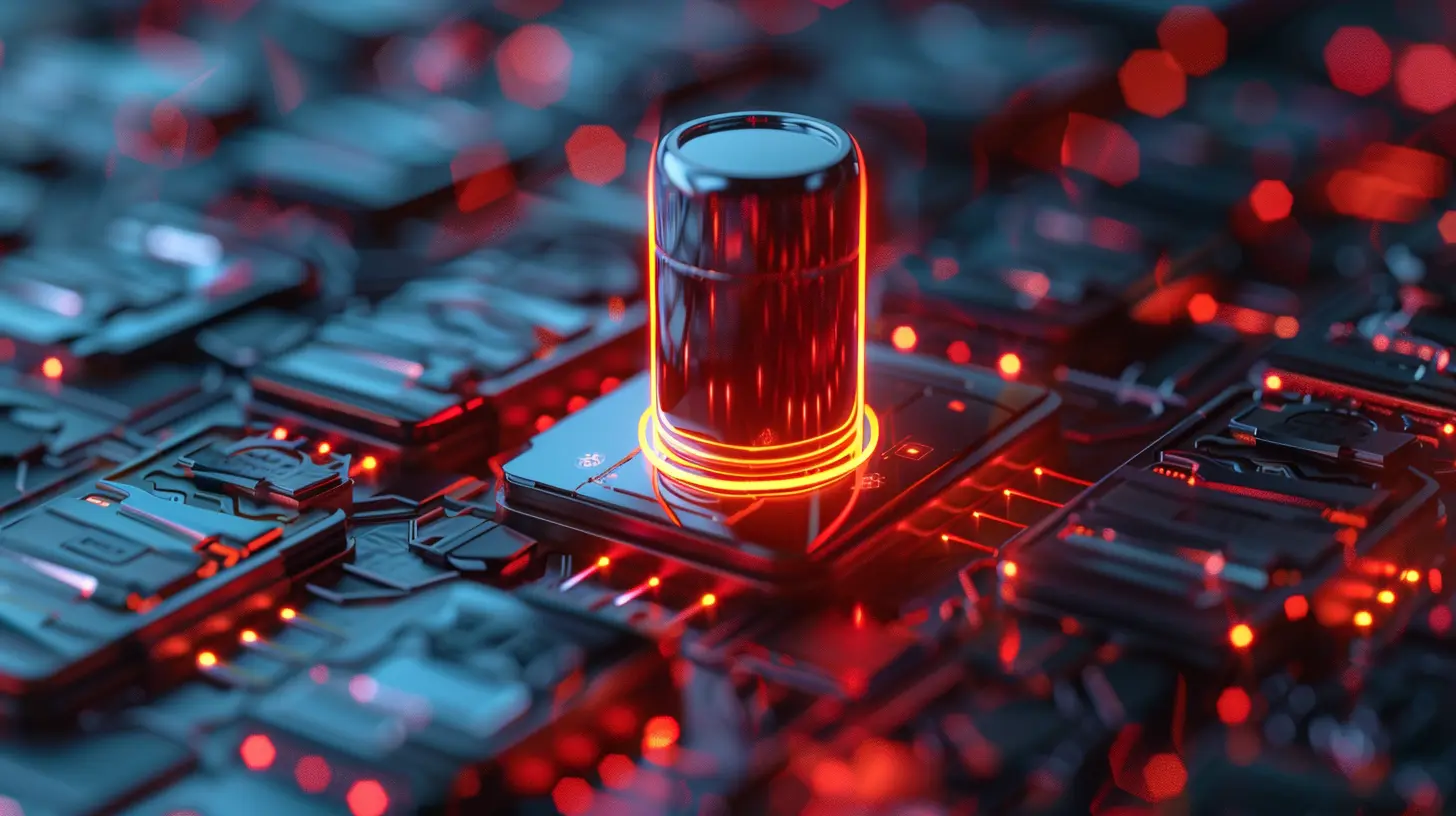
Before we jump into ultra-fast charging, let’s quickly recap how batteries function.Most modern electronics use lithium-ion (Li-ion) batteries. These batteries store and release energy through the movement of lithium ions between two electrodes:
- Anode (Negative Electrode) – Stores lithium ions when the battery is charged.
- Cathode (Positive Electrode) – Receives lithium ions when the battery is discharged.
- Electrolyte – A liquid or gel-like substance that helps ions move between the anode and cathode.
When you charge your device, lithium ions move from the cathode to the anode. When you use your device, they travel back, releasing energy. The faster you can move these ions safely, the faster you can charge your battery.
The Key Science Behind Ultra-Fast Charging
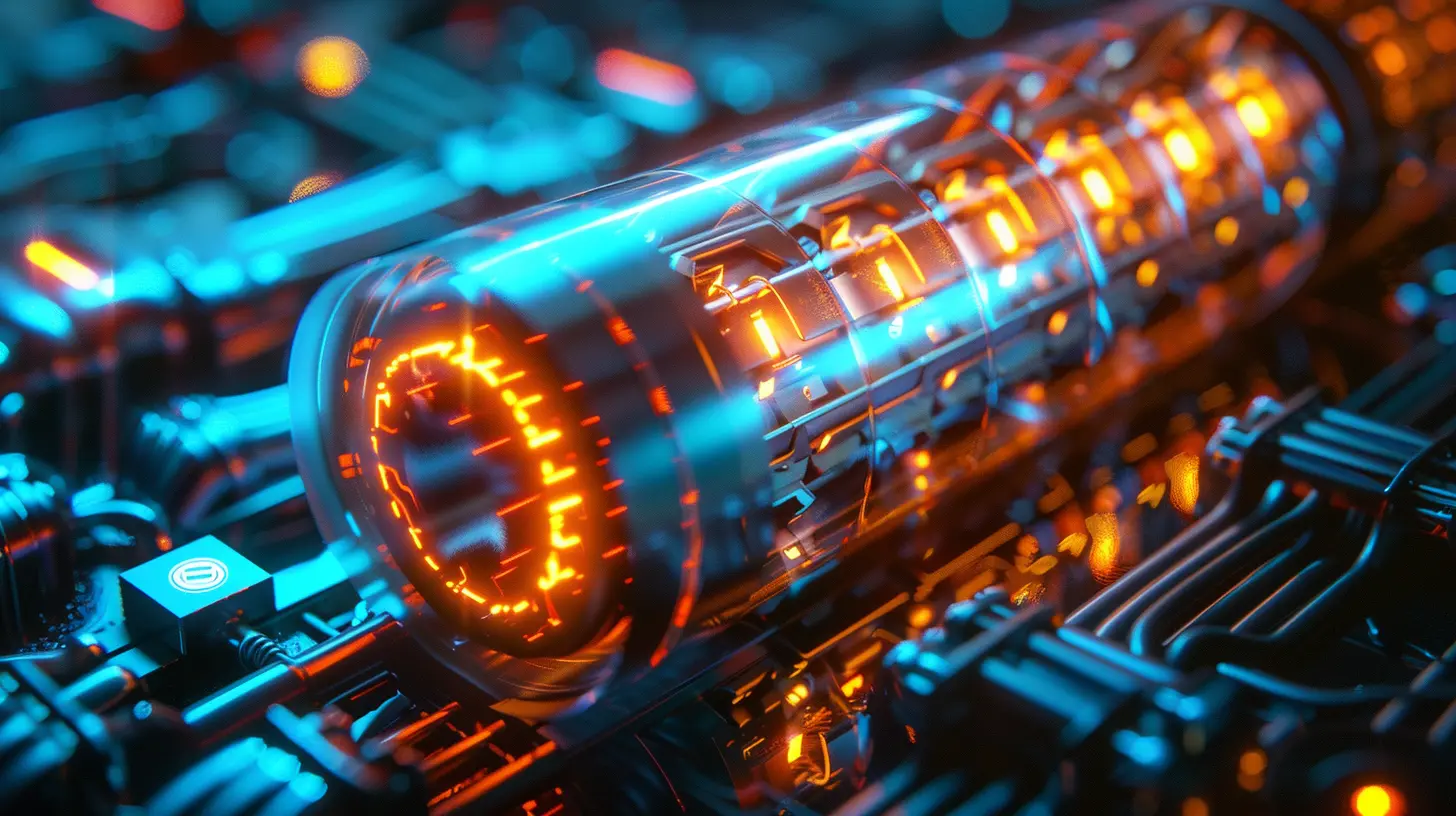
Ultra-fast charging isn’t just about pumping more power into a battery. It’s about doing it efficiently and safely. Engineers have developed several innovations to make this possible.1. Higher Charging Currents and Voltages
One way to speed up charging is to increase the charging current (amperes) and voltage. Fast chargers supply more power compared to regular chargers. However, this also generates heat, which must be managed properly to prevent damage.For example, a standard phone charger may provide 5W (5V/1A), while modern fast chargers can deliver 100W or more, significantly reducing charging time.
2. Advanced Battery Materials
Traditional Li-ion batteries struggle with heat dissipation when charged too fast. But scientists have developed new materials to improve performance:- Graphene Batteries – Graphene, a wonder material, offers lower resistance, allowing faster electron movement and better heat management. Some companies have already started incorporating graphene into battery designs.
- Silicon Anodes – Replacing graphite with silicon in battery anodes allows more lithium ions to be stored, increasing charge capacity and speed. Silicon anodes expand significantly when charged, so researchers are working on ways to stabilize them.
3. Multi-Stage Charging Algorithms
Instead of charging at a constant rate, ultra-fast charging follows a multi-stage approach:1. Constant Current Phase – The battery charges at a high current initially, filling up quickly.
2. Constant Voltage Phase – As the charge nears capacity, the voltage remains steady, but the current reduces to prevent overheating.
3. Trickle Charging – A slow, minimal current is applied at the end to top off the battery safely.
This approach balances speed with long-term battery health.
4. Thermal Management Systems
Heat is the biggest enemy of battery longevity. When you charge too fast, heat builds up, which can degrade battery life. To counter this, modern devices come with thermal management systems such as:- Liquid Cooling – Some smartphones and electric vehicles use liquid cooling technologies to dissipate heat effectively.
- Graphite Heat Spreaders – A thin layer of graphite distributes heat evenly, preventing hotspots.
- AI-Based Temperature Control – AI-powered systems monitor charging temperatures and adjust power delivery in real time.
5. Solid-State Batteries: The Future of Fast Charging
Solid-state batteries, though still in development, promise to revolutionize charging times. Unlike traditional Li-ion batteries that use liquid electrolytes, solid-state batteries use solid electrolytes, offering:- Higher energy densities
- Faster charging speeds
- Improved safety (lower risk of thermal runaway)
Toyota and other companies are heavily investing in solid-state tech, which could lead to EVs and smartphones that charge in a matter of minutes.
How Fast is "Fast"?
Ultra-fast charging speeds vary based on the technology used. Here’s a rough comparison:| Charging Technology | Charging Time (0-100%) |
|---------------------|----------------------|
| Regular Charging (5W) | ~3-4 hours |
| Fast Charging (18-30W) | ~1-1.5 hours |
| Super Fast Charging (65-100W) | ~30-40 minutes |
| Ultra-Fast Charging (120W+) | ~15-20 minutes |
| Next-Gen Charging (Solid-State, Graphene) | ~5-10 minutes |
EVs are also seeing significant improvements. Tesla’s Superchargers and companies like Nio, Xiaomi, and CATL are working on EV batteries that charge to 80% in under 10 minutes.
Challenges and Limitations
Ultra-fast charging is impressive, but it’s not perfect. There are a few hurdles:1. Battery Degradation
Fast charging cycles stress battery materials, leading to faster degradation over time. A phone charged at 120W daily may lose capacity quicker than one charged at 30W.2. Heat Issues
Even with cooling systems, excessive heat can still shorten battery lifespan and, in extreme cases, cause safety risks like battery swelling or fires.3. Energy Efficiency
Fast charging often wastes energy in the form of heat. Improving efficiency is a challenge researchers are tackling.4. Infrastructure Limitations
For EVs, high-speed chargers require robust electrical grids and expensive charging stations, limiting accessibility for some users.The Future of Ultra-Fast Charging
So, what’s the next frontier?- 1000W Charging? Some companies are experimenting with even higher wattages. Could we see smartphones that charge in under 5 minutes?
- AI-Optimized Charging – Smart algorithms will continue to improve charge efficiency and battery longevity.
- Universal Fast Charging Standards – Companies are working on unified charging standards like USB-C Power Delivery (PD) to make fast charging accessible across all devices.
- Wireless Supercharging – Imagine wirelessly charging your phone in under 10 minutes! Researchers are making wireless fast charging more viable.
Conclusion
Ultra-fast charging is reshaping how we use our devices, making long charging times a thing of the past. By leveraging better materials, smart charging algorithms, and advanced cooling systems, companies have made it possible to charge batteries at record speeds while maintaining safety and efficiency.While challenges like battery degradation and heat management still exist, the future looks bright. Whether it’s smartphones, laptops, or electric vehicles, ultra-fast charging is here to stay and will only get better.
So, the next time you plug in your phone and see it jump from 0% to 50% in minutes, remember—there’s some serious science behind it.
all images in this post were generated using AI tools
Category:
Battery TechnologyAuthor:

Vincent Hubbard
Discussion
rate this article
2 comments
Kova McClure
Charge me up, science!
March 3, 2026 at 4:12 AM
Vincent Hubbard
Glad to see your enthusiasm! Ultra fast charging is truly a game changer.
Runehart Wilkerson
Fascinating! How do these technologies impact battery lifespan?
February 2, 2026 at 5:48 AM
Vincent Hubbard
Ultra-fast charging technologies can extend battery lifespan by optimizing charging rates and minimizing heat generation, though excessive charging speeds may pose risks if not managed properly.