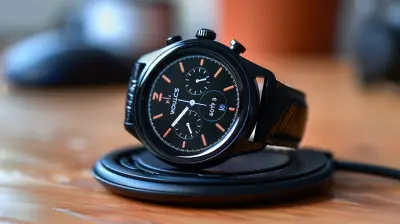
Understanding the Qi Standard in Wireless Charging
6 April 2026
Wireless charging has become a buzzword in today’s tech landscape. From charging pads to furniture with built-in chargers, it’s clear that we’re slowly breaking free from our cord clutter. At the heart of this shift is something called the Qi standard — and no, it's not pronounced “key” or “cue.” It’s actually pronounced “chee,” like the life force in Chinese philosophy. Kinda poetic, right?
But beneath that zen-like name lies a complex world of tech that’s quietly transforming how we juice up our devices. We're going to unpack what Qi really is, how it works, why it’s important, and where it's headed. Buckle up — this is going to get wirelessly interesting.
What is the Qi Standard?
Let’s get this out of the way — Qi is the global standard for wireless power transfer. It was developed by the Wireless Power Consortium (WPC), a group made up of tech giants like Apple, Samsung, and Huawei. Since its introduction in 2008, Qi has become the go-to wireless charging standard for smartphones, smartwatches, earbuds, and even some laptops.Imagine this: instead of plugging your phone into a charger, you just place it on a pad. The phone charges without any physical connector. No frayed cords, no broken charging ports — just pure, clean energy transfer through the air (well, almost).
But let’s not fool ourselves — the magic behind Qi isn’t really magic. It’s science — good ol’ fashioned physics.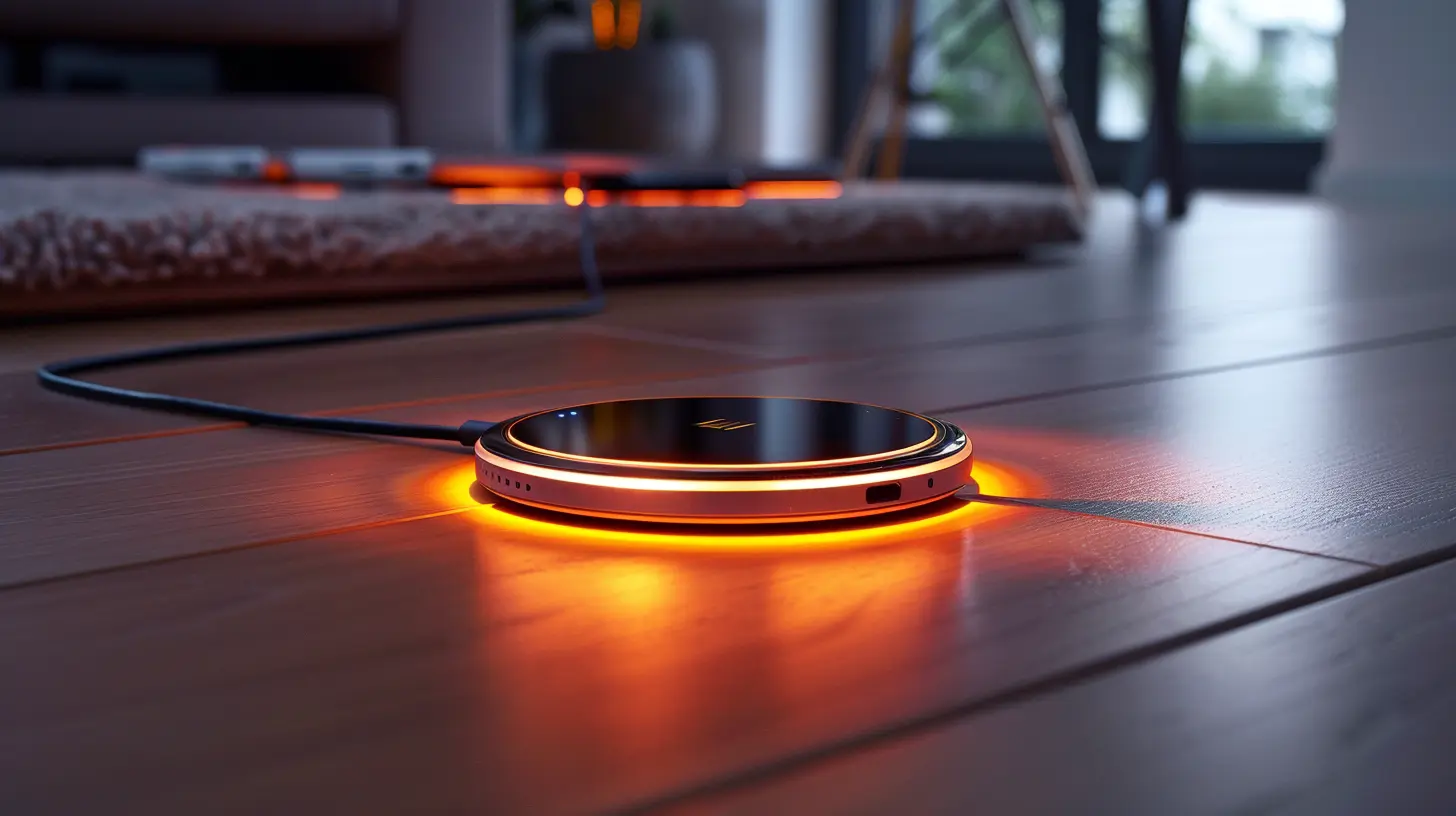
How Qi Wireless Charging Works
So, how does Qi charging actually work? It's all about electromagnetic induction. That sounds intimidating, but stick with me.Here’s the basic idea:
1. The charging pad (the transmitter) has a built-in coil of wire.
2. The device you're charging (the receiver) has another tiny coil.
3. When you place your device on the pad, the transmitter coil creates an electromagnetic field.
4. That field induces a current in the receiver coil.
5. The device then converts that induced current into power for your battery.
Simple, right? It’s basically the same principle that powers electric toothbrushes — only now it fuels your expensive gadgets.
What Makes Qi the Gold Standard?
You might be wondering, “Why Qi? Aren’t there other standards?” Good question.There were some competing wireless charging technologies — like Powermat and Rezence — but Qi came out on top. Why? A few reasons:
✅ Universal Compatibility
Qi is an open standard. That means any manufacturer can build compatible devices or chargers. iPhone? Android? Doesn’t matter — if it’s Qi-certified, it’ll work.⚡ Safer Charging
No sparks. No overheating. Qi has smart communication protocols that prevent overcharging and device damage. It’s like having a very cautious friend watching your phone while it charges.🌍 Wide Adoption
Qi is used by over 500 companies. You’ll find Qi charging pads in coffee shops, cars, airports, and even IKEA furniture. That ubiquity makes it incredibly useful.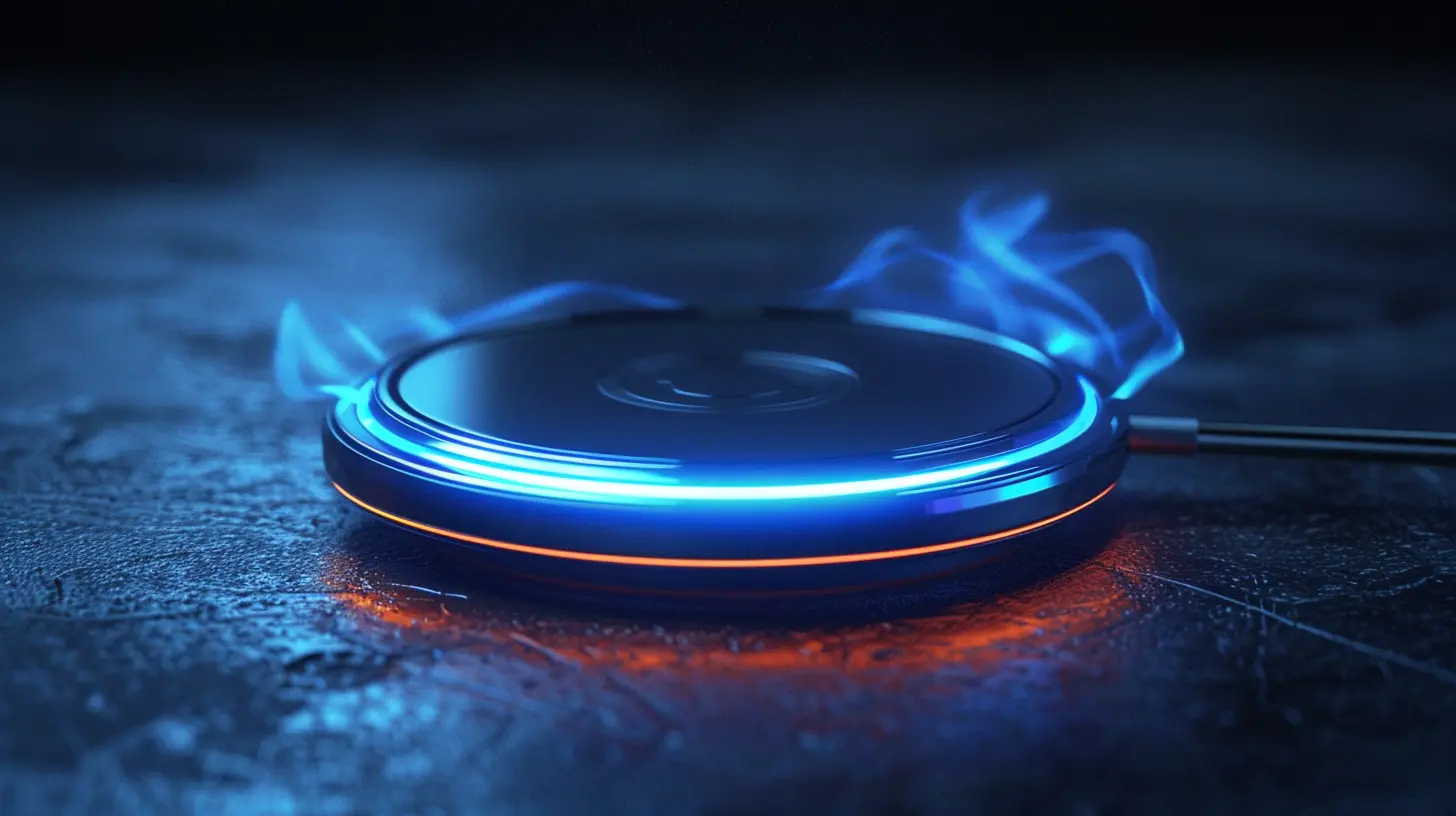
The Evolution of Qi: From Slow to Supercharged
In the early days, Qi charging was… kinda slow. We’re talking a sluggish 5 watts. Compare that to wired charging, and it was like trying to fill a swimming pool with a straw.But technology doesn’t sit still, and neither did Qi. Here’s how it evolved:
🔋 Qi 1.0 & 1.1
- Max output: 5W- Basic power transfer
- Mostly used for small devices (phones, earbuds)
🚀 Qi 1.2
- Introduced fast charging (up to 15W)- More efficient alignment
- Improved foreign object detection (no, that coin won’t get hot anymore)
💨 Qi 2.0 (Coming Soon)
Expected to support magnetic alignment similar to Apple’s MagSafe. That means better positioning, higher efficiency, and fewer "Why isn’t my phone charging?” moments.With fast charging becoming the norm (hello, 15W+), many of today’s flagship phones can wirelessly charge nearly as fast as they do with a cable.
Qi vs MagSafe vs Proprietary Tech: What's the Difference?
If you’ve used an iPhone lately, you’ve probably heard of MagSafe — Apple’s magnetic wireless charging feature. Is it Qi? Sorta.Here’s the breakdown:
- Qi: The universal, industry-standard for wireless charging. Open to all.
- MagSafe: Built on top of Qi, but adds magnets for perfect alignment and up to 15W charging for iPhones. Think of it as Qi with an Apple twist.
- Proprietary Tech: Some brands (like OnePlus or Xiaomi) use their own wireless fast-charging systems that go beyond 30W or even 50W. The catch? You need their charging pads and devices. It’s fast, but not universal.
So if you want compatibility and flexibility, Qi is the better bet. If you want blazing speeds and you're loyal to a certain brand, proprietary might be your jam.
Misconceptions About Qi Wireless Charging
Wireless charging sounds amazing, but it’s not all unicorns and rainbows. Let’s clear up a few common myths:❌ "Wireless charging damages the battery."
Nope. In fact, Qi ensures safer charging by regulating heat and current. If anything, it reduces wear and tear caused by physical connectors.❌ "It wastes a ton of energy."
Qi charging has gotten way more efficient over the years. While it’s slightly less efficient than wired charging (think 85% vs 95%), the gap is closing fast — especially with proper alignment and newer pads.❌ "It charges super slowly."
Again, that used to be true. But with fast wireless charging, you can get up to 50% in under 30 minutes on some phones — even wirelessly.The Real-World Benefits of Qi Charging
You might be asking: “Cool, but does Qi really change the way I charge my phone?”Absolutely. Here’s why:
1. Convenience Overload
No fumbling for cables at night. Just plop your phone down and go to bed. Wake up fully powered.2. Less Wear and Tear
No cable plugging means fewer chances to wear out your phone’s port or the cords themselves.3. Decluttering Goals
A single pad can charge multiple devices — phone, earbuds, smartwatch — all at once. Say goodbye to tangled wires.4. Power on the Go
Wireless chargers are now built into cars, airport lounges, coffee shop tables — even some backpacks!Limitations of Qi (Let’s Be Real)
Nothing’s perfect. Qi is amazing, but it does have a few quirks.- Slower than high-speed wired charging (especially those 100W USB-C monsters)
- Device alignment matters — off by an inch and… no juice!
- Can’t use your phone comfortably while charging
- Not the most energy-efficient method — every % of power counts in a green world
But for the convenience it offers? Most people are happy to make the trade-off.
What’s Next for Qi?
The near future of wireless charging looks brighter — and smarter.🔮 Qi2 Is Coming
WPC is working on the Qi2 standard, which will incorporate Apple’s MagSafe-style magnetic alignment. That means better efficiency, stronger connections, and more innovation.⚡ Higher Power Levels
Today, Qi generally caps at 15W. But with new energy management tech, we could see 30W+ become standard — even for smaller devices.🌱 Greener Charging
With better coil designs and power conversion chips, new Qi pads will waste less energy. That’s huge for sustainability.🧠 Smarter Chargers
Imagine wireless pads that detect who you are, adjust charging speed, and notify you when you’re fully charged. Yeah, that’s in the pipeline too.Should You Go All-In on Qi?
If you're tired of tangled cables, broken ports, or digging behind couches to find your charger, Qi is a no-brainer. The ecosystem is mature, widely supported, and future-proof.Of course, it won’t completely replace wired charging — especially for those emergency fast top-ups. But for everyday use? Qi offers unbeatable convenience and solid performance.
So if you haven’t already dipped your toes into wireless charging, now’s the perfect time to make the leap. Just be careful — once you go wireless, you might never want to plug in again.
Final Thoughts
The Qi standard is more than just a spec sheet — it’s a quiet revolution in how we think about power. Like Wi-Fi did with internet, Qi is helping unchain our devices from physical limits.It's not perfect. It’s not the fastest. But for the average person juggling phones, watches, and accessories, Qi brings sanity to our charging chaos. And with future updates like Qi2 on the way, the best is yet to come.
So, next time you drop your phone on a charging pad, take a moment to appreciate the invisible dance of coils and currents happening right beneath your fingertips. That’s Qi — simple on the surface, smart at its core.
all images in this post were generated using AI tools
Category:
Wireless ChargingAuthor:

Vincent Hubbard
Discussion
rate this article
2 comments
Soraya Patel
The Qi standard revolutionizes how we power our devices, reflecting a shift toward seamless connectivity while prompting us to consider energy efficiency and sustainability in technology.
April 16, 2026 at 11:44 AM
Vincent Hubbard
Thank you for your insightful comment! The Qi standard indeed paves the way for a more connected and energy-efficient future in wireless charging.
Ingrid Ortiz
Embracing the Qi standard in wireless charging opens doors to convenience and innovation! As technology progresses, we empower ourselves with seamless solutions that enhance our daily lives. Let’s charge ahead and embrace the future together!
April 8, 2026 at 1:06 PM
Vincent Hubbard
Absolutely! Embracing the Qi standard truly transforms our charging experience, making it simpler and more efficient. Exciting times ahead!