Wearable Fitness Trackers: Are They Worth the Hype?
7 January 2026
Technology is evolving at an incredible pace, and one of the biggest trends in health and fitness is wearable fitness trackers. These small gadgets promise to help us get in shape, track our health, and even improve our daily habits. But are they really worth all the hype, or are they just another passing trend?
Let’s dive into the world of fitness trackers, break down the pros and cons, and figure out if they truly deserve a spot on your wrist. 
What Are Wearable Fitness Trackers?
Wearable fitness trackers are smart devices worn on the wrist that monitor various aspects of physical activity and health. They track steps, calories burned, heart rate, sleep quality, and even stress levels. Some advanced models offer features like GPS tracking, blood oxygen monitoring, and ECG readings.Brands like Fitbit, Apple, Garmin, and Samsung have taken the market by storm with their high-tech fitness bands and smartwatches. But with so many options available, it raises a crucial question – do they actually help improve fitness, or are they just expensive accessories? 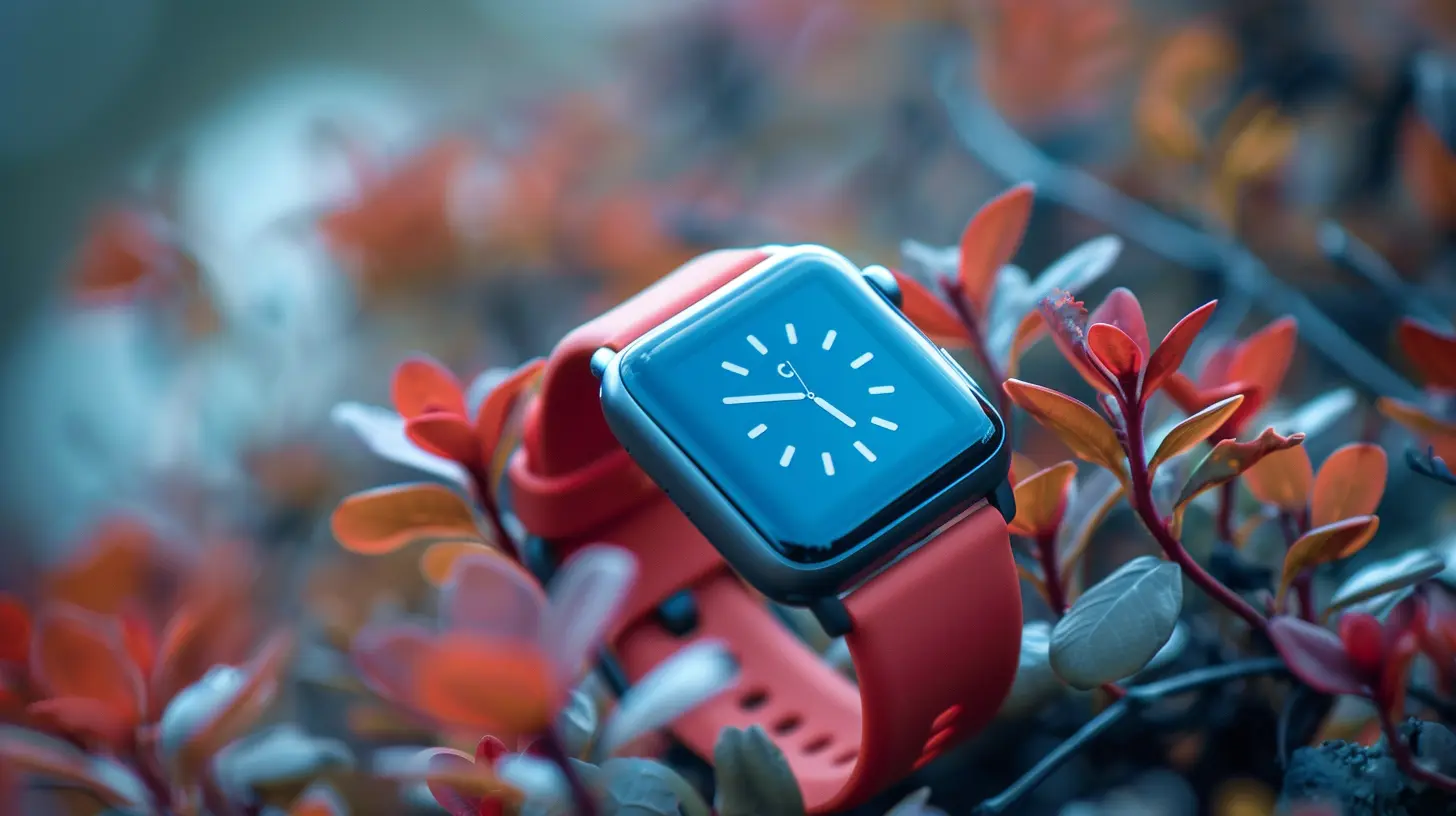
The Benefits of Wearable Fitness Trackers
If millions of people swear by these gadgets, there must be a reason, right? Let’s look at some of the undeniable benefits of using a fitness tracker.1. Keeps You Accountable
One of the biggest reasons people love fitness trackers is the motivation they provide. Seeing your daily step count, calories burned, or active minutes gives you a little push to move more. Many trackers also remind you to get up and move if you’ve been sitting too long.Plus, setting goals—like hitting 10,000 steps or burning a specific number of calories—makes staying active feel like a fun challenge.
2. Monitors Your Heart Rate & Overall Health
Modern fitness trackers come with heart rate monitoring, allowing you to see how your heart responds to exercise and daily activities. Some devices even offer detailed reports on heart rate variability (HRV), which can indicate stress levels and overall well-being.Some models take it even further with features like:
- Blood oxygen monitoring (SpO2) – Helpful for athletes and those with respiratory conditions.
- ECG readings – Can detect irregular heart rhythms or potential heart issues.
While these trackers are not a replacement for medical devices, they offer valuable insights into your health.
3. Improves Sleep Quality
Struggling with poor sleep? Many fitness trackers have sleep-tracking features that analyze your sleep patterns, including deep sleep, REM sleep, and light sleep durations. They also provide actionable insights to improve your sleep habits, like adjusting bedtime or reducing screen time before bed.Some devices even offer silent alarms that wake you up with gentle vibrations instead of a loud, annoying alarm clock.
4. Tracks Workouts & Athletic Performance
Whether you’re a runner, cyclist, or gym enthusiast, fitness trackers cater to all types of workouts. They measure distances, calorie burn, intensity, and even provide guided workouts on some models.For example:
- Runners & Cyclists: GPS tracking helps map out your routes and analyze performance.
- Gym-Goers: Strength training features track reps and sets.
- Swimmers: Waterproof models record strokes, laps, and efficiency in the pool.
If you’re serious about improving your fitness, these features can be game-changers.
5. Encourages a Healthier Lifestyle
Using a fitness tracker often leads to better habits, like drinking more water, sleeping better, and being mindful of food choices. Many apps sync with your tracker to remind you to stay hydrated, take deep breaths, or even practice mindfulness.Plus, fitness apps allow you to compete with friends or join challenges, making fitness more social and fun! 
The Downsides of Fitness Trackers
With all these benefits, you might be wondering—what’s the catch? Well, fitness trackers aren’t perfect. Let’s discuss some of their drawbacks.1. Accuracy Isn’t Always Perfect
While these devices claim to provide precise tracking, they are not 100% accurate. Step counts can be off, calorie estimates may vary, and heart rate readings might not always be reliable—especially during high-intensity workouts.For example:
- Wrist-based heart rate monitors can struggle with high-movement activities like weightlifting.
- Step counters may count arm movements as steps, inflating numbers.
If you rely too much on the numbers, they can sometimes be misleading.
2. Battery Life Can Be Annoying
Smartwatches and fitness trackers require frequent charging. Some can last a week, while others need daily charging, which can be frustrating. If you forget to charge your device, it essentially becomes useless.3. Can Lead to Obsession & Anxiety
Tracking every step, calorie, and heart rate fluctuation can become an obsession for some people. Instead of promoting a healthy relationship with exercise, it can create stress and anxiety about meeting goals every day.Some users even report feeling guilty if they don’t hit their daily targets—even when rest days are necessary!
4. Expensive & Constant Upgrades
Most fitness trackers aren’t cheap, with high-end smartwatches costing several hundred dollars. And just like smartphones, new versions come out regularly, tempting users to upgrade frequently.If you’re not careful, you could end up spending a small fortune trying to keep up with the latest features. 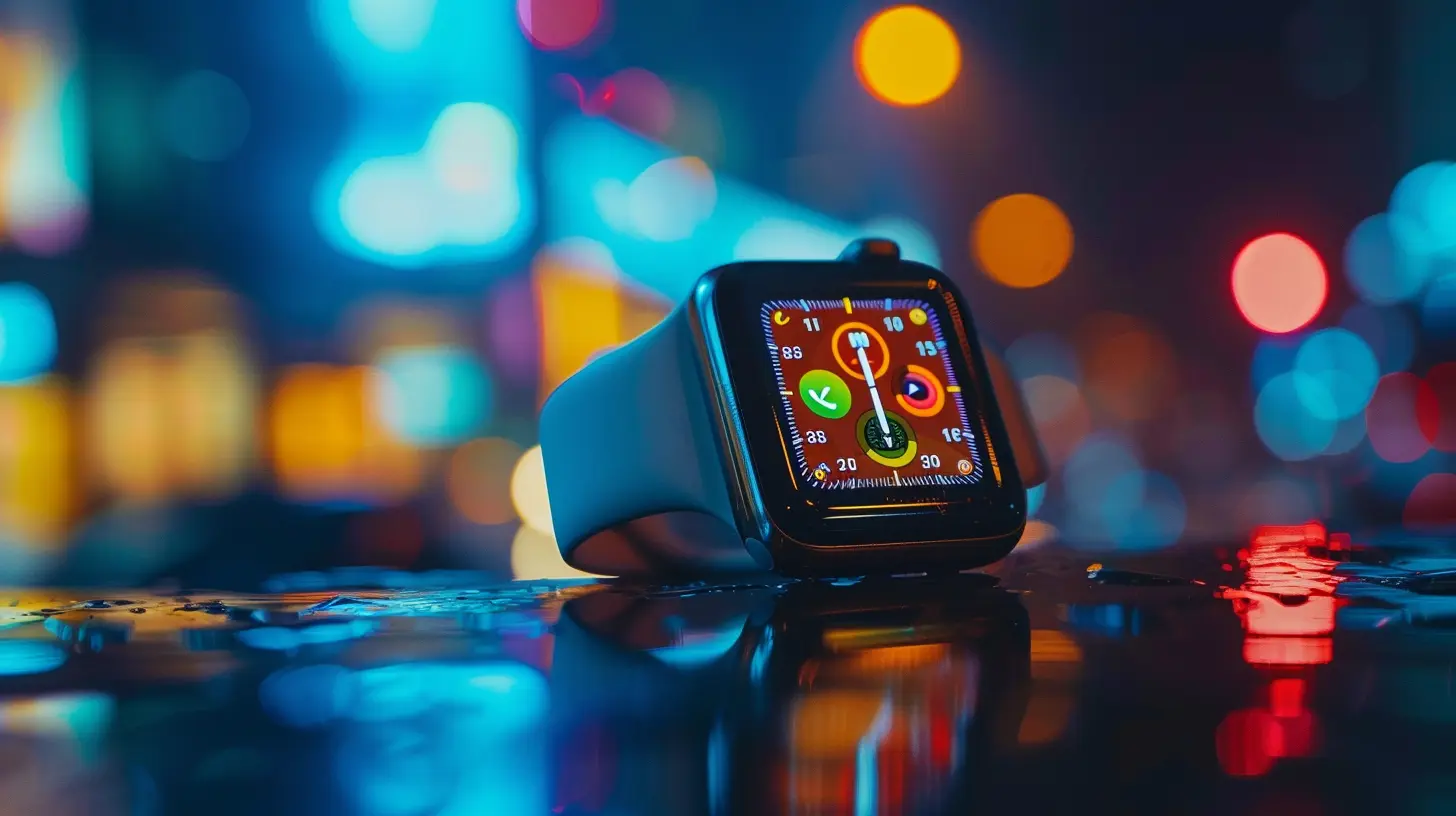
Who Should Buy a Fitness Tracker?
So, should you invest in a wearable fitness tracker? It depends on your lifestyle and fitness goals.✅ You should consider buying one if:
- You need motivation to stay active.
- You love tracking progress and setting fitness goals.
- You want insights into heart rate, sleep, or overall health.
- You enjoy tech and don’t mind charging it regularly.
❌ You might skip it if:
- You already have an active lifestyle and don’t need reminders.
- You tend to obsess over data, leading to stress or anxiety.
- You prefer free alternatives like smartphone health apps.
The Verdict: Are They Worth the Hype?
The short answer—it depends on the person.Wearable fitness trackers can be fantastic tools for motivation, health tracking, and fitness improvement. They help users stay aware of their habits and encourage positive changes. However, they’re not perfect, and they’re certainly not a magic solution for getting fit.
If you enjoy tracking your progress and using data to improve performance, a fitness tracker is definitely worth considering. But if you find yourself obsessing over numbers or feeling stressed about hitting daily targets, it might not be the best investment.
At the end of the day, wearable fitness trackers are tools, not necessities. They can help—but only if you use them wisely!
Final Thoughts
Fitness trackers are here to stay, and their technology is improving year after year. While they aren’t essential for everyone, they can be powerful motivators for those looking to improve their health and fitness.If you’re on the fence, think about your personal goals and whether you’d actually use the features available. Otherwise, a simple old-school commitment to regular exercise might be all you need!
Do you use a fitness tracker? What’s your experience been like? Let me know in the comments!
all images in this post were generated using AI tools
Category:
Wearable TechAuthor:

Vincent Hubbard
Discussion
rate this article
2 comments
Xena McLaughlin
Great article! While wearable fitness trackers offer valuable insights into health and activity, their effectiveness depends on personal goals and consistency. Users should consider their lifestyle and needs when deciding if investing in one is worthwhile.
January 22, 2026 at 11:37 AM
Vincent Hubbard
Thank you for your insightful comment! You're absolutely right—personal goals and consistency play a crucial role in maximizing the benefits of wearable fitness trackers.
Lisette Rosales
Great insights on wearable fitness trackers! They definitely offer valuable data for health monitoring and motivation. However, it's essential to strike a balance between technology and personal commitment to fitness. Ultimately, their effectiveness hinges on individual goals and consistent usage. Thanks for the thought-provoking read!
January 8, 2026 at 11:43 AM
Vincent Hubbard
Thank you for your thoughtful comment! I completely agree that while wearable fitness trackers provide valuable data, personal commitment and consistency are key to achieving fitness goals.