What Are the Limitations of Wireless Charging?
15 July 2026
Wireless charging sounds like the dream, right? Just plop your phone down on a pad and—boom—it's charging! No tangled cables, no frayed wires, no hunting for a charger that mysteriously vanished. But, like most tech, it’s not perfect. While it's impressive and definitely futuristic, wireless charging comes with its fair share of downsides.
So, before you toss out your wired charger for good, let’s talk about the limitations of wireless charging—because, spoiler alert, it’s not quite the magic solution we all hoped for. 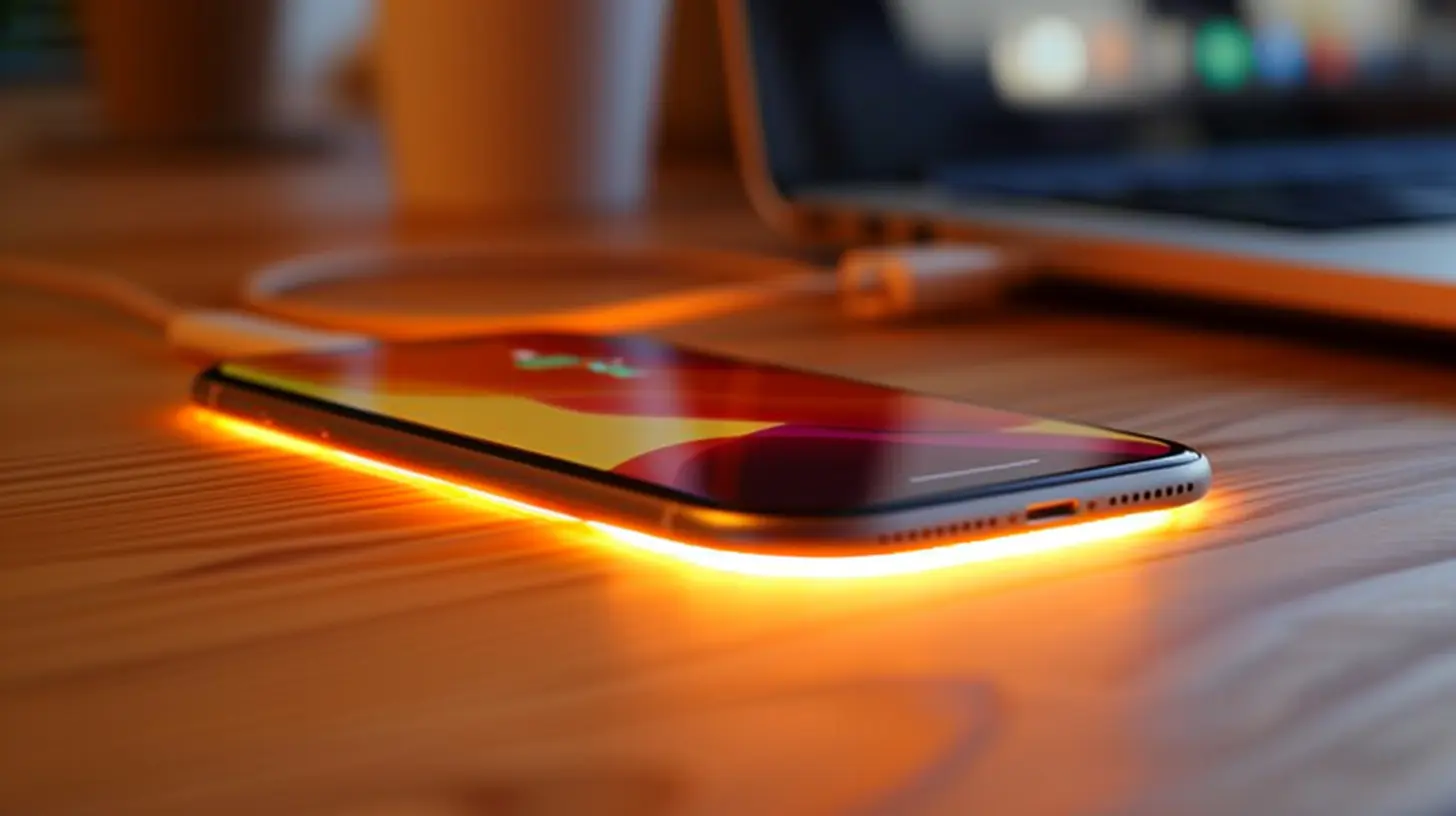
1. Wireless Charging Is Slower Than Wired Charging
If you’re someone who lives life on the go, waiting around for your phone to charge can feel like watching paint dry. And guess what? Wireless charging is usually much slower than its wired counterpart.Most wireless chargers operate between 5W and 15W, whereas wired chargers can go up to 65W or more with fast-charging technology. This means that while your friend’s phone is already at 80% using a wired charger, your phone might still be struggling at 40% on a wireless charging pad.
Why So Slow?
Wireless charging loses energy as heat, and that inefficiency slows down charging speeds. Plus, manufacturers often limit charging speeds to prevent overheating.Bottom line: If you need a quick boost before heading out, your wired charger is still your best bet. 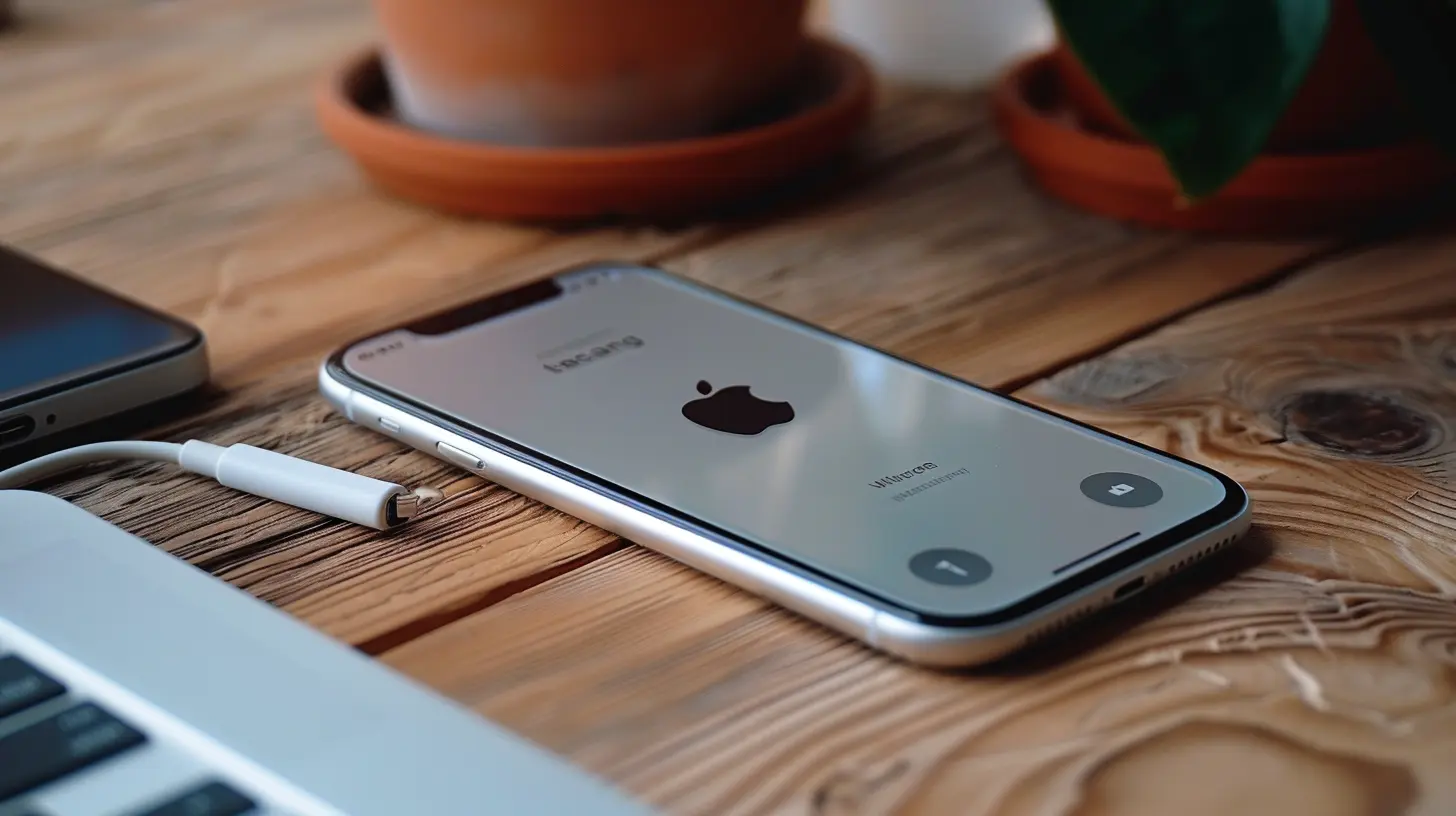
2. It’s Not Truly Wireless (Yet!)
Let’s be real for a second—calling it "wireless charging" is a little misleading. Sure, you don’t have to plug your phone in, but your charger still needs to be plugged into an outlet. And you have to place your phone in just the right spot on the charging pad.What’s the Catch?
Unlike wired charging, where you can move your phone around while it charges, wireless charging requires your phone to stay put. If you move it just a little off-center, it might stop charging altogether.So, is it really “wireless”? Well, not in the true sense. Until we get true over-the-air charging (which is in the works but not mainstream yet), you’re still dealing with some level of restriction. 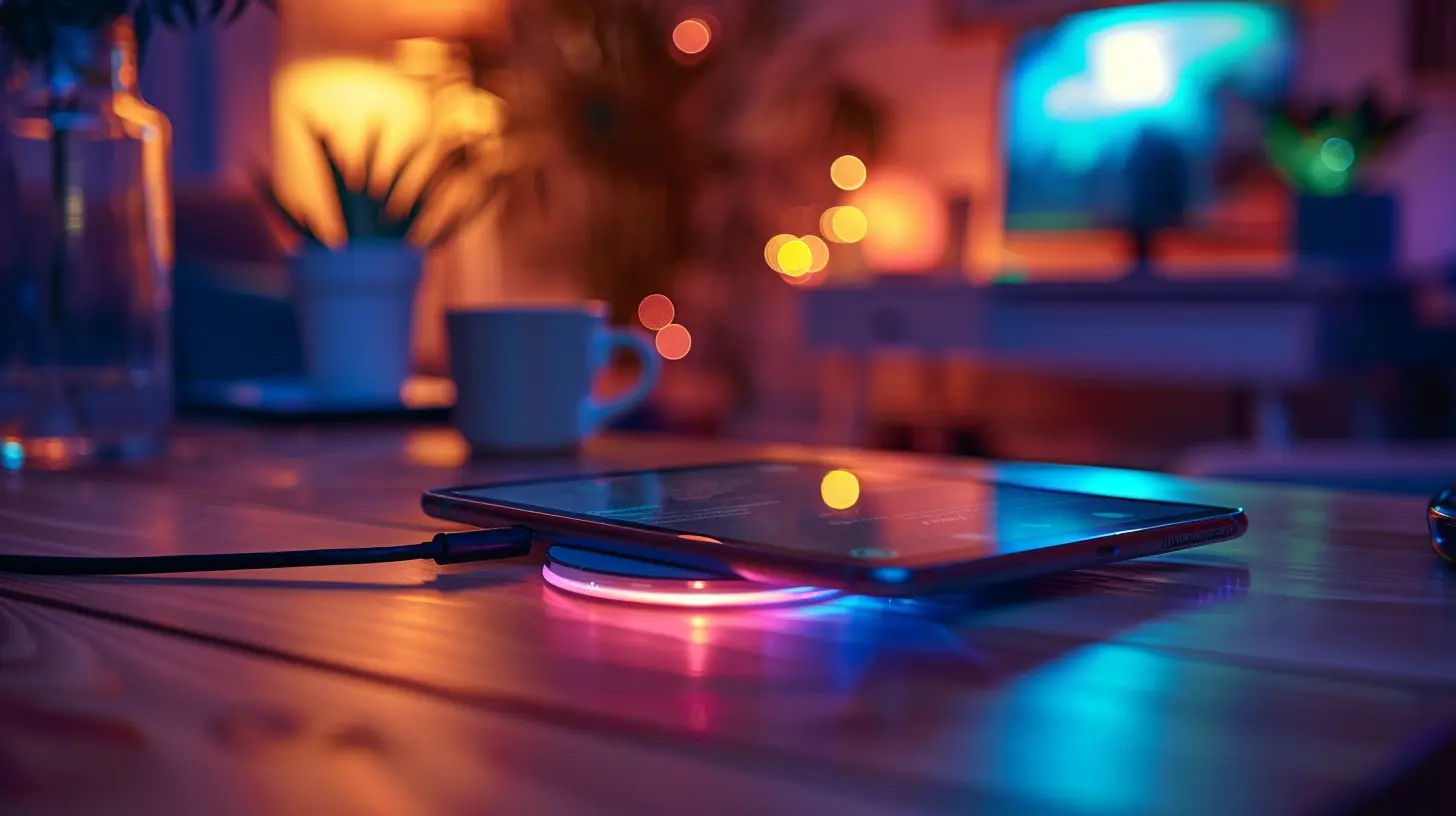
3. Wireless Charging Generates More Heat
Heat is the enemy of battery life. And guess what? Wireless charging produces more heat than wired charging.This excess heat can:
- Reduce battery longevity over time
- Make your phone feel warm to the touch
- Cause your device to slow down if it gets too hot
Why does wireless charging generate more heat?
It’s mainly due to energy loss—when electricity is transferred wirelessly, some of it is lost as heat. And if your phone isn't perfectly aligned on the charging pad, the charging coil has to work even harder, creating even more heat.
Pro tip: If you notice your phone getting too hot while wirelessly charging, take it off for a while to cool down. 
4. Battery Health Might Take a Hit
You’ve probably heard that heat is bad for batteries, and since wireless charging generates more heat, your battery’s lifespan could suffer.Most batteries have a limited number of charge cycles before they start degrading. Constant exposure to heat from wireless charging can speed up this degradation.
What’s the Best Approach?
If you want to prolong your battery life, mix it up. Use wired charging when you need a quick charge and wireless charging when convenience is more important. This helps reduce the overall heat exposure to your battery over time.5. Positioning Can Be Tricky
With a wired charger, you just plug it in, and it works—no worries. But wireless charging? It’s a bit more finicky.You need to place your phone in the exact right spot on the charging pad, or it might not charge properly. Some wireless chargers have small sweet spots, so if your phone is slightly off-center, it may:
✔️ Charge super slowly
❌ Not charge at all
⚠️ Keep disconnecting and reconnecting
This means you can’t just drop your phone on the charger and forget about it. You might have to adjust it a few times to make sure it’s charging, and let’s be honest—that’s kind of annoying.
6. Wireless Charging Doesn’t Work Through All Cases
If you’re using a thick phone case, wireless charging might be a struggle. Some cases, especially those made of metal or those extra-rugged protective cases, interfere with the charging process.What To Do?
If you love wireless charging, go for a thin, non-metallic case. Many manufacturers now label cases as “wireless charging compatible,” so check for that before you buy.7. You Can’t Use Your Phone While It’s Charging
One of the biggest downsides of wireless charging? Your phone has to stay put.With a wired charger, you can still text, scroll through Instagram, or watch YouTube while your phone is charging. But with wireless charging, your phone needs to stay in one place. If you pick it up to send a message, you interrupt the charging process.
For people who frequently use their phones while charging (guilty ?♂️), this can be a dealbreaker.
8. Not All Devices Support Wireless Charging
Let’s face it—wireless charging isn't available on every device. While most flagship smartphones from brands like Apple and Samsung support it, many budget and mid-range phones don’t have wireless charging capabilities.And don’t even think about trying to wirelessly charge your laptop or tablet—wireless charging for larger devices isn’t quite there yet.
9. Wireless Chargers Can Be Expensive
A good wireless charger isn’t cheap. While you can grab a decent wired charger for under $20, wireless chargers generally cost more—sometimes $50 or more for high-quality, fast-charging models.More Accessories, More Costs
If you want to charge multiple devices (like your phone, smartwatch, and earbuds), you’ll need a multi-device wireless charger, which costs even more. And since not all wireless chargers are built the same, you might need to experiment before you find one that works well.10. Energy Efficiency Isn’t Great
If you’re eco-conscious, this one’s important. Wireless charging is less energy-efficient than wired charging.Some studies show that wireless charging consumes about 40-50% more energy than wired charging due to energy loss in the transfer process. That’s not just bad for your electricity bill—it’s bad for the environment too.
Why So Inefficient?
The energy that doesn’t make it from the charging pad to your phone is lost as heat, making the whole process wasteful compared to a direct wired connection.Final Thoughts: Is Wireless Charging Worth It?
So, is wireless charging revolutionary? Absolutely. But is it the best charging method? Well… not always.While it's super convenient and eliminates the hassle of plugging and unplugging cables, it comes with trade-offs like slower speeds, heat generation, positioning hassles, and higher costs.
If you love the convenience and don’t mind the slower speeds, wireless charging can be great for overnight charging or at your desk. But if you’re in a hurry or need efficiency, a wired charger is still the way to go.
At the end of the day, wireless charging is improving, and it might eventually replace wired charging entirely. But for now, we’re not quite there yet.
So, what do you think? Is wireless charging a game-changer for you, or do you still reach for that trusty wired charger?
all images in this post were generated using AI tools
Category:
Wireless ChargingAuthor:

Vincent Hubbard