What Role Will Robotics Play in Education by 2027
10 May 2026
You know that moment when you're trying to teach a kid something, and their eyes just glaze over? Maybe it's algebra, maybe it's history, maybe it's the water cycle. You can see them mentally checking out, scrolling through TikTok in their head. We've all been there, right? Now imagine you plop a small, whirring robot on the desk in front of them. Suddenly, they're leaning in, asking questions, wanting to know how it works. That's the magic we're talking about here. By 2027, that magic won't be a novelty. It'll be the backbone of how we learn.
Let's be real for a second. The education system has been dragging its feet on big changes for decades. We're still using textbooks that are outdated the moment they're printed. We're still grading with red pens. But robotics? That's different. It's not just another app on a tablet. It's a physical, tangible thing that students can touch, break, fix, and program. And by 2027, it's going to shift from being a cool after-school club to a core part of the classroom. No, really.
The Robot Tutor That Never Gets Tired
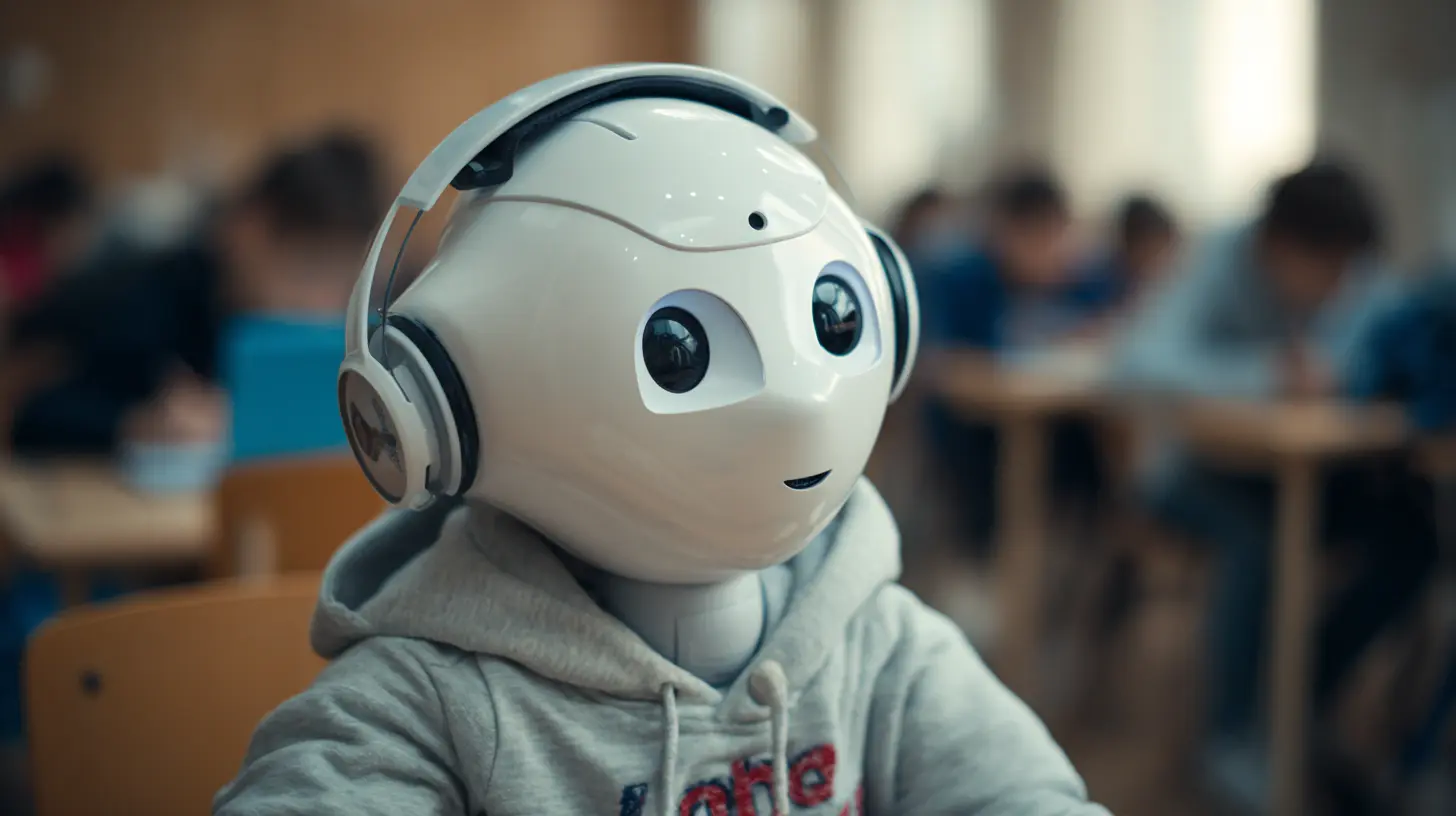
Think about your favorite teacher from school. What made them great? Probably patience, right? And the ability to explain something five different ways until it clicked. Robots by 2027 won't replace that teacher. But they'll be the ultimate assistant. Imagine a robot that can sit with a student struggling with fractions. It doesn't get frustrated. It doesn't sigh. It just tries a different approach.These aren't the clunky, scary robots from sci-fi movies. We're talking about friendly, tabletop bots that use AI to adapt to a kid's learning pace. If a student is a visual learner, the robot might draw diagrams with a laser pointer or project images on the wall. If they learn by doing, the robot will guide them through a hands-on experiment. By 2027, these robots will be affordable enough for a classroom to have a few of them, not just one for the whole school. They'll handle the repetitive drilling that teachers hate and students need, freeing up the human teacher to do what they do best: inspire.
Why Coding Class Is Getting a Robot Sidekick
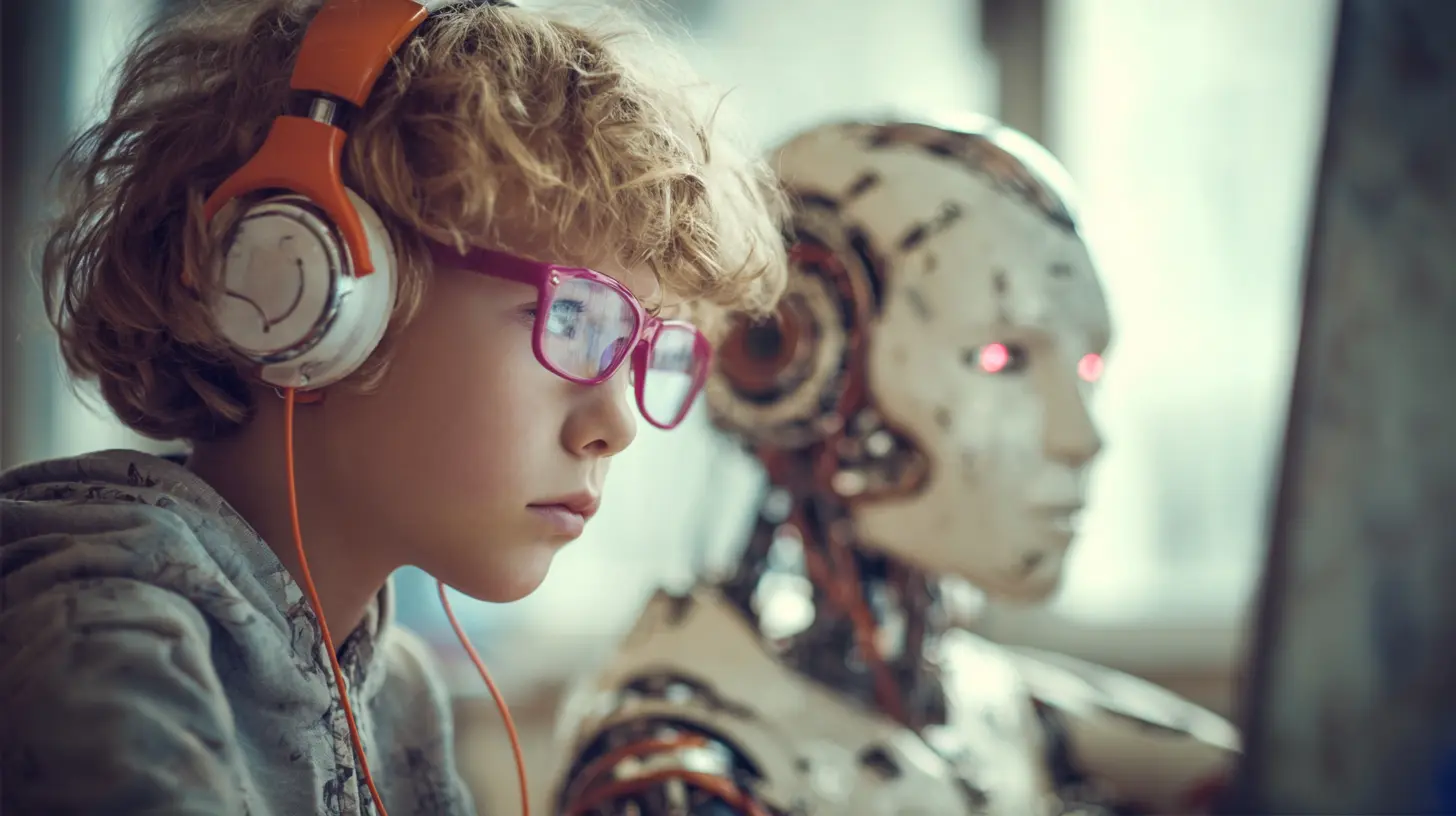
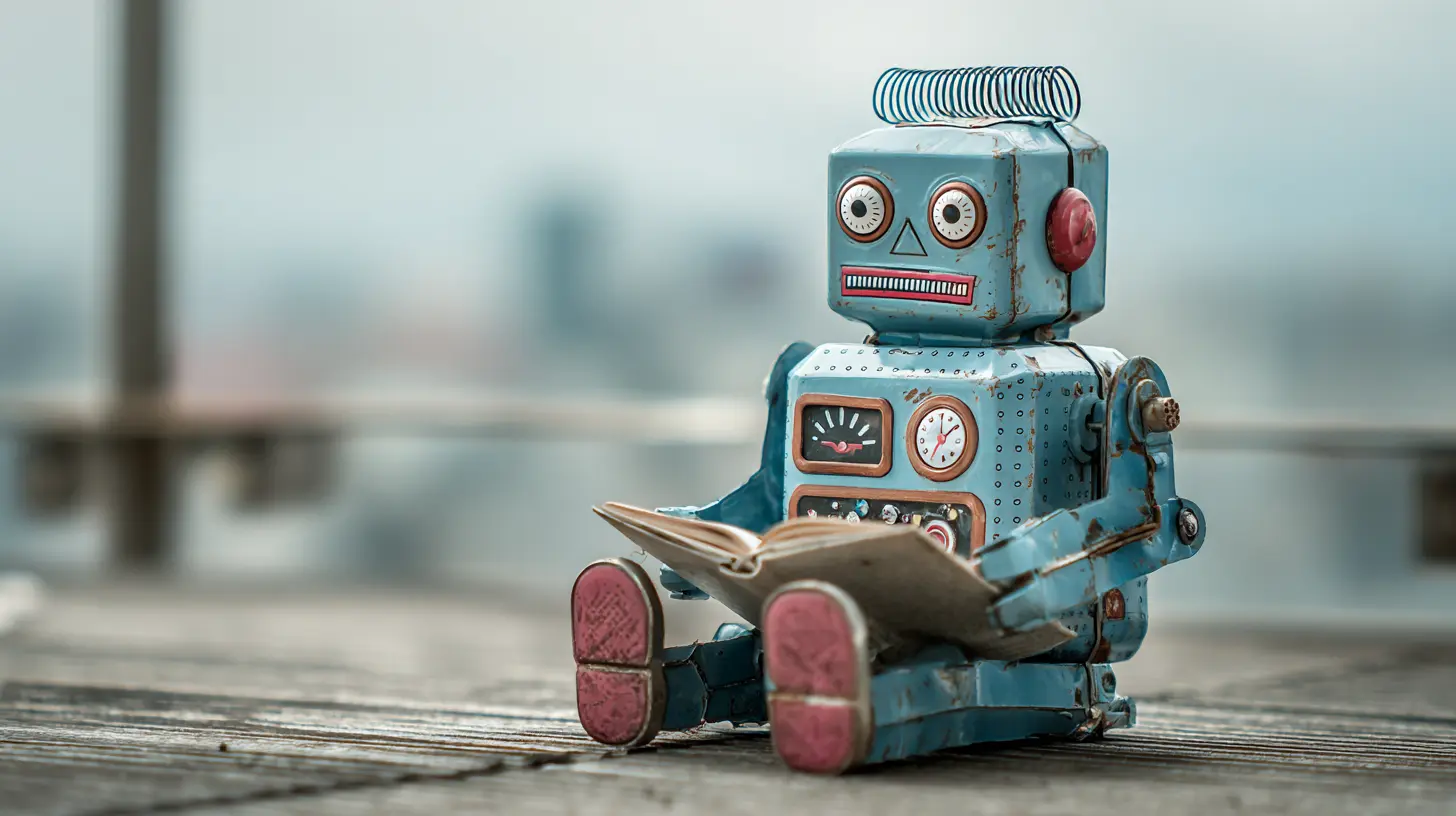
Remember when "computer class" meant typing practice and maybe some basic HTML? That's ancient history now. By 2027, coding will be as fundamental as reading and writing. And the best way to teach coding? Give it a body. You can't see a line of code do anything exciting on a screen. But when you write a simple command and a robot arm picks up a block and stacks it? That's a dopamine hit that makes learning stick.Kids are going to be programming robots to do all sorts of things in class. Not just moving blocks, but navigating mazes, sorting objects by color, or even acting out scenes from a story. For example, instead of just reading about the water cycle, a student might program a robot to carry a "water droplet" (a blue marble) through evaporation, condensation, and precipitation stations set up on a table. It's learning through play, but with a serious purpose. By 2027, the kid who struggles with abstract concepts will thrive because they can see, touch, and control the result of their logic.
Robots as Social Butterflies (Yes, Really)
Here's a twist you might not expect. Robotics in education isn't just for the STEM kids. It's for the kids who struggle to connect. There's a lot of buzz around using social robots for students with autism or social anxiety. These robots are designed to be predictable, non-judgmental, and endlessly patient. A kid who finds it hard to make eye contact with a person might find it easier to practice with a robot that has big, friendly eyes and a calm voice.By 2027, we'll see these robots in special education classrooms, helping kids practice social cues, turn-taking, and emotional regulation. The robot might ask, "How are you feeling today?" and wait for the student to point to a happy or sad face on its screen. It's a low-stakes way to build confidence. And the best part? The data from these interactions can be shared with teachers and parents to track progress in a way that's much more detailed than a subjective observation. It's not about replacing human connection. It's about building a bridge to it.
The Hands-On History Lesson
Let's talk about subjects that usually don't get the robot treatment. History. English. Art. By 2027, robotics is going to crash those parties too. Imagine a history class where students program a robot to reenact the Boston Tea Party on a small scale. Or a literature class where a robot acts out a scene from "Romeo and Juliet" with programmed movements and a speaker for dialogue. It sounds a bit silly, but that silliness is what makes it memorable.Teachers are already using simple robots to teach geometry by having them draw shapes on the floor. By 2027, that concept will explode. Students will use robots to create kinetic sculptures in art class, to measure distances in physics, and even to simulate ecosystems in biology. The robot becomes a universal tool, like a pencil or a calculator, but way more fun. The key here is that it forces students to think in three dimensions. You can't just memorize a formula. You have to apply it to a moving, breathing machine.
The Elephant in the Room: Cost and Access
Okay, let's pump the brakes for a second. I can hear you thinking, "This sounds great, but who's paying for it?" It's a valid concern. Schools are already underfunded, and buying a fleet of robots feels like a pipe dream. But here's the thing about technology: it gets cheaper. Fast. The first smartphones cost a fortune. Now you can get a decent one for a couple hundred bucks. Robotics is following the same curve.By 2027, we're going to see a massive drop in the price of educational robots. Open-source hardware and software will play a huge role. Schools won't need to buy expensive, proprietary kits. They'll be able to build their own robots using 3D-printed parts and cheap microcontrollers. There are already programs teaching kids to build robots from recycled materials. That trend will accelerate. The question won't be "Can we afford robots?" but "How do we manage the logistics of having so many of them?" It's a good problem to have.
What About the Teachers? Are They Out of a Job?
I hear this question a lot, and it makes me chuckle. Every time a new technology enters education, people panic. "The calculator will make kids forget how to do math!" "The internet will make libraries obsolete!" "AI will make teachers irrelevant!" None of that happened. What happened is that teachers adapted. They used calculators to teach higher-level concepts. They used the internet to find better resources.By 2027, the teacher's role will shift from "sage on the stage" to "guide on the side." The robot will handle the boring stuff: grading multiple-choice quizzes, tracking attendance, providing basic drill practice. The teacher will focus on the stuff that requires a human touch: mentoring, critical thinking discussions, emotional support, and creative projects. The robot is a tool, not a replacement. A hammer doesn't build a house by itself. A teacher with a robot assistant will be like a carpenter with a power drill. They'll get more done, with less burnout.
The Rise of the Student Maker
One of the coolest trends I'm seeing is the "maker movement" merging with formal education. By 2027, the line between the classroom and the workshop will blur. Students won't just learn about robotics. They'll design, build, and program their own robots from scratch. This isn't just about learning technical skills. It's about learning resilience. When your robot falls over, you don't give up. You debug. You tweak. You try again. That's a lesson that applies to everything in life.Schools will have "maker spaces" equipped with 3D printers, laser cutters, and soldering stations. Robotics will be the anchor subject that ties it all together. A student might design a robot arm in CAD software, print the parts, wire up the motors, and write the code to make it wave. By the time they're done, they've learned engineering, design, electronics, and programming. And they did it because they wanted to see their creation move. That intrinsic motivation is worth more than any test score.
Safety and Ethics: The Grown-Up Conversation
We can't talk about robots in education without addressing the scary stuff. Privacy, safety, and ethics. By 2027, every robot in a classroom will be collecting data. How fast does a student learn? What mistakes do they make most often? Where do they struggle? That data is incredibly valuable for personalizing education, but it's also a potential nightmare if it falls into the wrong hands.Schools will need strict policies. Robots won't have cameras pointed at faces unless there's a specific reason. Data will be anonymized and encrypted. Students will have control over their own learning profiles. And here's the big one: we need to teach kids about the ethics of robotics. If you program a robot to be rude, is that okay? If a robot makes a mistake, who is responsible? These are conversations that need to happen in the classroom, not just in a college ethics course. By 2027, digital citizenship will include "robot citizenship."
The Bottom Line: It's Not About the Hardware
Look, I could list a hundred more technical specs and predictions. But the real role of robotics in education by 2027 is simple. It's about engagement. It's about making learning active instead of passive. It's about giving kids a reason to care. A textbook can tell you about physics. A robot can make you feel physics. That difference is everything.We're moving toward a world where every student, regardless of background, has the chance to build, create, and experiment. The kid who hates school because it feels irrelevant will have a reason to show up. The kid who loves math will have a new way to challenge themselves. The teacher who is burning out will have a new set of tools to lighten the load.
So, will robots take over the classroom? No. But they'll make the classroom a place where curiosity is the main subject, and failure is just another step toward getting it right. By 2027, the question won't be "Should we use robots?" It'll be "How did we ever teach without them?" And honestly, I can't wait to see it.
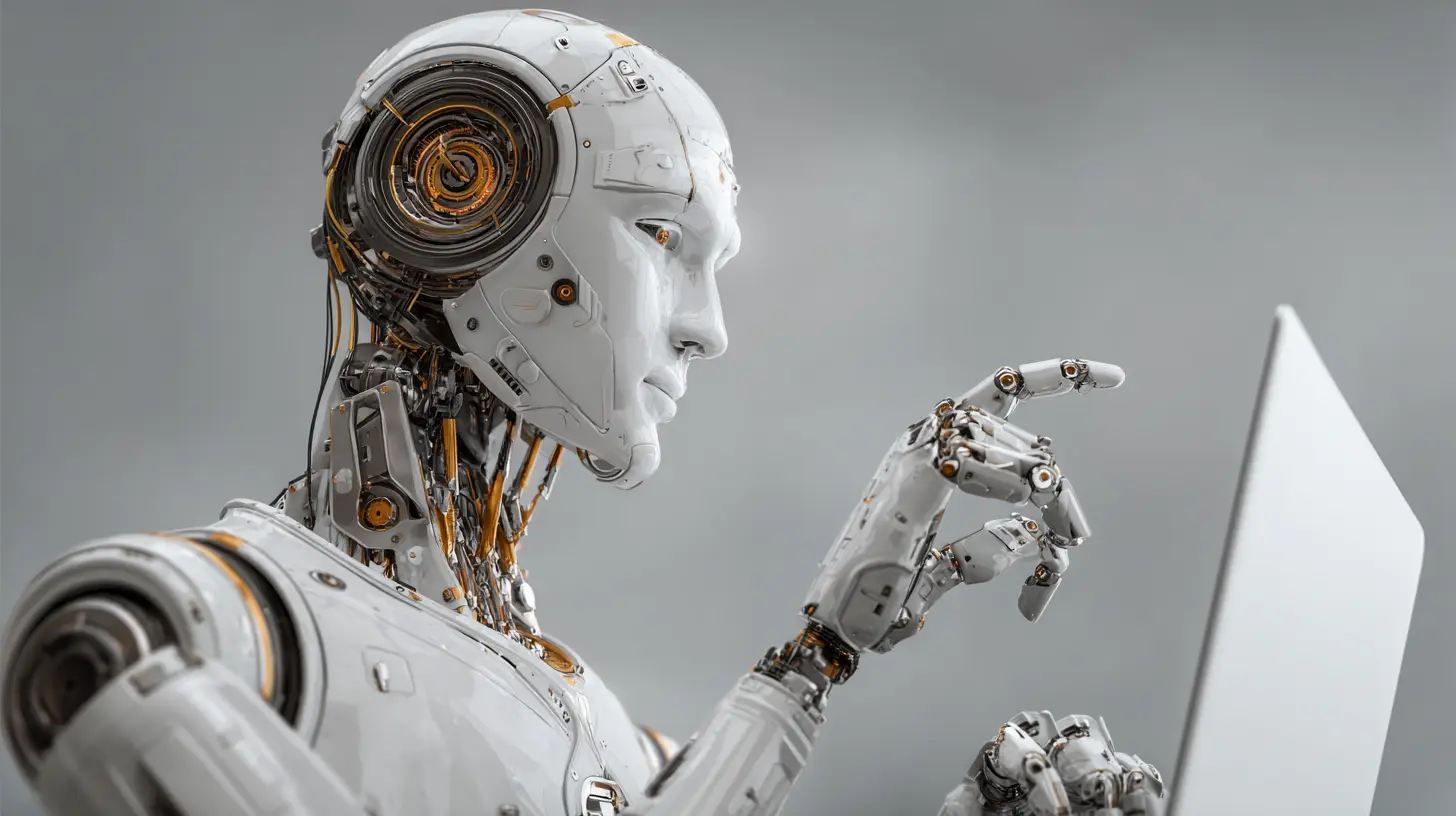
all images in this post were generated using AI tools
Category:
Tech EducationAuthor:

Vincent Hubbard
Discussion
rate this article
2 comments
Kenzie Rodriguez
This article offers valuable insights into the transformative potential of robotics in education.
June 4, 2026 at 1:01 PM
Vincent Hubbard
Thank you! I'm glad you found the insights valuable. Robotics truly has amazing potential to reshape education.
Rose Hamilton
By 2027, robotics will revolutionize education, personalizing learning and fostering critical skills. Embracing this technology is essential-it's not just an option; it's the future we cannot ignore.
May 10, 2026 at 4:39 AM
Vincent Hubbard
I agree, embracing robotics in education is key. By 2027, it will enhance learning and equip students with vital skills for the future. Let's not overlook its potential.