What’s the True Cost of Charging an EV at Home?
4 February 2026
Electric vehicles (EVs) are no longer some futuristic fantasy. They’re here, charging up silently in driveways, zipping along streets, and steadily replacing gas-guzzlers. But as more of us make the switch or consider buying an EV, a lingering question persists: _what’s the real cost of charging your EV at home_?
It's not just your electricity bill that takes a hit. There’s hardware, installation, long-term maintenance, and even some hidden fees lurking in the background. Buckle up — we’re going to uncover the true cost of plugging in at home.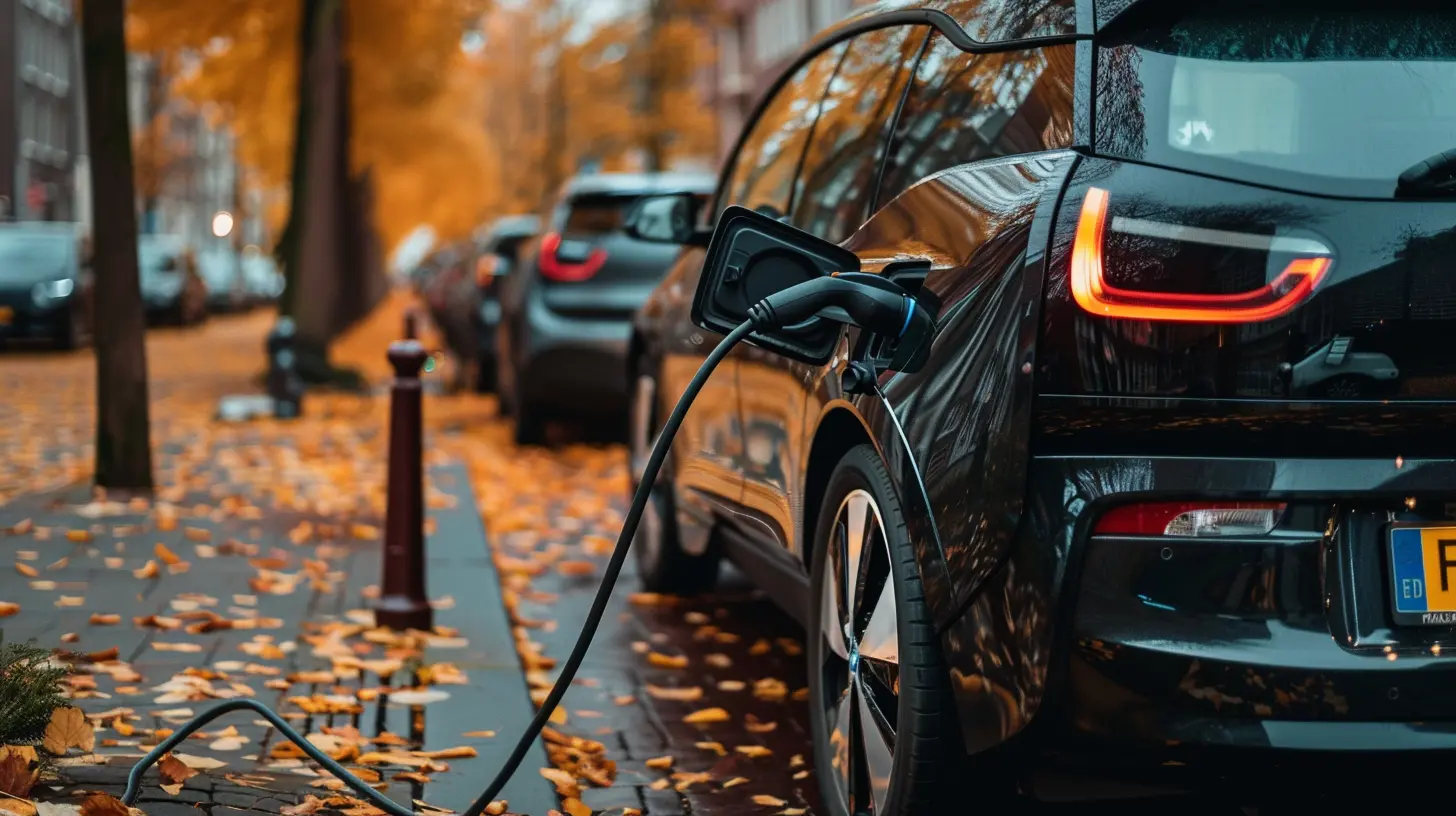
The Appeal of Home Charging
Let’s be real — the biggest flex of owning an EV is skipping the gas station. With home charging, you just park, plug in, and come back to a full battery in the morning. It’s like having your own personal gas pump, minus the smell and the oily floors.Plus, charging at home is usually cheaper than using public charging stations. But as with anything in life, it’s not entirely “free after purchase.” So how much are you actually paying for this convenience?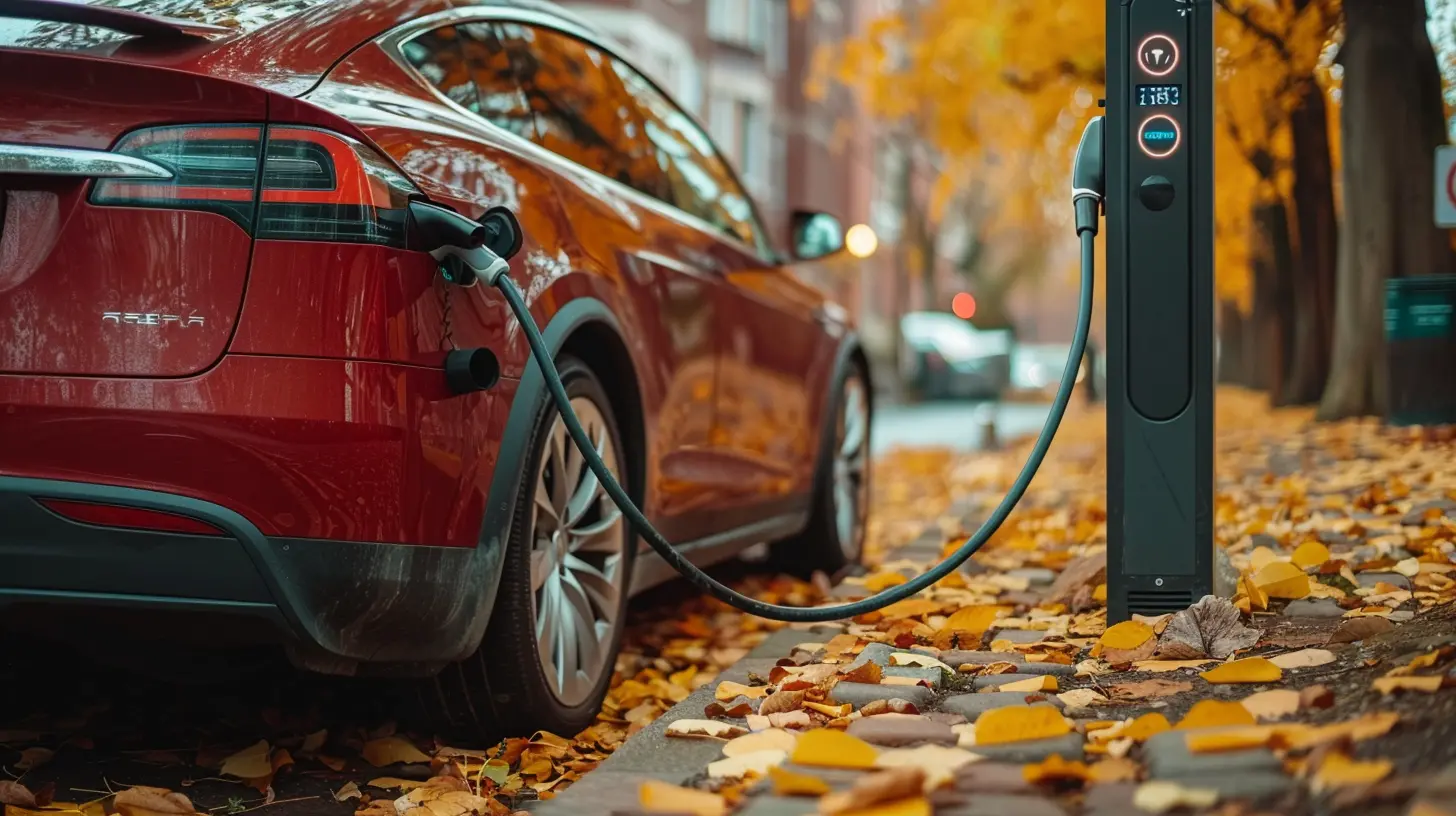
Breaking Down Home Charging Costs
To get a full picture, let’s break the total cost of home EV charging into its major components:- Cost of electricity
- Charging equipment
- Installation fees
- Maintenance and upgrades
- Time (yes, your time has value too)
Let’s dig into each one.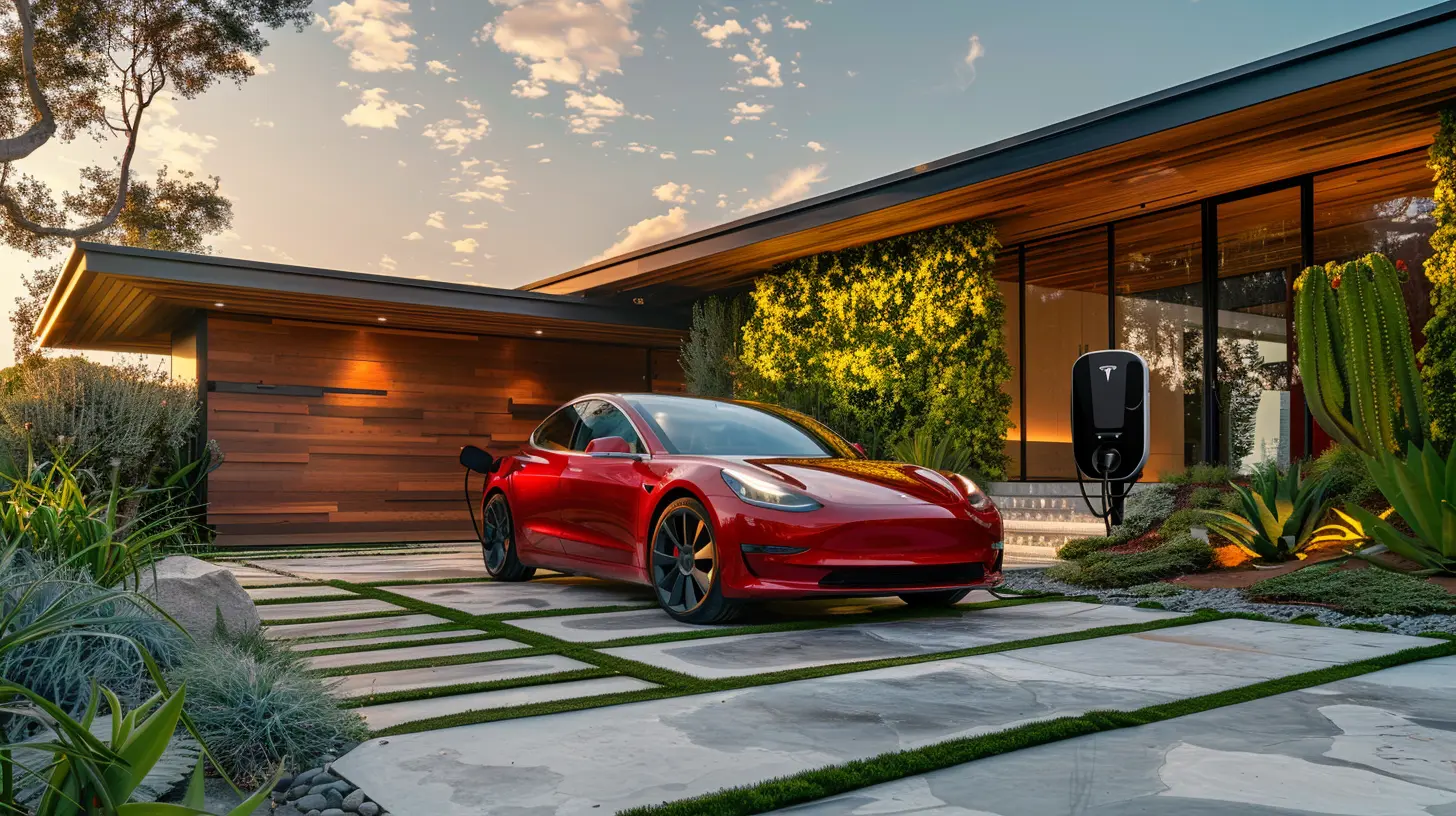
1. Cost of Electricity — Your Main Ongoing Expense
This is the most obvious and ongoing cost. Instead of paying at the pump, your fuel is coming from your wall.💡 How Much Electricity Does an EV Use?
On average, an EV consumes about 30 kWh (kilowatt-hours) per 100 miles. While this can vary based on the model, your driving style, and even the weather, it's a good baseline.So, if you drive 1,000 miles a month, that’s about 300 kWh.
⚡ What's the Cost Per kWh?
In the U.S., the national average is around $0.14 per kWh, though it can range from as low as $0.10 in some states to over $0.30 in others (looking at you, California!).Here's a quick monthly math example:
- 300 kWh x $0.14 = $42/month
- Yearly = $42 x 12 = $504/year
Now compare that to the average gasoline cost (say $3.60 a gallon with a 25 MPG car), and you're looking at $144 in gas per month for the same 1,000 miles. That’s $1,728/year in gas.
🟢 EV Charging = Cheaper Fuel, hands down. But electricity isn’t your only cost.
2. EV Charging Equipment — You Gotta Buy a Charger First
Most EVs come with a basic Level 1 charger (think: charging with a regular wall socket). But the bad news? Level 1 is slooow — like 4 miles of range per hour slow. You’d need days for a full charge.⚡ Level 2 Charger: The Real MVP
Level 2 chargers are the gold standard for home charging. They use a 240-volt outlet (like your dryer) and can fully charge most EVs overnight.💸 Price Tag?
- Equipment cost: $300–$800- Smart chargers with Wi-Fi and app controls: $700–$1,200
So, you’re looking at a ballpark of $500–$1,200 for the charger itself.
3. Installation Fees — Don’t Forget the Electrician
Buying the charger is one thing, installing it is another.You’ll likely need a certified electrician to install a Level 2 charger. The installation cost depends heavily on your home’s electrical system.
Typical Costs:
- Simple installation (newer homes, nearby panel): $300–$700- Complex installation (older homes, panel upgrade needed, trenching wires): $1,000–$3,000+
Some folks even need panel upgrades, which can easily tack on another $1,000–$2,500.
If you’re lucky, your local utility or government might offer rebates or incentives, which can ease the sting a bit.
4. Maintenance and Long-Term Costs
EV chargers are pretty low maintenance — no oil, no belts, no moving parts. But things do wear out or go wrong over time.Potential Maintenance Costs:
- Charger replacement after 8–10 years: $500–$1,000- Electrical work/fuse replacement: Varies, but generally affordable
Still, these are rare and spaced out. Compared to the constant maintenance of gas engines, EVs win again.
5. The Value of Your Time
Ever waited in line at a gas station during rush hour? With home EV charging, you can kiss that goodbye. Sure, charging takes hours — but it happens while you sleep or binge Netflix. That’s time back in your pocket.But here’s the catch: if you forget to plug in overnight, or have an unexpected long trip, you might find yourself scrambling for a fast-charger. So, while convenient, it’s a system that requires a bit of routine and planning.
Other Hidden or Overlooked Costs
📉 Your Electricity Rate Might Change
Some utility companies have Time-of-Use (TOU) rates, where electricity costs more during peak hours. Charging during the day? It could cost you 2x as much. Charging at night? You could save a bundle.🧾 Taxes or Fees
In many states, EV drivers pay extra registration fees as a way to make up for the lost gas tax revenue (yep, those exist to fund roads!). These aren't charging-related directly, but they're worth considering in your overall EV ownership costs.🏠 Home Value Impact
Interestingly, installing a Level 2 charger might increase your home value. More and more buyers are looking for EV-friendly homes. It could be a future selling point.Real-World Example: Let’s Talk Numbers
Let’s say you drive 12,000 miles/year.- Electricity: 3,600 kWh/year × $0.14 = $504
- Charger + Installation (one-time): $1,500 (split over 5 years = $300/year)
- Maintenance: Minimal
Total Yearly Charging Cost (Avg Over 5 Years):
$504 (electricity) + $300 (equipment/install) = $804/yearCompare that with $1,728/year for gas, and you’re saving $924/year.
That’s like getting a free iPhone every year just by switching fuel types.
Tips To Cut Down Charging Costs Further
Still want to save even more? Try these:1. Charge at night during off-peak hours.
2. Use solar panels if you have them (free “fuel” from the sun!).
3. Check local rebates for charger installation or TOU plans.
4. Monitor your charging habits with apps to avoid vampire loads or overcharging.
Is It Worth It?
So after all this number crunching, is charging at home worth it?Absolutely — if:
- You drive regularly and want convenience
- Your home can support Level 2 installation
- You’re okay with upfront investments for long-term savings
But if you're renting, move often, or don’t drive much? Public charging or workplace charging might be a better fit for now.
Final Thoughts
Understanding the full cost of charging your EV at home isn’t just about plugging it in and calling it a day. There’s the electricity, the hardware, the installation, and yes — a little brainpower needed to optimize your routine.But once you get into the groove, it’s arguably one of the most satisfying and cost-effective parts of owning an EV. It’s like breaking free from gas pumps and embracing a smoother, smarter way to drive.
all images in this post were generated using AI tools
Category:
Electric VehiclesAuthor:

Vincent Hubbard
Discussion
rate this article
2 comments
Xeno Warren
Charging an electric vehicle (EV) at home offers convenience and potential savings, but understanding the true cost involves considering electricity rates, charging efficiency, and vehicle usage. Home charging can be more economical than gas, yet it’s essential to evaluate individual circumstances and local energy prices.
February 19, 2026 at 5:57 AM
Vincent Hubbard
Thank you for your insights! You’re absolutely right—evaluating local electricity rates and personal usage is key to understanding the true cost of home EV charging.
Aria Wade
Charging an EV at home can save money compared to gas, but be mindful of electricity rates and potential upgrades to your home’s electrical system.
February 4, 2026 at 11:27 AM
Vincent Hubbard
Thank you for your insightful comment! It's crucial to consider both electricity rates and any necessary home upgrades when evaluating the overall savings of charging an EV at home.