Wireless Charging and Waterproof Devices: A Match Made in Heaven
26 January 2026
Let’s face it—charging your smartphone with a cable feels a bit... ancient, doesn’t it? We’re living in an age where everything moves fast and gets smarter by the day. Now, imagine pairing wireless charging with waterproof technology. It’s like peanut butter meeting jelly, Batman teaming up with Robin, or, more fittingly, tech finally catching up with our lifestyle needs.
In this article, we’ll dive deep into how wireless charging and waterproof devices are perfectly compatible, why this combo makes so much sense, how it changes the way we interact with our gadgets, and what the future might hold.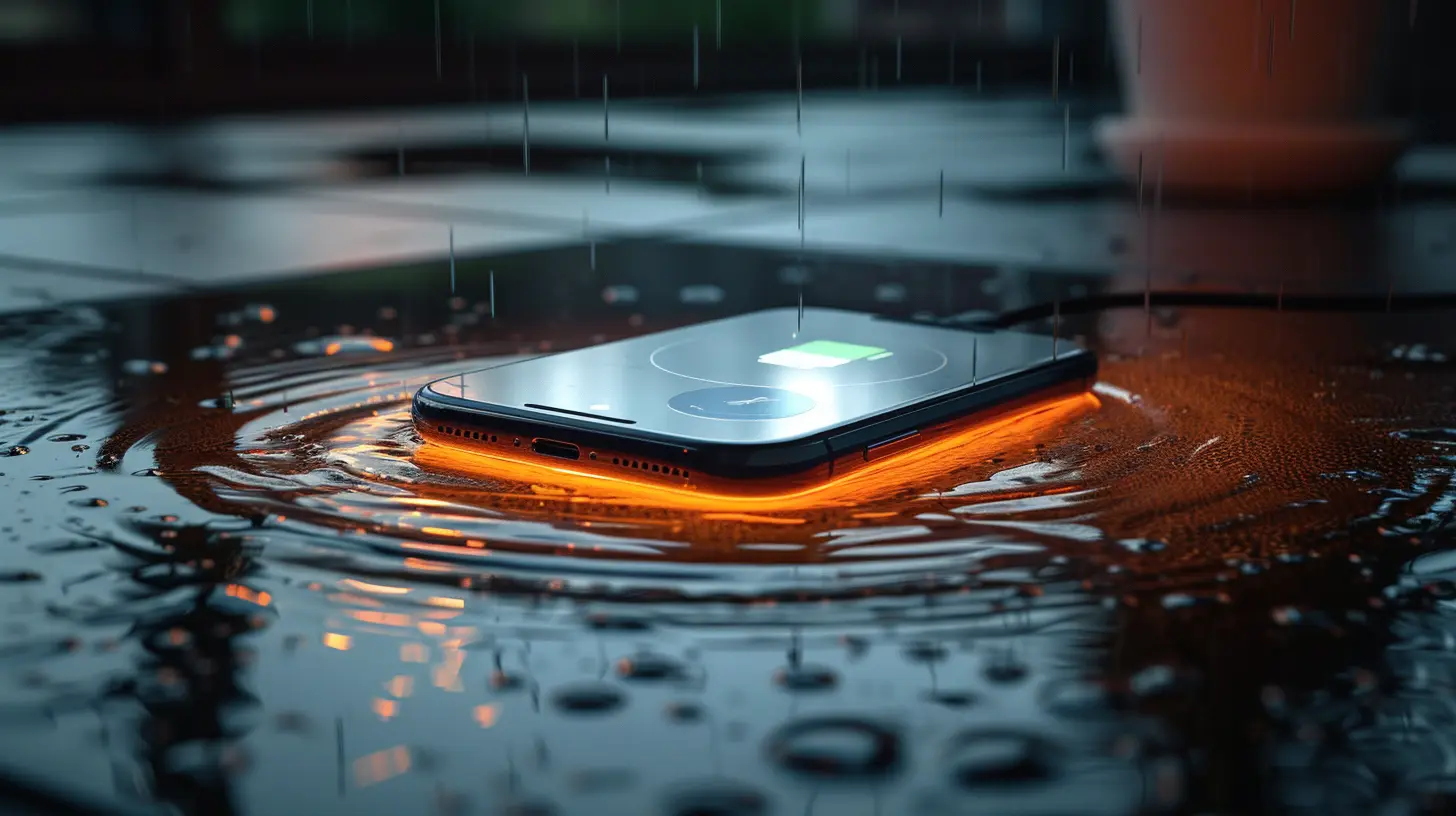
The Rise of Wireless Charging: Cutting the Cord for Good
Remember when tangled charging cables controlled your nightstand like spaghetti? Yeah, not fun. Wireless charging has come a long way in the past decade. The idea is simple—just place your device on a charging pad, and boom, it starts charging. No plugging in, no cable damage, no hassle.Most wireless charging systems today use a technology called Qi (pronounced “chee”) wireless charging, which works through electromagnetic induction. A coil inside the charging pad sends energy to a matching coil in your device. No direct contact or ports needed. It’s safe, convenient, and ridiculously easy.
Why Wireless Charging Matters Today
Here’s the thing: people are done with broken cables and dirty ports. Do you know how many charging cables I’ve tossed in the trash? Too many to count. Wireless charging:- Reduces wear and tear on your phone's charging port.
- Keeps your setup cleaner.
- Works with a variety of accessories—car mounts, desk stands, even furniture.
It’s not just a luxury anymore—it’s becoming the norm.
Waterproof Devices: Built for the Real World
Let’s talk waterproofing. We’ve all had that heart-stopping moment when our phone slips into the sink, falls into the toilet (don’t lie), or gets an unexpected rain shower. That’s where waterproof devices swoop in like superheroes.Manufacturers like Apple, Samsung, and Sony are now baking waterproofing into their flagship devices using IP (Ingress Protection) ratings. An IP68-rated phone, for example, can be submerged in 1.5 meters of water for up to 30 minutes—and still survive.
Why Waterproofing Changed the Game
Smartphones aren’t cheap. And neither are AirPods, smartwatches, or fitness trackers. Waterproofing adds a layer of durability, peace of mind, and real-world usability. You can:- Take your phone to the beach or pool.
- Use your earbuds while walking in the rain.
- Wash your smartwatch without worry.
It makes tech feel less fragile—and heck, way more “ready for anything.”
So, Why Are They a Perfect Match?
Alright, now here’s where things get exciting. Wireless charging and waterproof devices are like soulmates in the tech world. Let me break it down.1. No Ports = No Problem
Traditional charging requires a physical port. And ports are vulnerable.They collect dust. They corrode. They break. Worse yet, they’re weak points in waterproofing.
Wouldn't it be better to seal the device completely? With wireless charging, you can do just that. No need for charging ports means manufacturers can create fully sealed, waterproof devices that are more rugged and sleek.
2. Design Freedom
Without the need to design around USB ports, manufacturers can focus on cleaner, minimalist designs. Look at smartwatches. Most don’t have ports anymore. They’re sleek, durable, and waterproof—all thanks to wireless charging.And earbuds? With the rise of true wireless stereo (TWS) earphones, charging cases only need contact points. No USB ports, no water intrusion.
3. Always On, Always Charging
Think about your bedside table or your desk—wireless charging pads fit naturally there. Just drop your device and let it juice up. You never have to deal with cables again.Plus, if your device is waterproof, you don’t even need to dry it off before charging. Got caught in the rain? Toss your phone on the pad—no risk of short-circuiting or water damage.
Real-World Examples: Where The Tech Shines
Let’s bring this back to Earth for a sec. You may think, "Okay, sounds cool—but where is this actually happening?"Smartphones
Take the iPhone 13/14 or Samsung Galaxy S22/S23 Series. These phones are both IP68 rated and support Qi wireless charging. You can literally rinse them under the tap and charge them wirelessly right after.Smartwatches
Apple Watch, Galaxy Watch, Fitbit—they’re all waterproof and use magnetic or contact-based wireless chargers. No ports. Full water resistance. Zero headache.Wireless Earbuds
AirPods Pro, Pixel Buds, Galaxy Buds—all come with wireless charging cases and a decent level of water resistance. Splash-proof and sweat-resistant, they’re gym-friendly and shower-survivable (depending on your risk tolerance).Challenges and Misconceptions
Okay, it’s not all sunshine and roses. There are real challenges here too. Let’s tackle a few.1. Wireless Charging is Slower (For Now)
Yeah, wireless charging isn’t breaking any land-speed records. It’s generally slower than wired charging, especially if you’re used to fast charging via USB-C or proprietary cables.But hey—technology is catching up. We’re seeing 15W, 25W, and even 50W wireless charging technologies being tested. So it’s only a matter of time before that gap closes.
2. It Generates Heat
Wireless charging can heat up your device more than wired charging. But again, this is being addressed with smarter coils, better heat dissipation, and more efficient tech. Plus, most charging pads now come with built-in cooling systems.3. Compatibility Woes
Not all wireless chargers are created equal. Some only support certain brands or charging speeds. Always check that your pad supports Qi certification and matches your device’s spec.The Future: What’s Next for This Dynamic Duo?
This isn’t just a passing trend. This combo has serious staying power.Fully Portless Devices?
Yep—it’s not a matter of if, but when. Think about the rumors around the "portless iPhone." If Apple does it, others will follow. Without any ports, phones could be completely waterproof, dustproof, and more durable than ever before.Smart Surfaces
We're also heading into a world where wireless chargers are built into everything—desks, cars, even coffee shops. Imagine putting your water-resistant phone down on a tabletop and it just starts charging. That’s not sci-fi—it’s already happening.Universal Standards
As Qi becomes more standardized and powerful, we’ll see better cross-compatibility. One charger for your phone, earbuds, and watch? Yes, please.The Big Picture: Convenience Meets Durability
Wireless charging and waterproofing aren’t just about making your life easier—they’re about building a digital world that fits into our messy, unpredictable physical world.They make gadgets that are less fragile, more intuitive, and more in tune with how we live.
Gone are the days when electronics needed to be babied. This power couple lets you live your life—rain, sweat, coffee spills and all—without worrying about your tech.
And honestly, isn’t that the dream?
Final Thoughts
It’s pretty clear: when waterproof devices and wireless charging team up, magic happens. It’s not about gimmicks. It’s about practical, real-life convenience with a hint of futuristic flair.So next time you're shopping for a phone, earbuds, or smartwatch, ask yourself—does it support wireless charging? Is it water-resistant? Because when those two features come together, you've got tech that's truly ready for anything.
Just like peanut butter and jelly… some things are simply better together.
all images in this post were generated using AI tools
Category:
Wireless ChargingAuthor:

Vincent Hubbard
Discussion
rate this article
2 comments
Molly Mathews
Who knew technology could be such a perfect match? Wireless charging and waterproof devices are like peanut butter and jelly—together, they make life easier and way more fun! Now, splashes and battery swaps are a thing of the past!
February 13, 2026 at 12:51 PM
Vincent Hubbard
Absolutely! It's incredible how these technologies enhance our daily lives, making convenience and durability a seamless combination.
Karson Richardson
Great article! The combination of wireless charging and waterproof devices truly enhances user convenience and durability. It's exciting to see how technology continues to evolve, making our lives easier while also ensuring our gadgets can withstand everyday challenges. Looking forward to more innovations in this space!
January 26, 2026 at 4:17 AM