Wireless Charging for Electric Vehicles: The Next Frontier
2 January 2026
Electric vehicles (EVs) are becoming increasingly popular, and with that, charging technology is evolving rapidly. One of the most exciting advancements in this space is wireless charging. Imagine pulling into your driveway or a parking spot and having your car charge automatically—no need to plug in a cable. Sounds futuristic, right? Well, the future is closer than you think!
Wireless charging for EVs might just be the next big leap in the industry, offering convenience, efficiency, and widespread adoption potential. But how does it work, and is it really the game-changer people claim it to be? Let’s dive in.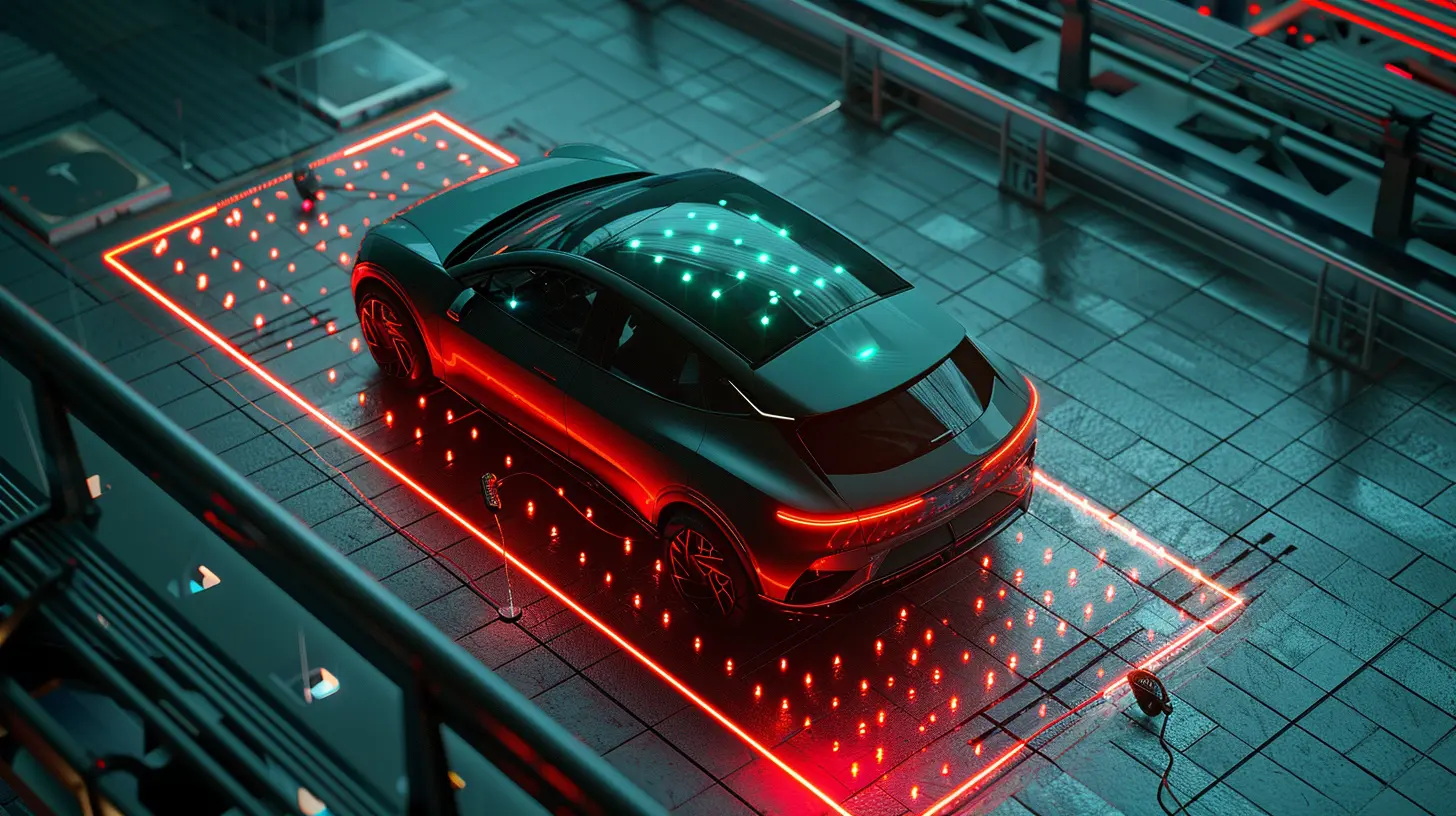
What Is Wireless Charging for EVs?
Wireless charging, also known as inductive charging, is a technology that allows electric vehicles to recharge their batteries without physically connecting to a charging station. Instead of plugging in, your vehicle receives power through an electromagnetic field created between two coils—one embedded in the ground and the other in the car.Here’s a simple way to think about it: If you’ve ever used a wireless charging pad for your smartphone, it's pretty much the same concept—just a lot bigger and more powerful.
How Does Wireless EV Charging Work?
The technology behind wireless EV charging is based on electromagnetic induction. Here’s a step-by-step breakdown of the process:1. Power Source – Electricity from the grid powers a charging pad installed beneath the surface of a driveway, garage floor, or parking space.
2. Magnetic Field Creation – The charging pad’s coil generates an alternating electromagnetic field.
3. Energy Transfer – A receiver coil inside the EV picks up this energy.
4. Battery Charging – The vehicle's system converts the energy into electricity, which then charges the battery.
This method eliminates the need for cables, making charging seamless and hassle-free.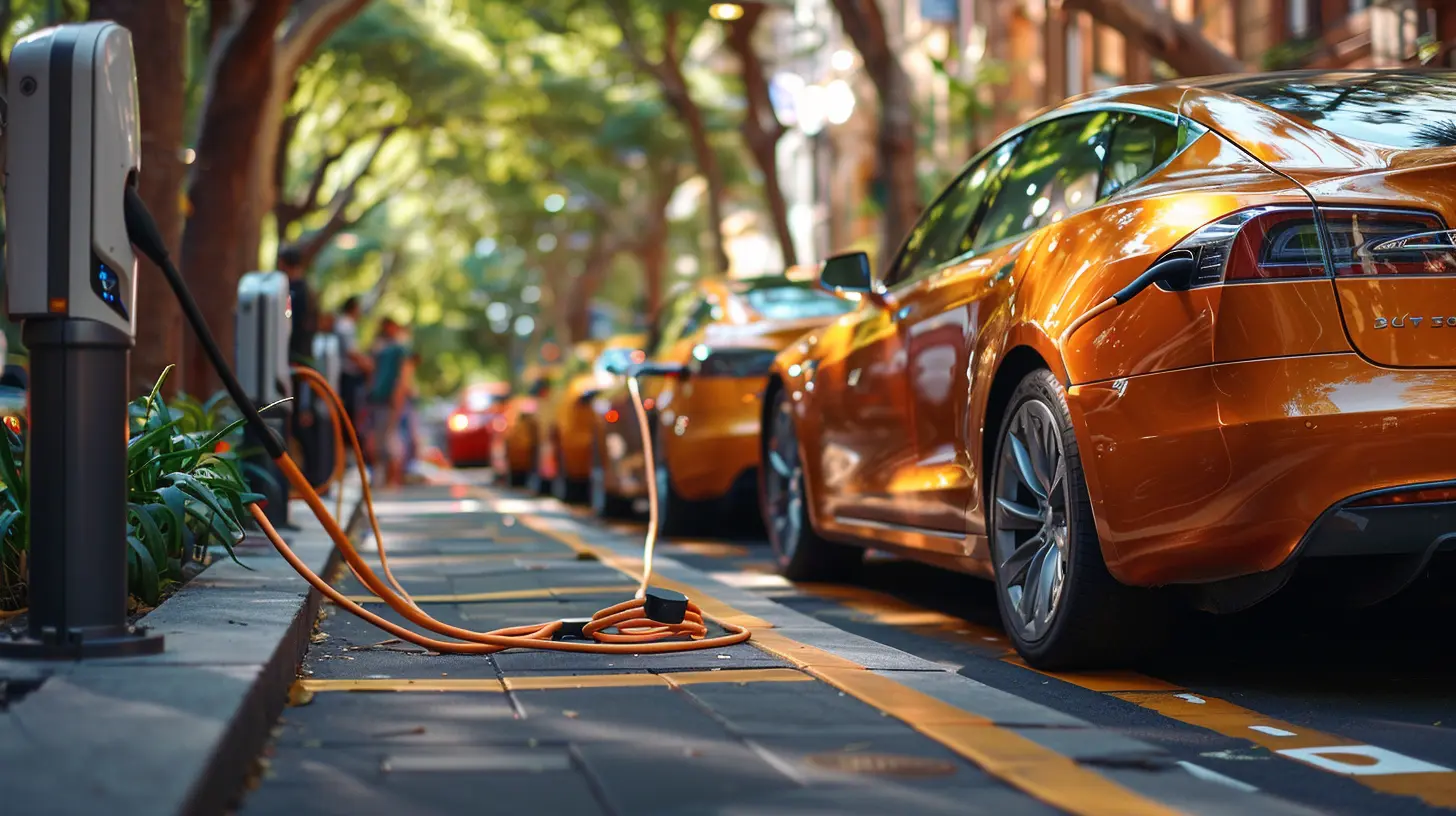
Benefits of Wireless Charging for Electric Vehicles
Switching to wireless charging offers several advantages over traditional plug-in systems. Here’s why this tech could be a game-changer for EV owners:1. Convenience & Ease of Use
No more dealing with tangled cables, trying to find a working charging station, or worrying about whether you've plugged in your car correctly. Simply park over a charging pad, and you're good to go!2. Enhanced Safety
Traditional charging cables can wear out over time or get damaged, leading to potential safety hazards such as electric shocks or short circuits. Wireless charging removes these concerns entirely since there's no physical connection involved.3. Less Wear & Tear
Think about how often people damage phone charging cables. Now imagine that on a larger scale with EVs. Wireless charging reduces wear and tear on charging ports and eliminates the need for frequent replacements.4. Weatherproof Charging
Rain, snow, or extreme heat—none of it matters. Wireless chargers work efficiently in all weather conditions since no direct electrical connections are exposed.5. Supports Autonomous Vehicles
As self-driving cars become more common, wireless charging will play a crucial role in ensuring these vehicles stay powered without human intervention.
Challenges & Limitations of Wireless EV Charging
While wireless charging has some clear advantages, it’s not perfect. Here are a few challenges currently preventing widespread adoption.1. Lower Efficiency Compared to Wired Charging
One of the biggest downsides is efficiency. Wireless charging isn’t as efficient as wired charging, meaning some energy is lost in the transfer process. This can result in slower charging times.2. High Cost
Installing wireless charging infrastructure isn't cheap. The technology is still relatively new, which means high costs for both the charging pads and the necessary modifications to EVs.3. Limited Availability
Right now, wireless charging stations are rare. Until more manufacturers and governments invest in the technology, it will remain a niche option for early adopters.4. Alignment Issues
For efficient charging, the vehicle needs to be positioned correctly over the charging pad. Misalignment can reduce charging efficiency, and cars might need additional technology to ensure precise parking.The Future of Wireless EV Charging
Despite these challenges, the future looks bright for wireless EV charging. As battery tech improves and more automakers get on board, we can expect major advancements in this space. Some future developments that could accelerate adoption include:1. Faster Charging Speeds
Right now, wireless charging is slower than traditional fast chargers. But ongoing research aims to close that gap, making wireless charging just as quick and efficient.2. Dynamic Wireless Charging
Imagine charging your vehicle while driving! Dynamic wireless charging could place charging coils beneath roads, allowing cars to charge on the go. While still in early development, this could revolutionize EV charging forever.3. Standardization Among Automakers
Right now, not all EVs support wireless charging, but industry-wide standardization would allow automakers to integrate the feature across different brands and models.4. More Public Charging Stations
As cities become more EV-friendly, more wireless charging stations will appear in commercial areas, parking lots, and highways, making it easier for drivers to charge anywhere.Should You Consider Wireless Charging for Your EV?
If you're buying an EV or already own one, you might be wondering: Is wireless charging worth it? The answer depends on your specific needs.- Do you prioritize convenience over cost? If you hate dealing with cables and want a seamless charging experience, wireless charging is a great option.
- Are you okay with slightly slower charging speeds? If fast charging is your top priority, you might want to wait until wireless tech catches up.
- Do you live in an area where wireless charging infrastructure is available? If not, installing your own charging pad might not be worth the investment just yet.
While the technology isn’t widespread yet, it's improving fast. If you plan on keeping your EV for years, wireless charging could soon become a common and affordable feature.
Final Thoughts
Wireless charging is undoubtedly one of the most exciting advancements in the EV industry. While it’s not perfect yet, the potential benefits—convenience, safety, and long-term sustainability—make it an innovation worth watching.As the world shifts towards electric mobility, charging infrastructure will need to keep up. Whether you're an EV owner or considering one, wireless charging represents the next frontier in making electric driving more effortless than ever.
Would you be interested in wireless charging for your EV? Let us know your thoughts!
all images in this post were generated using AI tools
Category:
Wireless ChargingAuthor:

Vincent Hubbard
Discussion
rate this article
2 comments
Sabina Sweeney
Wireless charging: because who doesn’t want their car to sip energy like a milkshake?
January 16, 2026 at 6:02 AM
Vincent Hubbard
Absolutely! Wireless charging makes powering up as easy as enjoying a milkshake—convenient and innovative!
Sheena Campbell
Great article! Wireless charging for electric vehicles seems like a game-changer in making EVs more convenient and accessible. It’s fascinating to see how technology continues to evolve, paving the way for a more sustainable future. Excited to see where this innovation leads us next!
January 5, 2026 at 9:17 PM
Vincent Hubbard
Thank you! I'm glad you enjoyed the article. It's indeed an exciting time for EV technology and sustainability!