Wireless Charging for Tablets: What You Should Know
21 February 2026
Ever been tangled in a mess of charging cables, wondering if your tablet is actually charging or just faking it? Yeah, we’ve all been there. The good news? Wireless charging is no longer just for your fancy new smartphone—it’s making its way to tablets too. But before you go full wireless wizard, you need to know the nitty-gritty. And I’ve got you covered.
Welcome to the not-so-boring world of wireless charging for tablets—where tech meets convenience, and cables start packing their bags.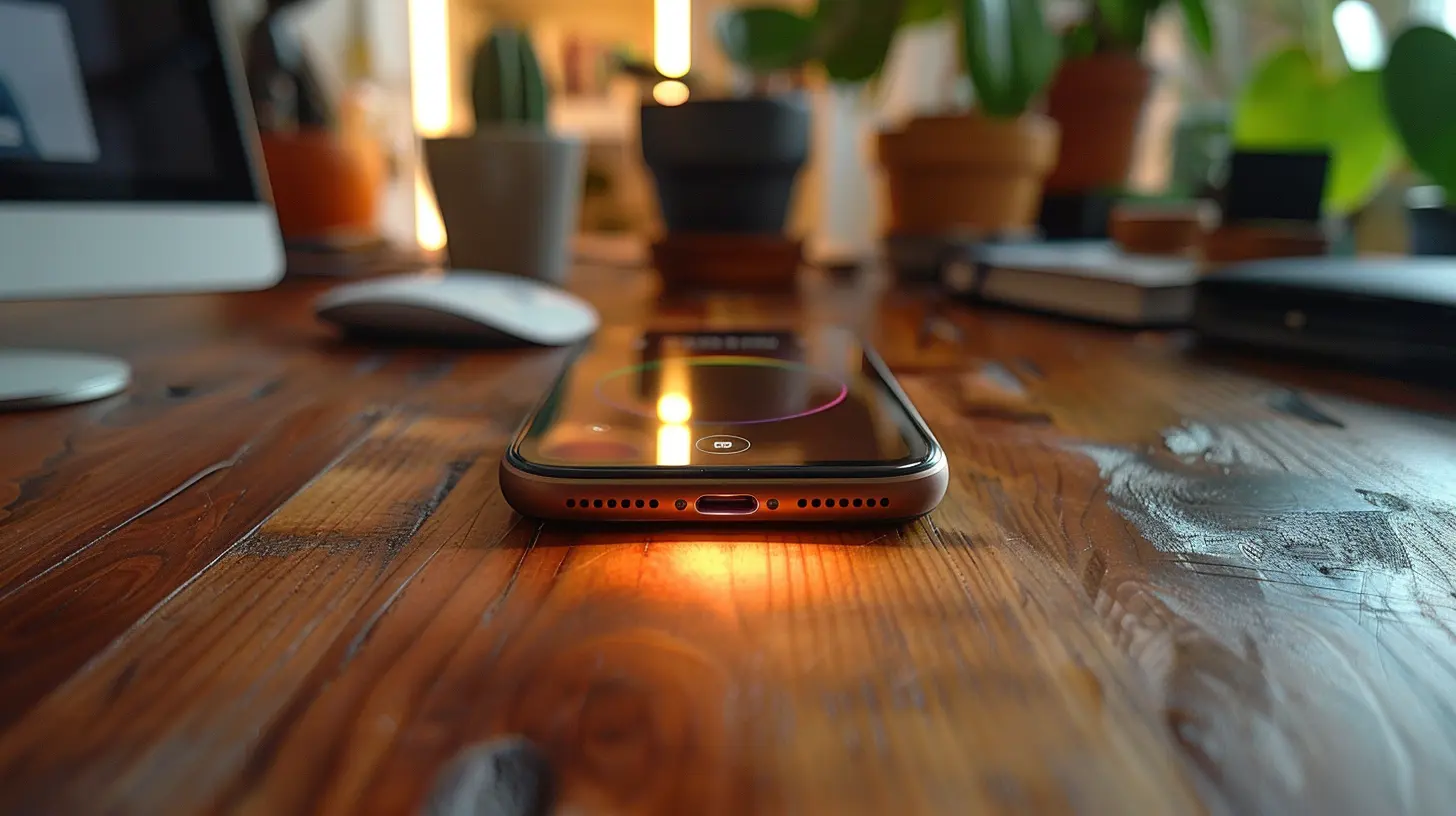
So, What Exactly Is Wireless Charging?
Let’s break it down. Wireless charging, also known as inductive charging (sounds fancy, huh?), uses electromagnetic fields to transfer power between two objects. Basically, your device and the charger have a secret handshake that lets electricity flow without a physical connection.In simpler terms? It’s like magic. You drop your tablet on a pad, and boom—it starts charging with no plugs involved. Harry Potter would be jealous.
The Tech Behind the Magic: How Does it Work?
Time for a tiny science detour. Don’t worry, you won’t need a lab coat.Wireless charging uses Qi (pronounced “chee”) technology, the industry standard for most modern wireless charging devices. Your tablet has a receiver coil inside it, and your charging pad has a transmitter coil. When the two come close, electricity flows wirelessly using magnetic fields—like a secret dance between two metal coils.
Still with me? Great. Back to the fun stuff.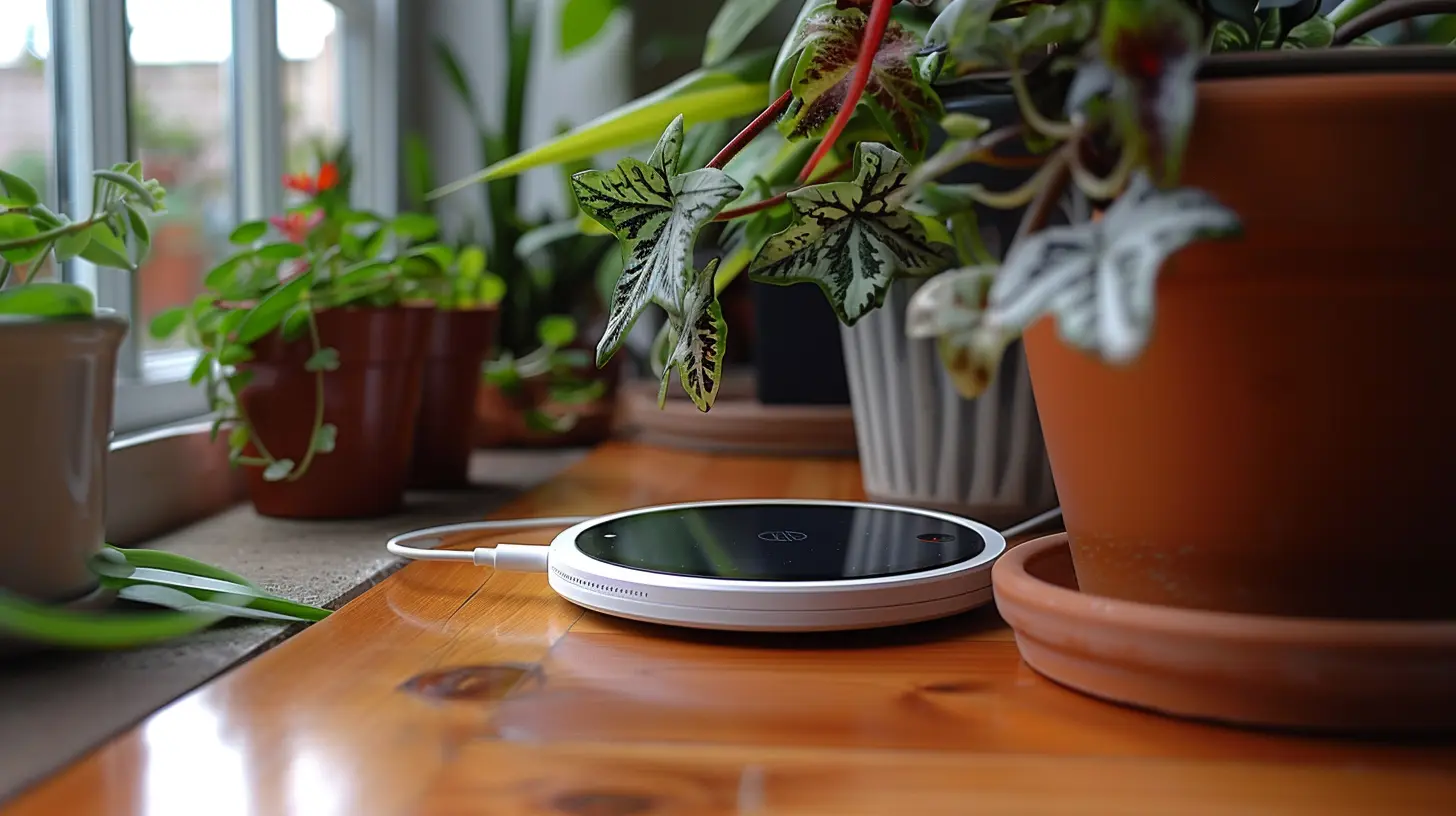
Tablets and Wireless Charging: A Match Made in Gadget Heaven?
"Okay," you might ask, "if wireless charging is so great, why isn’t every tablet doing it?"Good question. While smartphones have adopted wireless charging like it's the latest fashion trend, most tablets are still rocking the old-school wired method. But that’s changing.
Why the Delay?
Here are a few reasons tablets took longer to get into the wireless game:- Size Matters: Tablets are bigger and require more power to charge. Wireless tech had to level up first.
- Heat Issues: Charging generates heat, and with larger devices, that heat can become a problem.
- Hardware Challenges: Wireless charging components need space, and tablets already juggle a lot under the hood—processors, batteries, screens, etc.
But guess what? Tech advancements are catching up. High-powered wireless pads and smarter designs are making wireless charging for tablets more viable than ever.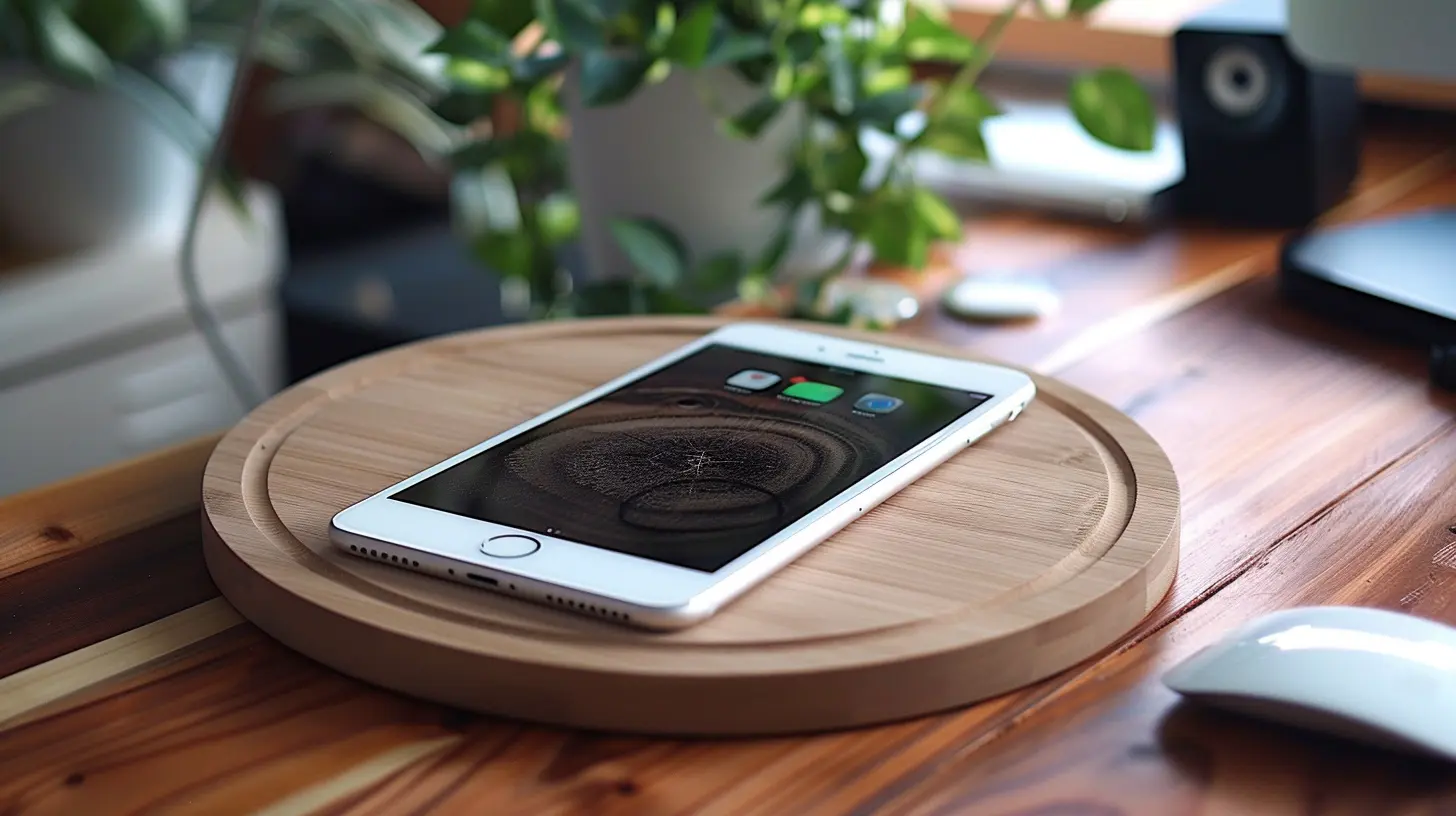
Which Tablets Currently Support Wireless Charging?
Truth bomb: Not many tablets have native wireless charging… yet. But here are a few worth noting:Tablets That Officially Support It:
- iPad (with accessories): Apple hasn't added native wireless charging (yet), but MagSafe-like wireless charging for iPads is rumored to be on the horizon. Some iPad cases add wireless charging functionality.- Samsung Galaxy Tab S series (via charging docks): Again, not strictly wireless like your phone, but some models support magnetic docks that work similarly.
DIY Wireless Charging Options:
If your tablet doesn’t support it out of the box, don’t throw it in the drawer just yet. You’ve got options:- Wireless Charging Adapters: These thin receivers plug into your device’s charging port and tuck behind a case. Not glamorous, but they work.
- Wireless Charging Cases: Slap on one of these, and you’re good to go—no surgery required.
- Magnetic Charging Stations: Think of these as wireless-ish. They use pogo pins or magnetic connectors for a cleaner, cable-free feel.
Pros and Cons: Should You Go Wireless?
Let’s play devil’s advocate. Wireless charging sounds cool, but is it actually worth it?🎉 The Good Stuff:
- No More Cable Chaos: Your nightstand stays neat. No more cable fishing at 2 AM.- Less Wear and Tear: Charging ports won’t wear out as fast. Your tablet lives longer.
- Looks Sleek: Pop your tablet on a pad, and walk away. Feels like you're living in the future.
- Easy Top-Ups: Need a quick 10% boost? Just drop it on the pad—no fumbling required.
😬 The Not-So-Great:
- Slower Charging Speeds: Wireless is typically slower than wired. Patience is a virtue, folks.- Heat Buildup: No one likes a tablet that doubles as a hand warmer (okay, maybe in winter).
- Not Universal: Not all tablets support it, and not all pads are created equal.
- Positioning Can Be Tricky: If it's off-center, your tablet might just sit there doing... nothing.
Best Wireless Chargers for Tablets (And What To Look For)
If you’re ready to jump aboard the wireless train, make sure you score the right gear.What Should You Look For?
- Power Output: Tablets need more juice. Aim for chargers offering 10W or more.- Qi-Certification: This ensures it's safe, efficient, and won’t fry your device.
- Size & Surface: Your charger should match your tablet's footprint—nobody wants a balancing act.
- Cooling Features: Look for vents or fans to prevent it from turning into a toaster.
Hot Picks on the Market:
- Anker PowerWave Pad: Great for smaller tablets or phones. Reliable and affordable.- CHOETECH Fast Wireless Charger: Offers solid power delivery and works well with adapter accessories.
- Nomad Base Station Pro: Premium option with room for multiple devices and high-end aesthetics.
- Samsung Wireless Charger Duo: Ideal if you’re in the Galaxy ecosystem. Charges a tablet and phone at once.
Can Wireless Charging Harm Your Battery? Let’s Bust The Myth
One concern people often whisper is, "Doesn't wireless charging hurt your battery?"Spoiler: Not really. At least not more than wired charging does.
Here’s the scoop—wireless charging generates more heat, which can degrade battery life over time if you're using cheap knockoff chargers. But with a reputable, Qi-certified charger, the difference is negligible.
The real battery killer? Keeping your device plugged in 24/7. So whether you’re wired or wireless, don’t hover at 100% all day long.
The Future of Wireless Charging for Tablets
Fast-forward a few years, and wireless charging for tablets might just be the new normal. Here are some spicy rumors and innovations to keep an eye on:Over-the-Air Charging
Yes, we’re talking about charging your tablet just by walking into a room. Companies like Xiaomi and Ossia are already prototype-testing this tech. It’s not mainstream yet, but the Jetsons would be proud.Smart Desks and Furniture
Imagine placing your tablet on your desk, and it charges—no pad required. IKEA and other big names are building wireless charging tech into desks, nightstands, and more. Your furniture might get smarter than your tablet.Reverse Wireless Charging
Phones like the Galaxy S23 can already charge wearables or earbuds wirelessly. Will future tablets let you charge your phone by stacking it on top? It’s possible!Should You Ditch the Cable?
Short answer? Not just yet.Wireless charging for tablets is cool, convenient, and slowly catching on. But until the tech gets even better, there are a few trade-offs—mostly in speed and compatibility.
So here's the verdict:
- If you’re all about convenience and have the right gear? Go for it.
- If you’re a power user who needs speed and reliability? Keep your trusty cable handy—for now.
Either way, wireless charging is the future. You might as well dip your toes in before the current pulls you in completely.
Final Thoughts: A World Without Wires? Almost.
We’re getting closer to cutting the cord completely, and tablets are inching their way into the wireless ecosystem. While the tech isn’t perfect yet, the days of tripping over tablet charging cords may soon be behind us.So go ahead—embrace the magic, just be sure your tablet’s invited to the party.
all images in this post were generated using AI tools
Category:
Wireless ChargingAuthor:

Vincent Hubbard
Discussion
rate this article
2 comments
Linnea Hughes
Wireless charging technology for tablets offers convenience and reduces cable clutter, but users should consider factors such as charging speed, compatibility, and the potential for heat generation. Understanding these aspects can enhance user experience and ensure optimal performance from your wireless charging setup.
March 5, 2026 at 12:45 PM
Vincent Hubbard
Thank you for your insights! You've highlighted important aspects of wireless charging that every tablet user should consider for a better experience.
Isadora Underwood
Is wireless charging the future or just a fleeting trend? Uncover the hidden potential and pitfalls of this intriguing technology.
February 25, 2026 at 4:47 AM
Vincent Hubbard
Wireless charging shows promise for convenience and ease of use, but concerns like slower charging speeds and compatibility issues may hinder widespread adoption. It's a technology to watch, but its future depends on overcoming these challenges.