Protein-tagging technology maps a hidden communication network between organs
June 23, 2026 - 08:14
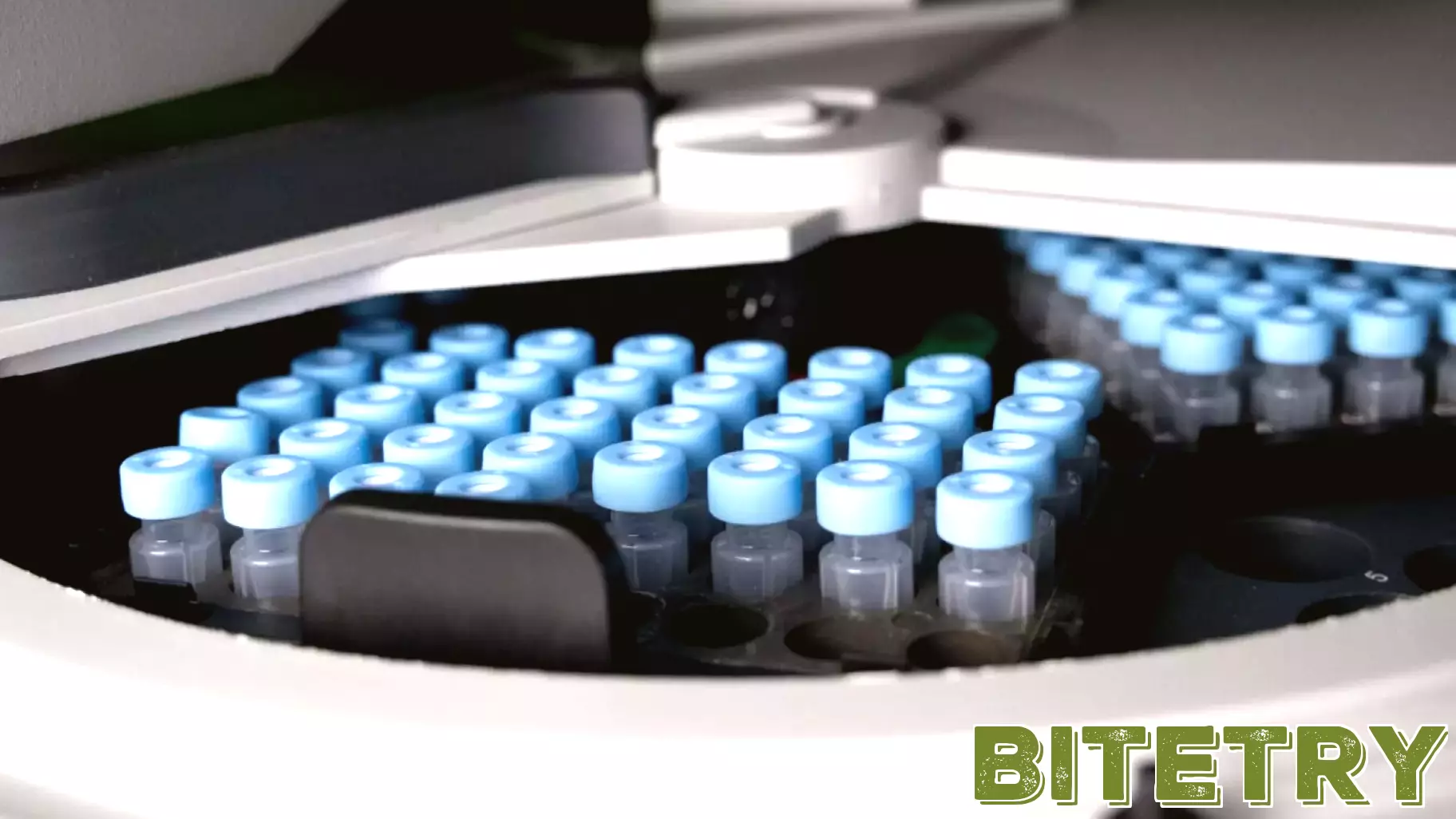
Scientists have developed a breakthrough technique that tracks how proteins travel between organs, exposing a hidden communication network that keeps the body running. The new method, called "protein tagging," allows researchers to label proteins in one organ and watch where they go next, revealing messages sent from fat tissue to the liver, from muscles to the brain, and from immune cells to distant sites of injury.
For years, biologists knew that organs talked to each other, but the actual messages were hard to catch. Proteins are the main couriers, carrying instructions like "store fat" or "fight infection." But tracing a single protein from its source to its destination was nearly impossible with older tools. The new tagging system solves this by attaching a unique chemical marker to proteins inside a specific organ, like a zip code sticker. When those proteins show up elsewhere in the body, a simple test detects them.
In early experiments, the team mapped how fat tissue sends signals to the liver to adjust energy storage, and how immune cells release proteins that travel to the bone marrow to trigger new white blood cell production. The technique also caught unexpected messages: proteins from the gut that ended up in the heart, and signals from muscle that reached the pancreas.
This hidden network may explain why diseases in one organ often affect others. For example, chronic inflammation in fat tissue can send damaging signals to the liver, contributing to fatty liver disease. The new method could help doctors spot these rogue messages early and block them with targeted drugs.
Researchers say the technology is still in its early stages, but it opens a new window into how the body coordinates itself. Instead of treating organs as separate parts, medicine may soon view the whole body as a single, constantly chatting system.
MORE NEWS
August 7, 2026 - 08:13
UAH research advances “plasma gun” technology that could transform space laundry and sanitation for future missionsThink about living in a college dorm room with no way to wash your clothes or clean your sheets for months. That is the reality astronauts face on long missions to the moon or Mars. The University...
August 6, 2026 - 17:38
Microchip Technology Announces Financial Results for First Quarter of Fiscal Year 2027Microchip Technology has posted its financial results for the first quarter of fiscal year 2027, showing a significant rebound in demand across its product lines. The company reported net sales of...

August 6, 2026 - 04:44
Four Top Google A.I. Researchers Form New Start-UpJeff Dean, a name long synonymous with Google`s technical dominance, is stepping into a new chapter. The veteran engineer, who spent over two decades shaping the company`s core infrastructure and...
August 5, 2026 - 10:40
New mobile computer lab aims to provide technology, internet access across Central FloridaAs families across Central Florida prepare for the new school year, a new initiative is hitting the road to close the digital divide. Heart of Florida United Way has launched a mobile computer lab...