Are Wireless Chargers Safe for Your Devices?
29 June 2026
Wireless charging—so sleek, so futuristic, so… convenient! But hold up. As much as we love the idea of tossing our phones onto a pad and watching them juice up without that annoying cable tango, there’s a nagging question: Are wireless chargers actually safe for our devices?
If you've ever worried about overheating, battery damage, or even long-term device health, you're not alone. Let’s dive deep and separate the facts from the myths—because nobody wants to fry their beloved smartphone.
How Does Wireless Charging Even Work?
Before we get into safety concerns, let's break down how this wireless magic actually happens.Wireless charging uses a technology called Qi (pronounced "chee") induction charging. It works by transferring energy between two coils—one in the charging pad and one in your device. When these coils line up, an electromagnetic field is created, which then transfers power to your phone’s battery.
Sounds fancy, right? But what does that mean for your device’s long-term health? Well, let’s get into the good, the bad, and the potentially ugly.
The Good: Why Wireless Charging Rocks
Before we terrify you with safety concerns, let's give wireless charging some credit where it's due.1. No More Broken Cables
Raise your hand if you've ever had a charging cable die on you. Yeah, we all have. With wireless charging, there's no physical connection that wears out, meaning no more frayed wires, bent connectors, or janky charging ports.2. Convenient AF
Just place your phone down, and boom—charging. No fumbling in the dark, no plugging and unplugging. It’s like magic, and we love it.3. Less Port Damage
Since there’s no need to constantly plug and unplug a cable, your phone’s charging port stays in better shape for longer. This means fewer problems in the long run, especially if you’re someone who’s constantly charging throughout the day.
The Bad: What’s the Catch?
Of course, nothing is perfect. Wireless charging does come with a few drawbacks that might make you pause before tossing out your cable.1. Heat Generation—Is Your Phone Cooking?
One of the biggest concerns you’ll hear about wireless charging is heat. And yep, the rumors are true—wireless charging does generate more heat than traditional wired charging.Why? Well, wireless charging isn’t 100% efficient. Some energy is lost in the conversion process, and that excess energy turns into heat. Over time, excessive heat can impact your battery health, leading to faster battery degradation.
BUT—before you panic—most modern wireless chargers come with built-in safety mechanisms to control temperature, so unless you’re using a cheap knockoff, your phone isn’t likely to melt into a puddle.
2. Slower Charging Speeds
If you’ve ever felt like your wireless charger is charging at a snail’s pace, you're not imagining things. Wireless charging is typically slower than wired charging—especially if you’re using a basic 5W or 10W charger.While some higher-end models can compete with fast-charging cables, wired charging still wins when you need a quick boost before running out the door.
3. Not as Energy Efficient
Think wireless charging is better for the environment? Not so fast. Because it’s less efficient (due to energy loss), it actually consumes more power over time compared to wired charging. If you’re an energy-conscious user, this might be a deal-breaker.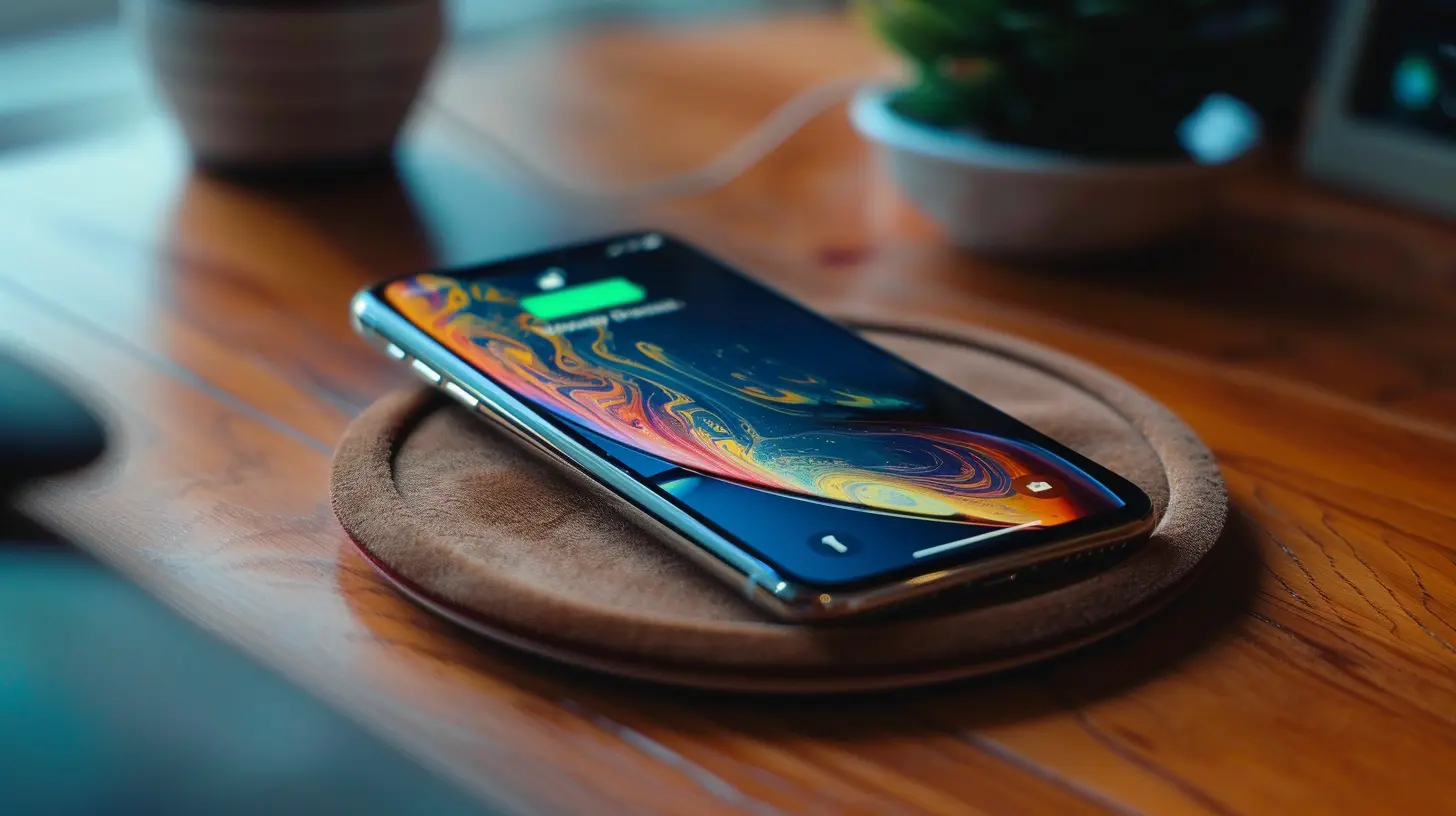
The Ugly: Can It Damage Your Battery?
Alright, let’s address the scary question:Can wireless charging ruin your battery?
Well, not exactly—but there’s a bit of truth to the concern.
1. Frequent Partial Charging
Unlike wired charging, where you typically plug in when your battery gets low, wireless charging tempts you to top-up your phone more frequently—like every time you set it down.And guess what? Constant small charges can wear down lithium-ion batteries faster than a traditional draining-and-recharging cycle.
2. Misalignment Woes
For wireless charging to work efficiently, the coils in your device need to align properly with the charger. If they’re off even a little, your phone may charge unevenly, generate more heat, or stop charging completely without you realizing it.3. Cheap Wireless Chargers = BIG NOPE
Using low-quality, uncertified wireless chargers is one of the biggest risks to your device. Cheap chargers often lack proper heat and voltage management, which could overheat your device, shorten battery life, or even cause electrical damage.Stick to chargers from reputable brands (like Anker, Belkin, or official Apple and Samsung chargers) to avoid these risks.
Wireless Charging vs. Wired Charging: Which One Should You Use?
The truth? Both have their pros and cons. Here’s a quick breakdown:| Feature | Wired Charging | Wireless Charging |
|---------|---------------|------------------|
| Speed | Faster | Slower |
| Convenience | Slight hassle with cables | Super convenient |
| Heat Production | Less heat | More heat |
| Battery Health | More controlled charging cycles | Risk of frequent small charges |
| Port Wear | Higher risk of port damage | No wear on ports |
| Energy Efficiency | More efficient | Less efficient |
So, if you need a quick charge, wired is still king. But for casual, convenient charging, wireless is a game changer—as long as you're mindful of the potential downsides.
So, Are Wireless Chargers Safe?
Here’s the bottom line: YES, wireless chargers are generally safe—but there are some things you need to keep in mind:✅ Use high-quality, certified chargers to avoid overheating and electrical risks.
✅ Avoid cheap, unbranded options—your phone’s safety isn’t worth a few bucks.
✅ Don’t charge overnight if you’re using a low-quality charger (high-quality ones have built-in safeguards).
✅ Be mindful of heat buildup—if your phone feels too hot, give it a break.
✅ Don’t overcharge unnecessarily—wireless or not, keeping your phone between 20%-80% battery is ideal for long-term health.
Final Verdict: Should You Use Wireless Charging?
If you love convenience and minimal wear and tear on your phone’s ports, wireless charging is a fantastic option. Just be smart about it—buy quality chargers, avoid excessive heat, and don’t rely on it 24/7.If battery longevity and efficiency matter most to you, wired charging is still the winner.
At the end of the day, choosing between wired and wireless charging is all about finding a balance that works for your needs. Just like with anything in tech—use it wisely, and you’ll be just fine.
all images in this post were generated using AI tools
Category:
Wireless ChargingAuthor:

Vincent Hubbard
Discussion
rate this article
1 comments
Callisto McAllister
I used to be cautious about wireless chargers, but I've found them super convenient. They do tend to run a bit warmer than wired options, but as long as you invest in a reputable brand, I think they are safe. Plus, no more fumbling with cables... it's a game changer!
July 2, 2026 at 11:56 AM
Vincent Hubbard
I totally agree! The convenience of wireless chargers is hard to beat, and choosing a trusted brand makes a big difference in safety. No more dealing with tangled cords is definitely a win.