Can Wireless Charging Work Through Walls? Exploring the Possibilities
4 August 2026
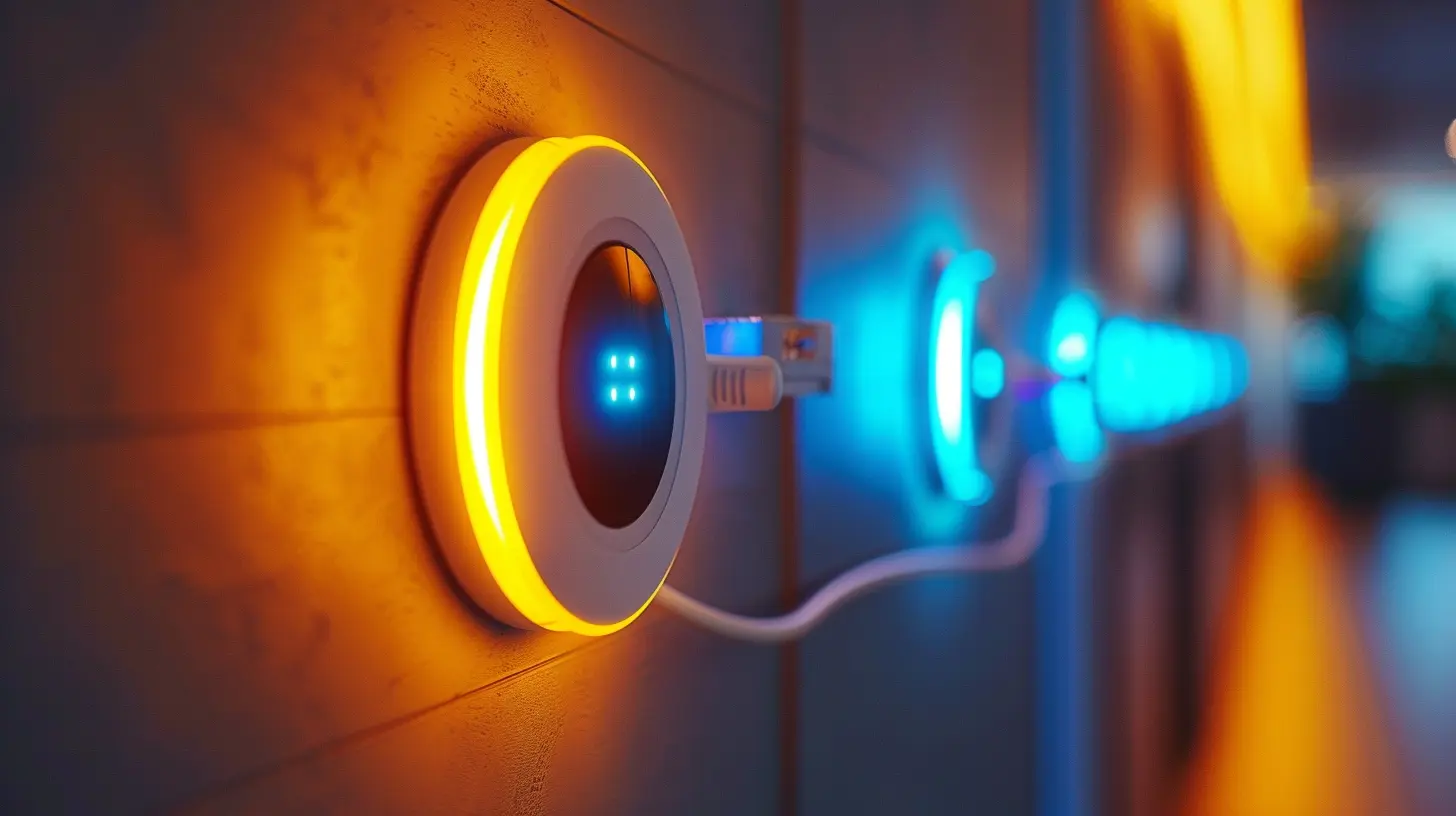
Wireless charging – it's the future, right? I mean, who wouldn’t want to ditch all those messy cables and just have their devices charge effortlessly, no matter where they are? We’re already familiar with placing our phones on wireless charging pads, but what if we could take this a step further? What if wireless charging could work through walls? Imagine walking around your house, and your phone, smartwatch, or even laptop is charging without you even thinking about it. Sounds pretty cool, right? But is it even possible? Let's dive into the concept and explore the possibilities of wireless charging through walls.
Understanding Wireless Charging: A Quick Refresher
Before we jump to the idea of charging through walls, let’s quickly recap how wireless charging works today. In its most common form, wireless charging uses inductive charging. This involves generating a magnetic field between a charging pad (or station) and a device equipped with a receiver coil.In simple terms, the charger creates a magnetic field, and when your device is placed on it, the receiver coil in the device converts that magnetic field into electrical energy, which charges the battery. This technology is known as Qi charging and is used by most modern smartphones, smartwatches, and even some earbuds.
Limitations of Current Wireless Charging
While it's convenient, current wireless charging has its limitations. First off, it's very proximity-dependent. You need to place your device right on the charging pad, and even then, the efficiency can drop if the alignment isn't perfect. The charging distance is typically only a few millimeters to a couple of centimeters. This brings us to the question: could we extend this range to work through walls?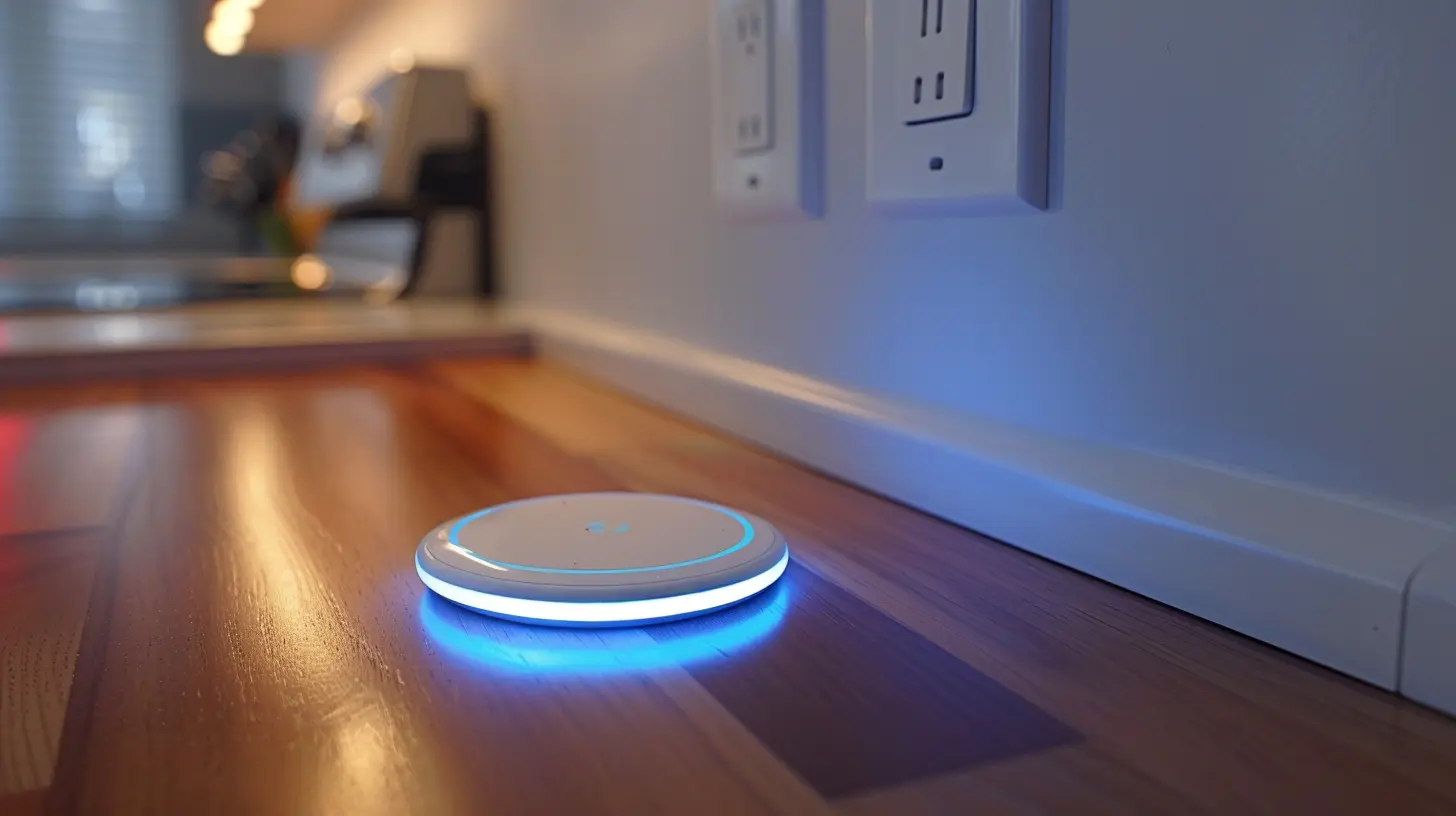
Exploring the Science: Is Wireless Charging Through Walls Possible?
The idea of wireless charging through walls is like the holy grail of charging technology. Currently, the technology we use relies on short-range magnetic fields. But extending that range to go through a solid wall isn't as simple as just boosting the power.The Physics Behind It
To understand the challenges, we need to talk a bit about physics (don’t worry, we’ll keep it simple). Wireless charging depends on electromagnetic fields, and these fields lose strength as they travel through space. This phenomenon is known as the inverse square law, where the strength of the electromagnetic field decreases exponentially as the distance increases.Now, imagine trying to send that electromagnetic field not just through air, but through a solid wall. That wall could be made of materials like wood, brick, or concrete, all of which can absorb or deflect the electromagnetic waves, reducing their strength even further. The wall essentially acts as a barrier, making it incredibly hard for the energy to reach the device on the other side.
But that’s not to say it’s impossible.
Breaking Down the Barriers: Technologies That Could Make It Happen
While current inductive charging systems are limited to short-range, there are emerging technologies that could potentially enable wireless charging to work through walls. Some of these include resonant inductive coupling, radio frequency (RF) power transfer, and laser-based charging. Let’s take a look at each of these.1. Resonant Inductive Coupling
Resonant inductive coupling works similarly to standard inductive charging, but with a key difference: it uses resonant frequencies to extend the range of energy transfer. Essentially, both the transmitter (the charger) and the receiver (your device) are tuned to resonate at the same frequency.Think of it like two tuning forks. If you strike one, the other vibrates at the same frequency, even if they’re a little distance apart. This allows for energy transfer over a larger distance, though it’s still limited to a few meters. While this technology is promising, it’s still not enough to power your phone through thick walls.
2. Radio Frequency (RF) Power Transfer
RF charging is a bit more futuristic. It involves sending power through radio waves, which can travel much farther than magnetic fields. In theory, RF waves could travel through walls, charging devices in different rooms.However, there’s a huge catch – energy efficiency. Transmitting power through RF waves leads to significant losses in energy, meaning a lot of the power would be wasted before it even reaches your device. Additionally, RF energy strong enough to charge devices would have to comply with strict safety regulations, as high levels of RF exposure could be harmful to humans.
3. Laser-Based Charging
Imagine a laser beam shooting across your living room, charging your smartphone. Sounds like something out of a sci-fi movie, right? But laser-based charging is a real, developing technology. This method uses a focused light beam to transfer energy.In theory, it could work through walls (if the walls were thin or had windows), but the obvious limitation is that the laser needs a direct line of sight. That means you'd need to keep the path between the charger and the device completely clear, which doesn’t seem very practical in a typical household. Plus, lasers powerful enough to charge devices would need to be incredibly safe to prevent accidental harm.
The Real Possibility: Powering Devices in the Same Room
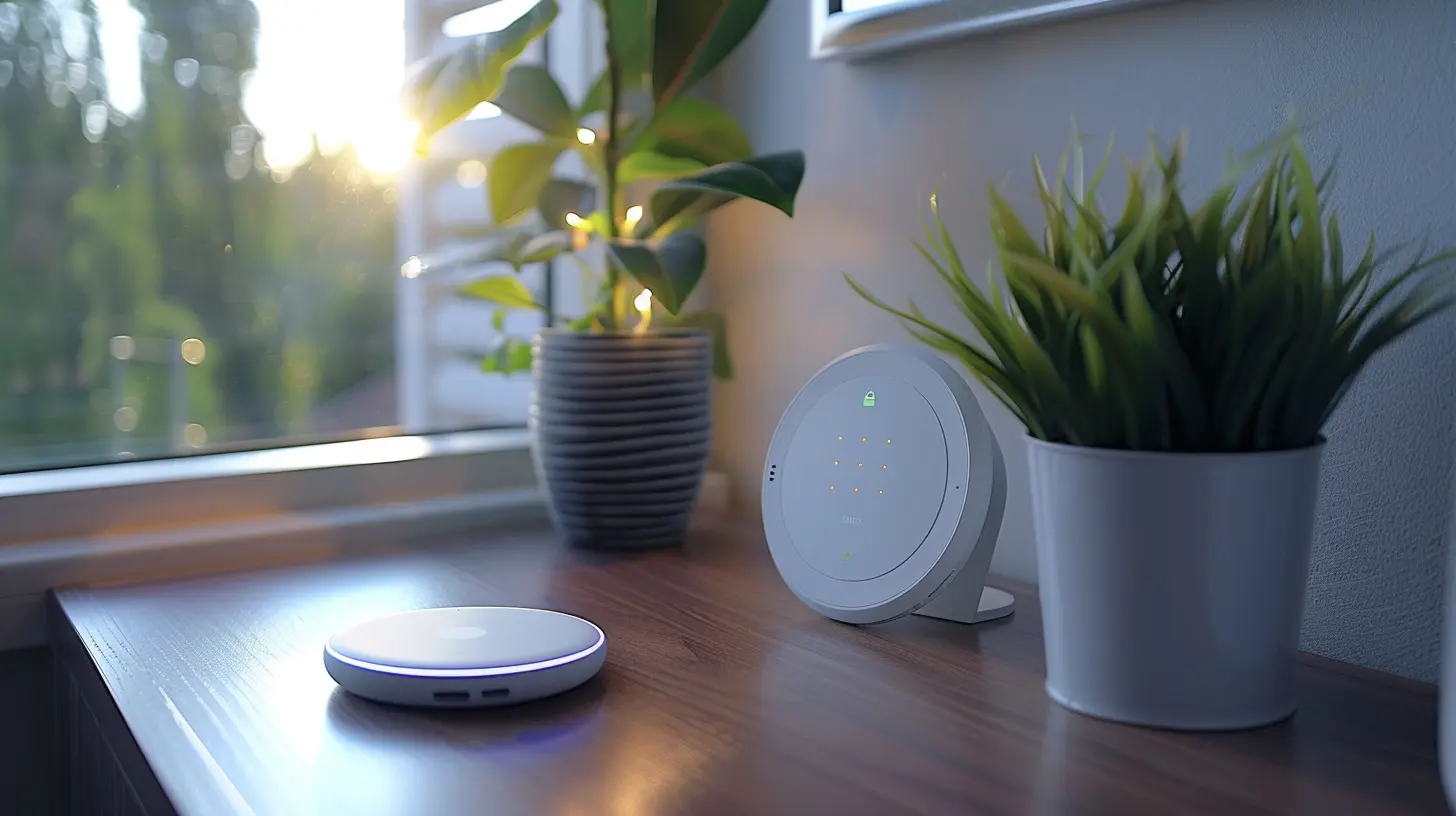
Okay, so charging through solid walls might still be a bit of a moonshot. But what about charging devices in the same room, even if they’re not on a charging pad? This is a much more realistic possibility, and there are already companies working on solutions.Wireless Power Transmission in Real Life
One such example is WiTricity, a company that’s developing wireless power transmission systems using magnetic resonance. Their systems can charge devices over a few meters, so you could potentially charge your phone or laptop just by being in the same room as the power transmitter. No need for a charging pad!There’s also Energous, which has developed technology that can charge devices over the air using RF waves. Their system, called WattUp, can send power over longer distances, charging multiple devices at once. However, the range is still limited, and the efficiency isn’t quite where it needs to be yet.
What’s Holding Us Back?
So, why aren’t we all wirelessly charging our gadgets from across the room yet? There are a few challenges:- Efficiency: Transferring power wirelessly over longer distances is inherently inefficient. A lot of energy is lost in the process, which isn’t ideal if you’re trying to charge a power-hungry device like a laptop or tablet.
- Safety: Transmitting energy through the air comes with safety concerns. After all, no one wants to be bombarded with electromagnetic waves or high-powered lasers all day! Any technology that charges devices through walls or over long distances would need to comply with stringent safety regulations.
- Cost: Developing and manufacturing this kind of technology isn’t cheap. Until it can be done affordably, it’s unlikely we’ll see widespread adoption.

The Future of Wireless Charging: What’s Next?
While charging your phone through walls might not be possible tomorrow, the future of wireless charging is still incredibly exciting. We’re already seeing advancements that allow for greater range and flexibility, and there’s no doubt that this technology will continue to evolve.In the coming years, we can expect to see:
- Room-scale wireless charging: Instead of charging through walls, imagine a system that powers everything in a room, from your smartphone to your laptop, without needing any cables.
- More efficient power transmission: As companies continue to develop new technologies, we’ll likely see improvements in the efficiency of wireless charging over longer distances.
- Integration with smart homes: Wireless charging could become a standard feature in smart homes, with built-in systems that charge your devices as soon as you walk into a room.
Conclusion: Are We There Yet?
So, can wireless charging work through walls? Not quite – at least not with the technology we have today. The laws of physics, energy efficiency, and safety concerns all present significant challenges. However, the idea of charging devices wirelessly from longer distances is certainly within reach.As research and development continue, we can expect wireless charging to become more powerful, more efficient, and more convenient. One day, we might not even think about charging our devices – it’ll just happen automatically as soon as we walk into a room. But for now, we’ll have to stick to our trusty charging pads... and maybe a few extra power outlets around the house.
all images in this post were generated using AI tools
Category:
Wireless ChargingAuthor:

Vincent Hubbard