Automating Your Home with Smart Plugs and Lights
20 June 2026
Picture this: You walk into your home after a long day at work, and without lifting a finger, the lights turn on, your favorite music starts playing, and the kettle begins to boil so you can enjoy a relaxing cup of tea. Sounds like a scene from a futuristic movie, right? Well, welcome to the future! Automating your home with smart plugs and lights is no longer a wild fantasy—it's a reality that’s more accessible than ever before.
In this article, we’re going to dive deep into the world of smart home automation with a focus on smart plugs and lights. We’ll explore how these nifty devices can transform your home into a more convenient, energy-efficient, and, let’s face it, cooler place to live. So, if you’re thinking about dipping your toes into the smart home ecosystem, this is where you should start.

What Are Smart Plugs and Lights?
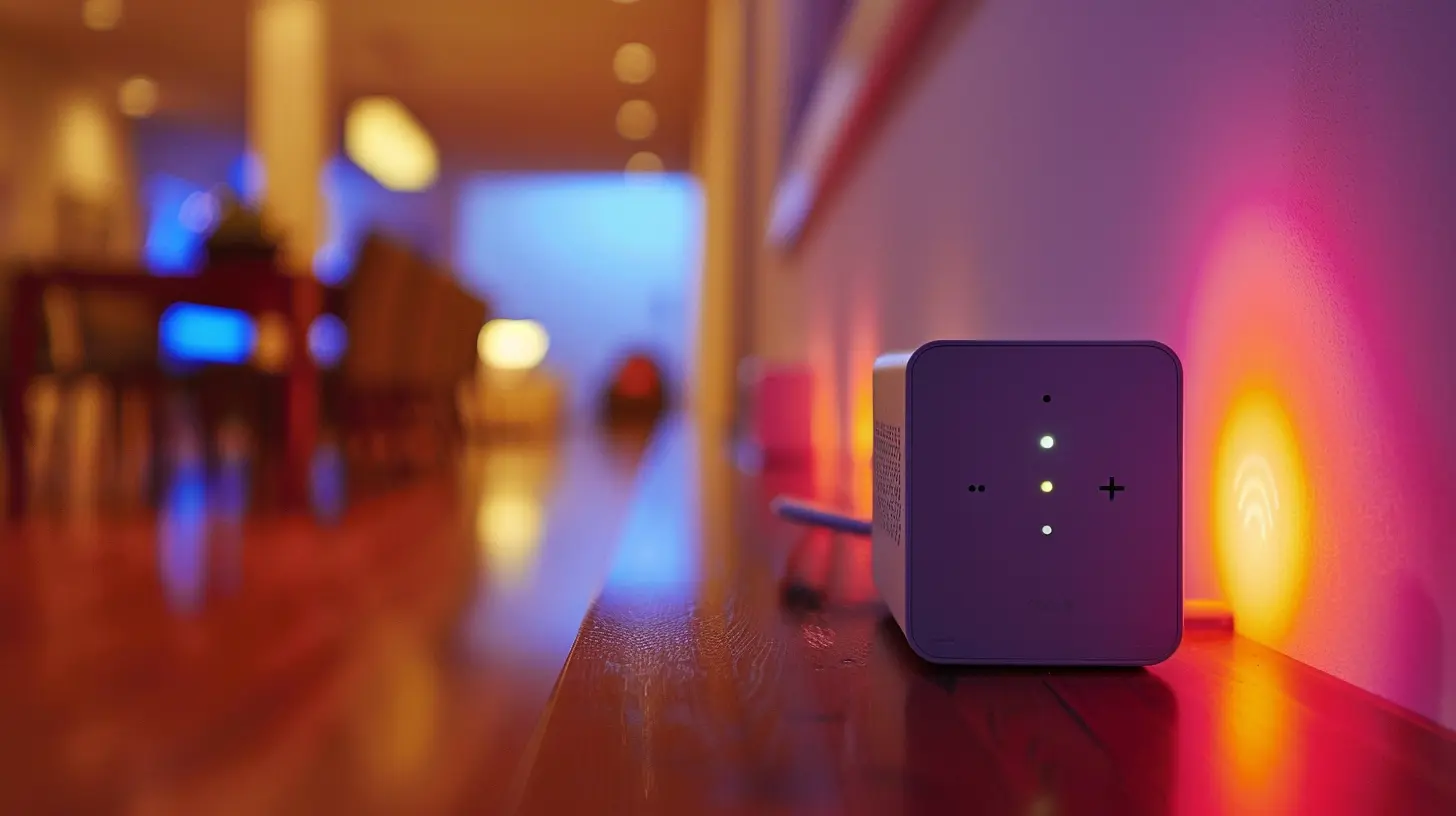
Before we get too ahead of ourselves, let's clear up what we’re talking about. Smart plugs and smart lights are two of the simplest and most affordable ways to begin automating your living space.Smart Plugs are essentially regular plugs that you can control via an app on your smartphone or through voice assistants like Alexa, Google Assistant, or Siri. Want to turn on the coffee maker without getting out of bed? No problem! Smart plugs can do that for you. They give you the ability to control power to any device you plug into them.
Smart Lights are light bulbs that connect to your Wi-Fi network, allowing you to control them with an app or voice assistant. But they’re not just about turning on and off. Many smart lights offer features like dimming, color-changing, scheduling, and even syncing with your favorite music.
Now that we know what these devices are, let’s talk about why you should care.
Why Automate Your Home with Smart Plugs and Lights?
1. Convenience at Your Fingertips
Let's be honest—life is busy. Between work, family, and social activities, the last thing you want to worry about is whether you left the lights on or forgot to turn off the fan. With smart plugs and lights, you can control everything from your smartphone. Whether you're at home or halfway across the world, all you need is a Wi-Fi connection to manage your home’s electronics.Imagine coming home from grocery shopping with your hands full. Instead of fumbling for the light switch, you can simply say, "Alexa, turn on the living room lights." It’s small conveniences like these that make smart home automation a game-changer.
2. Energy Efficiency and Savings
Here’s a question: How many times have you left a light or an appliance on when you didn’t need to? Yeah, we’ve all been there. With smart plugs and lights, you can avoid wasting energy. Smart devices allow you to set schedules, which means your lights won’t stay on all day when no one's home, and your appliances won’t suck up electricity when they’re not in use.Some smart plugs even track how much energy each connected device uses, allowing you to monitor and cut back on waste. It’s like having a little energy auditor in your pocket.
3. Enhanced Home Security
You've probably heard the saying, "A well-lit home is a safe home." Smart lights can be scheduled to turn on and off while you’re away, giving the illusion that someone’s home. This can be an effective deterrent for potential burglars.Additionally, if you set up motion sensors with your smart lights, they’ll turn on whenever someone enters a room or your yard. This not only saves energy but also adds an extra layer of security to your home.
4. Customization and Fun
Who says smart homes are all about practicality? Let’s not forget how cool and fun it can be to have smart lights that change color based on your mood or sync with your favorite playlist. Hosting a party? Set the lights to match the vibe. Want a cozy movie night? Dim the lights with a simple voice command.With so many customization options, smart lights allow you to create the perfect ambiance for any occasion.
Getting Started: How to Set Up Smart Plugs and Lights
1. Choose Your Smart Ecosystem
Before you go out and buy every smart plug and light you can find, take a moment to think about which smart ecosystem you want to use. The three main players are:- Amazon Alexa
- Google Assistant
- Apple HomeKit
Each ecosystem has its pros and cons, but the good news is that most smart plugs and lights are compatible with all three. Just make sure to check the compatibility before purchasing. Once you’ve chosen your ecosystem, you can control all your devices using your voice or a dedicated app.
2. Setting Up Smart Plugs
Setting up smart plugs is a walk in the park. Here’s a quick step-by-step guide:1. Plug it in: Find an available wall outlet and simply plug in your smart plug.
2. Download the app: Every brand will have its own app (e.g., Kasa, TP-Link, or Wemo). Download it from the App Store or Google Play.
3. Connect to Wi-Fi: Open the app and follow the instructions to connect your smart plug to your home Wi-Fi network.
4. Name your plug: Once connected, you’ll be prompted to name your plug (e.g., “Living Room Lamp” or “Kitchen Coffee Maker”). This makes it easier to control multiple devices.
5. Start automating: Now, you can schedule, turn on/off, or control the plug using voice commands or the app.
3. Setting Up Smart Lights
The process for setting up smart lights is just as simple:1. Screw in the bulb: Replace your regular light bulb with the smart bulb.
2. Download the app: Just like with smart plugs, you’ll need to download the corresponding app for your smart light brand (e.g., Philips Hue, LIFX, or Sengled).
3. Connect to Wi-Fi: Follow the in-app instructions to connect your smart bulb to your Wi-Fi network.
4. Customize settings: Once connected, you can adjust brightness, color, and set schedules.
5. Control with voice or app: You’re now ready to control your lights from anywhere or automate them to turn on when you come home.
Tips for Maximizing Your Smart Home Setup
1. Create Routines
One of the coolest features of smart plugs and lights is the ability to create routines. This means you can automate multiple actions at once. For example, you can set a "Good Morning" routine that turns on your bedroom lights, starts your coffee maker, and plays your favorite morning playlist—all with one voice command.2. Use Geofencing
Some smart lighting systems offer a feature called geofencing, which uses your phone's location to trigger actions. For instance, your lights can automatically turn off when you leave the house and turn back on when you return. Talk about convenience!3. Integrate with Other Smart Devices
Don’t stop at plugs and lights! The beauty of smart home automation is that everything can work together. Pair your smart lights with a smart thermostat to adjust the temperature when you arrive home, or connect your smart plugs to a home security camera for added peace of mind.The Future of Smart Home Automation
We’ve only scratched the surface of what’s possible with smart plugs and lights. As technology advances, we’ll see even more integration and automation, making our homes more efficient, secure, and enjoyable to live in.In the near future, we can expect smart devices to become even more intuitive. Imagine your home learning your habits and automatically adjusting the lights, plugs, and temperature to match your routine. It’s not far off!
Final Thoughts: Is It Worth It?
So, is automating your home with smart plugs and lights worth it? In a word—yes! Whether you’re looking for convenience, energy savings, or just want to impress your friends with your high-tech home, smart plugs and lights are an affordable and easy way to dip your toes into the smart home world.The best part? You don’t have to be a tech wizard to get started. With simple setups and user-friendly apps, anyone can automate their home. Plus, the feeling of walking into a home where everything just works is priceless.
So, what are you waiting for? It’s time to make your home smarter.
all images in this post were generated using AI tools
Category:
Tech TutorialsAuthor:

Vincent Hubbard
Discussion
rate this article
1 comments
Sawyer McCune
Turn your home into a smart paradise... convenience just got cooler!
July 2, 2026 at 2:34 AM
Vincent Hubbard
Thanks for the enthusiasm! Smart plugs and lights really do make life easier and more fun. Happy automating!