A Look Ahead at Personalization Tools Shaping Marketing in 2026
17 April 2026
Let’s be honest for a second. How many marketing emails did you delete today without even opening them? How many ads did you scroll past so fast they were just a colorful blur? If you’re like me, it’s probably a number that would make a marketer from 2010 weep into their spreadsheet.
We’re drowning in a sea of generic content. The old spray-and-pray approach—where you blast a message to a massive audience and hope it sticks to a few—isn’t just inefficient anymore; it’s actively annoying. It’s like someone shouting your name in a crowded room, only to hand you a flyer for a lawnmower when you don’t even have a lawn.
But what if marketing felt less like being shouted at and more like a quiet, helpful conversation with a friend who actually gets you? What if every interaction felt crafted just for you, anticipating your needs before you even voice them? That’s the promise of personalization, and by 2026, the tools making it happen won’t just be clever—they’ll be almost clairvoyant.
We’re standing on the brink of a shift. The next two years won’t just be about using your first name in an email or showing you the last product you looked at. It’s about moving from reactive personalization to proactive personalization. From "we see you looked at red sneakers" to "based on your schedule, the weather, and your past adventures, here’s the perfect weekend hike, and by the way, your usual trail shoes are looking worn—these new ones would be ideal." The difference isn't just incremental; it's revolutionary.
So, grab a coffee, and let’s pull back the curtain. Let’s talk about the tools that will stop guessing and start knowing.
The Foundation: Why 2026 is The Personalization Tipping Point
First, why 2026? It’s not an arbitrary date. We’re seeing several technological rivers converging into a powerful delta right about then. The computing power needed for real-time AI is becoming affordable. Privacy regulations, while challenging, are forcing us to build relationships on first-party data, which is actually better data. And consumer patience? It’s officially at zero. We expect relevance as a basic courtesy.The old model was like a detective showing up at a crime scene a week later, dusting for fingerprints, and making a guess. The 2026 model is like having a guardian angel who, because they truly know your habits and heart, can gently steer you away from trouble and toward joy in real-time. The tools enabling this are built on three core pillars: Hyper-Intelligent AI, Unified Data Consciousness, and Frictionless Omnichannel Orchestration.
The Toolbox of Tomorrow: Key Personalization Engines for 2026
1. The Predictive Personality Engine: AI That Understands "Why"
Today’s AI is good at pattern recognition. It sees that people who buy A also buy B. By 2026, the next generation—let’s call it Causal AI or Explainable AI (XAI) for Marketers—won’t just see the pattern; it will understand the motivation behind it.Think of it as the difference between a bartender who remembers your usual drink and one who remembers your usual drink, knows you only order it after a tough Tuesday meeting, and asks how that big project went. This AI will move beyond behavioral data (what you clicked) to inferential data (why you might have clicked it). It will analyze micro-interactions, content consumption depth, and even sentiment in feedback to build a dynamic, evolving "psychographic profile."
What this looks like in practice: A streaming service won’t just recommend another crime drama because you watched three. Its AI will understand you were drawn to the forensic puzzle-solving in those shows. So, it might surface a documentary about a real-life cold case or a puzzle-platformer game, creating a personalized content universe around your core interest, not just a genre.
2. The Unified Customer Data Platform (CDP): The Single Source of Truth
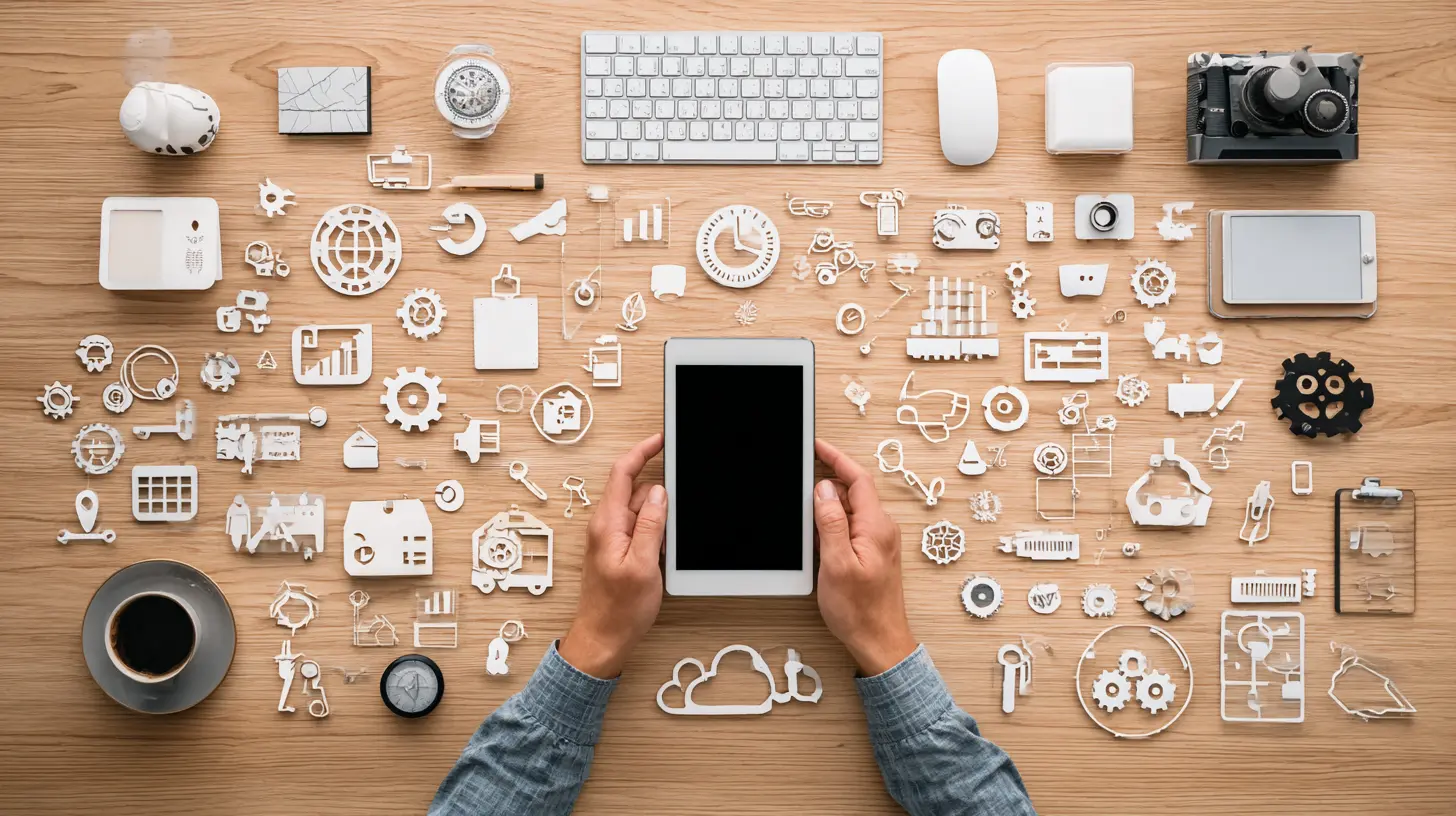
If the Predictive AI is the brain, the Unified CDP is the central nervous system. Right now, data is often siloed—your email behavior here, your app usage there, your support tickets somewhere else. It’s a fractured view.By 2026, the CDP will evolve into a real-time, persistent "living profile." Every single touchpoint—from a lingering hover on a website image to a voice query to your smart speaker, to an in-store beacon pickup—will feed into this single profile instantly. Privacy will be baked in, with clear consent and anonymization where needed, but the profile will be holistic. This isn’t about being creepy; it’s about consistency. It ensures the helpful assistant you experience on the web is the same person who answers the phone when you call support.
The game-changer here is interoperability. These platforms will seamlessly talk to every other tool in your stack, from your ad buyer to your email platform to your point-of-sale system, acting as the authoritative conductor of the personalization orchestra.
3. Hyper-Automated, Dynamic Content Generation
You know those website banners that change based on your location? Cute. By 2026, AI-driven dynamic content will generate not just images or headlines, but entire narrative experiences in real time.We’re talking about websites, emails, and ads that reassemble themselves atom-by-atom for each visitor. Copy, imagery, layout, and even content structure will morph based on that individual’s unified profile. Are you a detail-oriented researcher who loves specs and comparisons? You’ll see a detailed, tabular product page. Are you a visual storyteller who responds to emotion and vibe? You’ll land on a cinematic video journey with customer narratives.
This tool removes the bottleneck of human creation for scale. It’s like having a million master copywriters and designers working simultaneously, each briefed perfectly on one individual person. The human role shifts from creator to curator and strategist—setting the brand guardrails and emotional tone within which the AI operates.
4. The Omnichannel Orchestrator: Context-Aware Journey Mapping
Personalization isn’t just about the message; it’s about the moment. The Context-Aware Orchestrator is the tool that masters timing and channel.It knows that sending you a push notification about a cart abandonment while you’re in a work meeting is a violation. But it also knows that you commute home on the 5:15 train, and that’s the perfect time to send a helpful, "Still thinking about those sneakers? Your size is back in stock," with a link to a mobile-optimized checkout.
This tool ingests real-time contextual data: location, time of day, device, local weather, even your calendar (with permission) or device usage patterns. It then chooses the perfect channel—maybe a rich interactive message in your messaging app, a concise SMS, or an email designed for later—and delivers the perfectly timed nudge. It turns a marketing "campaign" into a seamless, helpful dialogue that flows across the devices and moments of your life.
5. Immersive & Spatial Personalization: The AR/VR Layer
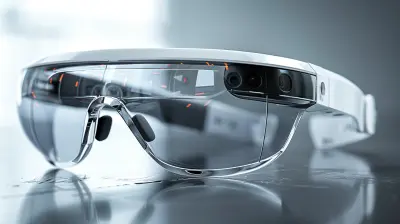
By 2026, the early adoption phase of augmented reality (AR) and virtual reality (VR) will be maturing. Personalization tools will extend into these spatial environments.Imagine putting on AR glasses in a store. Instead of generic shelf tags, you see personalized prices (loyalty discounts applied), highlighted products that fit your dietary preferences (gluten-free, vegan), and virtual arrows guiding you to the items on your digital list. A virtual try-on for clothes goes beyond fit; it suggests a complete outfit based on your existing wardrobe at home, which your unified CDP knows from past purchases.
This tool makes the physical world digitally malleable and personally relevant. It’s the ultimate merger of data and reality, creating a layer of helpful, personalized information over everything we see.
The Human in the Loop: Ethics, Trust, and the Marketer’s New Role
With great power comes great responsibility, right? These tools are powerful, and that can feel unsettling. The most critical "tool" shaping marketing in 2026 won’t be software—it will be Ethical Frameworks and Transparency Dashboards.Consumers will have zero tolerance for opacity. Tools will need to provide clear, simple explanations: "We recommended this because you enjoyed X and it’s popular with people who share your interest in Y." There will be a "personalization dial" where users can control the intensity of their experience, from generic to highly tailored. Marketers will spend as much time auditing their AI for bias and building trust as they will on campaign planning.
Our role as marketers transforms from persuaders to experience architects and data stewards. We’ll design the frameworks, set the ethical boundaries, and interpret the nuanced human insights that the AI surfaces. We’ll be the editors, not the writers; the directors, not the actors.
Conclusion: The Goal Isn't Perfection, It's Respect
As we look ahead to 2026, the ultimate goal of all these whiz-bang tools is surprisingly simple: to treat customers as the unique, complex individuals they are. It’s about respect for their time, their attention, and their individuality.The personalization tools of the near future promise to filter out the noise and deliver signal—to replace the shouting in the crowded room with a meaningful, one-on-one conversation. They will help us move from interruption to utility, from advertising to service.
The journey there is as much about philosophy as it is about technology. It asks us to be more humble, more transparent, and more genuinely helpful. If we get it right, the marketing of 2026 won’t feel like marketing at all. It will feel like magic—a magic built on a foundation of data, ethics, and a deep-seated desire to simply be useful. And that’s a future worth building.
all images in this post were generated using AI tools
Category:
Digital Marketing ToolsAuthor:

Vincent Hubbard
Discussion
rate this article
2 comments
Aubrey Kline
Exciting insights! Personalization tools will redefine marketing strategies in the upcoming years.
April 19, 2026 at 3:29 AM
Vincent Hubbard
Thank you! I'm glad you found the insights exciting. Personalization tools truly have the potential to transform marketing strategies!
Lydia McKeehan
Exciting times ahead! The future of personalization tools in marketing looks incredibly promising. Can't wait to see how these innovations will boost engagement and creativity!
April 18, 2026 at 10:44 AM
Vincent Hubbard
Thank you! I share your excitement about the potential of personalization tools to revolutionize marketing and enhance engagement in the coming years!