Why Streaming Devices Are the Key to Unlocking On-Demand Content
30 May 2026
Remember the days when watching TV meant sticking to a rigid schedule? You had to be home at a specific time to catch your favorite show or miss out completely. Those days are long gone. Now, we live in a world where on-demand content is king, and streaming devices are the golden key to unlocking that treasure trove of entertainment.
But how did we get here? And why are streaming devices so pivotal to the way we consume content today? Let’s dive in and explore why these sleek little gadgets have become indispensable for accessing on-demand content.
The Evolution of Content Consumption
Before we get into the nitty-gritty of streaming devices, it’s important to understand how we got here. In the past, TV networks were the gatekeepers of content. The only way to watch a show or movie was to tune in when it aired. If you missed it, you'd have to wait for a rerun or, worse yet, rely on someone else to fill you in. It was a frustrating game of cat and mouse, and viewers were at the mercy of the networks.Fast forward to the early 2000s, and the birth of on-demand content began with services like TiVo and video-on-demand (VOD) from cable providers. This was revolutionary at the time. For the first time, viewers had some control. But it still wasn’t perfect — you had to pay extra for VOD, and TiVo had its limitations.
Then, streaming platforms like Netflix, Hulu, and Amazon Prime Video entered the scene, offering a massive library of content accessible on your schedule. At first, people watched these platforms on their computers, but that wasn’t exactly comfortable. After all, who wants to huddle around a laptop to binge-watch a show? That’s where streaming devices came in.
What Are Streaming Devices?
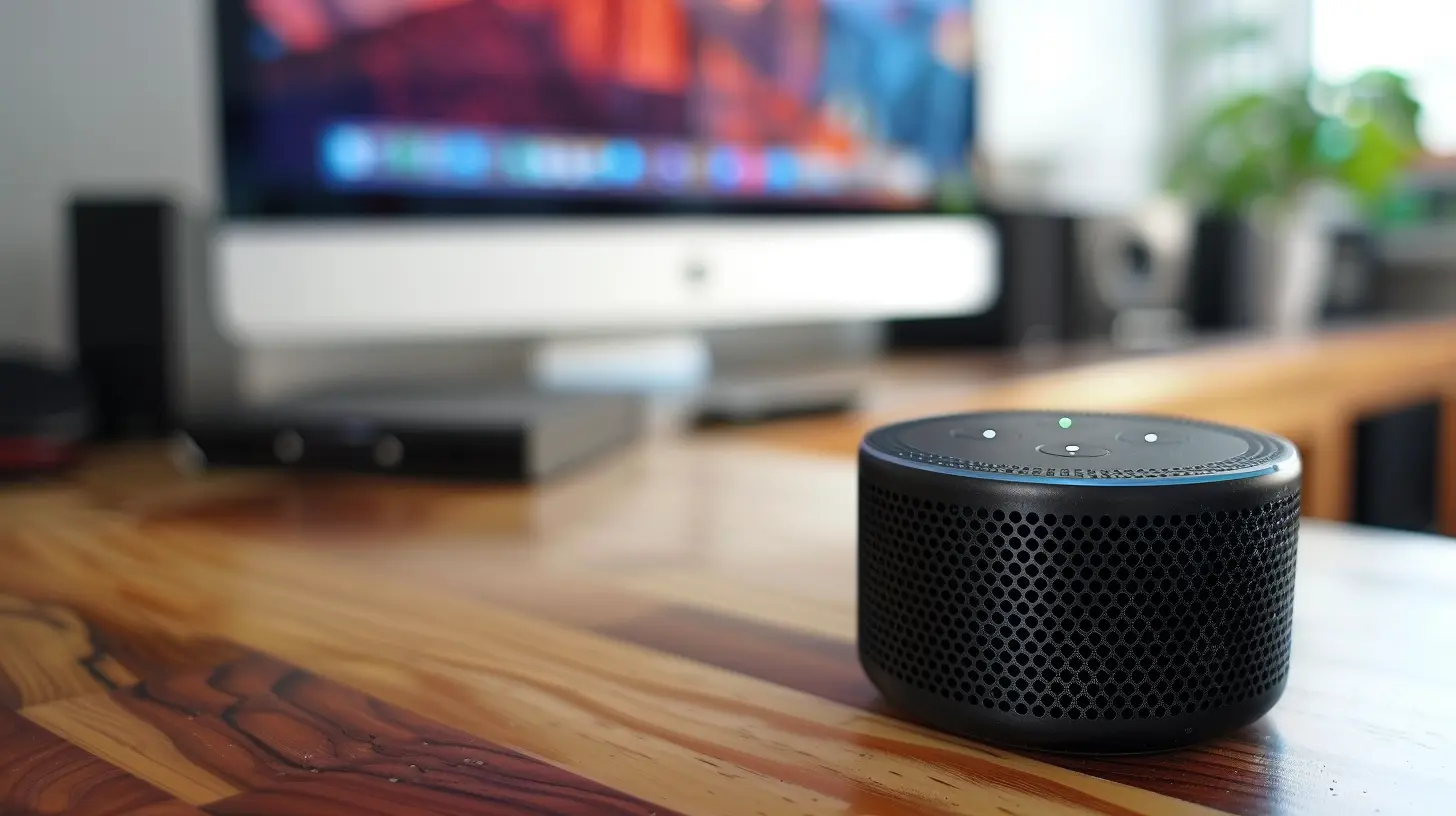
In case you're wondering, streaming devices are the bridge between the internet and your TV. They’re small, often unassuming gadgets that plug into your television, giving you access to a world of content over your Wi-Fi connection. Think of them like modern-day magic wands that can instantly summon your favorite shows, movies, and even live TV without the need for traditional cable.Popular examples include the Amazon Fire Stick, Roku, Apple TV, Google Chromecast, and Nvidia Shield. These devices are designed to be easy to use and are typically compatible with a wide range of streaming services like Netflix, Disney+, HBO Max, YouTube, and many more. Some even support gaming and smart home controls, but their primary function is to deliver content when you want it, wherever you want it.
Why Streaming Devices Are Essential for On-Demand Content
1. Convenience Is King
Let’s face it — we’re living in the era of convenience. We stream music, order food, and even conduct business meetings from our phones. Why should our entertainment be any different? Streaming devices make accessing content as easy as pie. With just a few clicks of the remote, you instantly have access to thousands of shows, movies, and even live broadcasts.No more scrolling through clunky cable menus or waiting for a movie to come on. With a streaming device, everything is available at your fingertips, whenever you want. It's like having a giant buffet of entertainment laid out right in front of you, and all you have to do is grab a plate.
2. Cost-Effective Entertainment
One of the biggest reasons people are turning to streaming devices is the cost savings. Let’s be real for a second — cable is expensive. Between equipment rentals, channel packages, and fees, traditional cable bills can easily run into the hundreds each month.Streaming devices allow you to cut the cord and only pay for the services you actually use. A basic streaming device can cost anywhere from $30 to $100, and once you have it, you're free to choose which streaming services you want to subscribe to, many of which are much more affordable than cable. You can mix and match services or even cancel one and subscribe to another without being locked into a contract. It's a win-win for your entertainment and your wallet.
3. Access to Exclusive Content
Ever heard of shows like Stranger Things, The Mandalorian, or The Boys? These are just a few examples of exclusive content that you can only stream through specific platforms. Streaming services have upped the ante by creating original programming that you can’t find anywhere else. And guess what? You need a streaming device to access them.Streaming devices give you a front-row seat to some of the best original content being produced today. With more and more platforms like Netflix, Hulu, Disney+, and Apple TV+ investing in high-quality shows and movies, having a streaming device is the only way to tap into that exclusive content.
4. Personalized Viewing Experience
Streaming devices give you more control over your viewing experience than traditional TV ever could. Most platforms come with algorithms that learn your tastes and suggest content based on your viewing habits. You can build your own watchlists, create profiles for different family members, and even pause a show on one device and pick it up later on another.With streaming devices, there’s no need to sit through commercials (unless you're using a free streaming service like Pluto TV), and you can fast-forward, rewind, or rewatch your favorite scenes as many times as you want. It’s your content, your way.
5. Portability and Flexibility
Another reason why streaming devices are so popular is their portability. Going on vacation? Visiting a friend's house? No worries. Most streaming devices are small enough to fit in your pocket, and all you need is an internet connection to start streaming your favorite content.Imagine this: You’re staying at a hotel, and the only thing on TV is an endless loop of infomercials. But with your trusty streaming device in tow, you can plug it into the hotel TV, connect to Wi-Fi, and pick up right where you left off in your latest binge-watch. It’s like bringing your entire entertainment system with you wherever you go.
6. Future-Proofing Your Entertainment
The world of entertainment is shifting rapidly. With more people cutting the cord and saying goodbye to traditional cable, streaming devices are positioned to be the future of content consumption. More companies are investing in streaming services, and new platforms are popping up every year.The beauty of streaming devices is that they’re built to adapt. Many receive regular software updates, ensuring that they stay compatible with the latest streaming services and technology. You’re not stuck with outdated hardware; instead, your device evolves with the times. Plus, with features like 4K streaming, HDR support, and voice control, these gadgets are ready to meet the demands of the future.

How to Choose the Right Streaming Device
Now that you see why streaming devices are crucial, you might be wondering which one to get. The truth is, it depends on your needs and preferences. There’s no one-size-fits-all answer, but here are a few things to consider:- Platform Compatibility: Some streaming devices work better with specific platforms. For example, if you’re heavily invested in the Apple ecosystem, Apple TV might be your best bet. For Amazon Prime users, the Fire Stick could be the way to go.
- User Interface: Different devices have different interfaces. Roku, for example, is known for its simple and easy-to-navigate menus, while Nvidia Shield offers a more feature-rich experience for gamers.
- Resolution Support: If you have a 4K TV, make sure your streaming device supports 4K resolution. Otherwise, you won’t get the best picture quality.
- Additional Features: Some streaming devices come with added bells and whistles, such as voice control, gaming capabilities, or smart home integration. If these features are important to you, factor them into your decision.
Final Thoughts
Streaming devices have fundamentally changed the way we consume content. They’ve made entertainment more accessible, affordable, and personalized, all while giving viewers the freedom to watch what they want, when they want. Whether you’re a cord-cutter looking to save money, a binge-watcher addicted to the latest shows, or someone who just wants a more convenient way to watch TV, streaming devices are the key to unlocking the endless world of on-demand content.Now, the only question left is: what will you stream next?
all images in this post were generated using AI tools
Category:
Streaming DevicesAuthor:

Vincent Hubbard
Discussion
rate this article
2 comments
Holden Mercado
Streaming devices truly transform how we experience entertainment. They place the world of on-demand content right at our fingertips, making it easier than ever to explore, discover, and enjoy what we love. Embrace this innovation and let your viewing adventures begin!
July 11, 2026 at 10:28 AM
Sonya Wright
Streaming devices really simplify access to content. They make watching shows and movies easier than ever for everyone.
June 3, 2026 at 3:10 AM
Vincent Hubbard
Absolutely, streaming devices have transformed how we enjoy content, making it accessible and convenient for all.