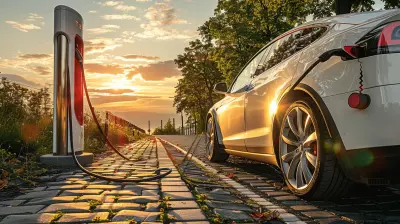
Exploring the Benefits of IoT in the Hospitality Industry
29 January 2026
The hospitality industry isn't what it used to be. We're not just talking about beds, check-ins, and breakfast buffets anymore. Tech has seeped into every nook and cranny of how hotels, resorts, and even vacation rentals operate. One particular tech trend that's stealing the spotlight? The Internet of Things (IoT).
And no, IoT isn’t just a buzzword. It's actually redefining how the hospitality industry delivers service, boosts efficiency, and impresses guests. So if you're in the hospitality business or just curious about how technology is changing the way we travel and stay, this article lays it all out.
Let’s unpack the real-world benefits of IoT in the hospitality industry — and yeah, there’s way more to it than just smart thermostats.
What Is IoT and Why Should the Hospitality Industry Care?
Before we go too deep, let’s make sure everyone’s on the same page. IoT stands for the Internet of Things. It’s all about connecting everyday devices to the internet so they can collect and exchange data — think smart lighting, voice assistants like Alexa, your smartwatch, even the vending machine down the hall.So what happens when you bring all that connectivity into a hotel, a resort, or even an Airbnb?
You get smarter operations, more personalized guest experiences, tighter energy use, and even happier staff. In a world where people expect seamless, tech-driven service, IoT is fast becoming the backbone of modern hospitality.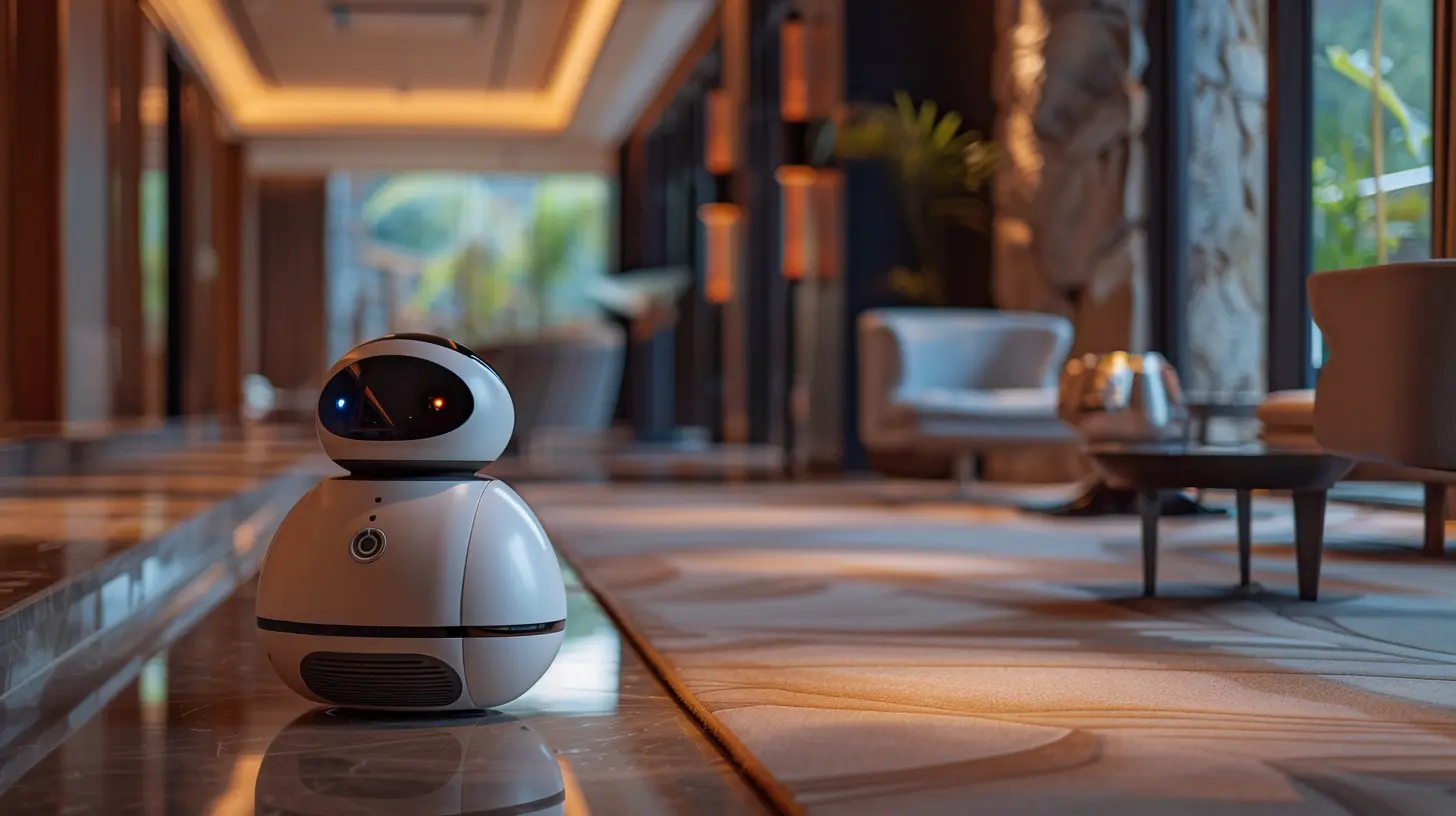
1. Personalized Guest Experiences That Wow
Let's face it — everyone wants to feel like a VIP when they check into a hotel. We all love walking into a room that’s just the right temperature, with our favorite type of lighting, and maybe even our go-to playlist playing in the background.Well, thanks to IoT, that’s not just a luxury anymore — it’s becoming the norm.
Smart Rooms, Smart Guests
IoT-powered hotel rooms can automatically adjust to a guest’s preferences. Whether it's the lighting, air conditioning, or even curtain control, all of it can be customized through a mobile app or voice command. Returning guest? Their preferences can be remembered and automatically set for their next stay.Amenities like voice-activated assistants (think Alexa or Google Assistant) let guests control room functions or request services hands-free. Want a towel or room service? Just ask.
This level of personalization makes your stay feel less like a "room-for-rent" and more like a home away from home.
2. Operational Efficiency That Saves Time and Money
Now, let’s look at what’s happening behind the scenes. Hospitality operations have a lot of moving parts: maintenance, housekeeping, inventory, energy use — and that's just scratching the surface.Predictive Maintenance
Old-school maintenance waits for something to break. IoT flips that on its head. Smart sensors can detect when a piece of equipment — say an HVAC unit or a water pump — is about to fail. This allows hotel staff to fix things before they break down and ruin someone’s stay.Fewer breakdowns = fewer complaints and lower maintenance costs.
Automated Housekeeping
Smart occupancy sensors can tell when guests leave their rooms, signaling housekeeping to clean without disturbing anyone. This small tweak improves efficiency, lets staff work smarter, and enhances guest satisfaction. Nobody likes a surprise knock from housekeeping during a nap, right?
3. Energy Management Like Never Before
Let’s talk power. Hotels use a lot of it. Lights, heating, air conditioning, kitchen appliances — it all adds up. IoT makes it easier to cut waste without cutting comfort.Smart Energy Systems
IoT systems can automatically turn off lights, adjust thermostats, or power down unused devices when rooms are unoccupied. Over time, this shaves off a significant chunk from the energy bill.It’s good for business, and it’s great for the planet. A win-win.
Sustainable Operations
With greater awareness of climate change, many guests prefer supporting businesses that are environmentally responsible. IoT helps hotels promote sustainability with real numbers to back it up — think dashboards showing energy savings or water conservation efforts.It’s like showing your guests your digital green thumbs.
4. Enhanced Security and Safety
Security isn’t just about locks and cameras anymore. In hospitality, safety and peace of mind are part of the guest experience. IoT ramps that up in smart ways.Smart Door Locks and Mobile Keys
Gone are the days of lost keycards. Guests can now use their smartphones to unlock their rooms securely. These digital keys can be activated before check-in and deactivated after check-out, reducing the chances of unauthorized access.Real-Time Monitoring
IoT cameras and sensors monitor hotel premises 24/7 and alert security staff in real-time in case of suspicious activity. Add fire, smoke, and gas leak sensors into the mix, and you’ve got a high-tech safety net protecting both your guests and property.5. Streamlined Inventory and Asset Management
Running out of something as basic as bath towels or minibar snacks? That’s a rookie move. IoT helps make sure that never happens.Inventory Monitoring
Smart sensors can track inventory levels in real-time — whether it's food in the kitchen, linens in the laundry, or supplies in housekeeping. When stocks run low, alerts go out automatically.This reduces waste, prevents overstocking, and keeps everything running smoothly. No more frantic last-minute orders or angry guests left without fresh towels.
6. Data-Driven Decision Making
Here’s the thing: the more you know, the better decisions you can make. This is where IoT truly shines.Real-Time Analytics
IoT devices generate a goldmine of data — on guest behavior, energy usage, equipment performance, and even foot traffic patterns in hotel lobbies.When all this data is analyzed correctly, it provides actionable insights that help fine-tune everything from staffing schedules to marketing strategies.
It’s a bit like having a crystal ball that actually works.
7. Better Communication Between Guests and Staff
Communication is everything in hospitality. IoT steps in to make sure guests can easily get what they need — and staff can respond quickly.Mobile Integration
Guests can use hotel apps to order room service, request pickups, schedule spa treatments, or even chat with concierge — all through their smartphones. IoT bridges the gap between guest and staff without the need for a phone call or a trip to the front desk.This frictionless communication boosts satisfaction and lets staff handle requests more efficiently.
8. Competitive Edge and Brand Loyalty
Let’s be honest — in the cutthroat world of hospitality, staying ahead of the curve is everything. Guests are more tech-savvy than ever, and they notice when a hotel goes above and beyond.First Impressions Matter
From automatic check-in kiosks to smart elevators and personalized room settings, guests immediately get a sense that they’re in a modern, thoughtful establishment. That first impression? It sticks.Encouraging Repeat Visits
When people receive a customized, seamless experience once, they’re more likely to come back. IoT helps brands build loyalty by making every stay better than the last.Real-World Use Cases: Who's Doing It Right?
Let’s look at some real-life examples of IoT in action within the hospitality world:- Hilton has integrated “Connected Room” technology, letting guests control nearly every aspect of their room via smartphone.
- Marriott is experimenting with IoT Guestroom Labs, testing things like smart mirrors and voice-activated room controls.
- Wynn Las Vegas equipped over 4,000 rooms with Amazon Echo to provide voice-activated command functionality.
These brands aren’t just dipping their toes in the water — they’re diving headfirst into IoT innovation.
Challenges? Sure. But They're Worth Tackling
Of course, IoT isn't perfect. There are obstacles — like cybersecurity concerns, high initial costs, and the need for staff training. But honestly? These are solvable issues.With proper encryption, regular software updates, and investing in employee education, these challenges can be overcome. And when you weigh the long-term benefits, it's clear the pros heavily outweigh the cons.
The Future Is Connected — Are You?
The hospitality industry has always been about delivering comfort, care, and convenience. IoT just turbocharges that goal with the power of technology.From personalizing experiences and streamlining operations to cutting costs and improving safety, the benefits of IoT in the hospitality industry are as real as they are revolutionary.
If you’re in the hospitality space and still wondering whether to jump on the IoT bandwagon, maybe it’s time to stop wondering and start wiring.
After all, today’s guests want more than just room service. They want room intelligence.
all images in this post were generated using AI tools
Category:
Iot DevicesAuthor:

Vincent Hubbard
Discussion
rate this article
2 comments
Thomas McCord
Great insights! The integration of IoT in hospitality really enhances guest experiences. Excited to see how these innovations will shape the future of travel!
February 15, 2026 at 3:55 AM
Vincent Hubbard
Thank you! I'm glad you found the insights valuable. The future of travel with IoT is indeed exciting!
Mariana Fry
Embracing IoT in hospitality revolutionizes guest experiences and operational efficiency—it's a game changer!
January 31, 2026 at 1:55 PM
Vincent Hubbard
Thank you for your insight! Indeed, IoT has the potential to significantly enhance both guest experiences and operational efficiency in the hospitality industry.