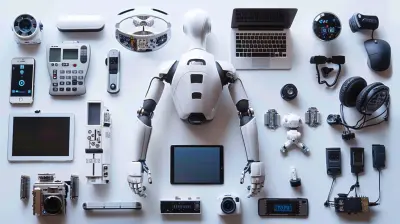
Tiny Tech: The Power of Miniaturized Gadgets
6 December 2025
Technology is getting smaller, and that’s a big deal. From pocket-sized computers to wearables that track our every move, miniaturized gadgets are shaping the way we interact with the world. But why are these tiny tech wonders so important? And how do they continue to shrink while getting even more powerful? Let’s dive into the fascinating world of tiny tech and see how it's redefining our lives.
The Evolution of Miniaturized Gadgets
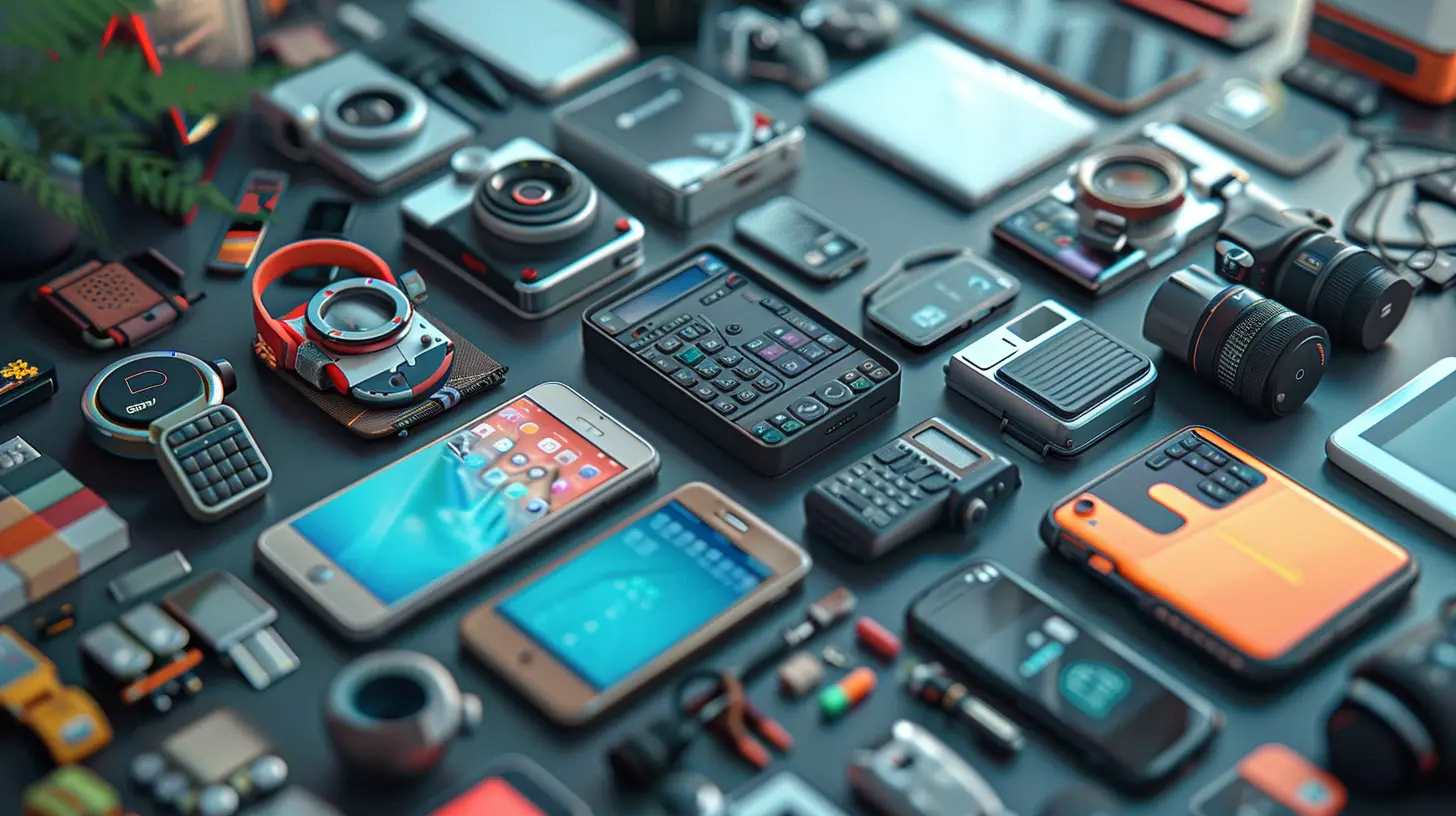
Not too long ago, having a computer meant dedicating an entire desk to a hulking machine. Fast forward to today, and smartphones pack more computing power than the massive processors used to send astronauts to the moon.But this isn’t just about computers. Everything—from medical devices to home automation—has been getting smaller, smarter, and more efficient. The smaller our tech gets, the more convenient it becomes, blending seamlessly into our daily routines.
Why Is Miniaturization So Important?
Why do we keep pushing for smaller tech? Well, there are several reasons:- Portability – Smaller devices mean greater mobility, making it easier to carry powerful tech wherever we go.
- Efficiency – Miniaturized tech uses less energy, making it more sustainable.
- Convenience – Tiny gadgets fit seamlessly into our lives without taking up unnecessary space.
- Innovation – Shrinking technology paves the way for new possibilities, from smartwatches to implantable health monitors.
The Science Behind Tiny Tech
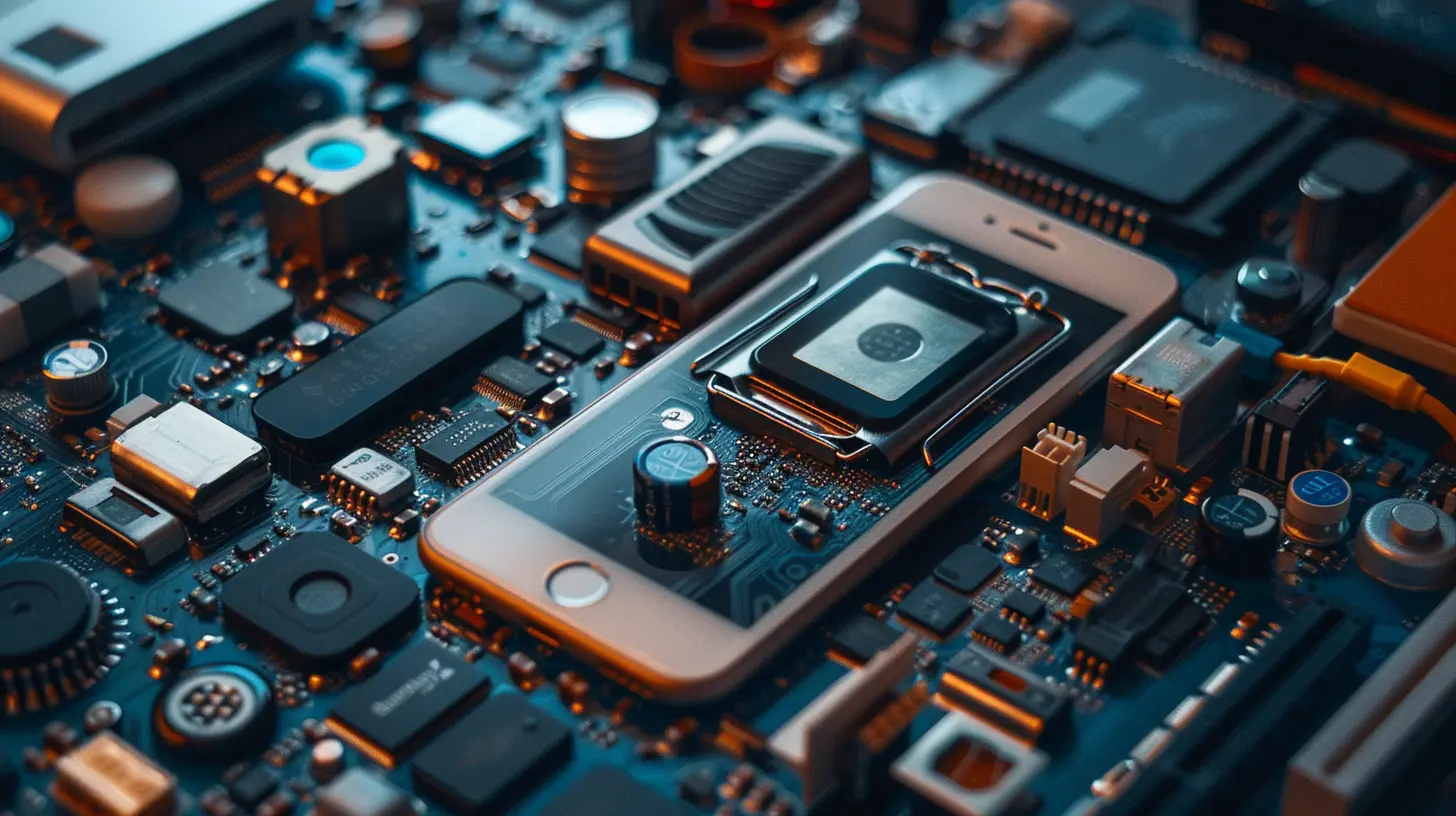
Making gadgets smaller isn’t just about reducing size—it’s about improving performance while keeping things compact.Microprocessors and Nanotechnology
Modern devices rely on microprocessors that are getting increasingly small, thanks to nanotechnology. Engineers have found ways to pack billions of transistors onto minuscule chips, allowing for more power in a fraction of the space. The result? Faster, more energy-efficient devices with enhanced capabilities.Battery Innovations
The biggest challenge with shrinking gadgets is battery life. Fortunately, lithium-ion technology has significantly improved, and researchers are working on even smaller yet more powerful battery alternatives, like solid-state batteries and energy-harvesting technologies.Wearable Technology
Wearables are one of the biggest success stories of miniaturized tech. Devices like smartwatches, fitness trackers, and even smart rings provide vital health data in real time. The more these devices shrink, the more discreet and comfortable they become.
Mini Tech in Everyday Life
Miniaturized gadgets are everywhere, even if we don’t always notice them.Smartphones: More Than Just Phones
Smartphones are the ultimate example of miniaturized tech. These pocket-sized powerhouses replace cameras, music players, navigation systems, and even laptops for many people.Medical Breakthroughs
Tiny tech has revolutionized healthcare. Smart pills, for example, contain sensors that monitor a patient’s internal health as they travel through the body. Wearable ECG monitors help detect irregular heartbeats before they become serious. With miniaturized medical devices, early diagnosis is more accessible than ever.Smart Home Devices
Think about how slim and compact smart home devices have become. Mini cameras, motion sensors, and voice assistants now blend into home décor without looking like clunky tech.Mini Drones
Drones used to be bulky machines, but now, we have palm-sized drones capable of capturing stunning aerial shots, inspecting hard-to-reach areas, and even assisting in search-and-rescue missions.The Future of Miniaturized Gadgets
The mini tech revolution is far from over. Here’s what’s coming next:Implantable Tech
We’re already wearing smartwatches, but what about tech that goes under the skin? Biohackers and scientists are working on implantable chips that could replace keys, passwords, and even medical monitoring devices.Foldable and Stretchable Tech
What if tiny gadgets could expand when needed? Foldable screens and stretchable electronics may be the next step in making small tech even more versatile.AI-Powered Nano Devices
Imagine AI-powered nano-devices capable of diagnosing diseases inside the body or microscopic robots performing precise surgeries. These advancements aren't far-fetched—they're already in development.
The Downsides of Tiny Tech
As exciting as mini tech is, it does come with its challenges:- Durability – Smaller gadgets are more fragile and prone to damage.
- Repairability – The smaller the components, the harder they are to fix.
- Privacy Risks – Miniaturized surveillance devices raise concerns about personal security.
Despite these challenges, the benefits of tiny tech far outweigh the drawbacks. Manufacturers are already finding ways to make small devices sturdier, more sustainable, and secure.
Wrapping Up
Tiny tech is proving that bigger isn’t always better. As our devices continue to shrink while becoming more powerful, our lives become more connected, efficient, and convenient. Whether it's a smartwatch tracking our steps or a tiny drone capturing breathtaking footage, miniaturized gadgets are here to stay.What do you think the future holds for tiny tech? One thing's for sure—it's only going to get smaller and smarter.
all images in this post were generated using AI tools
Category:
Tech GadgetsAuthor:

Vincent Hubbard
Discussion
rate this article
2 comments
Coral Rosales
Great article! It's fascinating to see how miniaturized gadgets are reshaping our lives and making technology more accessible. The innovation and creativity behind these tiny devices demonstrate the incredible potential of engineering. Excited to see what the future holds for tiny tech and its applications!
December 22, 2025 at 1:45 PM
Vincent Hubbard
Thank you for your thoughtful comment! I'm glad you enjoyed the article and share the excitement about the future of tiny tech!
Shannon Bowers
Who knew that our gadgets could go on a diet? Tiny tech is like the pocket-sized superhero we didn’t know we needed—saving space, one byte at a time!
December 6, 2025 at 8:31 PM
Vincent Hubbard
Absolutely! Tiny tech truly transforms convenience and efficiency, proving that great things come in small packages.